Stem cell therapy for liver cirrhosis at our Istanbul clinic uses fresh Wharton’s jelly stem cells and their exosomes, tiny repair messages, given by IV drip. It works alongside your usual liver cirrhosis treatment: treating the cause, stopping alcohol, managing complications and, for advanced disease, a transplant assessment.1 The aim is calmer liver inflammation and support for the liver cells that still do the work. Uzm. Dr. Cihan Bolat reviews your blood tests and scans free of charge.
01
Living with liver cirrhosis: we understand
If you live with liver cirrhosis, you may know the tiredness that arrives before lunch, the wait for the next blood test results and the careful planning around tablets, salt and check-ups. Nights can be hard too: in 1,098 people with cirrhosis, more than half (51.8%) slept poorly at night.7 You are far from alone: around 112 million people worldwide live with compensated cirrhosis, the stage in which the liver still copes.8
It is rarely only about the liver. Perhaps you have already changed what you eat, cut out alcohol and taken every medicine, and still wonder what comes next. Work, travel, family meals and long walks can take more planning than before. Wanting more energy, steadier results and more good days is completely natural, and it deserves a careful plan made alongside your liver specialist.

More energy for your day
Mornings and afternoons with more strength for what you enjoy.
Calmer check-ups
Blood test days you can face with a little more peace.
Meals and time with family
Sitting down together and enjoying the moment, not the worry.
Saying yes to plans
A walk, a trip or a day out, planned with confidence.
Here is the hopeful part: a scarred liver still has many working cells, and the liver is good at recovering when the strain on it eases. Stem cell therapy for liver cirrhosis aims to support those cells, alongside your liver specialist’s care. First, how it works, in plain words:
02
How stem cells and exosomes can help your liver, in plain words
Think of your liver as a busy kitchen that cleans your blood, makes vital proteins and stores energy. After years of strain from a virus, alcohol or fat, an alarm called inflammation keeps ringing. Repair cells answer it by laying down scar tissue, like patches on a worn floor, until there are more patches than floor. Stem cells work like a calm site manager. They are not there to become new liver cells. Instead, they send exosomes, tiny text messages packed with instructions, and those signals do most of the work.
They quieten the alarm
Stem cells and exosomes help calm the inflammation (the body’s alarm signals) in your liver. In people with cirrhosis, umbilical cord stem cells given by IV lowered the alarm signals IL-6 and TNF-α.9
They send repair messages
Exosomes carry proteins and RNA, your cells’ own instructions. In the laboratory, tiny message packets from Wharton’s jelly stem cells turned clean-up cells into calming helpers that quietened the cells that make scar tissue.10
Your liver keeps working
With the alarm quieter and less push to make scar tissue, your own liver cells have a better chance to keep making albumin and clotting proteins, the work your blood tests measure.
What this could mean for you: the aim is a liver under less strain. That may mean more energy through the afternoon, better nights, a family meal without the worry, and blood test days you can face with a little more calm. We aim to protect the liver you have, alongside your liver specialist’s care, never instead of it.
03
Stem Cell Treatment for Liver Cirrhosis
Liver cirrhosis patients may benefit from stem cell therapy, which aims to calm liver inflammation and support the liver’s own repair, alongside the care of their liver specialist.
Read the full section
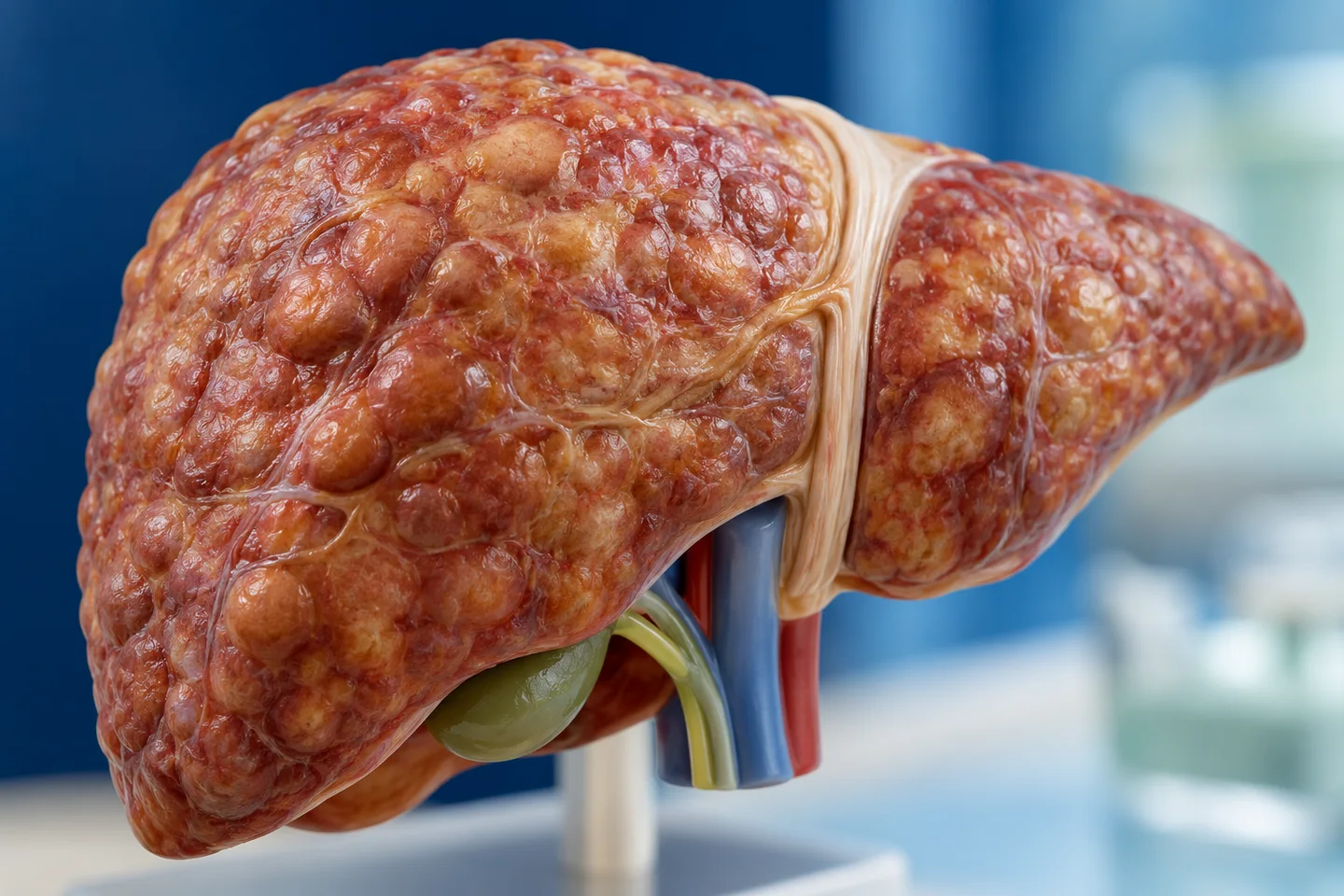
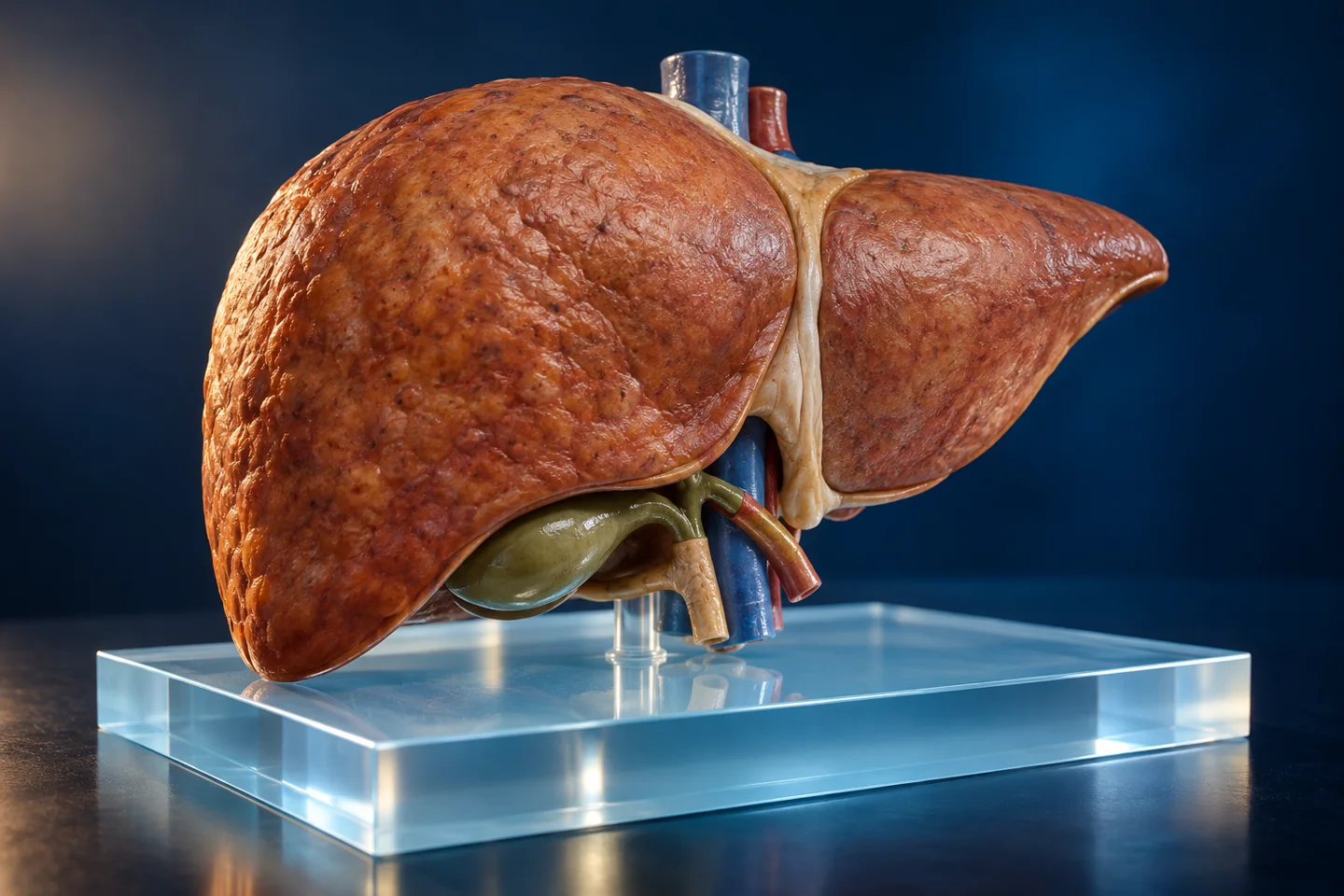
Liver cirrhosis is a serious complication of many liver diseases, characterized by the disruption of liver architecture and functions. Diseases that lead to liver cirrhosis cause the death of liver cells (hepatocytes), resulting in inflammation and the initiation of repair processes—excessive growth of fibrous (scar) tissue. In an attempt to replace the missing (dead) cells, the remaining undamaged liver cells multiply and form clusters of new cells (regenerative nodules) within the scar tissue. As the number of nodules increases, the liver gradually loses its functional capacity, meaning its ability to fight infections, remove bacteria and toxins from the blood (detoxification), process nutrients, hormones, and medications, produce proteins that regulate blood clotting, and generate bile to aid in the absorption of fats, including cholesterol and fat-soluble vitamins, is impaired. This allows harmful substances and toxins to be transported through the bloodstream to every system of organs and tissues. The most dangerous effect is the toxic impact on the central and peripheral nervous systems. Cirrhosis can affect a person both physically and mentally, which can be hard for them and for the people close to them.
04
Why acting early can make a difference
Cirrhosis means long-standing scarring of the liver. It often begins quietly: in the compensated stage, the liver still copes and many people feel well. Later, in the decompensated stage, signs such as fluid in the tummy or yellowing of the skin can appear, and inflammation throughout the body helps drive that change.1
Today’s liver cirrhosis treatment does a lot of good. It centres on treating the cause and on preventing or treating complications, with a transplant assessment when the liver is very weak.1 Treating the cause can help the liver recover: after five years of antiviral medicine for hepatitis B, 71 of 96 people who had cirrhosis no longer had it on a liver biopsy.6 Stopping alcohol, caring for weight and diabetes, and regular check-ups protect your liver too.
This is where timing helps. The more working liver you still have, the more there is to protect. In research models of advanced cirrhosis, umbilical cord stem cells given early, once a week for three weeks, worked best, with less fluid build-up and better liver function.11 Starting while your liver still copes gives any treatment, ours included, a better place to begin.
05
How Wharton’s jelly stem cells and exosomes work in liver cirrhosis
In cirrhosis, long-lasting inflammation keeps the liver’s scar-making cells (stellate cells) busy, and scar tissue slowly replaces working liver tissue. Fresh Wharton’s jelly stem cells and their exosomes, tiny messages that carry proteins and RNA between cells, are given by IV drip and by injection around the belly button. They aim to calm that inflammation, quieten the scar-making cells and support the liver cells that still do the work.
How Wharton’s jelly stem cells and exosomes aim to support a scarred liver
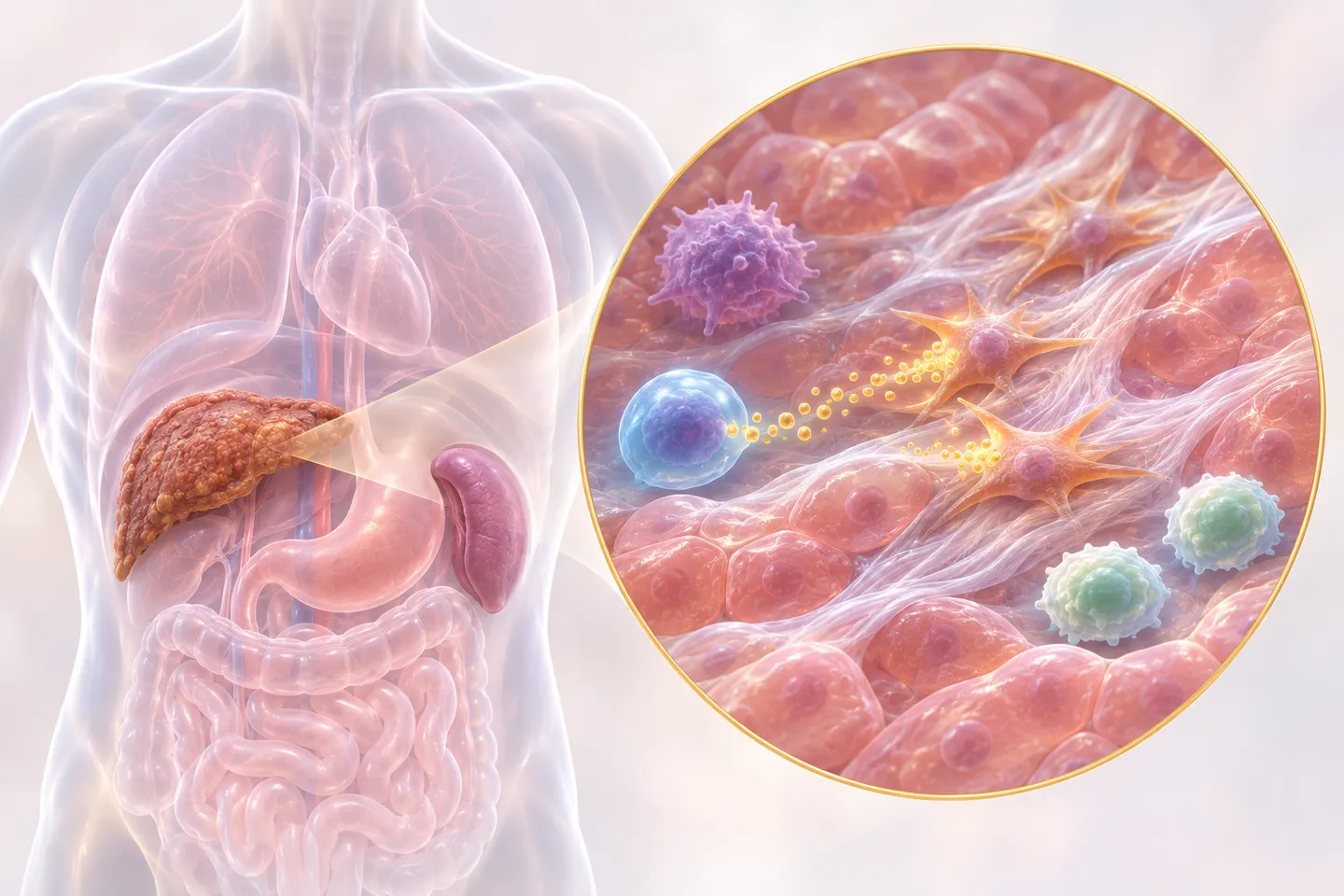
- Scarred liver (cirrhosis)A liver with many bands of scar. It becomes smaller, firmer and bumpy, and works less well.
- SpleenThe organ beside the stomach. It often swells in cirrhosis because blood backs up from the scarred liver.
- Liver cells (hepatocytes)The working cells of the liver. They clean the blood, make proteins and store energy.
- Scar tissue (fibrosis)Tough bands that wall off groups of liver cells and slow the blood flow through the liver.
- Scar-forming cells (stellate cells)Cells that switch on when the liver is injured and lay down the scar. Calming them is a main aim of research.
- Wharton’s jelly stem cellA fresh donor stem cell from umbilical cord tissue. It works mainly through calming and repair signals, shown mostly in research models.
- ExosomesTiny messages released by stem cells, carrying signals that calm inflammation and support repair.
- Calmer immune cellsLess inflammation, which is a main aim of treatment.
Read the science: how the treatment aims to support a scarred liver
Each effect below says whether it was seen in people or in research models. Read more about our stem cells and our exosomes.
Calming liver inflammation
Seen in people. In 103 people with hepatitis B-related decompensated cirrhosis, those given two IV infusions of umbilical cord stem cells had falling levels of the inflammation signals IL-6 and TNF-α and a rise in the calming signal IL-10 at 2 and 4 weeks. They also had more regulatory T cells, the immune system’s peacekeepers, than matched patients on standard care alone.9
Quietening the scar-making cells
Seen in research models. In research models of liver scarring, Wharton’s jelly stem cells reduced scar tissue (collagen) and TGF-β1, a main signal that switches on scar-making cells, and raised hepatocyte growth factor, a signal that protects liver cells. Liver inflammation calmed, and the cells did not become liver cells: they worked through the signals they released.2
Exosomes: tiny messages to your liver
Seen in research models. Exosomes from umbilical cord stem cells softened scarred livers, reduced inflammation and collagen and protected liver cells.12 In the laboratory, tiny vesicles from Wharton’s jelly stem cells turned clean-up cells (macrophages) into calming helpers, and these quietened the cells that make scar tissue.10
Clean-up cells switched to healing mode
Seen in research models. In advanced cirrhosis, umbilical cord stem cells given by IV once a week for three weeks switched liver macrophages from an inflammatory type to a healing type, with less fluid build-up (ascites) and better liver function.11
Better liver blood tests in people
Seen in people. In a randomised trial of 219 people, three IV drips of donor umbilical cord stem cells alongside standard care improved albumin and clotting activity over 48 weeks.3 Across 11 randomised trials, stem cells raised albumin and lowered MELD scores, with no severe side effects reported.5
06
How is our stem cell therapy transplant for liver cirrhosis performed in Istanbul?
At Istanbul StemCell Clinic, we deliver advanced stem cell therapy for liver cirrhosis with the highest level of precision and expertise. Our team of specialized medical professionals, trained in both the United States and Turkey, ensures a safe and effective treatment experience tailored to each patient's unique needs.
Read the full section
The procedure begins with a thorough evaluation by our experts to fully understand the patient’s medical history and current health status. This includes comprehensive diagnostic tests such as liver function analysis, blood work, and other relevant assessments. These evaluations allow us to develop a personalized treatment plan that supports your liver alongside the treatment of its cause by your liver specialist.
Our therapy uses donor (allogeneic) Wharton’s jelly mesenchymal stem cells, given by IV drip and by injection around the belly button, which in studies calm inflammation and release signals that support the repair of damaged tissue. Performed in a state-of-the-art facility, the procedure prioritizes patient safety and comfort, and it works alongside the care of your liver specialist, never instead of it.
Discover how our innovative stem cell therapy can provide a new path to liver health. Contact us today to schedule your consultation and begin your journey toward recovery.
07
Why Wharton’s jelly stem cells and exosomes lead our liver cirrhosis treatment
Wharton’s jelly is the soft tissue inside the umbilical cord. Its stem cells come from cords donated after healthy births, so nothing is taken from your body and no donor matching is needed. They are prepared fresh for your treatment date in a Ministry of Health-approved GMP laboratory, with the cell count and viability certified (see what our lab report shows). Your plan can also include umbilical cord stem cells, the cell type used in the main liver trials, and extra Wharton’s jelly exosomes.
Compare Wharton’s jelly stem cells with your own cells
| Fresh Wharton’s jelly stem cells (our cells) | Stem cells from your own bone marrow or fat | |
|---|---|---|
| Age of the cells | Newborn tissue, from cords donated after healthy births | As old as you are |
| A procedure for you | None | A bone marrow draw or liposuction first |
| Ready for treatment | Prepared fresh for your date, usually within 5 to 10 days | After a harvest, often with laboratory growth |
| Growth | Multiplied faster in a side-by-side laboratory comparison of 18 donors each13 | Bone marrow cells grew more slowly in the same comparison13 |
08
Stem cell therapy for liver cirrhosis: what the studies show
Human research is growing, mostly in hepatitis B-related cirrhosis, and each study used its own cells and route. The highlights:
- Umbilical cord stem cells, randomised trial: in 219 people with hepatitis B-related decompensated cirrhosis, all taking the antiviral entecavir, three IV drips of donor umbilical cord stem cells (about 0.5 million cells per kg, four weeks apart) alongside standard care improved albumin and clotting activity more than standard care alone over 48 weeks, and cholinesterase and bilirubin improved too. From month 13 to month 75 of follow-up, overall survival was significantly higher in the stem cell group. Seven people had a short fever that settled within 12 hours.3
- Umbilical cord stem cells, ascites: in a controlled study of 45 people with decompensated cirrhosis, umbilical cord stem cells reduced fluid in the tummy (ascites) more than a saline drip, and raised albumin and lowered bilirubin and the MELD-Na score over a year, with no significant side effects.4
- Umbilical cord stem cells, liver scores: in 103 people, MELD and Child-Pugh scores (measures of how well the liver copes) improved more with two IV infusions of umbilical cord stem cells than with standard care alone, from week 4 to week 36.9
- 11 randomised trials: stem cell infusions (umbilical cord cells in 4 trials, bone marrow cells in the rest, a different cell type from ours) lowered the MELD score by 1.12 points and raised albumin compared with control groups, and no trial reported severe side effects.5
Across 62 randomised trials in about 20 conditions, with 3,546 patients, stem cell treatment was safe; the most common effect was a passing fever.14
The studies in detail, with all 5 in one table
| Study | Design | n | Cells and route | Result with exact numbers |
|---|---|---|---|---|
| Shi 2021, Hepatol Int3 | Randomised, open-label; liver tests over 48 weeks, survival over up to 75 months; hepatitis B-related decompensated cirrhosis, all on entecavir | 219 (108 vs 111) | Donor umbilical cord MSCs, about 0.5 million per kg by IV, three times 4 weeks apart, plus standard care | Albumin and prothrombin activity better than with standard care alone; cholinesterase and bilirubin improved; overall survival significantly higher from month 13 to month 75; 7 short fevers, no significant side effects |
| Zhang 2012, J Gastroenterol Hepatol4 | Controlled study with a saline control, 1 year; hepatitis B-related decompensated cirrhosis | 45 (30 vs 15) | Donor umbilical cord MSCs by IV | Ascites volume reduced compared with control; albumin up, bilirubin down and MELD-Na score down; no significant side effects in either group |
| Fang 2018, J Gastroenterol Hepatol9 | Controlled study with matched patients on standard care; hepatitis B-related decompensated cirrhosis | 103 (50 vs 53) | Donor umbilical cord MSCs by IV, two infusions, plus standard care | IL-6 and TNF-α down and IL-10 up at 2 and 4 weeks; more regulatory T cells; MELD and Child-Pugh scores improved more than with standard care from week 4 to week 36 |
| Lu 2023, Stem Cell Res Ther5 | Meta-analysis of 11 randomised trials | 11 trials | MSCs from umbilical cord (4 trials) or bone marrow (7 trials), by vein or other routes | MELD score 1.12 points lower than control (6 trials); albumin higher at 2 weeks, 1, 3 and 6 months; no severe adverse effects in any trial |
| Sang 2018, Clin Res Hepatol Gastroenterol15 | Meta-analysis of 14 trials in China | 717 | Umbilical cord MSCs plus standard supportive care | Bilirubin, ALT and prothrombin time down; albumin, cholinesterase and prothrombin activity up; scarring markers in the blood lower; less fatigue and better appetite at 4 weeks, and better quality of life; no adverse events observed |
09
Who can have stem cell therapy for liver cirrhosis?
We treat liver cirrhosis and advanced liver scarring (fibrosis), both compensated and decompensated, with no fixed age limit. Dr. Cihan Bolat decides with you from your blood tests, scan reports and your liver specialist’s letters, plans the routes and timing for you, and tells you honestly if treatment is not right for you. Your liver specialist (hepatologist) stays in charge of your care, and our treatment works alongside your medicines, antivirals and any transplant assessment, never instead. Vomiting blood, black stools, new confusion or drowsiness, yellowing that gets worse, or a swollen tummy with fever need emergency care first. For fatty liver and liver failure, see fatty liver and liver failure; for liver damage from a virus, see hepatitis B and C.
Often suitable
- Compensated cirrhosis, or advanced scarring (fibrosis) on a scan, FibroScan or biopsy
- Cirrhosis after hepatitis B or C, alcohol or fatty liver, with the cause treated or under control
- Albumin or other liver blood tests that stay low despite good care
- The wish to support your liver alongside your medicines and check-ups
Considered case by case
- Decompensated cirrhosis that is stable on treatment, for example fluid controlled with tablets
- Being assessed for a liver transplant, or on the waiting list, alongside your transplant team
- Alcohol-related cirrhosis: stopping alcohol is the most helpful step for any liver treatment
- Low platelets, clotting problems, kidney problems or diabetes
- Autoimmune or bile duct liver disease, such as autoimmune hepatitis or PBC
Not suitable for now
- Vomiting blood, black stools, new confusion or drowsiness, worsening yellowing, or a swollen tummy with fever: please get emergency care first
- Liver cancer or another active cancer
- An active infection
- Pregnancy
10
Expert stem cell treatment under the leadership of Uzm. Dr. Cihan Bolat, MD
Our advanced stem cell treatments are guided by Uzm. Dr. Cihan Bolat, MD, Specialist in Anesthesiology & Reanimation and Regenerative Medicine. Uzm. Dr. Cihan Bolat, MD is committed to delivering safe, effective, and personalized care. His dedication to advancing regenerative medicine ensures that each patient receives the most advanced and tailored treatment available.
Read the full section
Trust in our expertise and experience. Contact us today to learn how stem cell therapy can transform your health.
11
How does our stem cell therapy treatment for liver cirrhosis work?
All our stem cell treatments in Istanbul are evaluated and administered by specialists who are experts in their respective fields and trained in both the United States and Turkey, not by general doctors or specialists. We do this to ensure the highest level of precision, understanding of the condition, and treatment quality for you. We are 100% transparent and honest with you. Not everyone qualifies for our stem cell treatments. Many patients are rejected after our specialist has reviewed their current health status and medical history and determined that the treatment is not suitable. We do this to prevent false promises or expectations when the risks outweigh the benefits. For this reason, and to ensure patient safety in all our treatments, each patient is assessed by the specialist before you can schedule your treatment.
Step 1. Assessment by the Specialist For patients with liver cirrhosis, our specialist will evaluate your age and previous medical treatments. Additionally, the specialist will need to review specific medical tests, including liver function tests and other relevant examinations.
Step 2. Free Phone Consultation with the Specialist After the specialist has reviewed your medical records and approved your case, we will present treatment options and pricing. At that time, we also offer a free phone consultation to discuss your questions and concerns.
Step 3. Preparation of Stem Cells Once you decide to undergo our treatment, we will send a deposit invoice to start the stem cell preparation process. This ensures that the stem cells are ready for your scheduled treatment. The duration of this process may vary depending on current demand and availability but can take 5-10 days.
Step 4. Treatment Day On the day of the treatment, you can choose to come to our hospital location or take advantage of our free transportation to and from our clinic in Istanbul. Our driver will pick you up at your desired location and escort you to our clinic, where the specialist will administer the treatment, and then safely return you home.
Step 5. Follow-Up Treatment Our follow-up treatment specialist will contact you according to our follow-up schedule to ensure that you have all the necessary resources for maximum benefits. Your well-being and satisfaction are our top priorities.
12
What our patients say
Professional and friendly!
After extensive research and much hesitation, I decided to undergo my stem cell treatment with Istanbul Stem Cell. From the moment I contacted them, I felt fully supported and reassured by their professional and friendly team. The treatment itself proceeded smoothly and was virtually painless. What really stood out to me was the care and dedication of the medical staff to ensure that everything went according to plan. The result? I couldn’t be happier! My health has significantly improved, and I am grateful to Istanbul Stem Cell for this life-changing experience. I would recommend them without hesitation to anyone considering stem cell therapy.
Simply amazing!
My experience with Istanbul Stem Cell was simply astounding. From the very first contact, they were extremely professional and helpful. I was initially a bit skeptical about stem cell therapy, but their team patiently and convincingly answered all my questions and concerns. The treatment itself was carefully and expertly performed, and I felt in good hands. After the treatment, I quickly began to notice improvements in my health, and I can joyfully say that my life has been significantly changed thanks to Istanbul Stem Cell. I cannot thank them enough and would highly recommend their services to anyone seeking high-quality stem cell therapy.
13
Liver cirrhosis stem cell therapy cost in Turkey
Stem cell therapy for liver cirrhosis is given by IV drip, so it follows our price list, effective 1 June 2026, in US dollars (M = million stem cells), with free Wharton’s jelly exosomes from 50M and hotel nights from 100M. A typical IV range is 1–2 million cells per kilogram of body weight, and the right dose for you is set in your free medical review. You receive a fixed, all-inclusive price in writing before you book. See our stem cell therapy cost guide.
| Cell count | USD price | Free exosomes | Free hotel |
|---|---|---|---|
| 25M | $4,950 | No | No |
| 50M | $6,950 | 10 billion exosomes | No |
| 75M | $8,950 | 10 billion exosomes | No |
| 100M | $10,500 | 20 billion exosomes | 2 nights |
| 125M | $11,850 | 20 billion exosomes | 2 nights |
| 150M | $13,550 | 30 billion exosomes | 2 nights |
| 175M | $15,000 | 30 billion exosomes | 2 nights |
| 200M | $16,500 | 30 billion exosomes | 3 nights |
| 225M | $18,000 | 30 billion exosomes | 3 nights |
| 250M | $19,500 | 30 billion exosomes | 3 nights |
What is included, and what is optional
Included
- Free review of your blood tests, scan reports and letters, and a phone consultation
- Your IV infusion and injections around the belly button, with exosomes by IV, as set out in your plan
- Fresh Wharton’s jelly stem cells, count and viability certified
- Free Wharton’s jelly exosomes from 50M, as listed
- Treatment by Uzm. Dr. Cihan Bolat’s specialist team
- Ground transport, a case manager and interpreter help
- Hotel nights as listed, in 5-star hotels
- Follow-up by phone or WhatsApp
Not included / optional
- Flights and extra hotel nights
- Extra exosomes, priced in your plan
- Add-ons such as Muse cells, Muse exosomes or CD34+ exosomes
- A repeat treatment, if you choose one
14
Read our full guides
Would you like the whole story? These guides go deeper.
Exosome treatments explained
What exosomes are, how they carry repair signals and how each exosome treatment is given.
Read the guide GuideWhat a stem cell lab report shows
Cell count, viability and sterility: how to read the certificate for your batch of cells.
Read the guide GuideStem cell therapy cost in Turkey
The full 2026 price list, what is included and how your fixed price is set.
Read the guide15
Frequently asked questions
What is the usual liver cirrhosis treatment, and where do stem cells fit?
Liver cirrhosis treatment starts with the cause: antiviral medicines for hepatitis B or C, stopping alcohol, and care for weight, diabetes and cholesterol in fatty liver. Your liver specialist also prevents and treats complications, such as fluid build-up or swollen veins in the food pipe (varices), and arranges a transplant assessment when the liver is very weak. Stem cell therapy works alongside this care, never instead, and aims to calm liver inflammation and support your liver cells.
Can stem cell therapy help a liver with cirrhosis?
It may. In people, studies measured liver blood tests and scores: donor umbilical cord stem cells improved albumin and clotting activity over 48 weeks in a randomised trial of 219 people, and across 11 randomised trials the MELD score was 1.12 points lower than in control groups. In research models, Wharton’s jelly stem cells reduced scar tissue. Dr. Cihan Bolat tells you honestly what is realistic for you.
Do I stop my medicines, antivirals or my transplant assessment?
No. Keep every medicine, antiviral, check-up and scan your liver specialist has planned, and keep going with any transplant assessment. Your liver specialist stays in charge; stem cell therapy works alongside their care, never instead, and Dr. Cihan Bolat plans your treatment around it.
Is it for compensated or decompensated cirrhosis?
Both can be considered. Compensated cirrhosis, when the liver still copes, leaves more working liver to protect. The main human studies were in decompensated cirrhosis, with stem cells given alongside standard care. Dr. Cihan Bolat looks at your blood tests, scans and letters and tells you honestly whether treatment suits you.
Is stem cell therapy for liver cirrhosis safe?
Across 62 randomised trials with 3,546 patients, stem cell treatment was safe, and the most common effect was a passing fever. In the largest liver trial, seven people had a short fever that settled within 12 hours. Your treatment is given by IV drip and by injection around the belly button, by Dr. Cihan Bolat’s specialist team, and you walk out the same day.
How long do I need to stay in Istanbul?
Your plan sets the dates. Your cells are prepared fresh for your treatment date, usually within 5 to 10 days of booking. You walk out the same day, and your case manager helps you choose dates that suit you.
What is stem cell therapy, and how does it differ from conventional treatments for certain conditions?
Stem cell therapy is a medical treatment that uses stem cells, and the signals they release, to calm inflammation and support the healing of damaged tissue. It works alongside conventional treatments, such as medicines, treatment of the cause of the liver disease and, where needed, a transplant assessment, never instead of them, and it aims at the inflammation and scarring behind your symptoms, not only the symptoms themselves.
Which types of stem cells are used to treat liver cirrhosis, and why are they suitable for this condition?
Mesenchymal stem cells from donated umbilical cords, such as the Wharton’s jelly stem cells we use, are often chosen because of their anti-inflammatory properties and the repair signals they release, including exosomes. In research models, they work mainly through these signals rather than by becoming liver cells, which is why they are studied in liver cirrhosis.
How does stem cell transplantation for liver cirrhosis work, and what can patients expect during treatment?
Stem cell therapy for liver cirrhosis is given by IV drip, a slow infusion into a vein in your arm, and by injections around the belly button (periumbilical), with exosomes by IV where your plan includes them. The drip needs only a small needle, any discomfort is usually mild and short-lived, and you walk out the same day.
What are the costs and coverage options for stem cell therapy for liver cirrhosis, and are financing options available?
Treatment prices may vary depending on the patient's individual needs, such as special accommodation or stay requirements, and the number of stem cells in your plan. IV packages start at USD 4,950, and after your free medical review you receive a fixed, all-inclusive price in writing. Our prices include: ground transportation to and from our clinic; treatment by a certified specialist in this field; certified allogeneic stem cells with 97% viability, prepared fresh for your treatment date; a personal case manager; and aftercare. Treatment is self-paid, so please ask your insurer about any cover; the deposit is 10% to 25% of your plan, payable by any major credit or debit card, with instalments where available.
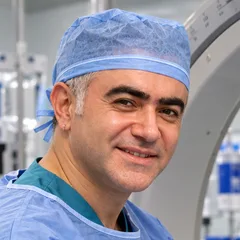
Medical review
Uzm. Dr. Cihan Bolat
Medical Director, Istanbul Stemcell
This page was written from the published studies listed below and reviewed for medical accuracy on .
16
References
All 15 published studies, with PubMed links
- Ginès P, et al. Liver cirrhosis. Lancet. 2021;398(10308):1359-1376. PMID 34543610
- Tsai PC, et al. The therapeutic potential of human umbilical mesenchymal stem cells from Wharton's jelly in the treatment of rat liver fibrosis. Liver Transpl. 2009;15(5):484-95. PMID 19399744
- Shi M, et al. Mesenchymal stem cell therapy in decompensated liver cirrhosis: a long-term follow-up analysis of the randomized controlled clinical trial. Hepatol Int. 2021;15(6):1431-1441. PMID 34843069
- Zhang Z, et al. Human umbilical cord mesenchymal stem cells improve liver function and ascites in decompensated liver cirrhosis patients. J Gastroenterol Hepatol. 2012;27 Suppl 2:112-20. PMID 22320928
- Lu W, et al. Efficacy and safety of mesenchymal stem cell therapy in liver cirrhosis: a systematic review and meta-analysis. Stem Cell Res Ther. 2023;14(1):301. PMID 37864199
- Marcellin P, et al. Regression of cirrhosis during treatment with tenofovir disoproxil fumarate for chronic hepatitis B: a 5-year open-label follow-up study. Lancet. 2013;381(9865):468-75. PMID 23234725
- Kumar M, et al. Prevalence of and Factors Associated with Sleep-Wake Abnormalities in Patients with Cirrhosis. J Clin Exp Hepatol. 2021;11(4):453-465. PMID 34276152
- . The global, regional, and national burden of cirrhosis by cause in 195 countries and territories, 1990-2017: a systematic analysis for the Global Burden of Disease Study 2017. Lancet Gastroenterol Hepatol. 2020;5(3):245-266. PMID 31981519
- Fang X, et al. A study about immunomodulatory effect and efficacy and prognosis of human umbilical cord mesenchymal stem cells in patients with chronic hepatitis B-induced decompensated liver cirrhosis. J Gastroenterol Hepatol. 2018;33(4):774-780. PMID 29293276
- Torabi S, et al. Wharton's Jelly mesenchymal stem cell-derived extracellular vesicles induce liver fibrosis-resolving phenotype in alternatively activated macrophages. J Cell Mol Med. 2024;28(18):e18507. PMID 39288445
- Yao Y, et al. PPARγ-dependent hepatic macrophage switching acts as a central hub for hUCMSC-mediated alleviation of decompensated liver cirrhosis in rats. Stem Cell Res Ther. 2023;14(1):184. PMID 37501214
- Li T, et al. Exosomes derived from human umbilical cord mesenchymal stem cells alleviate liver fibrosis. Stem Cells Dev. 2013;22(6):845-54. PMID 23002959
- Batsali AK, et al. Differential expression of cell cycle and WNT pathway-related genes accounts for differences in the growth and differentiation potential of Wharton's jelly and bone marrow-derived mesenchymal stem cells. Stem Cell Res Ther. 2017;8(1):102. PMID 28446235
- Wang Y, Yi H, Song Y. The safety of MSC therapy over the past 15 years: a meta-analysis. Stem Cell Res Ther. 2021;12(1):545. PMID 34663461
- Sang W, et al. Therapeutic efficacy and safety of umbilical cord mesenchymal stem cell transplantation for liver cirrhosis in Chinese population: A meta-analysis. Clin Res Hepatol Gastroenterol. 2018;42(3):193-204. PMID 29223366