01
Exosome Therapy: Cutting-Edge Regenerative Medicine at Istanbul Stem Cell
Regenerative medicine is transforming healthcare by utilizing the body's innate ability to heal itself. At Istanbul Stem Cell (www.istanbulstemcell.com), we are at the forefront of this revolution with advanced treatments like exosome therapy.
What Are Exosomes?
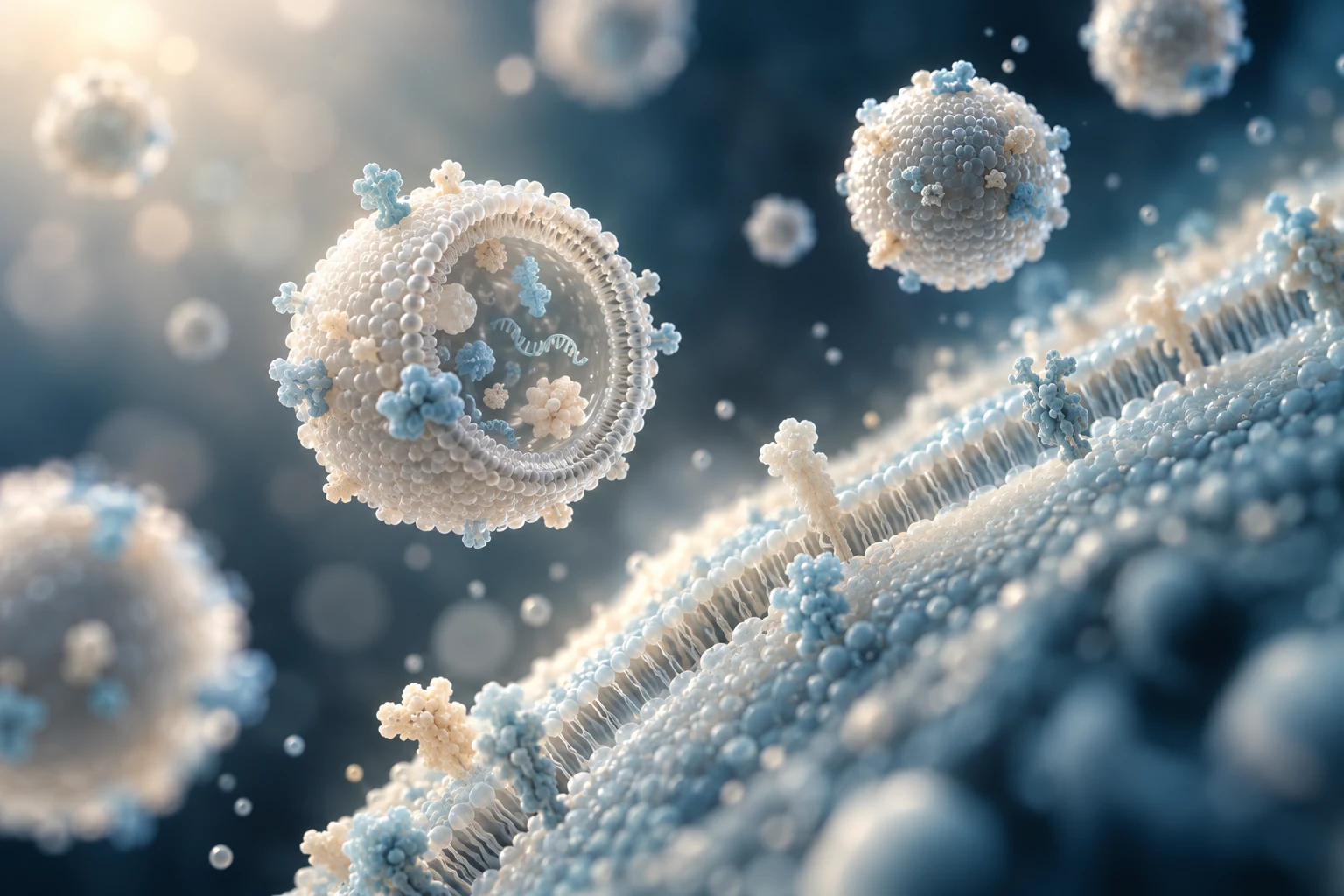
Exosomes are microscopic vesicles released by cells that serve as messengers, transporting essential proteins, lipids, and genetic material between cells. They play a pivotal role in cell-to-cell communication, promoting tissue repair and regeneration.
How Does Exosome Therapy Work?
Exosome therapy involves introducing these powerful vesicles into the body to stimulate natural healing processes. By administering exosomes, we aim to:
Enhance Cellular Communication: Improve interactions between cells to support recovery.
Reduce Inflammation: Alleviate inflammatory responses that may impede healing.
Promote Tissue Regeneration: Accelerate the repair of damaged tissues.
Exosome Therapy vs. Stem Cell Therapy
While both therapies are integral to regenerative medicine, they have distinct differences:
Source: Stem cell therapy uses living stem cells; exosome therapy at Istanbul Stemcell utilizes exosomes derived from Wharton’s jelly-derived mesenchymal stem cells.
Safety: Exosomes are cell-free, minimizing the risk of immune reactions.
Efficiency: Exosomes can act more rapidly by directly influencing cellular functions.
Benefits of Exosome Therapy
Accelerated Healing: Potentially faster recovery from injuries and degenerative conditions.
Low Risk: Minimal chances of rejection or adverse side effects.
Versatility: Applicable to a wide range of musculoskeletal and degenerative issues.
Natural Approach: Leverages the body's own healing mechanisms for optimal outcomes.
Why Choose Istanbul Stem Cell?
Under the leadership of Uzm. Dr. Cihan Bolat, MD, Specialist in Anesthesiology & Reanimation and Regenerative Medicine, our dedicated team at Istanbul Stem Cell provides personalized treatments using the latest advancements in exosome therapy. We are committed to ensuring a safe, comfortable experience focused on achieving the best possible results for each patient.
Contact Us Today
Ready to discover the potential benefits of exosome therapy? Contact us at www.istanbulstemcell.com to take the first step toward enhanced healing and well-being.
02
What is exosome therapy?
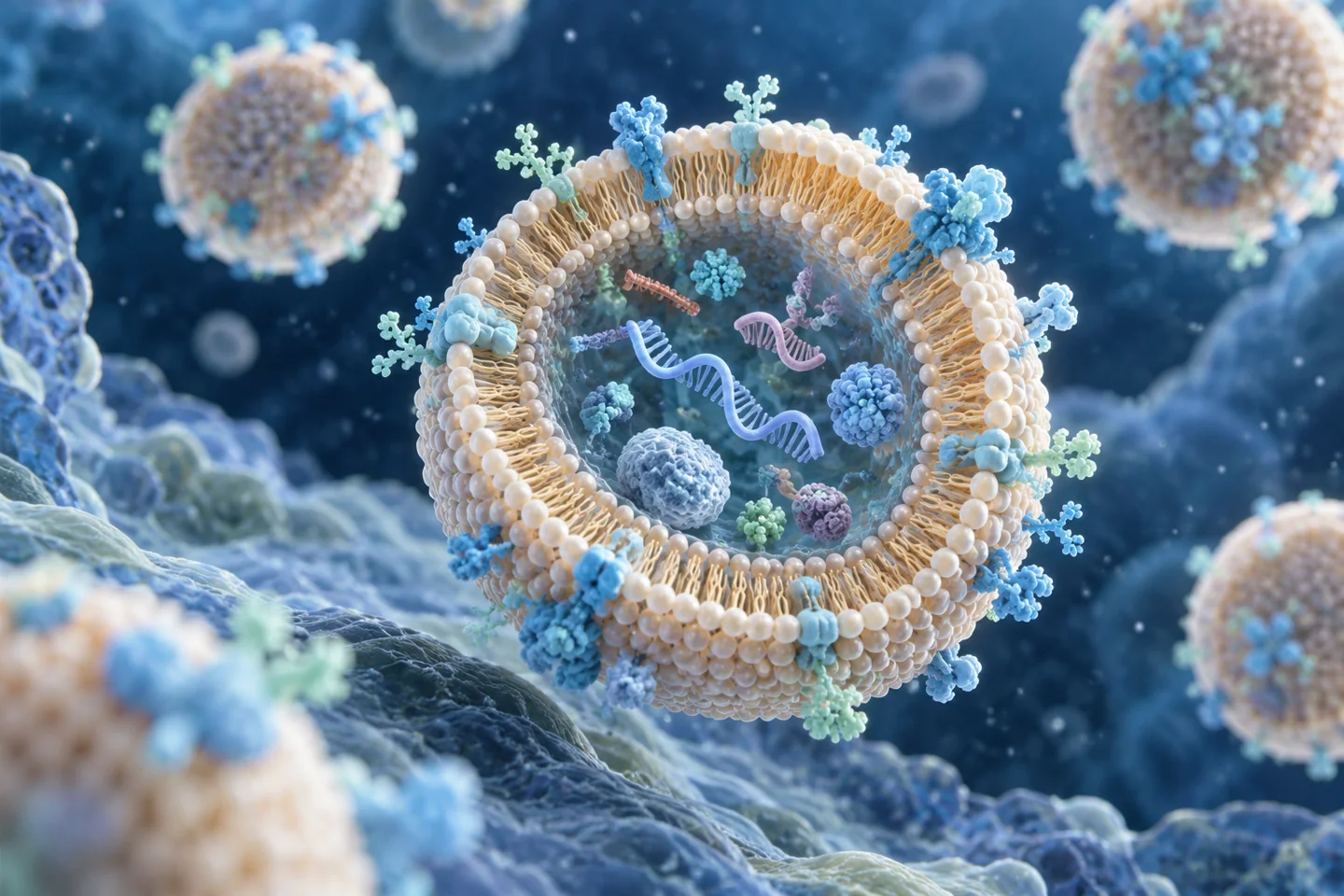
Exosomes are the tiny messengers your cells use to talk to each other. Each one is a bubble of cell membrane about a ten-thousandth of a millimetre across, part of a larger family that scientists call extracellular vesicles.1 Exosomes form inside the cell, in compartments called endosomes, where they are filled with their cargo before being released into the surrounding tissue and the bloodstream.16 Exosome therapy gives you these messengers, prepared from stem cells, so that your own cells receive their healing instructions.
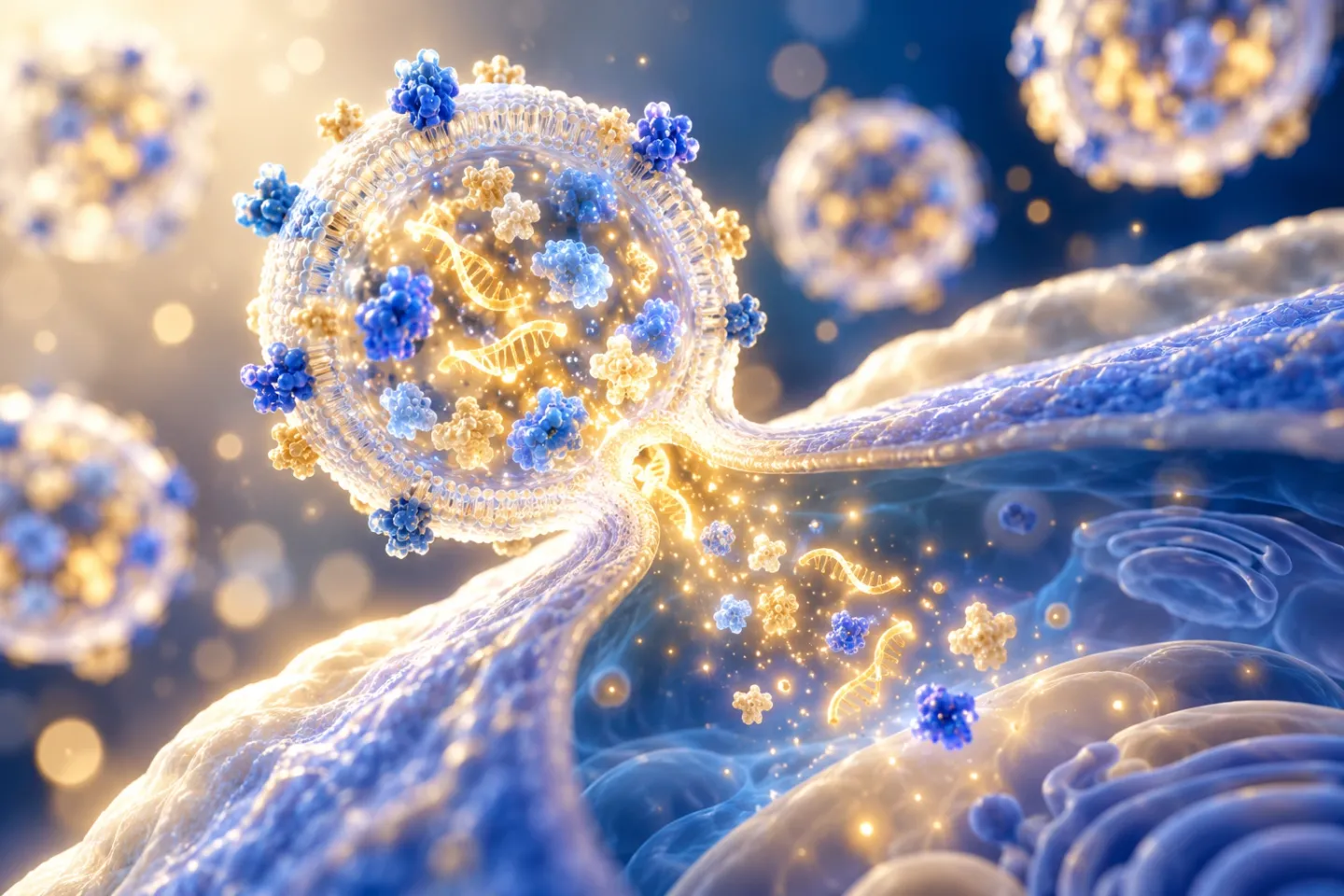
That cargo is what makes exosomes so valuable. Exosomes from mesenchymal stem cells (MSCs) carry growth factors and signalling proteins, lipids, messenger RNA and microRNA, the small RNA molecules that fine-tune which genes a cell switches on.7 When your cells take them up, they respond in several ways:
- Immune balance. In laboratory studies, MSC exosomes raised the calming messengers IL-10 and TGF-β, lowered inflammatory signals and encouraged regulatory T cells, the immune system’s peacekeepers.8 In patients with severe lung inflammation, umbilical cord MSC exosomes lowered the inflammation markers TNF-α and CRP.9
- Blood vessels. Exosomes from CD34+ stem cells stimulated new small blood vessels and improved blood flow in research models.1011
- Repair cells. In laboratory studies, MSC exosomes passed RNA instructions to damaged kidney cells, which then multiplied more.12
- Homing. Given through the nose in research models, MSC exosomes travelled to inflamed areas of the brain and stayed there for up to 96 hours.13
Why mesenchymal stem cell exosomes? MSCs are known for the healing signals they release to the cells around them,1415 and their exosomes carry much of this effect without any donor cells being given.7 Our exosomes come from fresh Wharton’s jelly MSCs, together with CD34+ exosomes, prepared for your treatment date in a Ministry of Health-approved GMP laboratory and given by the route, or combination of routes, that suits your goals, from IV infusion and nasal spray to fine injections into muscles, joints, the spinal fluid and the skin.
How exosome therapy works
- Made by stem cellsExosomes form inside the cell’s endosomes and are released carrying its signals.1
- Packed with messagesGrowth factors, proteins, lipids, messenger RNA and microRNA.7
- Drawn to injuryIn research models, exosomes gathered where tissue was inflamed or injured.1316
- Your cells respondCalmer inflammation, new small blood vessels and more active repair cells.81012
03
Our exosomes: fresh Wharton’s jelly MSC exosomes and CD34+ exosomes
Exosomes are tiny vesicles, about 100 nanometres across, that cells release to pass messages to one another. Each exosome carries proteins, lipids and genetic messages such as microRNAs from the cell that made it.1 Much of the repair work of mesenchymal stem cells (MSCs) is done by what they release: signals that calm the immune system, limit scarring, support new blood vessels and wake up the body’s own repair cells.1417 Stem cell exosome therapy gives you these messengers directly, with no living cells inside. We use two kinds.
Our Wharton’s jelly MSC exosomes come from mesenchymal stem cells of Wharton’s jelly, the soft tissue of umbilical cords donated after healthy births. In laboratory comparisons, these young cells grew faster than bone marrow MSCs and produced more of the signals that support new blood vessels and nerve cells,1819 and they calmed over-active immune cells.2021
Our CD34+ exosomes come from CD34+ cells, progenitor cells known for their role in forming new blood vessels. In research models, exosomes from human CD34+ cells carried this blood-vessel-building activity on their own, and in mice with poor circulation in a leg they improved blood flow and the number of small blood vessels.1011
Wharton’s jelly MSC exosomes have been studied in people too. In a randomised trial in 110 people with diabetic foot ulcers, wounds treated with these exosomes on the skin healed fully in 6 weeks on average, against 20 weeks in the control group.4
Wharton’s jelly MSC exosomes
The messengers of young umbilical cord stem cells. In research models, vesicles from Wharton’s jelly MSCs calmed the brain’s immune cells and helped the cells that build myelin, the insulating layer around nerve fibres, to mature,22 and in laboratory studies they protected nerve cells from damage caused by a lack of oxygen and glucose.23
CD34+ exosomes
Rich in microRNAs such as miR-126, which helps build new blood vessels. In research models, CD34+ exosomes passed this microRNA to the cells lining blood vessels and improved blood flow where circulation was poor.11
Prepared fresh for you
Both kinds are prepared for your treatment date in a Ministry of Health-approved GMP laboratory. Dr. Cihan Bolat decides which exosomes your plan includes, by which routes, and whether stem cells are added.
04
Types of exosomes used in exosome treatment
Not all exosomes are the same. In medicine, the exosomes used for treatment come from mesenchymal stem cells (MSCs), the body’s natural repair cells, and they carry the proteins and RNA messages of the cells they come from.1 They can be made from different sources:
- Umbilical cord tissue (Wharton’s jelly). Young, fast-growing MSCs from cords donated after healthy births, the source we use.
- Bone marrow, fat tissue or the placenta. Other MSC sources used in research and clinical studies.
- CD34+ cells. Cells known for their role in forming new small blood vessels, which also release exosomes.
Medical-grade exosomes are produced from cultured human cells in a licensed GMP laboratory and planned by a doctor. They are different from cosmetic products sold as “exosomes” for skin care, some of which are made from plants. At Istanbul Stemcell, your exosomes are fresh Wharton’s jelly MSC exosomes and CD34+ exosomes, prepared for your treatment date in a Ministry of Health-approved GMP laboratory in Turkey.
05
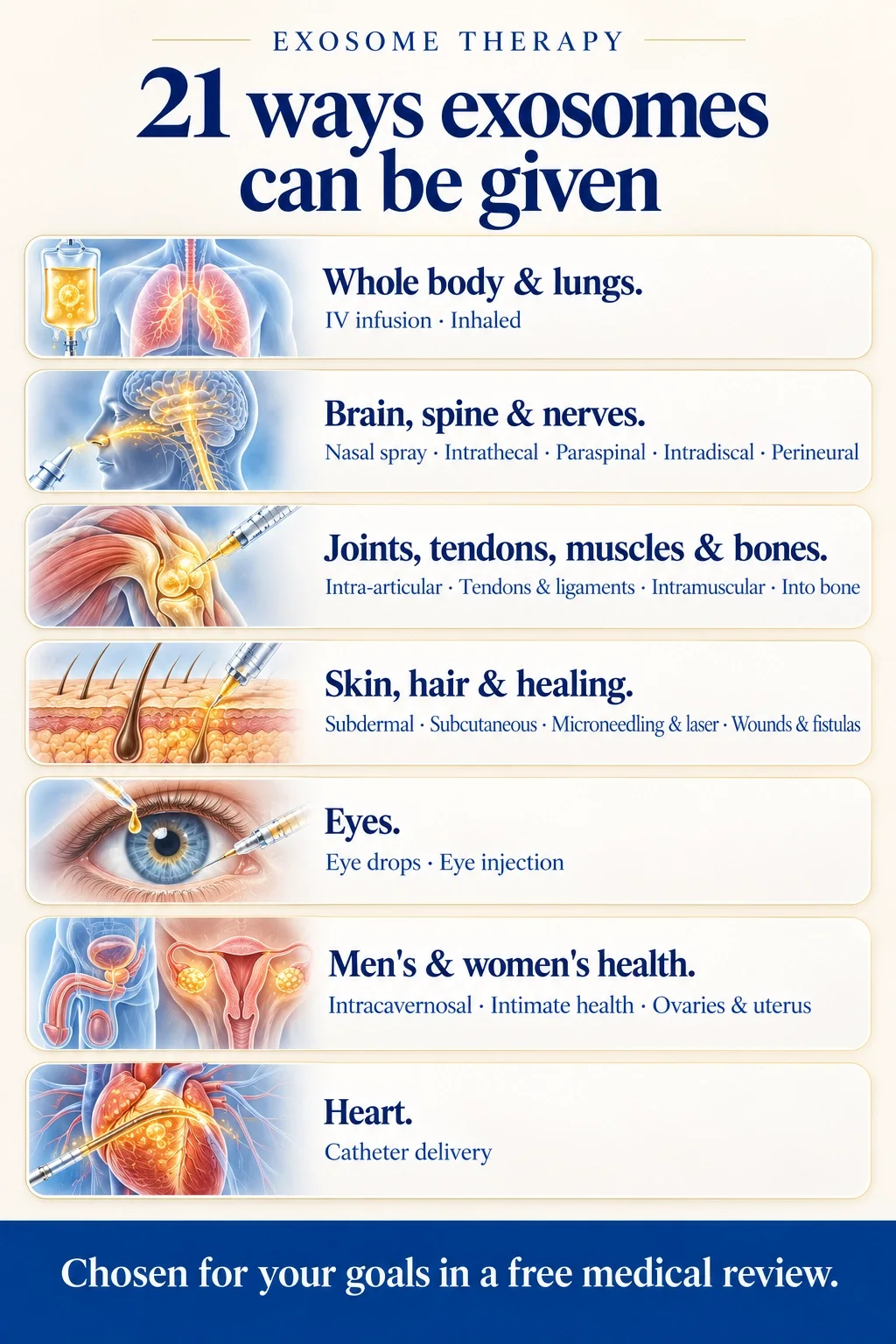
How exosome therapy is given: 21 routes, chosen for your goals
Exosomes are wonderfully versatile. The same tiny messengers can be given in 21 different ways, so their repair signals reach the place where your body needs them most. An IV infusion carries them through the bloodstream to the whole body, a nebuliser brings them deep into the lungs, a nasal spray uses the nose-to-brain pathway and eye drops reach the surface of the eye. Fine, precise injections place them in the spinal fluid, a spinal disc, beside the spine or around a nerve; in a joint, tendon, ligament, muscle or bone; in the scalp, the skin or a slow-healing wound; and in the erectile tissue, the intimate tissues, the ovaries or the uterus. A catheter can bring them straight to the heart. Many plans combine routes, for example an IV infusion for whole-body support with an injection into a painful knee. Dr. Cihan Bolat chooses the route, or a combination, for your goals in your free medical review.
Where exosome therapy can be given
- IV infusionInto a vein, through the whole body.
- InhaledInto the airways and lungs.
- Nasal sprayInto the nose, along the nose-to-brain pathway.
- IntrathecalInto the fluid around the spinal cord.
- ParaspinalBeside the spine.
- IntradiscalInto a spinal disc.
- PerineuralAround a nerve.
- Intra-articularInto a joint, such as the knee.
- Tendons and ligamentsInto or beside a tendon, ligament or bursa.
- IntramuscularInto a muscle, such as the shoulder.
- Into boneInto a bone or a fracture.
- SubdermalInto the scalp and the skin.
- SubcutaneousJust under the skin.
- Microneedling and laserOnto freshly treated skin or scalp.
- Wounds and fistulasOnto or into a wound, ulcer or fistula.
- Eye dropsOnto the surface of the eye.
- Eye injectionAround the eyeball, near the retina.
- IntracavernosalInto the erectile tissue.
- Women’s intimate healthThe vaginal wall, the vulva or around the urethra.
- Ovaries and uterusInto the ovaries or the uterus.
- Heart by catheterInto the arteries of the heart.
| Route | How it is given | Often chosen for |
|---|---|---|
| IV infusion | A slow drip while you relax | Whole-body goals, calming inflammation, healthy ageing |
| Inhaled | A fine mist you breathe in | COPD, lung scarring, asthma |
| Nasal spray | A few gentle sprays | Memory, brain injury recovery, autism |
| Intrathecal | A very fine needle in the lower back | Spinal cord and brain conditions |
| Paraspinal | Fine injections beside the spine | Back and neck pain, facet joint pain |
| Intradiscal | A precise, image-guided injection | Worn discs and disc-related back pain |
| Perineural | A fine injection around the nerve | Nerve pain, neuropathy, occipital neuralgia |
| Intra-articular | A precise injection into the joint | Knee, hip and shoulder arthritis, joint injuries |
| Tendons and ligaments | A precise injection at the injured spot | Tennis elbow, Achilles and shoulder pain, bursitis |
| Intramuscular | A small injection into a muscle | Muscle recovery, sports injuries |
| Into bone | A precise, image-guided injection | Slow-healing fractures, hip avascular necrosis |
| Subdermal | Tiny, shallow injections | Thinning hair, skin rejuvenation, scars |
| Subcutaneous | A fine injection under the skin | Slow-healing wounds, the scalp, soft tissue |
| Microneedling and laser | Applied straight after the session | Wrinkles, acne scars, skin quality |
| Wounds and fistulas | Applied, or injected at the wound | Diabetic foot ulcers, perianal fistulas |
| Eye drops | A few drops, like ordinary eye drops | Dry eye |
| Eye injection | A fine injection, usually after numbing drops | Retina and optic nerve conditions |
| Intracavernosal | A short, discreet injection with a very fine needle | Erectile dysfunction |
| Women’s intimate health | Fine injections after numbing | Dryness after menopause, bladder leaks, sexual wellness |
| Ovaries and uterus | A fine needle or a thin, soft tube | Low ovarian reserve, a thin endometrium |
| Heart by catheter | A thin catheter, as in an angiogram | Heart failure, ischaemic cardiomyopathy |
05.1
IV and inhaled exosome therapy for the whole body and the lungs
For whole-body goals and for the lungs, you simply sit back and relax while the exosomes do their work: they flow in through a slow IV drip, or you breathe them in as a fine mist.
IV infusion
In IV exosome therapy, also called an exosome infusion, the bloodstream carries the exosomes to every part of the body. In research models, vesicles given into a vein reached mainly the liver, spleen, gut and lungs,2 and human MSC vesicles gathered specifically in injured kidneys, the very place where repair was needed.16 In people, the route has shown real promise: in a double-blind, placebo-controlled trial in 30 hospitalised patients with COVID-19 and acute respiratory distress, a single IV dose of umbilical cord MSC exosomes was safe and significantly lowered the inflammation markers TNF-α and CRP.9 That makes IV the natural choice for whole-body goals such as calming inflammation, supporting healthy ageing and helping the body’s own repair, and a natural partner for the other routes.
Inhaled (nebulised) exosomes
Inhaled exosomes travel straight down the airways to the lungs, so they begin their work right where breathing happens. In research models, nebulised umbilical cord MSC vesicles gathered mainly in the lungs and eased lung scarring, raising survival from 20% to 80%;24 nebulised bone marrow MSC exosomes improved lung function in COPD and reduced inflammation, mucus and scar tissue in the airways;25 and in asthma, inhaled umbilical cord MSC vesicles calmed airway inflammation.26 In people, nebulised adipose MSC vesicles were well tolerated by all 24 healthy volunteers,27 and in seven patients with severe COVID-19, lung lesions resolved to varying degrees on CT scans in all seven.28 Most encouraging of all, in a randomised, placebo-controlled trial in 24 patients with pulmonary fibrosis, adding nebulised umbilical cord MSC vesicles to routine treatment significantly improved lung function and quality of life.24 It is a hopeful prospect for people living with COPD.


05.2
Exosomes for the brain, spine and nerves: nasal spray, intrathecal, back pain, disc and nerve injections
The brain, spinal cord and nerves are well protected, so the route matters. A nasal spray and an intrathecal injection bring exosomes close to the brain and spinal cord, and precise injections beside the spine, into a disc or around a nerve help with back pain, worn discs and nerve pain.
Intranasal spray
Nasal (intranasal) exosomes are given as a spray into the nose, whose upper part lies just below the brain: in research models, stem cells placed in the nose travelled along the olfactory (smell) pathway into the brain.29 Wharton’s jelly MSC exosomes given this way reached the front of the brain within 30 minutes and the whole brain after 3 hours,3 and bone marrow MSC exosomes homed in on the inflamed brain regions affected by stroke, autism, Parkinson’s or Alzheimer’s disease, staying there for up to 96 hours.13 In people, the route has given encouraging results: in a phase I/II trial in mild to moderate Alzheimer’s disease, nasal exosomes from adipose (fat) MSCs, given twice a week for 12 weeks, were safe and well tolerated, and in the medium-dose group ADAS-cog scores fell by 2.33 points at week 12 and by 3.98 points by week 36, a sign of better thinking and memory.30
Intrathecal injection
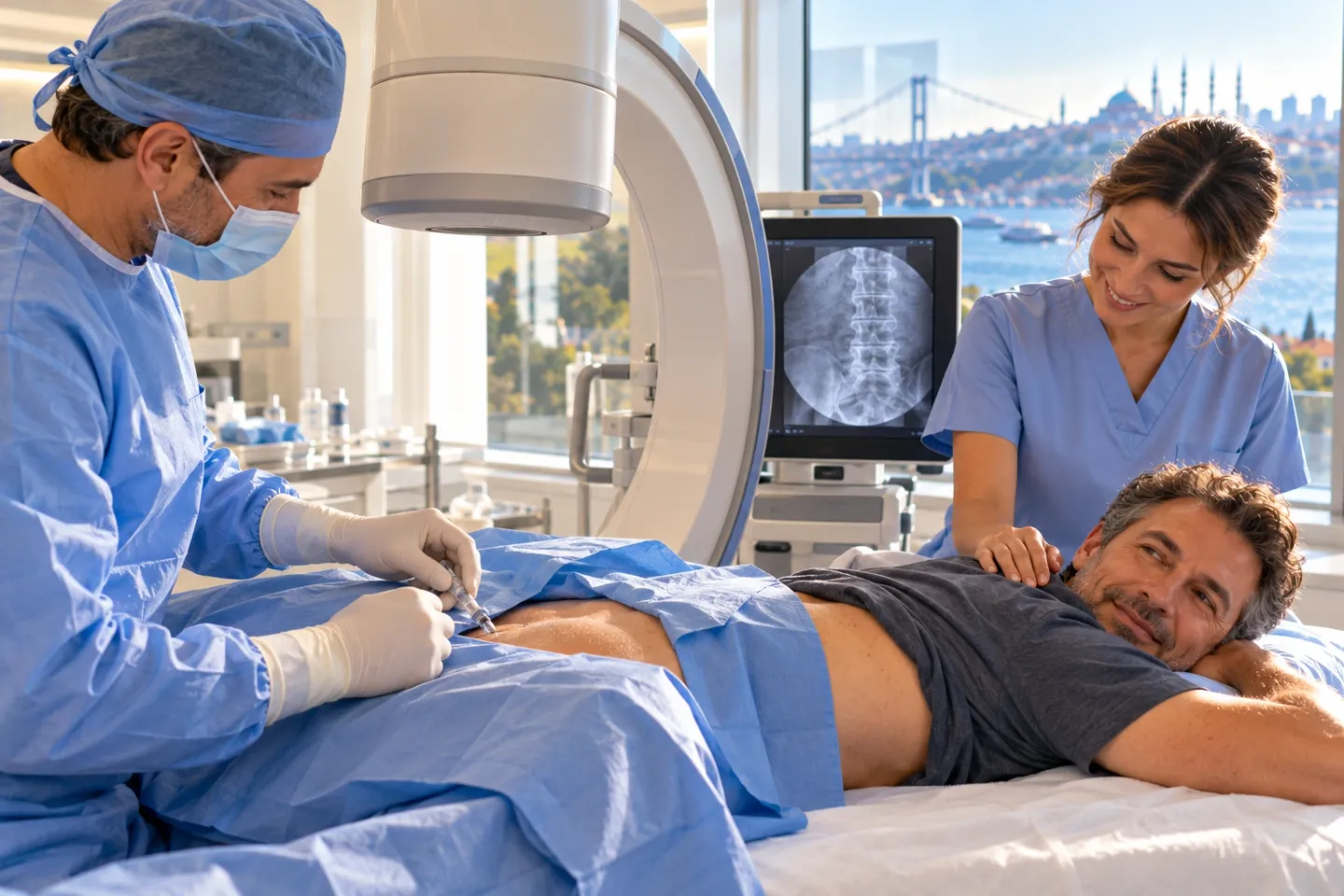
The spinal fluid bathes the brain and spinal cord, so intrathecal exosomes begin their work right beside the nerve tissue that needs support. In research models of nerve-injury pain, a single intrathecal injection of umbilical cord MSC exosomes eased pain sensitivity: the exosomes gathered on the injured side of the spinal cord and nerves, lowered inflammatory signals and raised nerve-supporting growth factors.31 In people, the first results are full of promise. In a first-in-human trial, nine people with complete subacute spinal cord injury received umbilical cord MSC exosomes into the spinal fluid: the treatment was safe and well tolerated, and after 12 months their pinprick and light-touch sensation scores, their independence in daily life (SCIM III) and their bowel function had all improved significantly.32 Five adults with brain injury given Wharton’s jelly MSC exosomes into the spinal fluid and muscles also improved in motor independence over one year.33
Paraspinal injection
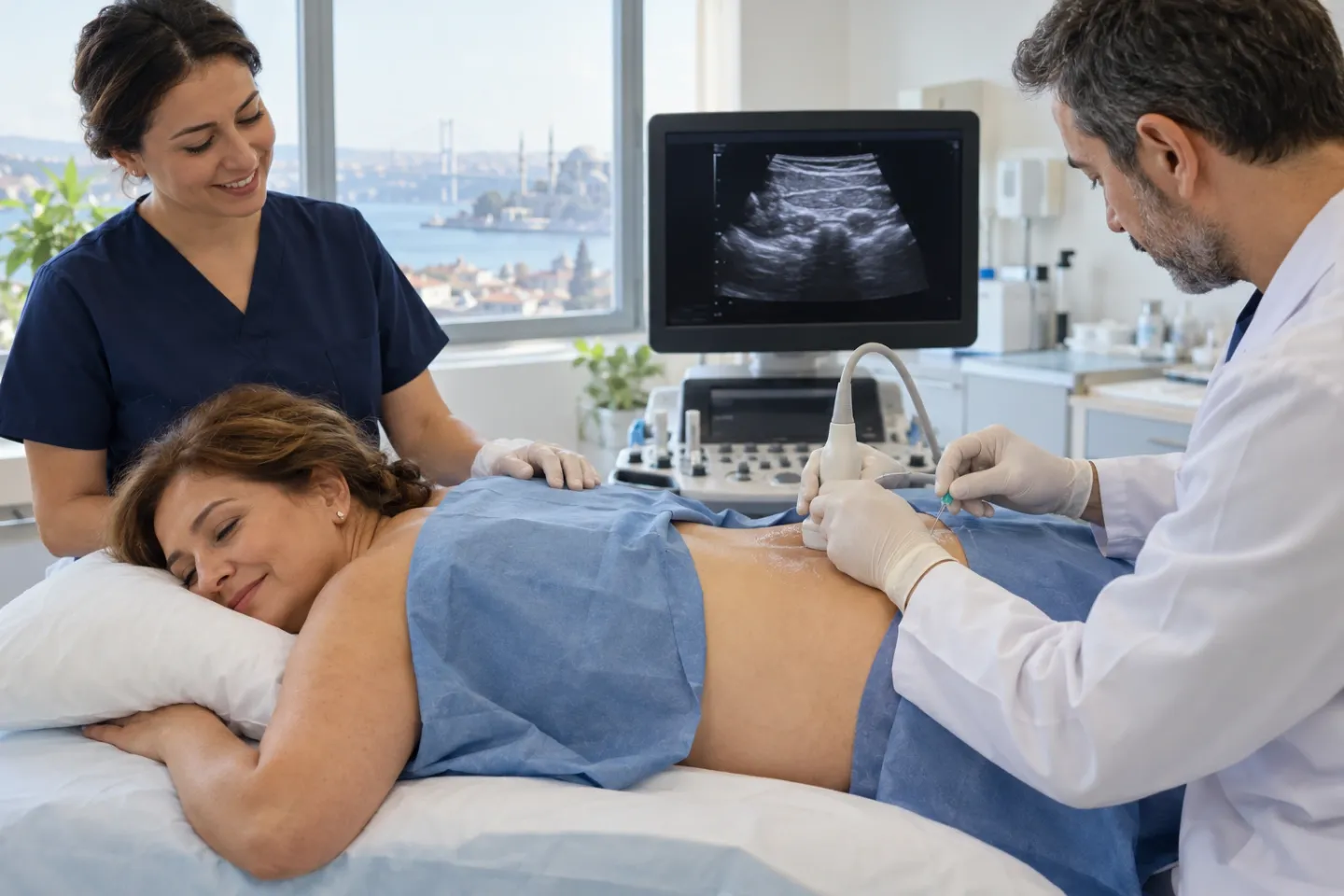
Much chronic back pain starts in the small facet joints that link the vertebrae and in the muscles that run alongside the spine. Paraspinal injections bring exosomes right to these structures. The first human results are encouraging: in 20 adults with lumbar facet joint pain, a common cause of chronic low back pain, a single injection of bone marrow MSC vesicles into the facet joints caused no complications, and after three months pain severity had improved by 65.04%, the impact of pain on daily life by 72.09% and the Oswestry Disability Index, a standard measure of back-related disability, by 58.43%.34 In laboratory studies and research models of muscle injury, MSC exosomes also promoted the growth of new muscle fibres and blood vessels and helped injured muscle regenerate.35 For anyone living with back pain, support for both the joints and the muscles is a hopeful prospect.
Intradiscal injection
Each spinal disc has a soft, water-rich centre that cushions the vertebrae. With age it slowly dries out and thins, and with almost no blood vessels of its own, a disc has little chance to repair itself. An intradiscal injection brings exosomes straight into the disc. In laboratory studies on human disc cells, Wharton’s jelly MSC vesicles increased cell numbers, reduced cell death and raised the proteoglycans that hold water in the disc.36 In research models, a meta-analysis of 19 studies in 305 rats found that stem cell vesicles raised the disc height index by 12.8% and improved MRI grades and tissue structure; a direct injection worked as well as delivery in a gel.37 Umbilical cord MSC exosomes injected into worn discs in rats also improved disc structure and raised collagen II, a key building block of a healthy disc.38 Read more about degenerative disc disease.
Perineural injection
A perineural injection places exosomes right around an injured or irritated nerve, where calm, well-nourished surroundings help it recover. In research models, adipose MSC exosomes injected locally after a facial nerve injury in rats helped the nerve fibres regrow and rebuild their myelin coating, and eased inflammation.39 Placental MSC vesicles applied in a gel to crushed sciatic nerves in rats reduced muscle wasting and helped the muscles regain function within 30 days,40 and in diabetic mice with nerve damage, MSC exosomes given into a vein improved nerve conduction and sensation.41 In people, a 24-year-old man in Istanbul with a complete radial nerve injury below the elbow had Wharton’s jelly MSC exosomes placed into both nerve ends during his nerve graft operation. Six months later his motor recovery was rated excellent (M5) and his sensory recovery good (S3+), without physical therapy.42 Read about occipital neuralgia and headaches and migraines.


05.3
Exosome injections for joints, tendons, ligaments, muscles and bones
For joints, tendons, ligaments, muscles and bones, a precise injection places the exosomes right at the painful or injured spot, often guided by ultrasound or imaging. It is a popular choice for knee and shoulder pain, sports injuries and slow-healing fractures.
Intra-articular injection
Inside a painful joint, a persistent low-grade inflammation slowly wears the cartilage down. An injection into the joint brings exosomes right to it. In laboratory studies, umbilical cord MSC vesicles turned immune cells called macrophages towards a calming type, and in research models, injected into the knee, they stayed in the joint and regenerated smooth hyaline cartilage.43 In people, the results are encouraging: in 29 people (33 knees) with knee osteoarthritis, six injections of umbilical cord vesicles lowered pain by 38.8 mm on a 100 mm scale and improved every KOOS score beyond the clinically important threshold, and 66.7% of knees met the international responder criteria, rising to 83.3% in earlier-stage arthritis.44 A clinical-grade umbilical cord MSC vesicle product injected into the knee showed no adverse effects over 12 months.43
Tendon, ligament and bursa injection
Tendons and ligaments have a modest blood supply, so they often heal slowly. An injection brings exosomes right to the injured fibres. Across 46 studies in research models, extracellular vesicles were linked with better tendon healing scores and stronger, stiffer tendons,45 and in mice with overuse injuries of the rotator cuff tendon, adipose stem cell exosomes eased tendon damage and made the tendons stronger and stiffer than saline.46 In rats with knee ligament injuries, MSC exosomes improved collagen organisation and reduced scarring.47 In people, a 45-year-old tennis player with a complete Achilles tendon rupture chose treatment without surgery: umbilical cord MSC vesicles injected into the gap, three IV infusions of umbilical cord stem cells and rehabilitation. His pain fell from 10/10 to 0/10, MRI showed the tendon reconnected, and he returned to weight training and jogging.48 Read about tendinitis, tennis and golfer’s elbow, ligament injuries and bursitis.
Intramuscular injection
Muscles are rich in small blood vessels, so an intramuscular injection lets exosomes act on the muscle itself and on the circulation around it. In research models, CD34+ exosomes injected into the leg tissue of mice with poor circulation improved blood flow, the number of small blood vessels and movement, and the cells lining the blood vessels took them up most readily.11 In rats with large shoulder tendon tears, adipose stem cell exosome injections protected the shoulder muscles from wasting, fat build-up and inflammation, and improved muscle regeneration.49 In people, at a university hospital in Istanbul, five adults with traumatic brain injury received six rounds of Wharton’s jelly MSC exosomes into the muscles and the spinal fluid, and over one year their motor independence scores rose from 46.20 to 64.20 and their overall performance scores from 46.00 to 72.00.33
Intraosseous injection
Bone heals from within, through bone-forming cells and the small blood vessels that feed them. An intraosseous injection places exosomes right in the bone or the fracture gap, where that repair happens. In research models, the results are encouraging. In rats with a thigh-bone fracture that would not heal (non-union), bone marrow MSC exosomes injected into the fracture site every week clearly enhanced new bone formation, the growth of new blood vessels and healing.50 In rabbits with avascular necrosis of the hip, human adipose stem cell exosomes placed in the femoral head significantly reduced progression to the severe stages, with fewer empty lacunae (a sign of lost bone cells) and less cartilage damage.51 Across 15 controlled studies in 242 animals with osteoporosis, stem cell exosomes increased bone mass and improved bone structure and strength.52 Read more about bone fractures and osteoporosis.



05.4
Exosomes for skin, hair and healing: scalp and skin injections, the exosome facial and wound care
For the scalp, the face and the skin, exosomes are placed with tiny, shallow injections or applied straight after microneedling or a laser. They can also be applied to, or injected around, a wound, ulcer or fistula that has been slow to heal.
Subdermal injection for the scalp and skin
Just beneath the skin’s surface lie the cells that matter most for healthy hair and youthful skin: the dermal papilla cells that steer each hair follicle, and the fibroblasts that make collagen. Subdermal and intradermal injections bring exosomes right beside them. In research models of pattern hair loss, umbilical cord MSC exosomes enlarged hair follicles and moved them into the growth phase.53 In people, scalp injections of exosomes from foreskin-derived stromal cells significantly increased hair density in 30 men at 4 and 12 weeks.54 In two women whose alopecia areata had resisted several treatments, one session of intradermal adipose stem cell exosomes, alongside topical minoxidil, brought significant regrowth: SALT scores fell from 79.6 to 59.6 and from 70.2 to 58.6.55 Wharton’s jelly stem cells given the same way regrew hair in all four patients with alopecia areata, by 67% on average at the treated sites.56
Subcutaneous injection
A subcutaneous injection places exosomes in the soft layer just under the skin, where they act on the tissue around them. In a research model of skin wounds, umbilical cord MSC exosomes injected under the skin at the wound edge gave the best healing of the three routes tested, with more new small blood vessels and less inflammation.57 In people, the results are striking. Injected around diabetic foot ulcers that had not healed with standard care, umbilical cord stromal cell products, including vesicles and exosomes, closed every ulcer in 10 patients within a mean of 4.2 weeks, with no recurrence during 24 months.58 And a 36-year-old woman whose hair had not regrown for almost 18 months after chemotherapy had complete regrowth of terminal hair on her scalp after subcutaneous scalp injections of placental MSC vesicles every 4 weeks for three months.59
Topical exosomes after microneedling or laser
Microneedling and fractional lasers open thousands of tiny channels in the skin, which let exosomes applied straight afterwards reach the deeper layers where collagen is made. In a randomised split-face trial in 28 people, the side treated with adipose stem cell exosomes and microneedling scored significantly better for overall aesthetic improvement than the saline side, with greater gains in wrinkles, elasticity, hydration and pigmentation.60 In a double-blind split-face trial in 25 people with acne scars, adipose stem cell exosome gel applied after fractional CO2 laser improved scar scores by 32.5%, against 19.9% on the control side, with milder redness and a shorter recovery.61 After radiofrequency microneedling, adipose MSC exosomes improved wrinkles, uneven colour and texture as much as platelet-rich plasma.62 This is a professional treatment with clinical-grade human stem cell exosomes, unlike cosmetic products sold as “exosomes”, some made from plants. Read about healthy ageing, facelift and hair restoration.
Wound, ulcer and fistula treatment
A chronic wound or fistula stays open when inflammation and poor circulation stall the body’s repair. Exosomes placed right in the wound help healing move forward again. In a randomised trial in 110 people with persistent diabetic foot ulcers, those whose wounds received Wharton’s jelly MSC exosomes on the skin once a week for four weeks, alongside standard care, healed in a mean of 6 weeks, against 20 weeks in the control group.4 In Crohn’s disease, MSC exosomes injected directly into refractory perianal fistulas fully closed them in 12 of 20 patients (60%), and 30 of 43 fistula tracts (69.7%) closed completely.63 In complex perianal fistulas not caused by Crohn’s disease, placental MSC exosome injections closed the tract completely in 5 of 11 patients and stopped the discharge in 8.64 Read more on our diabetes page and in our Crohn’s disease and ulcerative colitis guide.




05.5
Exosome eye drops and eye injections
Exosomes reach the eye as soothing eye drops for its surface, or through a fine injection close to the retina and the optic nerve at the back of the eye.
Exosome eye drops
Dry eye begins on the surface of the eye, with inflammation and a tear film that breaks up too quickly. Exosome eye drops bring their calming, repair signals right there. In a research model of severe dry eye, umbilical cord MSC exosome drops protected the cornea, sped up its healing and lowered the inflammatory signals IL-1β and TNF-α.65 In people, the results are impressive. In a prospective trial, umbilical cord MSC exosome drops brought substantial relief to 28 eyes of 14 patients whose dry eye, caused by graft-versus-host disease, had resisted treatment: tear production rose, the tear film lasted longer and symptom scores fell.66 In a triple-blind randomised trial in Sjögren’s syndrome, Wharton’s jelly MSC exosome drops improved dry eye scores and tear production and lowered the inflammatory signals IL-6 and MMP-9 in tears, compared with placebo drops.67
Subtenon eye injection
The retina, which senses light, and the optic nerve, which carries its signals to the brain, lie at the back of the eye. A subtenon injection places exosomes in the thin layer around the eyeball, close to both. In research models, umbilical cord MSC exosomes injected around the eye calmed inflammation of the retina and inner eye (uveitis) by keeping inflammatory cells away;68 placed inside the eye, umbilical cord MSC vesicles protected the light-sensing cells in retinitis pigmentosa and improved vision tests,69 and bone marrow MSC vesicles protected the retinal nerve cells that form the optic nerve in glaucoma.70 In people, at Ankara University’s eye department, Wharton’s jelly stem cells placed in the subtenon space of 34 eyes with retinitis pigmentosa raised visual acuity from 70.5 to 79.9 letters after one year, with a thicker outer retina and stronger retinal responses.71

05.6
Exosome therapy for men’s and women’s health: erectile dysfunction, intimate health and fertility
Exosomes can support intimate health in men and women. A discreet injection into the erectile tissue helps with erectile dysfunction, and fine injections support women’s intimate health, the ovaries and the lining of the uterus. Everything is handled privately and with great care.
Intracavernosal injection
A firm erection depends on healthy blood vessels, smooth muscle and nerves inside the erectile tissue, and an intracavernosal injection places exosomes right among them. In research models, an analysis of 11 studies found that stem cell exosomes, mostly injected this way, improved erectile function and the structure of the erectile tissue,72 and umbilical cord blood vesicles gathered in the penis’s bundle of nerves and blood vessels, protected both and improved erectile function.73 In people, the same route has brought real progress. Two injections of Wharton’s jelly stem cells improved erectile function, hardness and penile blood flow over 12 months in 22 diabetic men whose ED had resisted treatment,74 and umbilical cord MSC secretome, the repair signals these cells release, improved erection hardness, IIEF-5 scores and morning erections in 15 men whom sildenafil no longer helped.75 Read more about stem cell therapy for erectile dysfunction.
Women’s intimate health injections
After menopause, falling oestrogen thins the vaginal wall, reduces its blood supply and natural moisture, and can weaken the support around the urethra. Fine injections bring exosomes right to these tissues. In research models of menopause, umbilical cord MSC exosomes injected into the vaginal wall improved the structure of its lining, collagen formation, the growth of new blood vessels, oestrogen receptors and natural lubrication, and calmed inflammation.76 In rats with stress urinary incontinence, human adipose stem cell exosomes injected around the urethra raised bladder capacity and leak point pressure, a measure of continence, and increased the muscle and nerve fibres of the urethra.77 In women, the first results are encouraging: at a clinic in Istanbul, platelet-derived exosome injections in the vulva or vaginal wall, given in three sessions four weeks apart, significantly raised sexual function scores (FSFI) in every injection group.78
Intraovarian and intrauterine injection
Injected into the ovaries, exosomes bring their repair signals to the follicles where eggs mature; placed in the uterus, they reach its inner lining, the endometrium. In a randomised study of 30 women aged 38 to 46 with low ovarian reserve, platelet-derived exosomes prepared from each woman’s own blood were injected into the ovaries: AMH rose from 0.38 to 1.50 ng/mL and the antral follicle count from 2.90 to 6.10, with more mature eggs, a higher fertilisation rate and more positive pregnancies than in the PRP and saline groups.79 In research models of premature ovarian insufficiency, umbilical cord MSC exosomes injected into the ovaries under ultrasound guidance improved hormone levels, cycles, ovarian function and fertility.80 And in a Turkish study in rats with intrauterine adhesions (Asherman’s), umbilical cord and adipose MSC exosomes placed inside the uterus improved its structure, thickened its wall and reduced scarring.81



05.7
Exosomes for the heart: catheter delivery into the coronary arteries
For the heart, a thin, soft catheter can release exosomes straight into the coronary arteries that feed the heart muscle, a procedure much like a routine coronary angiogram.
Catheter delivery (intracoronary or intra-arterial)
A catheter brings exosomes straight into the blood supply of the organ that needs them, such as the coronary arteries that feed the heart muscle. At a university hospital in Istanbul, ten men with heart failure with reduced ejection fraction received umbilical cord MSC exosomes into the coronary arteries, followed by two IV infusions of umbilical cord MSCs. Their ejection fraction, the heart’s pumping strength, rose by 4.45% at 3 months, 5.35% at 6 months and 4.66% at one year, and the heart’s main pumping chamber became smaller.82 In research models, a vesicle-rich secretome from bone marrow MSCs preserved heart function and reduced scarring in mice, and protected the heart when given into the coronary arteries of pigs.83 In a rat model that mimics stroke, human bone marrow MSC vesicles given into a brain artery gathered near the injured area and significantly lowered inflammatory signals.84 See also ischaemic cardiomyopathy.
Whatever your goal, there is a route, or a combination of routes, to match it. Request your free medical review, and Dr. Cihan Bolat will advise which routes suit you best, with a written plan and a fixed price before you travel.
06
What studies report with exosome therapy
Exosome therapy has moved from the laboratory into clinical studies across a wide range of conditions, and the first results are encouraging. A 2024 meta-analysis of 21 clinical reports concluded that extracellular vesicle therapy is safe and found improvement in the majority of treated patients.5 Mesenchymal stem cells are the most common source of the vesicles used in these trials.85 The studies below used exosomes or vesicles from different sources, which we name for each, and gave them in different ways: into a vein, through the nose, into a joint or onto the skin. Here are some of the strongest results:
- Skin and hair. Across 39 human studies, exosome treatments from several sources reduced facial wrinkles by 20.2% on average and increased hair density by 23.6%.86
- Diabetic foot ulcers. In a randomised trial of 110 people, ulcers treated weekly with Wharton’s jelly MSC exosomes healed in a mean of 6 weeks, against 20 weeks in the control group.4
- Lungs. In patients with COVID-19 and acute respiratory distress, a single IV dose of umbilical cord MSC exosomes lowered the inflammation markers TNF-α and CRP.9
- Kidneys. In 40 people with stage III–IV chronic kidney disease, umbilical cord MSC vesicles significantly improved eGFR, serum creatinine and urine albumin, while the placebo group showed no significant improvement.87
- Brain. In a phase I/II trial in Alzheimer’s disease, nasal adipose MSC exosomes lowered ADAS-cog scores, a sign of better thinking and memory, by 3.98 points by week 36 in the medium-dose group.30
- Knees. In 29 people with knee osteoarthritis, umbilical cord vesicles lowered pain by 38.8 mm on a 100 mm scale, and 66.7% of knees met the international responder criteria.44
- Crohn’s disease. MSC exosome injections fully closed refractory perianal fistulas in 12 of 20 patients (60%).63

07
Exosome therapy for hair, skin, joints, the brain and more
People search for exosome therapy for many different reasons. Open any topic below to read how exosomes act there and what people in published studies experienced.
Skin, hair and healthy ageing
Exosomes carry the signals that keep skin firm, hair growing and wounds healing, and people in published studies have seen the difference.

Exosome therapy for hair loss: what studies report
Hair grows from follicles that cycle between growth and rest, guided by the dermal papilla cells at their base. In pattern hair loss these signals weaken, and each new hair grows a little thinner. Exosomes can strengthen them again: in laboratory studies, adipose stem cell exosomes made dermal papilla cells multiply, switched on hair-growth genes through the Wnt/β-catenin pathway and lengthened hair shafts in cultured human follicles.88 Research models also show exosomes delivering calming signals such as IL-10 and microRNAs that refresh ageing papilla cells.89
In people, exosome hair therapy has given encouraging results:
- Across 13 human hair studies, exosomes from several sources increased hair density by 23.6% and hair thickness by 18.0% on average.86
- In 30 people with pattern hair loss, adipose stem cell exosomes significantly increased total hair density over 24 weeks, with better photographs and higher satisfaction.88
- At a university hospital in Istanbul, 30 men had significantly denser hair 4 and 12 weeks after scalp injections of exosomes from foreskin-derived stromal cells, and they stayed satisfied throughout the study.54
- A review of 11 clinical studies found that MSC exosomes from adipose tissue, placenta, bone marrow, umbilical cord and other sources increased density by 9.5 to 35 hairs per cm².90
Thicker, fuller hair may be closer than you think. Read our hair restoration guide or ask us about your hair.
Exosome therapy for skin rejuvenation and facial ageing: what studies report
Firm, smooth skin depends on collagen, elastic fibres and a healthy barrier that holds in moisture, and all of them decline with age and sun exposure. Exosomes deliver growth factors and stimulate collagen production in the skin.86 In a split-face trial, adipose MSC exosomes improved wrinkles, uneven colour, redness and texture as much as platelet-rich plasma, and skin samples showed more collagen I and glycosaminoglycans, the molecules that keep skin plump.62
In published human studies, skin looked and felt younger:
- Across 26 skin studies, exosome treatments from several sources reduced facial wrinkles by 20.2% on average and improved pigmentation, elasticity, texture, redness and overall appearance by 14.7% to 23.4%.86
- In a randomised split-face trial of 28 people, the side treated with adipose stem cell exosomes and microneedling scored significantly better for overall aesthetic improvement than the side given saline, with greater gains in wrinkles, elasticity, hydration and pigmentation.60
- In 16 adults over 40, adipose stem cell exosomes improved hydration, elasticity and the skin barrier on the treated side, and both doctors and patients rated it higher.91
- After laser treatment for acne scars, adipose stem cell exosome gel improved scar scores by 32.5%, against 19.9% on the control side, with milder redness and a shorter recovery.61
Fresher, more radiant skin is a realistic goal. Read our anti-aging guide or ask us about your skin.
Exosome therapy for healthy ageing: what research shows
As the years pass, the body’s repair systems slow down and a low level of inflammation, often called “inflammaging”, quietly builds up.92 Exosomes carry the kind of signals that can work against these changes. In research models, small vesicles from young adipose stem cells given to old mice improved grip strength, coordination, endurance and kidney function, lowered frailty and markers of inflammation and cell ageing, and made the tissues’ predicted epigenetic age younger.93
In people, exosome studies have measured these benefits in key areas of health:
- Inflammation. After one IV dose of umbilical cord MSC exosomes, the inflammation markers TNF-α and CRP fell in patients with severe lung inflammation,9 and umbilical cord MSC vesicles lowered TNF-α and raised the calming messenger IL-10 in people with chronic kidney disease.87
- Skin. Across human studies, exosome treatments reduced facial wrinkles by 20.2% on average.86
- Strength and stamina. Stem cells themselves have given strong results in age-related frailty: in a 148-person placebo-controlled trial, donor bone marrow stem cells added 63.4 metres to the six-minute walk at nine months, compared with placebo.94
This is why your plan can combine exosomes with Wharton’s jelly stem cells, or use exosomes alone, depending on your goals. Feeling stronger and more energetic for longer is worth planning for. Read our anti-aging guide or ask us about a plan for you.
Exosome therapy for wound healing and diabetic foot ulcers: what studies report
A wound heals in overlapping stages: inflammation clears the damage, new blood vessels bring oxygen, and skin cells rebuild the surface. In diabetes, chronic inflammation and poor circulation can stall this process, so foot ulcers may stay open for months. Exosomes carry proteins, lipids and nucleic acids that can alter how the cells in a wound behave and help healing move forward again.4 In research models, exosomes from CD34+ stem cells stimulated new blood vessels and improved blood flow to starved tissue, through a microRNA called miR-126-3p.1011
In people with diabetic foot ulcers, the results have been striking:
- In a randomised trial of 110 people with persistent ulcers, those whose wounds received Wharton’s jelly MSC exosomes once a week for four weeks, alongside standard care, healed in a mean of 6 weeks, against 20 weeks in the control group, and a significantly higher share healed fully.4
- In 10 people whose ulcers had not healed with standard care, injections around the wound of umbilical cord stromal cell products, including conditioned medium, vesicles and exosomes, closed every ulcer within a mean of 4.2 weeks, and no ulcer returned during 24 months of follow-up.58
Every healed wound means more freedom to walk, work and enjoy life. Read our diabetes page or ask us about your treatment.
Joints, brain and the whole body
From painful knees to the brain, lungs and kidneys, exosomes are being studied wherever the body needs repair, and the first clinical results are full of promise.

Exosome therapy for knee osteoarthritis and joint pain: what studies report
Osteoarthritis is more than wear and tear: a persistent, low-grade inflammation in the joint, driven partly by inflammatory M1-type macrophages, gradually wears away the cartilage.43 Exosomes help calm this. In laboratory studies, umbilical cord MSC vesicles turned macrophages towards an anti-inflammatory type, and in a mouse model of osteoarthritis, joint injections regenerated smooth hyaline cartilage.43 In rats, MSC exosomes helped cartilage cells multiply and rebuild their matrix, while the inflammatory signals IL-1β and TNF-α fell.95
People with knee osteoarthritis have experienced encouraging results:
- In 29 people (33 knees), six injections of umbilical cord vesicles lowered pain by 38.8 mm on a 100 mm scale on average, with the largest gains in quality of life and in sport and recreation. Two in three knees (66.7%) met the international responder criteria, rising to 83.3% in earlier-stage (grade 2) arthritis.44
- In a randomised, double-blind dose study, umbilical cord MSC exosome injections caused no adverse effects, and people’s clinical scores and MRI findings improved compared with before treatment.96
- In a first-in-human study, clinical-grade umbilical cord MSC vesicles injected into the knee were well tolerated over 12 months of follow-up.43
Walking, climbing stairs and staying active with less pain is a goal worth pursuing. Read our arthritis guide or ask us about your knees.
Exosome therapy for sports injuries, tendons and back pain: what studies report
Tendons and ligaments have a limited blood supply, so they heal slowly, and an injury can keep anyone who loves to stay active sidelined for months. Exosomes bring repair signals straight to the injured tissue. Across 46 animal studies, extracellular vesicles were linked with better tendon healing scores, stronger and stiffer tendons, more type I collagen and less of the inflammatory signal IL-6.45 In research models, MSC exosomes also helped injured muscle regenerate and grow new blood vessels.35
The first human results are encouraging:
- In 20 adults with lumbar facet joint pain, a common cause of chronic low back pain, a single injection of bone marrow MSC vesicles improved pain severity by 65.04%, the impact of pain on daily life by 72.09% and the Oswestry Disability Index by 58.43% after three months.34
- In a case report, a 45-year-old recreational tennis player with a complete Achilles tendon rupture and a 3.7 cm gap chose treatment without surgery: umbilical cord MSC vesicles injected into the gap, three IV infusions of umbilical cord stem cells and rehabilitation. His pain fell from 10/10 to 0/10 by six months, MRI showed the tendon reconnected, and he returned to weight training and jogging.48
Getting back to the sport and movement you love is a goal we share. Read our sports rehabilitation page or ask us about your injury.
Exosome therapy for brain health, Alzheimer’s disease and brain injury: what studies report
The brain is protected by the blood–brain barrier, which keeps out most medicines. Exosomes are small enough to reach it. In research models, umbilical cord MSC exosomes crossed the blood–brain barrier and protected dopamine-producing nerve cells,97 and MSC exosomes given through the nose travelled to the inflamed, affected brain areas in models of stroke, autism, Parkinson’s and Alzheimer’s disease, where nerve cells took them up.13 In research models of autism, nasal MSC exosomes increased social interaction and reduced repetitive behaviours.98
In people, the first trials are encouraging:
- In a phase I/II trial in mild to moderate Alzheimer’s disease, nasal adipose MSC exosomes twice a week for 12 weeks improved thinking and memory in the medium-dose group: ADAS-cog scores fell by 2.33 points at week 12 and by 3.98 points by week 36, and basic MoCA scores rose by 2.38 points.30
- At a university hospital in Istanbul, five adults with traumatic brain injury received Wharton’s jelly MSC exosomes into the spinal fluid and muscles. Over one year, their motor independence scores rose from 46.20 to 64.20, cognitive scores from 30.60 to 34.00 and overall performance scores from 46.00 to 72.00.33
Our exosomes can be given as a nasal spray, the route used in the Alzheimer’s trial above, and into the spinal fluid and muscles, the routes used in the brain injury study. Read our Alzheimer’s page and autism guide, or ask us how we can help.
Exosome therapy for the lungs, COVID-19 and ARDS: what studies report
When the lungs are badly inflamed, as in severe COVID-19 or acute respiratory distress syndrome (ARDS), an overactive immune response damages the delicate air sacs and less oxygen reaches the blood. MSC exosomes help calm this response. In laboratory studies, they shifted immune cells towards anti-inflammatory signals,8 and in patients with COVID-19 and ARDS, a single IV dose of umbilical cord MSC exosomes lowered the inflammation markers TNF-α and CRP.9
Lung conditions are one of the areas studied most often in clinical vesicle trials:85
- Inhaled exosomes from adipose MSCs were well tolerated in seven patients with severe COVID-19, and lung lesions resolved to varying degrees on CT scans in all seven.28
Breathing more easily changes everything. Ask us whether exosome therapy could support your lungs.
Exosome therapy for chronic kidney disease: what studies report
In chronic kidney disease, inflammation and scarring slowly reduce the kidneys’ ability to filter the blood. Stem cell vesicles appear to help the kidney’s own cells recover. In research models, MSC vesicles given into a vein gathered specifically in injured kidneys,16 made tubule cells multiply and resist cell death, and sped up recovery from acute kidney injury as effectively as the stem cells themselves.99 In laboratory studies, MSC exosomes even delivered the genetic instructions for the IGF-1 receptor, helping damaged kidney cells respond to this repair signal.12
In people, the key study is a placebo-controlled trial:
- In 40 people with stage III–IV chronic kidney disease, two doses of umbilical cord MSC vesicles significantly improved eGFR, serum creatinine, blood urea and the urine albumin-to-creatinine ratio, while the placebo group showed no significant improvement in any of these measures.87
- The same patients had lower levels of the inflammatory signal TNF-α and higher levels of the calming messengers IL-10 and TGF-β1, a sign that the inflammatory immune reaction had settled.87
Protecting the kidney function you have today is worth starting early, while there is the most to protect. Read our kidney disease guide or ask us about your kidneys.
Exosome therapy for immune balance and autoimmune conditions: what studies report
In autoimmune conditions, the immune system attacks the body’s own tissues and inflammation keeps flaring. MSC exosomes help restore balance. In laboratory studies, they raised the calming messengers IL-10 and TGF-β and encouraged regulatory T cells, the immune system’s peacekeepers;8 they turned inflammatory M1 macrophages into calming M2 macrophages through the microRNA miR-204;66 and umbilical cord MSC exosomes quietened over-active B cells from people with lupus.100
In people, exosomes have brought real relief:
- In Crohn’s disease, MSC exosome injections fully closed refractory perianal fistulas in 12 of 20 patients (60%), and 30 of 43 fistula tracts (69.7%), with less inflammation in tissue samples.63
- In a prospective trial, MSC exosome eye drops brought substantial relief to 28 eyes with dry eye caused by graft-versus-host disease, with more tears and a longer-lasting tear film.66
- In a triple-blind randomised trial in Sjögren’s syndrome, MSC exosome eye drops improved dry eye scores and tear production and lowered the inflammatory signals IL-6 and MMP-9 in tears, compared with placebo drops.67
A calmer immune system can mean fewer flares and more good days. Read our lupus guide or ask us about your condition.
08
Exosome therapy, stem cells or PRP: which is right for you?
Exosome therapy and stem cell therapy are close relatives. Mesenchymal stem cells do much of their repair work through what they release: growth factors, immune messengers and exosomes.1417 Stem cell therapy gives you the living cells, which release these signals inside your body. Exosome therapy gives you the exosomes directly, in concentrated form, with no living cells inside. The two can also be given together, so your body receives the concentrated signals of exosomes and the ongoing signals of living cells. The table shows how the three options compare.
| Exosome therapy | Stem cell therapy | Both together | PRP | |
|---|---|---|---|---|
| What you receive | Exosomes: the cells’ messengers, with no living cells inside | Fresh, living Wharton’s jelly mesenchymal stem cells | Living stem cells plus exosomes | Plasma rich in platelets, made from a small sample of your own blood |
| How it works | Delivers proteins, lipids and microRNAs straight to your cells | The cells release growth factors, immune messengers and exosomes in your body | Concentrated signals plus the cells’ own ongoing signals | Platelets release growth factors where they are injected |
| How it is given | IV infusion, nasal spray and fine injections, chosen for your goals | IV and other routes chosen for your condition | The routes of both, in one plan | Injections into the skin, scalp or a joint |
| Donor matching | Not needed | Not needed | Not needed | Not needed: it comes from your own blood |
| Prepared | Fresh for your date in a Ministry of Health-approved GMP laboratory | Fresh for your date in the same GMP laboratory | Both prepared fresh for your date | From your blood on the day |
| A good fit when | You want a gentle, cell-free treatment, nose-to-brain delivery or a targeted injection | You want living cells to support repair from within | You want the strengths of both in one treatment | You want a simple treatment based on your own blood |
Exosomes and PRP can also be compared directly: in a split-face trial, adipose MSC exosomes improved wrinkles, uneven colour, redness and texture as much as platelet-rich plasma, and skin samples showed more collagen I.62
You do not have to decide alone. In your free medical review, Dr. Cihan Bolat looks at your reports, your health and your goals, and advises whether exosome therapy, stem cell therapy or both together suit you best. You then receive a written plan and a fixed price before you travel. Read more about our stem cell therapy, or request your free review.
09
Quality and safety of exosome therapy
Your exosomes are prepared for your treatment date in a laboratory approved by the Turkish Ministry of Health and working to GMP (Good Manufacturing Practice), the quality standard used in making medicines. GMP production makes it possible to prepare exosomes to the same standard batch after batch: a GMP-grade product of umbilical cord MSC vesicles, for example, showed no adverse effects over 12 months of follow-up in its first use in people, as an injection into the knee.43
Before any plan is made, Dr. Cihan Bolat reviews your medical history and reports, so your treatment is planned around you. The published safety record is reassuring. A 2024 meta-analysis of 21 clinical reports concluded that extracellular vesicle therapy is safe, with a low rate of serious adverse events (0.7%).5 Nasal exosomes from adipose MSCs, given twice a week for 12 weeks, were safe and well tolerated.30 Wharton’s jelly MSC exosomes have been given to people as well: in a one-year study in brain injury, with exosomes given into the spinal fluid and muscles, no serious adverse events occurred.33
10
Understanding Stem Cells and Exosome Therapy at Istanbul Stem Cell
Regenerative medicine is transforming healthcare by leveraging the body's natural ability to heal itself. At Istanbul Stem Cell (www.istanbulstemcell.com), we specialize in advanced treatments like stem cell therapy and exosome therapy to promote healing and rejuvenation.
What Are Stem Cells?
Stem cells are special cells found in the body with the unique ability to develop into any cell type. They serve as both building blocks and repair mechanisms, playing a crucial role in maintaining and restoring tissues.
Understanding Exosomes
Exosomes are tiny extracellular vesicles—essentially small bubbles—released by stem cells. These vesicles carry genetic information and proteins to cells throughout your body, creating pathways for cell-to-cell communication. Exosomes are vital for facilitating tissue repair and enhancing cellular health.
Stem Cell Therapy
Stem cell therapy involves guiding stem cells to become specific types of cells needed in the body. Stem cells can be sourced from various places, including embryos, umbilical cords, and adult bone marrow or adipose (fat) tissue.
How Does It Work?
In this therapy, donor stem cells are introduced into your body to replace and repair diseased or damaged cells. These stem cells can grow and divide over extended periods, stimulating your body's natural healing processes and continuously generating healthier cells over time.
Exosome Therapy
Exosome therapy is an innovative treatment that utilizes exosomes without introducing donor cells into your body.
How Is It Administered?
Exosomes are extracted from donated human mesenchymal stem cells (MSCs) and sterilized to ensure safety. The exosome solution is rich in valuable lipids, messenger RNA (mRNA), microRNA (miRNA), signaling cytokines, and proteins. This therapy can be administered via intravenous (IV) infusion or direct injection into the targeted treatment area.
Benefits of Exosome Therapy
Enhanced Cellular Repair: Exosomes are powerful agents that can repair cells throughout your body.
Improved Cell Communication: They enhance communication between cells, essential for overall cellular health.
High Concentration of Growth Factors: Exosomes contain nearly three times more growth factors than adult stem cells, leading to a superior ability to repair and rejuvenate target cells.
Stem Cell Therapy vs. Exosome Therapy
While both therapies are part of regenerative medicine, they have distinct differences:
Stem Cell Therapy: Introduces donor stem cells to replace and repair cells, promoting long-term healing.
Exosome Therapy: Uses the signaling molecules from stem cells to enhance cellular communication and repair without introducing new cells.
Why Choose Istanbul Stem Cell?
Under the expert guidance of Uzm. Dr. Cihan Bolat, MD, Istanbul Stem Cell offers personalized regenerative treatments tailored to your specific needs. Our state-of-the-art therapies utilize the latest advancements in stem cell and exosome treatments to promote optimal healing and wellness.
Contact Us Today
Ready to explore the benefits of stem cell and exosome therapies? Contact us at www.istanbulstemcell.com to schedule a consultation and take the first step toward rejuvenation and improved health.
11
The Benefits of Exosome Therapy in Regenerative Medicine at Istanbul Stem Cell
Exosome therapy is an emerging, highly targeted, and flexible treatment in the field of regenerative medicine. At Istanbul Stem Cell (www.istanbulstemcell.com), we utilize this advanced therapy to address conditions such as osteoarthritis, chronic pain, and musculoskeletal injuries.
How Exosome Therapy Works
Genetic disorders, chronic and degenerative diseases, and the natural aging process can hinder communication between your cells. Exosome therapy aims to enhance the communication channels between cells, potentially stimulating healing and promoting tissue regeneration.
What Are Exosomes?
Exosomes are tiny extracellular vesicles released by stem cells. They carry genetic information and proteins to cells throughout your body, facilitating intercellular communication essential for cellular health and repair.
Advantages of Exosome Therapy
At Istanbul Stem Cell, we are committed to adhering to strict quality and sterility standards in our exosome therapy treatments. Our exosomes:
Designed to Cross the Blood-Brain Barrier: Potentially reaching areas throughout the body for maximum effectiveness.
Low Risk of Aggregation: Minimizing potential complications during treatment.
Possess Anti-Inflammatory Properties: May help reduce inflammation to promote healing.
Exhibit Anti-Fibrotic Effects: Could prevent the formation of excess fibrous tissue.
Easy to Administer: Treatment is generally performed in an outpatient setting.
Why Choose Exosome Therapy?
Targeted Approach: Designed to be specific to affected areas.
Enhanced Cellular Communication: Aims to improve cell signaling to stimulate natural healing processes.
Versatile Application: May be suitable for a variety of conditions, including degenerative diseases and injuries.
Your Journey with Istanbul Stem Cell
Under the guidance of Uzm. Dr. Cihan Bolat, MD, our experienced team ensures that exosome therapy is administered safely and effectively. We strive to provide personalized care to help you achieve the best possible outcomes.
Ready to Learn More?
Contact us at www.istanbulstemcell.com to discover what you can expect from exosome therapy and how it may help you achieve optimal results. We're here to answer your questions and guide you every step of the way.
12
Why choose exosome therapy in Istanbul, Turkey
Istanbul has become a favourite destination for exosome treatment. Patients from Europe, the Middle East and beyond come to Turkey for doctor-led care, modern laboratories and a warm welcome, and many combine their treatment with a few relaxed days in one of the world’s most beautiful cities. Read more about why patients choose Turkey for stem cell therapy.
Doctor-led care
Uzm. Dr. Cihan Bolat, specialist in anaesthesiology and reanimation and in regenerative medicine, reviews your case and plans every treatment personally.
Fresh exosomes
Your Wharton’s jelly MSC exosomes and CD34+ exosomes are prepared for your treatment date in a Ministry of Health-approved GMP laboratory.
Clear from the start
You receive a written plan with a fixed price before you travel, so you know every step in advance.
Help with your stay
We help you with accommodation, transport and translation, so you can focus on your treatment and enjoy Istanbul.
13
What to expect on your exosome treatment day
Your treatment day is calm and personal. Our team welcomes you, Dr. Cihan Bolat goes through your plan with you once more, and your exosomes arrive fresh from the laboratory for your appointment. IV infusions, inhaled exosomes, nasal sprays and eye drops are given while you sit or lie comfortably; injections use very fine needles, and many are guided by ultrasound or imaging for precision. When your plan includes an intrathecal treatment, it is given with special care for your comfort, and light sedation can be used.
Afterwards you rest for a while and receive simple advice for the next days. Then you are free to enjoy Istanbul, and we stay in touch with you at about 1, 3, 6 and 12 months to follow your progress.
14
Your exosome therapy in Istanbul, step by step

Free medical review
Send us your reports and tell us about your health and your goals. Dr. Cihan Bolat reviews your case free of charge and advises whether exosomes, stem cells or both suit you.
Your written plan and fixed price
You receive a written plan with your exosomes, the routes chosen for you (from IV infusion and nasal spray to targeted injections), any stem cells and your dates, with a fixed price before you travel.
Prepared fresh for your date
Your exosomes are prepared for your treatment date in a Ministry of Health-approved GMP laboratory.
Arrival in Istanbul
We help with your accommodation, transport and translation, so you can relax and enjoy the city.
Your treatment
You receive your exosomes by the routes in your plan, such as a relaxing IV infusion, nasal sprays or targeted injections, under the care of Dr. Cihan Bolat’s team.
Home and follow-up
We stay in touch and review your progress with you at about 1, 3, 6 and 12 months.
Looking for a specific condition? See all the conditions we treat.
22
Frequently asked questions
What is exosome therapy?
Exosome therapy, also called exosomal therapy (eksozom tedavisi in Turkish), is a regenerative treatment with exosomes: tiny vesicles that stem cells release to carry proteins, lipids and genetic messages to other cells. It gives you the repair signals of stem cells with no living cells inside. At Istanbul Stemcell we use fresh Wharton’s jelly MSC exosomes and CD34+ exosomes, given in 21 ways, from IV infusion, inhalation, nasal spray and eye drops to targeted injections, depending on your goals.
How much does exosome therapy cost in Turkey?
The price depends on your personal plan: which exosomes and how many, the routes chosen for you (such as IV infusion, nasal spray or targeted injections) and whether stem cells are added. After your free medical review with Dr. Cihan Bolat you receive a written plan with a fixed price before you travel, so you know the full cost in advance. We also help you with accommodation, transport and translation.
Is exosome therapy safe?
Published human studies are reassuring. A 2024 meta-analysis of 21 clinical reports concluded that extracellular vesicle therapy is safe, with a low rate of serious adverse events, and trials of exosomes given by IV infusion, nasal spray, or injection into the spinal fluid or a joint reported good tolerability. Our exosomes are prepared in a Ministry of Health-approved GMP laboratory, and Dr. Cihan Bolat reviews your health before any plan is made.
How is IV exosome therapy given?
IV exosome therapy, also called an exosome infusion, is given through a slow drip into a vein while you rest comfortably. The bloodstream carries the exosomes through the whole body, which makes IV the route for whole-body goals such as calming inflammation and supporting the body’s own repair. It is generally given in an outpatient setting, under the care of Dr. Cihan Bolat’s team.
What is the difference between exosome and stem cell therapy?
Stem cell therapy gives you living cells, which release growth factors, immune messengers and exosomes inside your body. Exosome therapy gives you those messengers directly, in concentrated form, with no living cells inside. Both aim to calm inflammation and support the body’s own repair, and they can be combined. In your free review, Dr. Cihan Bolat advises whether exosomes, stem cells or both suit you best.
How long do the effects of exosome therapy last?
It depends on your condition, your health and your plan, and Dr. Cihan Bolat explains what you can expect in your free medical review. In published studies, benefits were followed for months: in a trial of nasal exosomes from adipose (fat) stem cells in Alzheimer’s disease, thinking scores in the medium-dose group were still improving at week 36. We review your progress with you at about 1, 3, 6 and 12 months, and your plan can include later sessions to build on your result.
How many exosome therapy sessions do I need?
It depends on your condition, your goals and how you respond, so your sessions are planned around you. Some plans use a single treatment, others a course of sessions or later top-ups. Dr. Cihan Bolat advises you honestly in your free medical review, and the number of sessions is set out in your written plan, with a fixed price, before you travel.
Can exosomes help hair loss?
Yes, in clinical studies. A 2026 meta-analysis of human studies found that exosome treatments increased hair density by 23.6% and hair thickness by 18.0% on average. For thinning hair, our treatment uses fine scalp injections of fresh Wharton’s jelly stem cells and exosomes, with no surgery, and Dr. Cihan Bolat advises which plan suits your hair.
Who is a good candidate for exosome therapy?
Exosome therapy may suit people with osteoarthritis, chronic pain, musculoskeletal injuries and other degenerative conditions, people who prefer a cell-free treatment, and those who want to add exosomes to stem cell therapy. Nasal exosomes are also part of our treatment for children with autism. Everyone is assessed individually: Dr. Cihan Bolat reviews your reports, health and goals in a free medical review before a plan is made.
Why have exosome therapy in Istanbul?
At our exosome therapy clinic in Istanbul you receive fresh Wharton’s jelly MSC exosomes and CD34+ exosomes, prepared for your date in a Ministry of Health-approved GMP laboratory, with medical direction by Uzm. Dr. Cihan Bolat, a specialist in anaesthesiology and reanimation and in regenerative medicine. You get a free medical review, a written plan and a fixed price before you travel, help with accommodation, transport and translation, and follow-up at about 1, 3, 6 and 12 months.
Is exosome therapy painful?
Most people find exosome therapy comfortable. The IV infusion and nasal sprays are gentle, and injections into a joint, beside the spine, into a muscle or into the skin use very fine needles, often guided by ultrasound. When an intrathecal treatment is part of your plan, it is given with special care for your comfort and light sedation can be used. Our team is with you throughout.
When will I notice results after exosome therapy?
Exosomes support your body’s own repair, so changes usually build step by step rather than overnight. In published studies, many people noticed improvements over the following weeks and months. Your follow-up at about 1, 3, 6 and 12 months helps you and Dr. Cihan Bolat see your progress clearly and plan any next step together.
What is the difference between exosome therapy and PRP?
PRP (platelet-rich plasma) is made from a small sample of your own blood and works through the growth factors in your platelets. Exosome therapy gives you the concentrated messengers of young mesenchymal stem cells, rich in proteins and RNA. In a split-face skin trial, exosomes improved skin as much as PRP and produced more collagen. Dr. Cihan Bolat advises which suits your goals.
How is exosome therapy administered?
Exosome therapy can be given in 21 ways. An IV infusion carries the exosomes through the whole body, a nebuliser brings them to the lungs, a nasal spray uses the nose-to-brain pathway and eye drops reach the surface of the eye. Fine injections place them where you need them most: in a joint, tendon, muscle, bone, spinal disc or the spinal fluid, around a nerve, in the scalp and skin, or in the erectile or intimate tissues. Dr. Cihan Bolat chooses the route for your goals.
Do you offer exosome injections?
Yes. Besides IV infusion, inhalation, nasal spray and eye drops, exosomes can be given as targeted injections: into a joint, tendon, ligament or bursa, a muscle or a bone; into a spinal disc, beside the spine, into the spinal fluid or around a nerve; into the scalp and skin or just under it; into the erectile tissue, the intimate tissues, the ovaries or the uterus; around the eye; and into the heart’s arteries by catheter. Dr. Cihan Bolat chooses the routes for your goals in your free medical review.
Where do your exosomes come from?
Our exosomes come from Wharton’s jelly, the soft tissue of umbilical cords donated after healthy births, and from CD34+ cells. They are prepared fresh for your treatment date in a Ministry of Health-approved GMP laboratory in Turkey, so nothing has to be taken from your own body and no donor matching is needed.
Can exosomes be injected for erectile dysfunction?
Yes. In an intracavernosal injection, the exosomes are placed in the erectile tissue with a very fine needle, so their repair signals reach the blood vessels, smooth muscle and nerves that an erection depends on. In research models, stem cell exosomes given this way improved erectile function, and in men, Wharton’s jelly stem cells injected the same way improved erections and blood flow over 12 months. Dr. Cihan Bolat plans your comfort, and you return to your hotel the same day.
Can exosomes be inhaled for COPD and other lung conditions?
Yes. A nebuliser turns the exosomes into a fine mist that you breathe in, bringing them straight to the airways and lungs. Inhaled stem cell vesicles were well tolerated by healthy volunteers and by patients with severe COVID-19, and in a placebo-controlled trial in pulmonary fibrosis, they improved lung function and quality of life. In research models of COPD and asthma, inhaled exosomes calmed airway inflammation.
Do exosome eye drops help dry eye?
In clinical trials, they brought real relief. Umbilical cord stem cell exosome drops increased tear production, steadied the tear film and eased symptoms in people whose dry eye, caused by graft-versus-host disease, had resisted other treatment. In a randomised trial in Sjögren’s syndrome, Wharton’s jelly stem cell exosome drops did better than placebo drops and lowered inflammatory signals in the tears. The drops are given just like ordinary eye drops.
Can exosomes help tendon or shoulder pain, such as tennis elbow or an Achilles problem?
Yes. Exosomes can be injected with a fine needle into or beside an injured tendon, ligament or bursa, for example for tennis or golfer’s elbow, Achilles or rotator cuff problems, a sprain or bursitis. In research models, exosome treatment was linked with stronger, better-healed tendons, and a man with a complete Achilles tendon rupture returned to jogging after vesicle injections combined with stem cells and rehabilitation. In your free medical review, Dr. Cihan Bolat looks at your scans and advises on the best plan for you.
Can exosomes be injected into a worn spinal disc?
Yes. In an intradiscal injection, a fine needle places the exosomes into the soft centre of the disc, the part that matters most in degenerative disc disease. In research models, stem cell vesicles injected into worn discs raised disc height and improved MRI grades, and in laboratory studies Wharton’s jelly MSC vesicles helped human disc cells thrive. In your free medical review, Dr. Cihan Bolat looks at your MRI and advises which route, or combination of routes, suits your back best.
What is an exosome facial?
An exosome facial combines gentle microneedling or a fractional laser with exosomes applied to the skin straight afterwards, so they can reach the deeper layers where collagen is made. In randomised split-face trials, the treated side improved more in wrinkles, elasticity, hydration and acne scars than the comparison side, which had the same microneedling or laser without exosomes. At Istanbul Stemcell it is a professional treatment with clinical-grade human stem cell exosomes, quite different from cosmetic products sold as “exosomes”, some of which are made from plants.
Can exosomes help with vaginal dryness or bladder leaks after menopause?
They are a hopeful option. Fine injections bring exosomes to the vaginal wall, the vulva or the tissue around the urethra, where falling oestrogen thins the tissue after menopause. In research models, exosomes injected this way improved collagen, blood supply, natural lubrication and continence, and in women, platelet-derived exosome injections in the vulva raised sexual function scores. In your free medical review, Dr. Cihan Bolat will advise whether this route suits your goals.
Can exosome therapy support my fertility plans?
Exosomes can be part of a fertility plan. Placed in the ovaries or the uterus, they bring repair signals to the follicles and to the lining of the womb. In a randomised study of women with low ovarian reserve, platelet-derived exosomes injected into the ovaries improved AMH and the antral follicle count, and in research models exosomes placed in a scarred uterus thickened its wall and reduced scarring. Dr. Cihan Bolat will review your history and shape a plan around your goals.
Medical review
Uzm. Dr. Cihan Bolat
Medical Director, Istanbul Stemcell
This page was written from the published studies listed below and reviewed for medical accuracy on .
23
References
- Kalluri R, LeBleu VS. The biology, function, and biomedical applications of exosomes. Science. 2020;367(6478). PMID 32029601
- Wiklander OP, et al. Extracellular vesicle in vivo biodistribution is determined by cell source, route of administration and targeting. J Extracell Vesicles. 2015;4:26316. PMID 25899407
- Thomi G, et al. Intranasally Administered Exosomes from Umbilical Cord Stem Cells Have Preventive Neuroprotective Effects and Contribute to Functional Recovery after Perinatal Brain Injury. Cells. 2019;8(8). PMID 31398924
- Kishta MS, et al. The transforming role of wharton's jelly mesenchymal stem cell-derived exosomes for diabetic foot ulcer healing: a randomized controlled clinical trial. Stem Cell Res Ther. 2025;16(1):559. PMID 41084065
- Van Delen M, et al. A systematic review and meta-analysis of clinical trials assessing safety and efficacy of human extracellular vesicle-based therapy. J Extracell Vesicles. 2024;13(7):e12458. PMID 38958077
- van Niel G, D'Angelo G, Raposo G. Shedding light on the cell biology of extracellular vesicles. Nat Rev Mol Cell Biol. 2018;19(4):213-228. PMID 29339798
- Phinney DG, Pittenger MF. Concise Review: MSC-Derived Exosomes for Cell-Free Therapy. Stem Cells. 2017;35(4):851-858. PMID 28294454
- Zhang B, et al. Mesenchymal stem cells secrete immunologically active exosomes. Stem Cells Dev. 2014;23(11):1233-44. PMID 24367916
- Hosseinzadeh M, et al. Therapeutic potential of hUCMSC-derived exosomes in modulating inflammation and immune response in COVID-19-associated ARDS: A randomized clinical trial. Respir Med. 2025;249:108475. PMID 41202994
- Sahoo S, et al. Exosomes from human CD34(+) stem cells mediate their proangiogenic paracrine activity. Circ Res. 2011;109(7):724-8. PMID 21835908
- Mathiyalagan P, et al. Angiogenic Mechanisms of Human CD34(+) Stem Cell Exosomes in the Repair of Ischemic Hindlimb. Circ Res. 2017;120(9):1466-1476. PMID 28298297
- Tomasoni S, et al. Transfer of growth factor receptor mRNA via exosomes unravels the regenerative effect of mesenchymal stem cells. Stem Cells Dev. 2013;22(5):772-80. PMID 23082760
- Perets N, et al. Golden Exosomes Selectively Target Brain Pathologies in Neurodegenerative and Neurodevelopmental Disorders. Nano Lett. 2019;19(6):3422-3431. PMID 30761901
- Caplan AI, Dennis JE. Mesenchymal stem cells as trophic mediators. J Cell Biochem. 2006;98(5):1076-84. PMID 16619257
- Gnecchi M, et al. Paracrine mechanisms in adult stem cell signaling and therapy. Circ Res. 2008;103(11):1204-19. PMID 19028920
- Grange C, et al. Biodistribution of mesenchymal stem cell-derived extracellular vesicles in a model of acute kidney injury monitored by optical imaging. Int J Mol Med. 2014;33(5):1055-63. PMID 24573178
- Yang G, et al. Immunomodulatory Mechanisms and Therapeutic Potential of Mesenchymal Stem Cells. Stem Cell Rev Rep. 2023;19(5):1214-1231. PMID 37058201
- Batsali AK, et al. Differential expression of cell cycle and WNT pathway-related genes accounts for differences in the growth and differentiation potential of Wharton's jelly and bone marrow-derived mesenchymal stem cells. Stem Cell Res Ther. 2017;8(1):102. PMID 28446235
- Hsieh JY, et al. Mesenchymal stem cells from human umbilical cord express preferentially secreted factors related to neuroprotection, neurogenesis, and angiogenesis. PLoS One. 2013;8(8):e72604. PMID 23991127
- Weiss ML, et al. Immune properties of human umbilical cord Wharton's jelly-derived cells. Stem Cells. 2008;26(11):2865-74. PMID 18703664
- Marino L, et al. Mesenchymal Stem Cells from the Wharton's Jelly of the Human Umbilical Cord: Biological Properties and Therapeutic Potential. Int J Stem Cells. 2019;12(2):218-226. PMID 31022994
- Tscherrig V, et al. All but Small: miRNAs from Wharton's Jelly-Mesenchymal Stromal Cell Small Extracellular Vesicles Rescue Premature White Matter Injury after Intranasal Administration. Cells. 2024;13(6). PMID 38534387
- Joerger-Messerli MS, et al. Extracellular Vesicles Derived from Wharton's Jelly Mesenchymal Stem Cells Prevent and Resolve Programmed Cell Death Mediated by Perinatal Hypoxia-Ischemia in Neuronal Cells. Cell Transplant. 2018;27(1):168-180. PMID 29562785
- Li M, et al. Clinical investigation on nebulized human umbilical cord MSC-derived extracellular vesicles for pulmonary fibrosis treatment. Signal Transduct Target Ther. 2025;10(1):179. PMID 40461474
- Wang M, et al. Nebulized mesenchymal stem cell-derived exosomes attenuate airway inflammation in a rat model of chronic obstructive pulmonary disease. Cell Immunol. 2025;409-410:104933. PMID 40020434
- Xu X, et al. A non-invasive strategy for suppressing asthmatic airway inflammation and remodeling: Inhalation of nebulized hypoxic hUCMSC-derived extracellular vesicles. Front Immunol. 2023;14:1150971. PMID 37090722
- Shi MM, et al. Preclinical efficacy and clinical safety of clinical-grade nebulized allogenic adipose mesenchymal stromal cells-derived extracellular vesicles. J Extracell Vesicles. 2021;10(10):e12134. PMID 34429860
- Zhu YG, et al. Nebulized exosomes derived from allogenic adipose tissue mesenchymal stromal cells in patients with severe COVID-19: a pilot study. Stem Cell Res Ther. 2022;13(1):220. PMID 35619189
- Danielyan L, et al. Intranasal delivery of cells to the brain. Eur J Cell Biol. 2009;88(6):315-24. PMID 19324456
- Xie X, et al. Clinical safety and efficacy of allogenic human adipose mesenchymal stromal cells-derived exosomes in patients with mild to moderate Alzheimer's disease: a phase I/II clinical trial. Gen Psychiatr. 2023;36(5):e101143. PMID 37859748
- Shiue SJ, et al. Mesenchymal stem cell exosomes as a cell-free therapy for nerve injury-induced pain in rats. Pain. 2019;160(1):210-223. PMID 30188455
- Akhlaghpasand M, et al. Safety and potential effects of intrathecal injection of allogeneic human umbilical cord mesenchymal stem cell-derived exosomes in complete subacute spinal cord injury: a first-in-human, single-arm, open-label, phase I clinical trial. Stem Cell Res Ther. 2024;15(1):264. PMID 39183334
- Kabatas S, et al. Efficacy and safety of exosomes from Wharton's Jelly-derived mesenchymal stem cells in traumatic brain injury. World J Crit Care Med. 2025;14(4):103782. PMID 41377533
- Wilson JE, et al. Safety of bone marrow derived mesenchymal stem cell extracellular vesicle injection for lumbar facet joint pain. Regen Med. 2024;19(1):19-26. PMID 38327218
- Nakamura Y, et al. Mesenchymal-stem-cell-derived exosomes accelerate skeletal muscle regeneration. FEBS Lett. 2015;589(11):1257-65. PMID 25862500
- Tilotta V, et al. Wharton's Jelly mesenchymal stromal cell-derived extracellular vesicles promote nucleus pulposus cell anabolism in an in vitro 3D alginate-bead culture model. JOR Spine. 2024;7(1):e1274. PMID 38222813
- Wei YP, et al. Therapeutic effects of stem cell-derived extracellular vesicles in animal models of intervertebral disc degeneration: a systematic review and meta-analysis of species differences and delivery strategies. Front Bioeng Biotechnol. 2026;14:1749916. PMID 41693926
- Jia S, et al. Exosomes from umbilical cord mesenchymal stem cells ameliorate intervertebral disc degeneration via repairing mitochondrial dysfunction. J Orthop Translat. 2024;46:103-115. PMID 38841339
- Xue R, et al. Mesenchymal Stem Cell-Derived Exosomes Promote Recovery of The Facial Nerve Injury through Regulating Macrophage M1 and M2 Polarization by Targeting the P38 MAPK/NF-Κb Pathway. Aging Dis. 2024;15(2):851-868. PMID 37548941
- Demyanenko SV, et al. Human Multipotent Mesenchymal Stromal Cell-Derived Extracellular Vesicles Enhance Neuroregeneration in a Rat Model of Sciatic Nerve Crush Injury. Int J Mol Sci. 2022;23(15). PMID 35955732
- Fan B, et al. Mesenchymal stromal cell-derived exosomes ameliorate peripheral neuropathy in a mouse model of diabetes. Diabetologia. 2020;63(2):431-443. PMID 31740984
- Civelek E, et al. Effects of exosomes from mesenchymal stem cells on functional recovery of a patient with total radial nerve injury: A pilot study. World J Stem Cells. 2024;16(1):19-32. PMID 38292440
- Figueroa-Valdés AI, et al. Clinical-grade extracellular vesicles derived from umbilical cord mesenchymal stromal cells: preclinical development and first-in-human intra-articular validation as therapeutics for knee osteoarthritis. J Nanobiotechnology. 2025;23(1):13. PMID 39806427
- Yokota N, Kambayashi T, Tanabe Y. Safety and Efficacy of Intra-Articular Injection of Umbilical Cord-Derived Extracellular Vesicles in Patients With Knee Osteoarthritis: A Retrospective Study. Orthopedics. 2026;49(4):e351-e358. PMID 42611014
- Gilmer G, et al. Extracellular Vesicles Are Associated With Biological, Mechanical, and Structural Tendon Healing Metrics in Preclinical Models: A Systematic Review and Meta-Analysis. J Orthop Res. 2026;44(10):e70289. PMID 42845123
- Wang C, et al. Adipose Stem Cell-Derived Exosomes Ameliorate Chronic Rotator Cuff Tendinopathy by Regulating Macrophage Polarization: From a Mouse Model to a Study in Human Tissue. Am J Sports Med. 2021;49(9):2321-2331. PMID 34259608
- Chamberlain CS, et al. Exosome-educated macrophages and exosomes differentially improve ligament healing. Stem Cells. 2021;39(1):55-61. PMID 33141458
- Ortiz A, Diaz C. Nonoperative Management of an Acute Complete Achilles Tendon Rupture With Mesenchymal Stem Cells and Extracellular Vesicles: A Case Report. Cureus. 2026;18(10):e118122. PMID 42899203
- Wang C, et al. Exosomes Isolated From Adipose-Derived Stem Cells: A New Cell-Free Approach to Prevent the Muscle Degeneration Associated With Torn Rotator Cuffs. Am J Sports Med. 2019;47(13):3247-3255. PMID 31560856
- Zhang L, et al. Exosomes from bone marrow mesenchymal stem cells enhance fracture healing through the promotion of osteogenesis and angiogenesis in a rat model of nonunion. Stem Cell Res Ther. 2020;11(1):38. PMID 31992369
- Ikezaki T, et al. Exosomes secreted from human-derived adipose stem cells prevent progression of osteonecrosis of the femoral head. J Orthop Surg Res. 2024;19(1):793. PMID 39587645
- He X, et al. Osteoporosis treatment using stem cell-derived exosomes: a systematic review and meta-analysis of preclinical studies. Stem Cell Res Ther. 2023;14(1):72. PMID 37038180
- Yu A, et al. Human umbilical cord mesenchymal stem cell-derived exosomes enhance follicular regeneration in androgenetic alopecia via activation of Wnt/β-catenin pathway. Stem Cell Res Ther. 2025;16(1):418. PMID 40751216
- Ersan M, et al. Effectiveness of Exosome Treatment in Androgenetic Alopecia: Outcomes of a Prospective Study. Aesthetic Plast Surg. 2024;48(21):4262-4271. PMID 39174804
- Nilforoushzadeh MA, et al. Adipose Tissue-Derived Exosomes as a Novel Therapeutic Approach for Refractory Alopecia Areata: A Report of Two Cases. Case Rep Dermatol Med. 2025;2025:4908438. PMID 41127712
- Czarnecka A, et al. Wharton's jelly-derived mesenchymal stem cells in the treatment of four patients with alopecia areata. Adv Clin Exp Med. 2021;30(2):211-218. PMID 33636057
- Wang HY, et al. [Effects of applying human umbilical cord mesenchymal stem cell exosomes through different pathways to treat full-thickness skin defect wounds in mice]. Zhonghua Shao Shang Yu Chuang Mian Xiu Fu Za Zhi. 2024;40(4):314-322. PMID 38664025
- Jafar H, et al. Human umbilical cord mesenchymal stromal cells derivatives in treating diabetic foot ulcers: a phase I/II safety and efficacy trial. Stem Cell Res Ther. 2025;16(1):657. PMID 41287013
- Norooznezhad AH, et al. Treatment of persistent chemotherapy-induced hair loss (Alopecia) with human mesenchymal stromal cells exosome enriched extracellular vesicles: A case report. Heliyon. 2023;9(4):e15165. PMID 37095978
- Park GH, et al. Efficacy of combined treatment with human adipose tissue stem cell-derived exosome-containing solution and microneedling for facial skin aging: A 12-week prospective, randomized, split-face study. J Cosmet Dermatol. 2023;22(12):3418-3426. PMID 37377400
- Kwon HH, et al. Combination Treatment with Human Adipose Tissue Stem Cell-derived Exosomes and Fractional CO2 Laser for Acne Scars: A 12-week Prospective, Double-blind, Randomized, Split-face Study. Acta Derm Venereol. 2020;100(18):adv00310. PMID 33073298
- Estupiñan B, Ly K, Goldberg DJ. Adipose Mesenchymal Stem Cell-Derived Exosomes Versus Platelet-Rich Plasma Treatment for Photoaged Facial Skin: An Investigator-Blinded, Split-Face, Non-Inferiority Trial. J Cosmet Dermatol. 2025;24(5):e70208. PMID 40414798
- Hadizadeh A, et al. Localized Administration of Mesenchymal Stem Cell-Derived Exosomes for the Treatment of Refractory Perianal Fistula in Patients With Crohn's Disease: A Phase II Clinical Trial. Dis Colon Rectum. 2024;67(12):1564-1575. PMID 39250316
- Pak H, et al. Safety and efficacy of injection of human placenta mesenchymal stem cells derived exosomes for treatment of complex perianal fistula in non-Crohn's cases: Clinical trial phase I. J Gastroenterol Hepatol. 2023;38(4):539-547. PMID 36640153
- Chan SM, et al. Therapeutic Potential of Umbilical Cord MSC-Derived Exosomes in a Severe Dry Eye Rat Model: Enhancing Corneal Protection and Modulating Inflammation. Biomedicines. 2025;13(5). PMID 40427001
- Zhou T, et al. miR-204-containing exosomes ameliorate GVHD-associated dry eye disease. Sci Adv. 2022;8(2):eabj9617. PMID 35020440
- Habibi A, et al. Efficacy of topical mesenchymal stem cell exosome in Sjögren's syndrome-related dry eye: a randomized clinical trial. BMC Ophthalmol. 2025;25(1):299. PMID 40394561
- Bai L, et al. Effects of Mesenchymal Stem Cell-Derived Exosomes on Experimental Autoimmune Uveitis. Sci Rep. 2017;7(1):4323. PMID 28659587
- Zhang J, et al. Mesenchymal stem cell-derived extracellular vesicles protect retina in a mouse model of retinitis pigmentosa by anti-inflammation through miR-146a-Nr4a3 axis. Stem Cell Res Ther. 2022;13(1):394. PMID 35922863
- Mead B, Amaral J, Tomarev S. Mesenchymal Stem Cell-Derived Small Extracellular Vesicles Promote Neuroprotection in Rodent Models of Glaucoma. Invest Ophthalmol Vis Sci. 2018;59(2):702-714. PMID 29392316
- Özmert E, Arslan U. Management of retinitis pigmentosa by Wharton's jelly-derived mesenchymal stem cells: prospective analysis of 1-year results. Stem Cell Res Ther. 2020;11(1):353. PMID 32787913
- Zhu Y, et al. Effects of stem cell-derived exosome therapy on erectile dysfunction: a systematic review and meta-analysis of preclinical studies. Sex Med. 2023;11(2):qfac019. PMID 36910707
- Vo MN, et al. Umbilical Cord Blood-Derived Extracellular Vesicles Enhance Neurovascular Regeneration and Improve Erectile Function in a Mouse Model of Bilateral Cavernous Nerve Injury. Andrology. 2026. PMID 42381539
- Al Demour S, et al. Safety and Efficacy of 2 Intracavernous Injections of Allogeneic Wharton's Jelly-Derived Mesenchymal Stem Cells in Diabetic Patients with Erectile Dysfunction: Phase 1/2 Clinical Trial. Urol Int. 2021;105(11-12):935-943. PMID 34384079
- Margiana R, et al. Intracavernosal UC-MSC secretome therapy for severe erectile dysfunction: a clinical anatomy pilot study with elastography and Doppler assessment. Front Reprod Health. 2026;8:1775672. PMID 42094932
- Lai YW, et al. Regenerative Effect of Vaginal Injections of Umbilical Cord Mesenchymal Stem Cell-Derived Exosomes in Ovariectomized Rats. Aesthetic Plast Surg. 2026;50(3):1365-1376. PMID 41275445
- Ni J, et al. Therapeutic Potential of Human Adipose-Derived Stem Cell Exosomes in Stress Urinary Incontinence - An in Vitro and in Vivo Study. Cell Physiol Biochem. 2018;48(4):1710-1722. PMID 30077997
- Aglamis SO. Platelet-Derived Exosome Vulvar Injections for Sexual Dysfunction: A Retrospective Review. Aesthet Surg J. 2025;45(9):922-927. PMID 40464751
- Navarro C, Torrecillas Cabrera P, Teppa Garrán A. Comparative analysis of the use of autologous exosomes and platelet-derived growth factors in women with premature ovarian insufficiency and infertility: A prospective, randomized, observational, analytical study. Regen Ther. 2025;30:309-320. PMID 40678344
- Dai F, et al. Model construction and drug therapy of primary ovarian insufficiency by ultrasound-guided injection. Stem Cell Res Ther. 2024;15(1):49. PMID 38378684
- Atay F, et al. Endometrial regeneration with mesenchymal stem cells and exosomes: an experimental rat model of intrauterine adhesions. Sci Rep. 2026;16(1). PMID 41888589
- Keskin B, et al. Combined umbilical cord-derived mesenchymal stem cell exosome and cell therapy in heart failure with reduced ejection fraction. Regen Med. 2026;21(6-7):405-412. PMID 42638332
- Grinnemo KH, et al. Extracellular vesicle secretome from mesenchymal stromal cells prevents post-ischemic heart failure by targeting cardiac fibrosis. Cell Stem Cell. 2026;33(8):1324-1338.e10. PMID 42497858
- Dabrowska S, et al. Human bone marrow mesenchymal stem cell-derived extracellular vesicles attenuate neuroinflammation evoked by focal brain injury in rats. J Neuroinflammation. 2019;16(1):216. PMID 31722731
- Duong A, et al. A systematic review of published clinical studies using cell-derived extracellular vesicles: A focus on efficacy in COVID-19 and wound healing. Curr Res Transl Med. 2026;74(1):103557. PMID 41349432
- Stack ER, et al. Clinical Advances in Exosome-Based Therapies for Aesthetic Medicine: A Systematic Review and Meta-analysis of Human Clinical Trials. Aesthet Surg J. 2026;46(12 Suppl 2):S13-S25. PMID 41800726
- Nassar W, et al. Umbilical cord mesenchymal stem cells derived extracellular vesicles can safely ameliorate the progression of chronic kidney diseases. Biomater Res. 2016;20:21. PMID 27499886
- Lee E, et al. The efficacy of adipose stem cell-derived exosomes in hair regeneration based on a preclinical and clinical study. Int J Dermatol. 2024;63(9):1212-1220. PMID 39155501
- Malih S, et al. Exosome-driven treatments for hair regrowth in androgenetic alopecia: a systematic review of preclinical studies, clinical experiments, safety, and future prospects. Mol Biol Rep. 2026;53(1). PMID 42377704
- Al Ameer MA, et al. Exosomes and Hair Regeneration: A Systematic Review of Clinical Evidence Across Alopecia Types and Exosome Sources. Clin Cosmet Investig Dermatol. 2025;18:2215-2227. PMID 40955427
- Choi BY, et al. Adipose tissue-derived stem cell exosomes enhance skin barrier function and show exploratory associations with the skin mycobiome in aging skin. J Microbiol. 2026;64(6):e2603020. PMID 42403177
- Ferrucci L, Fabbri E. Inflammageing: chronic inflammation in ageing, cardiovascular disease, and frailty. Nat Rev Cardiol. 2018;15(9):505-522. PMID 30065258
- Sanz-Ros J, et al. Small extracellular vesicles from young adipose-derived stem cells prevent frailty, improve health span, and decrease epigenetic age in old mice. Sci Adv. 2022;8(42):eabq2226. PMID 36260670
- Ruiz JG, et al. Randomized phase 2b dose-escalation trial of stem cell therapy with laromestrocel for aging frailty. Cell Stem Cell. 2026;33(3):393-404.e4. PMID 41747733
- Zhang S, et al. MSC exosomes mediate cartilage repair by enhancing proliferation, attenuating apoptosis and modulating immune reactivity. Biomaterials. 2018;156:16-27. PMID 29182933
- Wang Y, et al. Injection of human umbilical cord mesenchymal stem cells exosomes for the treatment of knee osteoarthritis: from preclinical to clinical research. J Transl Med. 2025;23(1):641. PMID 40500748
- Chen HX, et al. Exosomes derived from mesenchymal stem cells repair a Parkinson's disease model by inducing autophagy. Cell Death Dis. 2020;11(4):288. PMID 32341347
- Perets N, et al. Intranasal administration of exosomes derived from mesenchymal stem cells ameliorates autistic-like behaviors of BTBR mice. Mol Autism. 2018;9:57. PMID 30479733
- Bruno S, et al. Mesenchymal stem cell-derived microvesicles protect against acute tubular injury. J Am Soc Nephrol. 2009;20(5):1053-67. PMID 19389847
- Zhao Y, et al. Exosome Derived from Human Umbilical Cord Mesenchymal Cell Exerts Immunomodulatory Effects on B Cells from SLE Patients. J Immunol Res. 2023;2023:3177584. PMID 37215068