
01
1. Multiple Sclerosis
Multiple sclerosis (MS) is a debilitating autoimmune disease that affects the nervous system and leads to a wide range of symptoms, including fatigue, muscle weakness, vision problems and coordination problems. The disease can have a significant impact on the quality of life of those who suffer from it. Fortunately, IstanbulStamcel.nl offers a source of hope and recovery for patients with MS.
Stem cell treatment has proven to be a promising approach to tackling this complex condition. Stem cells, with their unique ability to differentiate into different cell types, can be used to repair damaged tissue and modulate inflammatory responses characteristic of MS. This not only offers hope for recovery, but also for improved symptom control and a better quality of life for patients.
IstanbulStamcel.nl has a proven track record in the field of stem cell therapy for the treatment of MS. Our dedicated team of experts understands the complexity of the disease and applies a tailor-made approach to treat each patient individually. We have the expertise and experience to effectively and safely apply stem cell therapy for MS patients, with the aim of promoting recovery and a better quality of life.

What studies report in multiple sclerosis
In MS, the immune system mistakes myelin, the protective coating around nerve fibres, for a threat. Mesenchymal stem cells act as calming messengers: they settle this overactive response and release protective, myelin-supporting molecules that favour repair.8 Their exosomes carry much of this work. In research models, exosomes from umbilical cord stem cells quietened immune cells taken from people with MS.9 They also helped rebuild myelin and improved nerve function.1011
What patients in studies experienced is encouraging. In a controlled study, people given umbilical cord stem cells alongside anti-inflammatory treatment had lower disability scores and fewer relapses than those on that treatment alone.12 In a randomised trial in active progressive MS, 58.6% and 40.6% of patients in the two groups treated with their own bone marrow stem cells showed no evidence of disease activity over a year, compared with 9.7% with placebo.13
Stem cell therapy for multiple sclerosis works alongside your neurologist’s care and begins with a free medical review with Dr. Cihan Bolat.
02
2. Cardiovascular diseases
Cardiovascular disease is one of the most common causes of health problems worldwide and is a serious concern for millions of people. These conditions include a wide range of problems, such as coronary heart disease, stroke, hypertension, and other conditions that affect the heart and blood vessels. The consequences of cardiovascular disease can range from mild discomfort to life-threatening situations, which is why effective treatment is vital.
IstanbulStamcel.nl understands the seriousness of cardiovascular disease and has developed innovative treatments aimed at recovery and renewal. Our approach has the ultimate goal of promoting healthier lives for people suffering from these conditions.
Stem cell treatment is an emerging field in the fight against cardiovascular disease. Stem cells have the ability to repair damaged heart tissue and form new blood vessels, improving blood flow to the heart. This not only offers hope for recovery, but also for reducing symptoms and increasing patients' quality of life.
At IstanbulStamcel.nl we use stem cell therapy to help patients with cardiovascular disease. Our dedicated teams of experts understand the complexity of these conditions and work with patients to develop customized treatment plans. Our approach is based on the latest medical developments and research, with the aim of promoting recovery and renewal.

What studies report in cardiovascular disease
Mesenchymal stem cells help the heart above all as messengers. Rather than turning into new heart muscle, they release growth factors, immune-calming signals and exosomes that protect stressed heart cells and encourage new small blood vessels.1415 In patients with heart failure, donor bone marrow stem cells increased the body’s own blood-vessel repair cells and helped the blood vessels widen more easily within three months,16 and in research models, stem cell exosomes on their own strengthened the heart’s pumping after a heart attack.17
That is why stem cell therapy for cardiovascular disease is such a hopeful field. In published studies, patients experienced:
- a 7.07-point rise in ejection fraction (the heart’s pumping strength) within 12 months of a single IV infusion of umbilical cord stem cells, against 1.85 points with placebo, with a better NYHA class (less breathlessness with activity) and quality of life, on top of their usual heart medicines;18
- a 7.8-point rise in ejection fraction over 18 months when Wharton’s jelly stem cells were given into the heart artery after a heart attack, against 2.8 points with placebo;19
- 47% fewer hospital readmissions across 12 randomised trials with 823 patients.20
Dr. Cihan Bolat will gladly review your heart reports free of charge.
Read more about stem cell therapy for cardiovascular diseases
03
3. Diabetes Mellitus
Diabetes Mellitus, often simply referred to as diabetes, is a serious condition that affects the lives of millions of people worldwide. It is a disease in which the body is unable to regulate blood sugar levels effectively, which can lead to a host of health complications. One of the most important factors in diabetes is the body's ability to produce insulin, a hormone that regulates blood sugar levels.
For people with diabetes, the recovery of insulin-producing cells is crucial. The ability to restore natural insulin production can not only help manage the symptoms of diabetes, but even lead to remission. This is where stem cell therapy plays a promising role.
At IstanbulStamcel.nl we understand the importance of restoring insulin-producing cells and offer stem cell therapy as a possible solution for diabetes patients. Stem cells have the unique ability to repair and regenerate damaged tissue, and this includes the cells responsible for insulin production in the pancreas.
Our stem cell therapy approaches diabetes in an innovative way. We offer treatments specifically aimed at restoring insulin-producing cells, with the aim of restoring the natural regulation of blood sugar levels. This not only offers hope for diabetes patients, but also opens the door to more effective treatment options.

What studies report in diabetes
Mesenchymal stem cells can support both types of diabetes. In type 1, the immune system attacks the insulin-producing beta cells; in research models, stem cells calmed this attack by raising the immune system’s peacekeepers, the regulatory T cells, and shielded the beta cells.21 In type 2, the body responds less well to its own insulin; in research models, stem cell infusions helped the body’s tissues respond better to insulin.22
In published trials, stem cell therapy for diabetes brought patients encouraging changes, always alongside their usual diabetes care:
- Type 2: in a double-blind trial of 91 adults, HbA1c fell from 9.02% to 7.52% over 48 weeks with umbilical cord stem cells, against a 0.63-point fall with placebo; insulin doses came down by 27.78%, against 15.62%, and insulin sensitivity improved.23
- Type 1: in recently diagnosed adults, the body’s own insulin production (C-peptide) fell by only 10% in a year after Wharton’s jelly stem cells, against 47% with placebo, and insulin needs stayed steady while they rose with placebo.24
- Foot ulcers: with Wharton’s jelly stem cell exosomes applied weekly to the wound, ulcers healed in a mean of 6 weeks, against 20 weeks in the control group.25
With follow-up at about 1, 3, 6 and 12 months, you and your own doctor can watch how your numbers develop.
04
4. Muscular Dystrophy
Muscular dystrophy is a condition that affects the muscles and can lead to reduced mobility and severe muscle weakness. For those living with this condition, performing simple tasks and maintaining mobility can be a daily struggle. This can have a huge impact on patients' quality of life and their ability to function independently.
At IstanbulStamcel.nl we understand the challenges that muscular dystrophy patients face, and we are committed to helping them. Our clinic offers specialized treatments aimed at promoting muscle recovery and improving mobility for these patients. Stem cell therapy has the potential to repair and regenerate damaged muscle tissue, which can lead to significant improvements in overall mobility.
Our approach to treating muscular dystrophy includes customized treatment plans tailored to the specific needs of each patient. We understand that muscular dystrophy can manifest in different ways and that treatment must be flexible to be effective.
Whether it concerns restoring strength in the limbs, improving walking ability or reducing muscle weakness, IstanbulStamcel.nl offers tailor-made stem cell therapies to improve the quality of life of patients with muscular dystrophy.

What studies report in muscular dystrophy
In muscular dystrophy, a missing or altered muscle protein leaves muscle fibres fragile, leading to inflammation, oxidative stress and gradual scarring. Stem cells aim to ease exactly these consequences, calming inflammation and releasing growth factors that support the muscle’s own repair cells.2627 In research models, mesenchymal stem cells and their exosomes reduced scarring in the diaphragm and heart muscle and helped young muscle cells mature.28
Patients in published studies have made real gains. In a Turkish study, nine boys with Duchenne muscular dystrophy treated with Wharton’s jelly stem cells, the type we use, showed increases in muscle strength and lung function tests, and their average dystrophin gene expression rose 3.3-fold.29 Among 22 patients with various muscular dystrophies given Wharton’s jelly stem cells, strength rose significantly in 14 measured movements of the shoulders, arms, hips and knees, by up to 13.0 N, and six of them (27.3%) also improved in walking or movement tests.26
Stem cell therapy for muscular dystrophy works alongside physiotherapy and your specialists’ care, and we follow your progress at about 1, 3, 6 and 12 months.
05
5. Aging
Aging is a natural process that everyone will experience in their lifetime. While we can't stop the ravages of time, we can find ways to support us in maintaining a healthy, youthful lifestyle. At IstanbulStamcel.nl we have focused on using stem cell therapy as a promising option for natural rejuvenation and promoting healthy aging.
As the years pass, numerous physical changes can occur, such as decreased energy, wrinkles, decreased mobility, and more. But what if there is a way to slow and even reverse these changes? That's where our specialized treatments come into play.
At IstanbulStamcel.nl we strive to leverage the benefits of stem cell therapy to support a healthy and youthful lifestyle. Our treatments focus on stimulating the body's natural recovery mechanisms and activating the regenerative power of stem cells. This allows us to contribute to an improvement in the overall vitality, energy and appearance of our patients.
Whether it's reducing wrinkles and skin aging, restoring energy levels, promoting a healthy weight or improving overall quality of life, our customized stem cell therapies are designed to help. We understand that no two people are the same, which is why we tailor our approach to meet the unique needs of each patient.

What studies report in aging
As the years pass, the body’s repair systems slow down and a low level of inflammation, often called “inflammaging”, quietly builds up.30 Stem cells release growth factors and immune-balancing signals that help settle this inflammation and encourage the body’s own repair cells back into action.13 In the skin, exosomes support collagen production, the foundation of firm, smooth skin.31
In clinical trials of anti-aging stem cell therapy, older adults gained strength, mobility and a better quality of life:
- In a 148-person, placebo-controlled trial, adults with age-related frailty walked 63.4 metres further in six minutes than the placebo group, nine months after treatment with donor bone marrow stem cells.4
- With umbilical cord stem cells, quality of life, grip strength and a timed mobility test improved more than with placebo over six months, while the inflammation markers TNF-α and IL-17 went down.32
- In a 147-person trial, umbilical cord stem cells led to higher scores for balance, walking speed and rising from a chair at nine months than supplements alone.33
- Across human studies, exosome treatments reduced facial wrinkles by 20.2% on average and improved elasticity, texture and tone.31
06
6. Parkinson
Parkinson's disease is a debilitating neurological disorder that can profoundly impact patients' lives. The typical symptoms, such as tremors, muscle stiffness, slowness of movement and balance problems, can take a huge toll on those who suffer from them. It affects not only the patients themselves, but also their families and caregivers.
At IstanbulStamcel.nl we believe in the power of stem cell therapy as a source of hope for those affected by Parkinson's disease. We approach the treatment of Parkinson's in a completely new way, with a focus on improving the quality of life for patients. Rather than just treating the symptoms, we focus on repairing and regenerating the damaged nerve cells that underlie the disease.
Our specialized stem cell therapies are designed to harness the natural regenerative power of stem cells. By using fresh Wharton’s jelly stem cells and exosomes, we can create tailor-made treatment plans to address the specific needs of Parkinson's patients. This approach aims to reduce symptoms, improve motor functions and increase overall quality of life.
We understand the challenges that Parkinson's patients and their loved ones face, and we are committed to providing a source of hope and relief. Our commitment to medical innovation and our expertise in stem cell therapy allow us to provide a new approach to treating Parkinson's disease.

What studies report in Parkinson’s disease
In Parkinson’s, the dopamine-producing nerve cells that help the brain steer movement gradually decline. Mesenchymal stem cells release nourishing growth factors that support these nerve cells, and their exosomes are thought to carry a large share of this effect.3435 Exosomes can cross the blood–brain barrier: in research models, exosomes from umbilical cord stem cells reached the substantia nigra, the area Parkinson’s affects most, protected dopamine-producing neurons and raised dopamine levels.36
Results in patients are hopeful. In a study of 20 people with mild to moderate Parkinson’s, donor bone marrow stem cells were well tolerated; at the highest dose, movement scores off medication improved by 14.4 points after a year, markers of inflammation in the blood fell and the nerve-supporting factor BDNF rose.37 A 2024 analysis of nine controlled studies with 129 people found stem cell treatment effective, with umbilical cord and bone marrow mesenchymal stem cells among the effective types and benefits for at least 12 months.38
Stem cell therapy for Parkinson’s disease is planned to sit alongside your medicines and your neurologist’s care.
07
7. Erectile dysfunction
Erectile dysfunction can have a significant impact on men's self-confidence and quality of life. It can be a source of frustration and even emotional distress. Fortunately, stem cell therapy at IstanbulStamcel.nl has shown promising results in the treatment of erectile dysfunction.
Traditional treatments for erectile dysfunction often include medications and invasive procedures. While these approaches can be effective in some cases, there are also many men for whom they do not work or who suffer from side effects. Stem cell therapy offers an alternative and less invasive option that aims to restore the body's natural erectile function.
At IstanbulStamcel.nl we understand that erectile dysfunction is often the result of underlying problems, such as reduced blood flow or damaged tissues. Our specialized stem cell treatments are designed to address these issues and get to the root cause of erectile dysfunction, rather than just treating the symptoms.
Our treatments involve the use of fresh Wharton’s jelly stem cells and exosomes, which harness the body's natural regenerative capacity. These stem cells have the ability to repair damaged tissue and generate new blood vessels, which can improve blood flow to the penis. This can result in better erections and improved sexual well-being.

What studies report in erectile dysfunction
A firm erection depends on three things working together: healthy blood vessels, elastic smooth muscle and responsive nerves. Stem cells release growth factors and exosomes that support all three,3940 and in research models they helped repair erectile tissue, calm inflammation and renew smooth muscle.39 In the same kind of research, Wharton’s jelly stem cells raised VEGF, eNOS and IGF-1, signals that build blood vessels and relax erectile tissue,41 and stem cell exosomes improved erectile function and tissue structure.42
Men in clinical studies have experienced encouraging results. In 22 men with diabetes whose erectile dysfunction had not responded to standard treatment, two treatments with donor Wharton’s jelly stem cells, the same type of cells we use, improved erectile function scores, erection hardness and penile blood flow at every check-up over 12 months.5 In a randomised trial, 70% of diabetic men who received placental stem cells together with shockwave therapy reached erections firm enough for penetration at six months, a sign of how well stem cells can work alongside other treatments.43 A 2025 analysis of clinical trials of stem cell therapy for erectile dysfunction found significant gains in erectile function, hardness and blood flow six months after treatment.44
08
8. Cirrhosis of the liver
Liver cirrhosis is a serious condition in which healthy liver tissue is gradually replaced by scar tissue. It can lead to significant damage to liver function and often has far-reaching effects on an individual's overall health. For patients with liver cirrhosis, stem cell treatment may be a promising option to promote tissue repair and restore liver health.
At IstanbulStamcel.nl we understand the complexity of liver cirrhosis and the serious consequences it can have. Liver cirrhosis can lead to symptoms such as fatigue, jaundice, ascites (fluid accumulation in the abdominal cavity), and in severe cases even liver failure. Traditional treatment methods often focus on controlling symptoms but do not provide a cure for the underlying liver damage.
Our stem cell treatments have been developed with the aim of promoting tissue repair. We use fresh Wharton’s jelly stem cells and exosomes, which utilize the body's natural regenerative capacity. These stem cells have the potential to repair damaged liver tissue and generate new healthy cells.
The goal of our treatments is to improve liver function, reduce scar tissue and restore overall liver health. This may result in an improvement in symptoms and quality of life for patients with liver cirrhosis.

What studies report in liver cirrhosis
In cirrhosis, long-standing injury makes the liver lay down more and more scar tissue. Mesenchymal stem cells work on this from several sides: they calm the immune response, quieten the scar-forming stellate cells, help remodel excess scar tissue, ease oxidative stress and support the liver’s own cells as they regenerate.45 In research models, exosomes from umbilical cord stem cells softened the scarred liver, reduced inflammation and collagen and protected liver cells.46
Stem cell therapy for liver cirrhosis has been studied in hundreds of patients, with encouraging results:
- in a controlled study of 45 people with decompensated cirrhosis, umbilical cord stem cells reduced ascites (fluid in the abdomen), raised albumin, lowered bilirubin and improved the MELD-Na liver score over a year;47
- in a randomised trial of 219 patients with hepatitis B-related cirrhosis, umbilical cord stem cells alongside standard care improved albumin, clotting activity, cholinesterase and bilirubin over 48 weeks;48
- in alcohol-related cirrhosis, the patients’ own bone marrow stem cells reduced the collagen seen on liver biopsy by 25% after one treatment and 37% after two, and Child-Pugh scores improved.49
Across 11 clinical trials, stem cells raised albumin and lowered MELD scores, with no severe side effects reported.50
09
9. Unique Sports Rehabilitation
Athletes are often prone to injuries and maintaining optimal performance can be a challenge. At IstanbulStamcel.nl we understand the unique needs of athletes and offer innovative stem cell therapies to support sports rehabilitation. Our treatments are designed to help athletes recover and improve performance, allowing them to continue practicing their sport at a high level.
Whether you're a professional athlete or simply enjoy sports and exercise, injuries can seriously hinder your performance and overall well-being. Traditional rehabilitation methods can sometimes be time-consuming and do not guarantee a full recovery. That's where stem cell therapy comes into the picture.
Our stem cell treatments use fresh Wharton’s jelly stem cells and exosomes, which aim to promote tissue repair and regeneration. These treatments can help reduce inflammation, repair damaged tissue and promote faster and more effective recovery. This is of particular importance for athletes as it allows them to return to their sport more quickly and improve their performance.
Whether you are dealing with muscle injuries, joint problems or other sports-related conditions, IstanbulStamcel.nl has treatment options tailored to your needs. We understand that athletes strive for excellence and we are here to support them in achieving their goals.
At IstanbulStamcel.nl we are proud of our commitment to medical innovation and excellence. Contact us now for more information.

What studies report in sports injuries
When a tendon, ligament, cartilage or muscle is injured, good healing depends on settling inflammation, restoring blood supply and laying down strong, well-organised collagen. In research models of tendon injury, stem cells supported each of these steps and helped shift healing tissue towards the stronger type I collagen of a healthy tendon.51 Their exosomes carry proteins and microRNA that promoted tendon repair in research models,52 and in cartilage they helped repair cells multiply and created a calmer, more regenerative joint environment.53
In published studies of stem cell therapy for sports injuries, patients experienced encouraging results:
- In advanced knee osteoarthritis, 16 patients treated with Wharton’s jelly stem cells, the same type of cells we use, had less pain and better knee function at one and four years, with improvements on MRI at one year.54
- In chronic tennis elbow, pain scores fell from 66.8 to 14.8 over a year with donor fat-derived stem cells, while elbow performance scores rose from 64.0 to 90.6.55
- Ten years after shoulder tendon repair, 87% of repairs supported with bone marrow stem cells were still intact, against 44% without.6
- In large knee cartilage defects, 97.7% of patients treated with umbilical cord blood stem cells improved by at least one cartilage grade within a year, against 71.7% after microfracture.56
10
What stem cells are and how they help your body heal
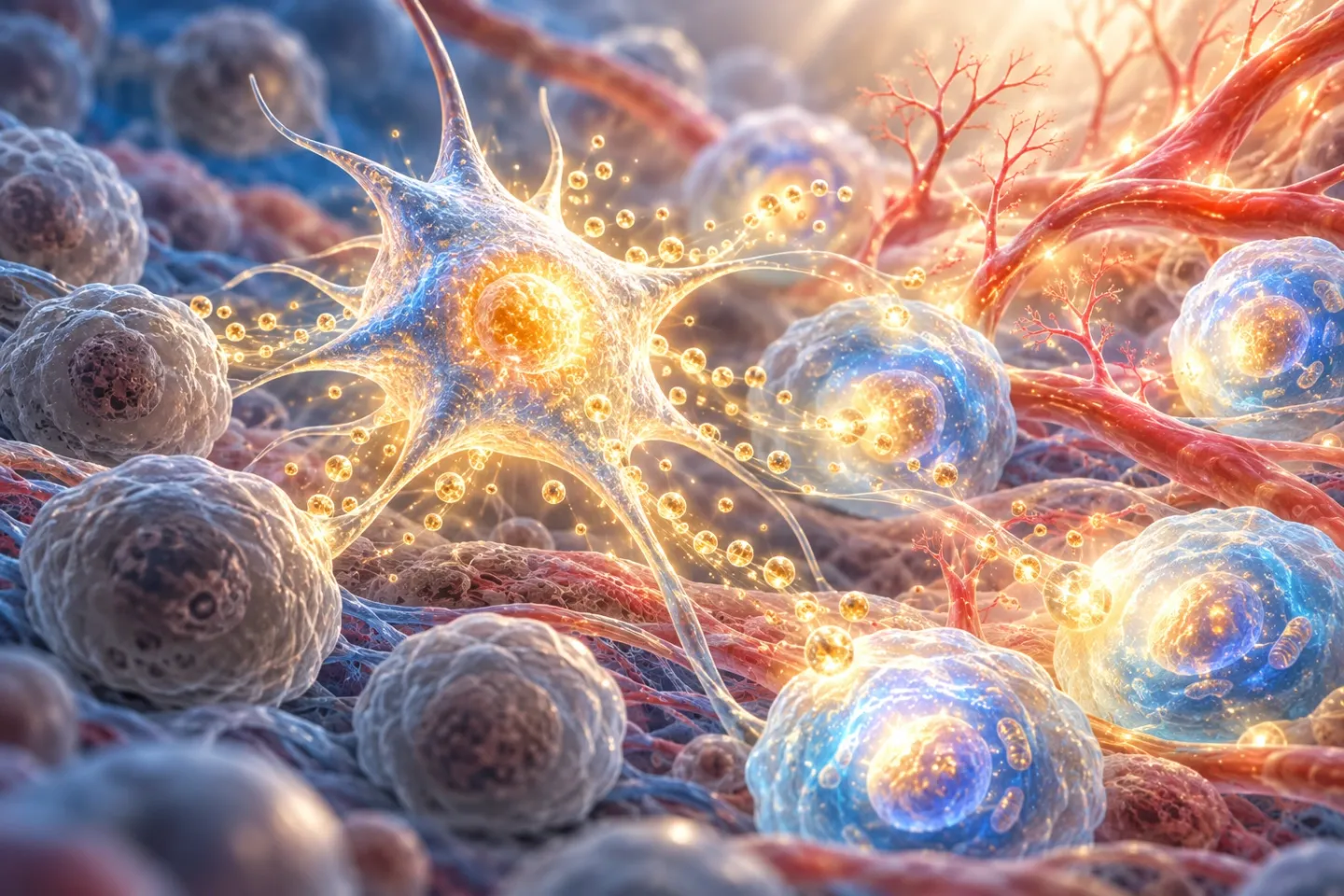
Stem cells are the body’s own repair specialists. Mesenchymal stem cells, found in bone marrow, fat and the umbilical cord, can renew themselves and develop into tissues such as bone, cartilage and tendon.257 Yet their greatest strength lies in the signals they send to the cells around them. Scientists now understand that stem cells work mainly as messengers, releasing growth factors and other molecules that help your own cells protect, repair and renew damaged tissue.214
Once in the body, stem cells help in five complementary ways:
- Homing. Stem cells are drawn towards injured or inflamed tissue,1 and in research models they gathered in damaged heart muscle within 24 hours.58
- Growth factors. Their signals protect stressed cells, limit scarring and encourage the body’s own repair cells to multiply.2
- Immune balance. Stem cells calm overactive immune cells and help settle chronic inflammation, which is linked with many long-term conditions.330
- Exosomes. These tiny packages, about a ten-thousandth of a millimetre across, carry proteins and RNA from cell to cell;59 in research models, stem cell exosomes passed on RNA messages that helped damaged cells grow again.60
- New blood vessels. Stem cell signals encourage new small blood vessels that bring oxygen and nutrients to healing tissue,2 and exosomes from CD34+ stem cells stimulated vessel growth in research models.6162
This is why stem cell therapy sits so comfortably alongside the care you already receive, from medicines to physiotherapy: it is designed to support your body’s own healing from within. In the sections above, you can read what patients in published studies experienced, condition by condition, and see how this could help you too.
How stem cells help your body heal
- HomingStem cells are drawn towards injured or inflamed tissue.1
- SignallingThey release growth factors and immune-balancing messengers.23
- ExosomesTiny packages carry proteins and RNA to your own cells.59
- RepairYour own cells protect and renew the tissue, helped by new small blood vessels.2
Read more about stem cell therapy and exosome therapy at our clinic in Istanbul.
11
Wharton’s jelly stem cells and exosomes: what we use and why
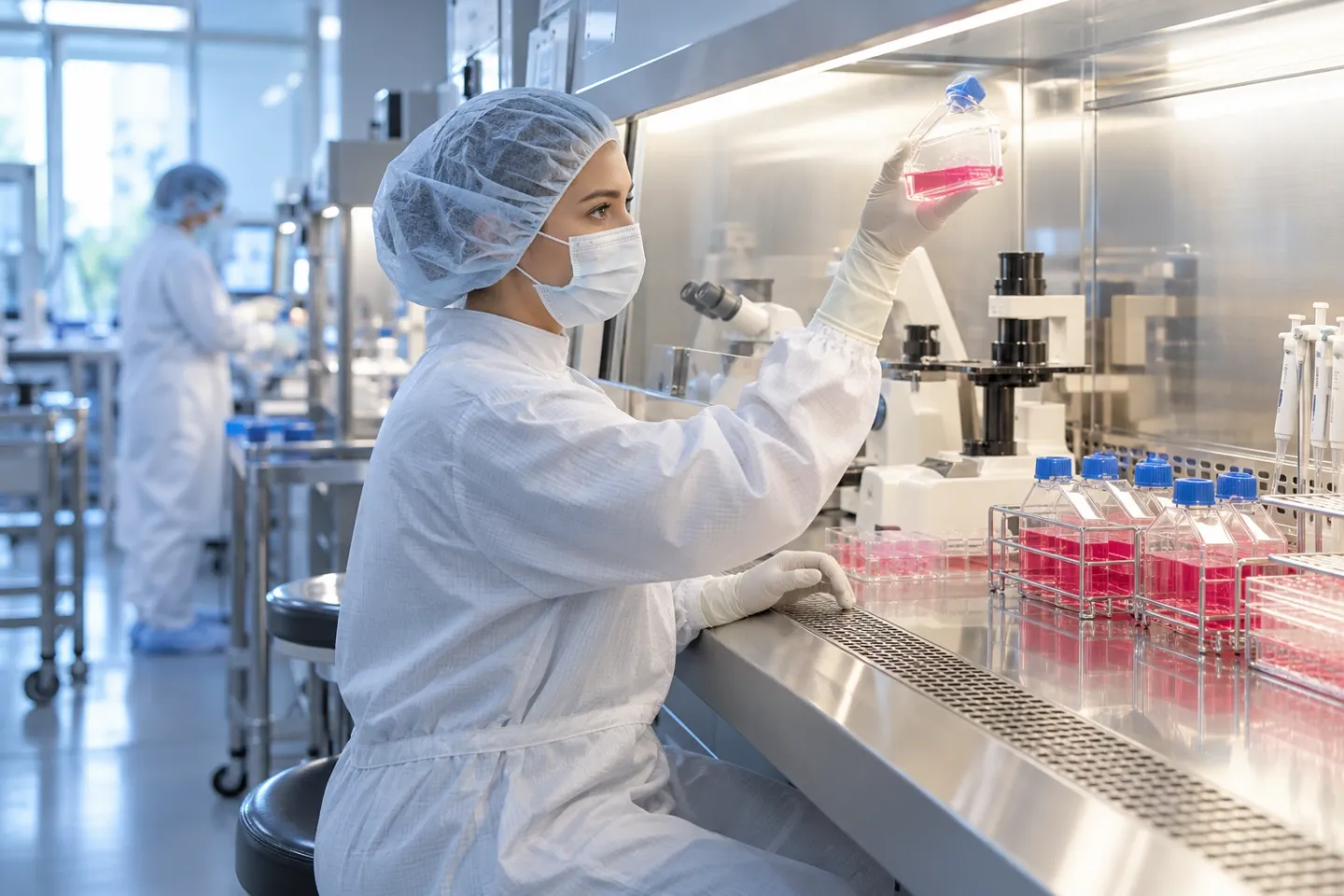
At Istanbul Stemcell, your treatment uses fresh mesenchymal stem cells from Wharton’s jelly, the soft, protective tissue inside the umbilical cord that cushions its blood vessels. The cords are donated after healthy births, so nothing needs to be taken from your own body: no bone marrow or fat harvest, and no weeks of waiting while your own cells are grown.
Wharton’s jelly cells are some of the youngest mesenchymal stem cells available to medicine, collected at the very start of life. They multiply quickly, have strong immune-balancing abilities and are well accepted by the immune system.63 In a trial of umbilical cord stem cells in heart failure, laboratory tests showed 55 times higher expression of hepatocyte growth factor, a signal for muscle repair and immune balance, than in bone marrow stem cells, and none of the patients tested formed antibodies against the donor cells.18
We prepare your cells and exosomes especially for your treatment date in a Ministry of Health-approved GMP laboratory, and we never freeze them, so they reach you fresh and ready. Before you travel, Dr. Cihan Bolat personally reviews your case free of charge, and you receive a written plan with a fixed price, so you know every step in advance.
Young, fast-growing cells
In laboratory comparisons, Wharton’s jelly stem cells multiplied faster than bone marrow stem cells and showed more activity in genes for signals supporting blood vessels and nerves.6465
No donor matching needed
These cells lack the signals that switch on rejection and stirred no immune reaction in laboratory tests, so no matching is needed.7
12
More conditions we treat with stem cells
The nine conditions above are only part of what stem cell therapy can support. Our in-depth guides explain, condition by condition, how fresh Wharton’s jelly stem cells and exosomes work and what patients in published studies experienced:
Autism
How stem cells and exosomes support communication, behaviour and development in children with autism. Read the guide
Cerebral palsy
Support for movement, muscle tone and everyday skills, alongside your child’s rehabilitation. Read the guide
Heart failure
Stem cells for a stronger pumping heart, easier breathing and more energy. Read the guide
Lupus
Calming an overactive immune system for more good days. Read the guide
Kidney disease
Helping protect the kidney function you have. Read the guide
Crohn’s disease and colitis
Calming the inflamed gut for more freedom in daily life. Read the guide
Arthritis and joint pain
Less pain and easier movement in knees, hips and other joints. Read the guide
Hair restoration
Exosomes and stem cell signals that support thicker, healthier hair. Read the guide
Looking for another condition? See all the conditions we treat.
13
Your stem cell treatment in Istanbul, step by step
Free medical review
Send us your diagnosis and recent test results. Dr. Cihan Bolat reviews your case personally and free of charge.
Written plan and fixed price
If stem cell therapy suits you, you receive a written plan with a fixed price before you travel.
Fresh cells for your date
Your Wharton’s jelly stem cells and exosomes are prepared for your treatment date in a Ministry of Health-approved GMP laboratory, never frozen.
Your treatment in Istanbul
Our team welcomes you and guides you through your treatment day, calmly and at your pace.
Follow-up at home
We stay in touch and review your progress with you at about 1, 3, 6 and 12 months.
Read the full story of a treatment journey in The stem cell treatment in Turkey, step by step.
14
Istanbul Stemcell and IstanbulStamcel.nl
IstanbulStamcel.nl is our Dutch-language website. Patients from the Netherlands and Belgium can read about stem cell therapy in their own language and request a free evaluation there.
This article is also available in Dutch: Stamcellen: de belofte van genezing en vernieuwing.
15
Frequently asked questions
What conditions can stem cell therapy help?
Stem cells have been studied in a wide range of conditions, including multiple sclerosis, heart disease, diabetes, joint and sports injuries, erectile dysfunction, liver disease and healthy aging. In published studies, patients experienced benefits such as better mobility, less pain, stronger organ function and a better quality of life. During your free medical review, Dr. Cihan Bolat looks at your diagnosis and records and tells you honestly whether stem cell therapy is a good fit for you.
How does stem cell therapy work?
Stem cells work mainly as messengers. Once in the body, they are drawn towards injured or inflamed tissue and release growth factors, immune-balancing signals and exosomes, tiny packages of proteins and RNA. These signals help calm inflammation, protect stressed cells, support new small blood vessels and encourage your own repair cells to rebuild healthy tissue. In other words, stem cell therapy is designed to strengthen the healing power your body already has.
What are Wharton’s jelly stem cells?
Wharton’s jelly is the soft, protective tissue inside the umbilical cord. It is rich in young mesenchymal stem cells that multiply quickly and release a strong mix of growth factors. The cords are donated after healthy births, so nothing has to be taken from your own body. At Istanbul Stemcell we prepare these cells fresh for your treatment date in a Ministry of Health-approved GMP laboratory, and we never freeze them.
Are Wharton’s jelly stem cells safe?
The published safety record of mesenchymal stem cells, the family that Wharton’s jelly cells belong to, is reassuring. An analysis of 62 randomised trials with more than 3,500 participants found stem cell treatment to be safe compared with placebo, with no serious side effects found across the studies. Wharton’s jelly cells need no donor matching, and Dr. Cihan Bolat plans every treatment around your own health and medical history.
What are exosomes and how do they help?
Exosomes are tiny packages, about a ten-thousandth of a millimetre across, that cells use to talk to one another. Those released by stem cells carry proteins and RNA that help other cells calm inflammation and repair themselves. Your plan can include Wharton’s jelly MSC exosomes and CD34+ exosomes, which deliver these repair messages in concentrated form. In research models, CD34+ exosomes encouraged the growth of new small blood vessels.
How long do stem cell results last?
Results differ from person to person and from condition to condition, so we prefer to be honest rather than promise a number. In published studies, many patients still enjoyed their improvements a year after treatment, and some knee and shoulder studies followed patients for two years or longer with lasting benefit. Some people later choose a further session to build on their result. We review your progress with you at about 1, 3, 6 and 12 months.
How soon will I notice results after stem cell therapy?
Because stem cells support your body’s own repair, changes usually build gradually rather than overnight. In clinical studies, some patients noticed better wellbeing, mobility or less pain within the first one to three months, and many results continued to grow for six to twelve months. Everyone’s timeline is a little different, which is why our follow-up reviews at about 1, 3, 6 and 12 months help you see your progress clearly.
Do I need a donor match for stem cell therapy?
No. Wharton’s jelly stem cells carry very few of the markers the immune system uses to recognise foreign cells, and in laboratory tests they did not stir an immune reaction. That is why no donor matching is needed. It also means nothing is taken from your own body: there is no bone marrow or fat harvest and no waiting while your own cells are grown, so your treatment can be planned around your diary.
Can stem cell therapy be combined with my current treatment?
Yes, stem cell therapy is designed to work alongside the care you already receive, such as your medicines, physiotherapy or rehabilitation programme. In many studies, stem cells were added to standard treatment, and in one trial in erectile dysfunction, combining stem cells with shockwave therapy gave the best results of all. Dr. Cihan Bolat reviews your current treatment and medicines during your free medical review, so your plan fits smoothly with your existing care.
How do I start stem cell treatment in Istanbul?
It starts with a free medical review. You send us your diagnosis, recent test results and any questions, and Dr. Cihan Bolat looks at your case personally. If stem cell therapy suits you, you receive a written plan with a fixed price before you travel. Your fresh Wharton’s jelly stem cells and exosomes are prepared for your date, and after treatment we stay in touch with follow-up at about 1, 3, 6 and 12 months.

Medical review
Uzm. Dr. Cihan Bolat
Medical Director, Istanbul Stemcell
This page was written from the published studies listed below and reviewed for medical accuracy on .
16
References
- Schulman IH, Balkan W, Hare JM. Mesenchymal Stem Cell Therapy for Aging Frailty. Front Nutr. 2018;5:108. PMID 30498696
- Caplan AI, Dennis JE. Mesenchymal stem cells as trophic mediators. J Cell Biochem. 2006;98(5):1076-84. PMID 16619257
- Yang G, et al. Immunomodulatory Mechanisms and Therapeutic Potential of Mesenchymal Stem Cells. Stem Cell Rev Rep. 2023;19(5):1214-1231. PMID 37058201
- Ruiz JG, et al. Randomized phase 2b dose-escalation trial of stem cell therapy with laromestrocel for aging frailty. Cell Stem Cell. 2026;33(3):393-404.e4. PMID 41747733
- Al Demour S, et al. Safety and Efficacy of 2 Intracavernous Injections of Allogeneic Wharton's Jelly-Derived Mesenchymal Stem Cells in Diabetic Patients with Erectile Dysfunction: Phase 1/2 Clinical Trial. Urol Int. 2021;105(11-12):935-943. PMID 34384079
- Hernigou P, et al. Biologic augmentation of rotator cuff repair with mesenchymal stem cells during arthroscopy improves healing and prevents further tears: a case-controlled study. Int Orthop. 2014;38(9):1811-8. PMID 24913770
- Weiss ML, et al. Immune properties of human umbilical cord Wharton's jelly-derived cells. Stem Cells. 2008;26(11):2865-74. PMID 18703664
- Uccelli A, Laroni A, Freedman MS. Mesenchymal stem cells for the treatment of multiple sclerosis and other neurological diseases. Lancet Neurol. 2011;10(7):649-56. PMID 21683930
- Baharlooi H, et al. Umbilical cord mesenchymal stem cells as well as their released exosomes suppress proliferation of activated PBMCs in multiple sclerosis. Scand J Immunol. 2021;93(6):e13013. PMID 33338274
- Qin D, et al. Exosomal miR-23a-3p derived from human umbilical cord mesenchymal stem cells promotes remyelination in central nervous system demyelinating diseases by targeting Tbr1/Wnt pathway. J Biol Chem. 2024;300(1):105487. PMID 37995941
- Kråkenes T, et al. The Therapeutic Potential of Exosomes from Mesenchymal Stem Cells in Multiple Sclerosis. Int J Mol Sci. 2024;25(19). PMID 39408622
- Li JF, et al. The potential of human umbilical cord-derived mesenchymal stem cells as a novel cellular therapy for multiple sclerosis. Cell Transplant. 2014;23 Suppl 1:S113-22. PMID 25385295
- Petrou P, et al. Beneficial effects of autologous mesenchymal stem cell transplantation in active progressive multiple sclerosis. Brain. 2020;143(12):3574-3588. PMID 33253391
- Gnecchi M, et al. Paracrine mechanisms in adult stem cell signaling and therapy. Circ Res. 2008;103(11):1204-19. PMID 19028920
- Nguyen-Truong M, Hematti P, Wang Z. Current status of myocardial restoration via the paracrine function of mesenchymal stromal cells. Am J Physiol Heart Circ Physiol. 2021;321(1):H112-H127. PMID 34085844
- Premer C, et al. Allogeneic Mesenchymal Stem Cells Restore Endothelial Function in Heart Failure by Stimulating Endothelial Progenitor Cells. EBioMedicine. 2015;2(5):467-75. PMID 26137590
- Khan K, et al. Extracellular Vesicles as a Cell-free Therapy for Cardiac Repair: a Systematic Review and Meta-analysis of Randomized Controlled Preclinical Trials in Animal Myocardial Infarction Models. Stem Cell Rev Rep. 2022;18(3):1143-1167. PMID 35107768
- Bartolucci J, et al. Safety and Efficacy of the Intravenous Infusion of Umbilical Cord Mesenchymal Stem Cells in Patients With Heart Failure: A Phase 1/2 Randomized Controlled Trial (RIMECARD Trial [Randomized Clinical Trial of Intravenous Infusion Umbilical Cord Mesenchymal Stem Cells on Cardiopathy]). Circ Res. 2017;121(10):1192-1204. PMID 28974553
- Gao LR, et al. Intracoronary infusion of Wharton's jelly-derived mesenchymal stem cells in acute myocardial infarction: double-blind, randomized controlled trial. BMC Med. 2015;13:162. PMID 26162993
- Shen T, et al. A Systematic Review and Meta-Analysis: Safety and Efficacy of Mesenchymal Stem Cells Therapy for Heart Failure. Curr Stem Cell Res Ther. 2021;16(3):354-365. PMID 32867655
- Madec AM, et al. Mesenchymal stem cells protect NOD mice from diabetes by inducing regulatory T cells. Diabetologia. 2009;52(7):1391-9. PMID 19421731
- Si Y, et al. Infusion of mesenchymal stem cells ameliorates hyperglycemia in type 2 diabetic rats: identification of a novel role in improving insulin sensitivity. Diabetes. 2012;61(6):1616-25. PMID 22618776
- Zang L, et al. Efficacy and safety of umbilical cord-derived mesenchymal stem cells in Chinese adults with type 2 diabetes: a single-center, double-blinded, randomized, placebo-controlled phase II trial. Stem Cell Res Ther. 2022;13(1):180. PMID 35505375
- Carlsson PO, et al. Umbilical cord-derived mesenchymal stromal cells preserve endogenous insulin production in type 1 diabetes: a Phase I/II randomised double-blind placebo-controlled trial. Diabetologia. 2023;66(8):1431-1441. PMID 37221247
- Kishta MS, et al. The transforming role of wharton's jelly mesenchymal stem cell-derived exosomes for diabetic foot ulcer healing: a randomized controlled clinical trial. Stem Cell Res Ther. 2025;16(1):559. PMID 41084065
- Świątkowska-Flis B, et al. The use of umbilical cord-derived mesenchymal stem cells in patients with muscular dystrophies: Results from compassionate use in real-life settings. Stem Cells Transl Med. 2021;10(10):1372-1383. PMID 34313400
- Ichim TE, et al. Mesenchymal stem cells as anti-inflammatories: implications for treatment of Duchenne muscular dystrophy. Cell Immunol. 2010;260(2):75-82. PMID 19917503
- Bier A, et al. Placenta-derived mesenchymal stromal cells and their exosomes exert therapeutic effects in Duchenne muscular dystrophy. Biomaterials. 2018;174:67-78. PMID 29783118
- Dai A, et al. Efficacy of stem cell therapy in ambulatory and nonambulatory children with Duchenne muscular dystrophy - Phase I-II. Degener Neurol Neuromuscul Dis. 2018;8:63-77. PMID 30498389
- Ferrucci L, Fabbri E. Inflammageing: chronic inflammation in ageing, cardiovascular disease, and frailty. Nat Rev Cardiol. 2018;15(9):505-522. PMID 30065258
- Stack ER, et al. Clinical Advances in Exosome-Based Therapies for Aesthetic Medicine: A Systematic Review and Meta-analysis of Human Clinical Trials. Aesthet Surg J. 2026;46(12 Suppl 2):S13-S25. PMID 41800726
- Zhu Y, et al. Safety and efficacy of umbilical cord tissue-derived mesenchymal stem cells in the treatment of patients with aging frailty: a phase I/II randomized, double-blind, placebo-controlled study. Stem Cell Res Ther. 2024;15(1):122. PMID 38679727
- Nguyen LT, et al. Safety and efficacy of allogeneic umbilical cord-derived mesenchymal stem cell infusion for frailty: a phase 2, single-centre, randomised, open-label controlled trial. EBioMedicine. 2026;127:106268. PMID 42019090
- Heris RM, et al. The potential use of mesenchymal stem cells and their exosomes in Parkinson's disease treatment. Stem Cell Res Ther. 2022;13(1):371. PMID 35902981
- Mante N, et al. Advances in Parkinson's disease management using umbilical cord-derived mesenchymal stem cells. J Neuroimmunol. 2026;416:578911. PMID 41861502
- Chen HX, et al. Exosomes derived from mesenchymal stem cells repair a Parkinson's disease model by inducing autophagy. Cell Death Dis. 2020;11(4):288. PMID 32341347
- Schiess M, et al. Allogeneic Bone Marrow-Derived Mesenchymal Stem Cell Safety in Idiopathic Parkinson's Disease. Mov Disord. 2021;36(8):1825-1834. PMID 33772873
- Zhao J, et al. Efficacy and efficacy-influencing factors of stem cell transplantation on patients with Parkinson's disease: a systematic review and meta-analysis. Front Neurol. 2024;15:1329343. PMID 38682036
- Patel AA, et al. The promise of mesenchymal stromal/stem cells in erectile dysfunction treatment: a review of current insights and future directions. Stem Cell Res Ther. 2025;16(1):98. PMID 40012076
- Fu X, et al. Advances in stem cell therapy for erectile dysfunction: preclinical evidence and emerging therapeutic approaches. Front Med (Lausanne). 2025;12:1519095. PMID 40241900
- Wu JH, et al. Human umbilical cord Wharton's jelly-derived mesenchymal stem cell transplantation could improve diabetic intracavernosal pressure. Asian J Androl. 2022;24(2):171-175. PMID 33975986
- Zhu Y, et al. Effects of stem cell-derived exosome therapy on erectile dysfunction: a systematic review and meta-analysis of preclinical studies. Sex Med. 2023;11(2):qfac019. PMID 36910707
- Ji YH, et al. High-activity placenta-derived mesenchymal stem cells combined with low-intensity extracorporeal shock wave therapy for diabetic erectile dysfunction: a prospective randomized controlled trial. Stem Cell Res Ther. 2025;16(1):359. PMID 40629484
- Senel S, et al. Stem cell therapy for erectile dysfunction: promise or reality? - a systematic review and meta-analysis of clinical trials. BMC Urol. 2025;25(1):222. PMID 40883730
- Pan X, Gao T, Wang B. Mechanisms, efficacy, and future perspectives of cellular-based therapies for liver fibrosis/cirrhosis: focusing on mesenchymal stromal cells. Cell Biosci. 2025;16(1):11. PMID 41469927
- Li T, et al. Exosomes derived from human umbilical cord mesenchymal stem cells alleviate liver fibrosis. Stem Cells Dev. 2013;22(6):845-54. PMID 23002959
- Zhang Z, et al. Human umbilical cord mesenchymal stem cells improve liver function and ascites in decompensated liver cirrhosis patients. J Gastroenterol Hepatol. 2012;27 Suppl 2:112-20. PMID 22320928
- Shi M, et al. Mesenchymal stem cell therapy in decompensated liver cirrhosis: a long-term follow-up analysis of the randomized controlled clinical trial. Hepatol Int. 2021;15(6):1431-1441. PMID 34843069
- Suk KT, et al. Transplantation with autologous bone marrow-derived mesenchymal stem cells for alcoholic cirrhosis: Phase 2 trial. Hepatology. 2016;64(6):2185-2197. PMID 27339398
- Lu W, et al. Efficacy and safety of mesenchymal stem cell therapy in liver cirrhosis: a systematic review and meta-analysis. Stem Cell Res Ther. 2023;14(1):301. PMID 37864199
- Jiang L, et al. Mesenchymal stem cells: An efficient cell therapy for tendon repair (Review). Int J Mol Med. 2023;52(2). PMID 37387410
- Lui PPY. Mesenchymal Stem Cell-Derived Extracellular Vesicles for the Promotion of Tendon Repair - an Update of Literature. Stem Cell Rev Rep. 2021;17(2):379-389. PMID 32785869
- Zhang S, et al. MSC exosomes mediate cartilage repair by enhancing proliferation, attenuating apoptosis and modulating immune reactivity. Biomaterials. 2018;156:16-27. PMID 29182933
- Samara O, et al. Ultrasound-guided intra-articular injection of expanded umbilical cord mesenchymal stem cells in knee osteoarthritis: a safety/efficacy study with MRI data. Regen Med. 2022;17(5):299-312. PMID 35546314
- Lee SY, et al. Treatment of Lateral Epicondylosis by Using Allogeneic Adipose-Derived Mesenchymal Stem Cells: A Pilot Study. Stem Cells. 2015;33(10):2995-3005. PMID 26202898
- Lim HC, et al. Allogeneic Umbilical Cord Blood-Derived Mesenchymal Stem Cell Implantation Versus Microfracture for Large, Full-Thickness Cartilage Defects in Older Patients: A Multicenter Randomized Clinical Trial and Extended 5-Year Clinical Follow-up. Orthop J Sports Med. 2021;9(1):2325967120973052. PMID 33490296
- Kwon DG, et al. State of the Art: The Immunomodulatory Role of MSCs for Osteoarthritis. Int J Mol Sci. 2022;23(3). PMID 35163541
- Kraitchman DL, et al. Dynamic imaging of allogeneic mesenchymal stem cells trafficking to myocardial infarction. Circulation. 2005;112(10):1451-61. PMID 16129797
- Kalluri R, LeBleu VS. The biology, function, and biomedical applications of exosomes. Science. 2020;367(6478). PMID 32029601
- Tomasoni S, et al. Transfer of growth factor receptor mRNA via exosomes unravels the regenerative effect of mesenchymal stem cells. Stem Cells Dev. 2013;22(5):772-80. PMID 23082760
- Sahoo S, et al. Exosomes from human CD34(+) stem cells mediate their proangiogenic paracrine activity. Circ Res. 2011;109(7):724-8. PMID 21835908
- Mathiyalagan P, et al. Angiogenic Mechanisms of Human CD34(+) Stem Cell Exosomes in the Repair of Ischemic Hindlimb. Circ Res. 2017;120(9):1466-1476. PMID 28298297
- Marino L, et al. Mesenchymal Stem Cells from the Wharton's Jelly of the Human Umbilical Cord: Biological Properties and Therapeutic Potential. Int J Stem Cells. 2019;12(2):218-226. PMID 31022994
- Batsali AK, et al. Differential expression of cell cycle and WNT pathway-related genes accounts for differences in the growth and differentiation potential of Wharton's jelly and bone marrow-derived mesenchymal stem cells. Stem Cell Res Ther. 2017;8(1):102. PMID 28446235
- Hsieh JY, et al. Mesenchymal stem cells from human umbilical cord express preferentially secreted factors related to neuroprotection, neurogenesis, and angiogenesis. PLoS One. 2013;8(8):e72604. PMID 23991127