01
Umbilical Cord Stem Cell Therapy and Treatments at Istanbul Stem Cell
Revolutionizing Regenerative Medicine with Mesenchymal Stem Cells
The field of regenerative medicine has been revolutionized by the emergence of stem cell therapy using mesenchymal stem cells (MSCs), particularly those sourced from the ethically sound and rich medium of umbilical cord tissue. At Istanbul Stem Cell (www.istanbulstemcell.com), we harness the unique properties of MSCs to open new horizons in medical science, offering hope and healing for a range of conditions previously considered challenging to treat.
What Are Mesenchymal Stem Cells (MSCs)?
Mesenchymal stem cells are special cells capable of transforming into various cell types, including bone, cartilage, muscle, and nerve cells. Umbilical cord tissue provides a potent and ethically acceptable source of these stem cells. MSCs from umbilical cords are young and vibrant, exhibiting a high capacity for regeneration and repair.
Why Choose Umbilical Cord Stem Cells?
-
Ethically Sourced: Collected from donated umbilical cords after healthy births, causing no harm to the mother or child.
-
High Potency: Younger stem cells with greater regenerative abilities compared to adult stem cells.
-
Low Risk of Rejection: MSCs have immunomodulatory properties, reducing the likelihood of immune reactions.
-
Versatile Applications: Potential to aid in the treatment of various conditions, including degenerative diseases and injuries.
Potential Benefits for Autism and Other Conditions
Emerging research indicates that stem cell therapy using MSCs may offer promising avenues for supporting individuals with autism spectrum disorder (ASD). While studies are ongoing and more research is needed, potential benefits include:
-
Immune System Modulation: MSCs may help balance immune responses that could affect neurological function.
-
Neuroprotective Effects: Possibility of protecting nerve cells from damage.
-
Enhancement of Neural Connectivity: May improve communication pathways between neurons.
At Istanbul Stem Cell, we stay at the forefront of scientific advancements to provide therapies that aim to improve the quality of life for individuals with autism and other neurological conditions.
Our Expertise at Istanbul Stem Cell
Led by Uzm. Dr. Cihan Bolat, MD, Specialist in Anesthesiology & Reanimation and Regenerative Medicine, our clinic offers personalized stem cell therapies tailored to each patient's needs. We are committed to the highest standards of quality and safety, ensuring ethical practices in all our treatments.
Why Choose Istanbul Stem Cell?
-
Cutting-Edge Technology: Utilizing the latest advancements in stem cell processing and therapy.
-
Experienced Medical Team: Professionals dedicated to patient well-being and successful outcomes.
-
Comprehensive Patient Care: Providing support from initial consultation through post-treatment follow-up.
Contact Us Today
Discover how umbilical cord stem cell therapy may offer a transformative treatment option for you or your loved ones. Contact us at www.istanbulstemcell.com to schedule a consultation and explore the possibilities that regenerative medicine holds.
02
What is stem cell therapy?
Stem cell therapy uses living repair cells to support your body’s own healing. Our stem cell treatment is built on mesenchymal stem cell therapy: it uses mesenchymal stem cells (MSCs), which can be collected from bone marrow, fat tissue and the umbilical cord.13 MSCs can renew themselves and develop into tissues such as bone, cartilage, muscle, tendon and fat.1
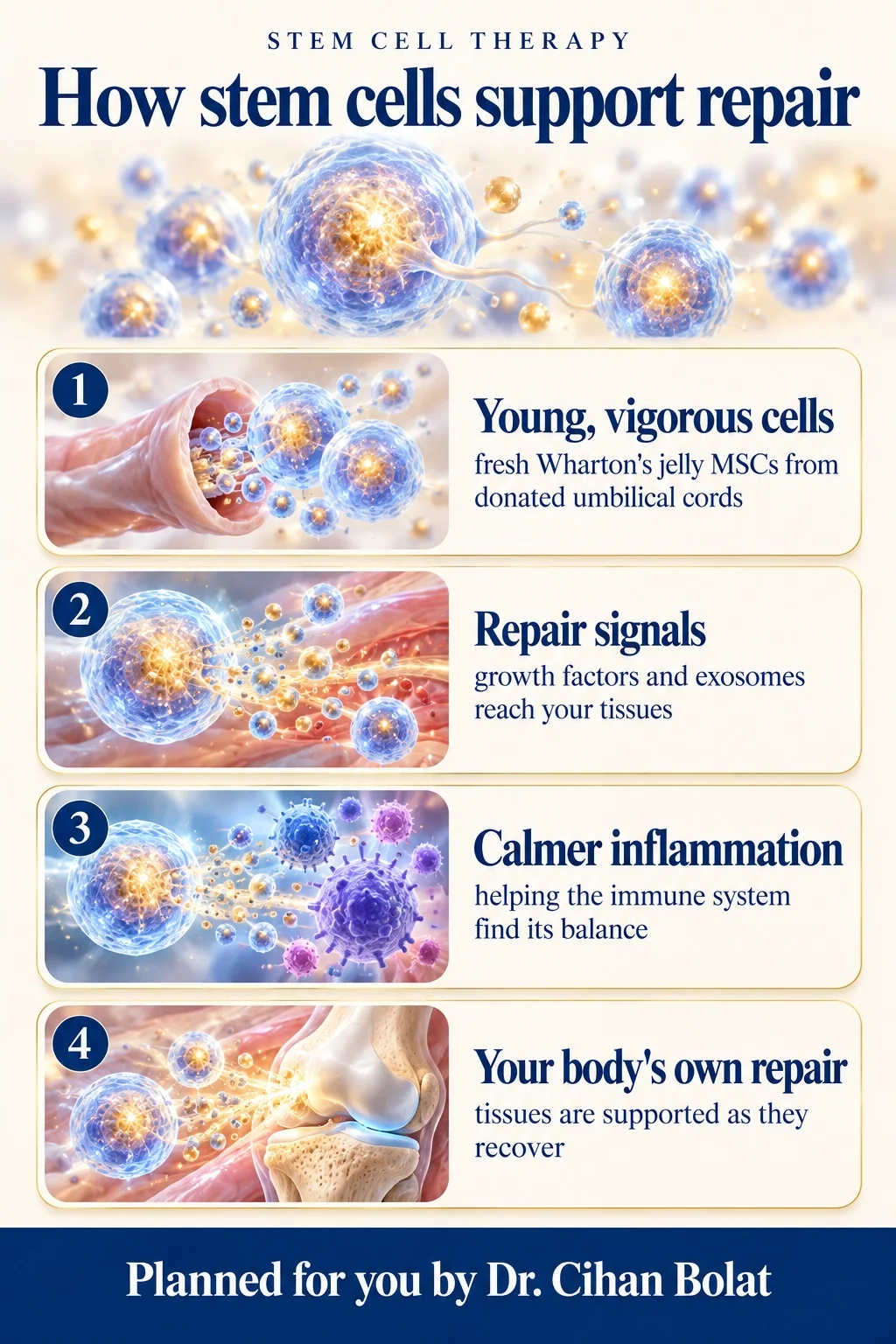
Yet their greatest strength lies in the signals they send. MSCs release growth factors and other messengers that calm the local immune system, limit scarring, protect stressed cells, encourage new blood vessels and stimulate the tissue’s own repair cells, effects that are distinct from the cells turning into new tissue themselves.1 In research models, MSCs protected injured kidneys through these signals, not by becoming kidney cells.14 Their help arrives in three main ways:
- Growth factors. Signals that protect stressed cells and support new small blood vessels.15
- Immune balance. MSCs influence most immune cells, largely through the factors they secrete.2
- Exosomes. Tiny vesicles, about 100 nanometres across, that carry proteins, lipids and genetic messages to your own cells;3 in laboratory studies, MSC exosomes raised the calming messengers IL-10 and TGF-β and encouraged regulatory T cells, the immune system’s peacekeepers.16
Why umbilical cord cells? Wharton’s jelly, the soft tissue inside the umbilical cord, holds some of the youngest MSCs available to medicine, collected at the very start of life from cords donated after healthy births. In side-by-side laboratory comparisons, Wharton’s jelly MSCs multiplied faster than bone marrow MSCs4 and produced more of the factors that support nerves and new blood vessels.17 They have immune-balancing properties and an immune-privileged status,18 and they lack the signals that switch on rejection, so no donor matching is needed.5 We use fresh umbilical cord and Wharton’s jelly MSCs, and your plan can add Wharton’s jelly MSC exosomes and CD34+ exosomes: read more about exosome therapy.
How stem cell therapy works
- Drawn to injuryMSCs home towards injured and inflamed tissue.19
- Repair signalsThey release growth factors that protect cells, limit scarring and support new blood vessels.1
- Immune balance and exosomesCalming signals and exosomes carry their messages to your own cells.23
- Your cells renewThe tissue’s own repair cells are stimulated to multiply and mature.1
03
Our stem cells: fresh umbilical cord MSCs and Wharton’s jelly MSCs
Stem cells are the body’s own repair cells. Mesenchymal stem cells (MSCs) can develop into tissues such as bone, cartilage and tendon, yet much of their benefit comes from the signals they release: growth factors and messengers that calm the immune system, limit scarring, support new blood vessels and wake up the body’s own repair cells.12 We use two kinds of fresh stem cells, both from umbilical cords donated after healthy births.
Our Wharton’s jelly MSCs come from Wharton’s jelly, the soft tissue that cushions the blood vessels of the umbilical cord. These young cells divide quickly and have strong immune-balancing abilities.18 In laboratory comparisons, they grew faster than bone marrow MSCs and produced more of the signals that support new blood vessels and nerve cells.417
Our umbilical cord MSCs come from the tissue of the umbilical cord itself. They too are young, vigorous cells with strong immune-balancing abilities: in 16 people with severe lupus, umbilical cord MSCs significantly reduced disease activity in every patient.20
Both kinds are prepared for your treatment date in a Ministry of Health-approved GMP laboratory in Turkey.
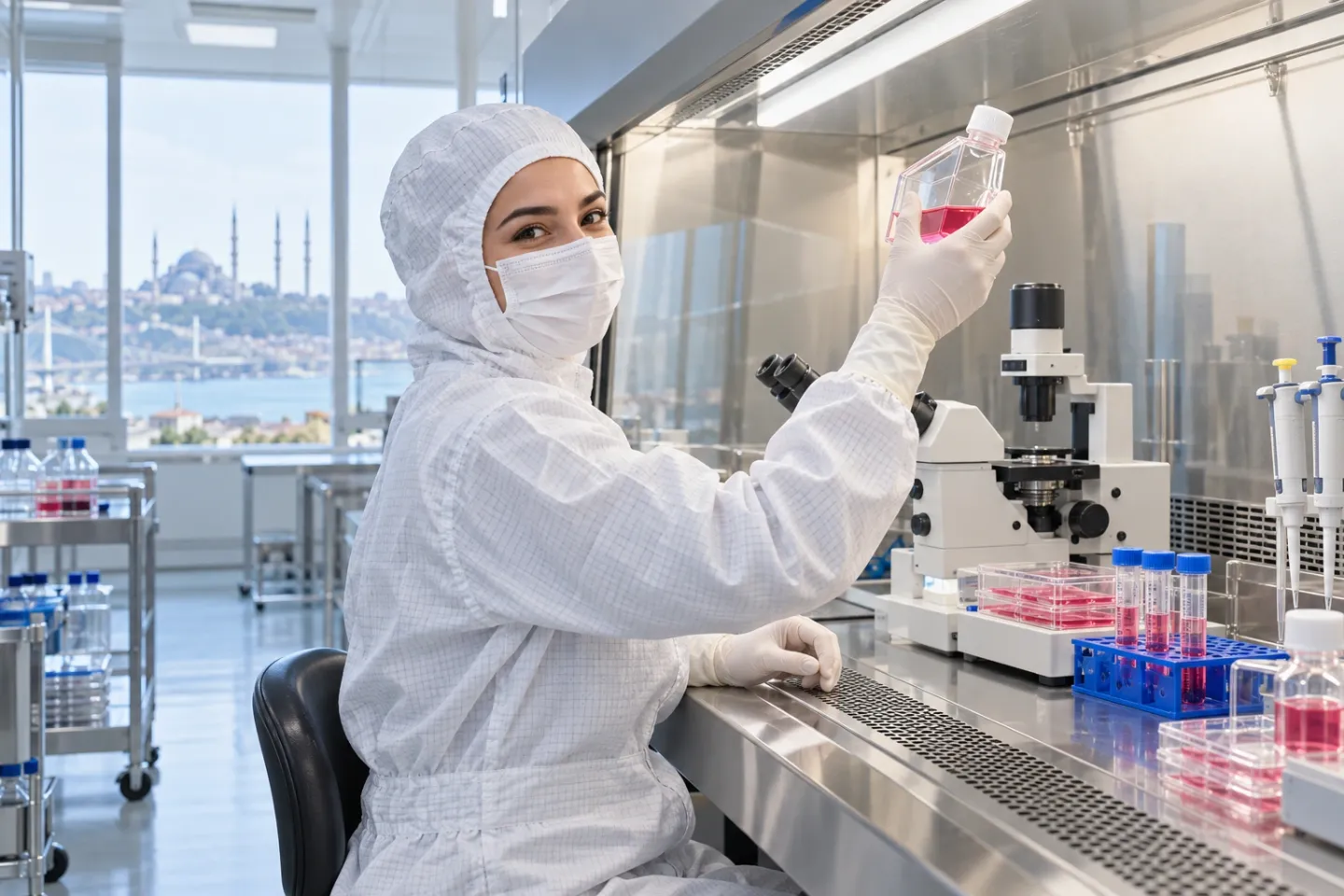
Wharton’s jelly MSCs
Young cells that the immune system accepts well. They lack the signals that switch on rejection and did not stimulate immune cells in laboratory tests, so no donor matching is needed.5
Umbilical cord MSCs
Young cells from the umbilical cord tissue. In a randomised trial in 219 people with decompensated cirrhosis, umbilical cord MSC infusions alongside standard care markedly improved albumin, clotting activity and bilirubin over 48 weeks.21
Checked and certified for you
The cell count of your plan is confirmed in writing, and the GMP laboratory checks and certifies the count and viability of your cells before treatment. You can also add Wharton’s jelly MSC exosomes and CD34+ exosomes.
04
Types of stem cells used in stem cell treatment
Several kinds of stem cells are used in treatment today. The best studied are mesenchymal stem cells (MSCs). They can be obtained from bone marrow, fat (adipose) tissue and the Wharton’s jelly of the umbilical cord, among other sources, and they work mainly through the signals they release.22 The main types are:
- Umbilical cord and Wharton’s jelly MSCs. Young cells from cords donated after healthy births, from the cord tissue and from Wharton’s jelly: the two sources we use. In a randomised heart failure trial, umbilical cord MSCs given by IV infusion improved the heart’s pumping strength, everyday function and quality of life over 12 months.7
- Bone marrow MSCs. The most extensively studied MSC population.4 In a sham-controlled trial in progressive multiple sclerosis, patients’ own bone marrow MSCs given into the spinal fluid left 58.6% free of any sign of disease activity for a year, against 9.7% after sham treatment.23
- Adipose (fat) MSCs. In a phase III placebo-controlled trial in 261 people with knee osteoarthritis, patients’ own adipose MSCs gave significantly greater pain relief and better function after 6 months.24
- CD34+ cells. Progenitor cells that support new small blood vessels. Their exosomes, CD34+ exosomes, can be added to your plan as part of exosome therapy: in research models, exosomes from human CD34+ cells improved blood flow and the number of small blood vessels in a leg with poor circulation.25
Your own cells or donated cells? Autologous treatment uses your own cells, so they must first be harvested, for example from the bone marrow of the hip or from fat, and then prepared in the laboratory. Treatment with donated umbilical cord cells needs no harvest: nothing is taken from your body. Donor cells also do well in direct comparisons. In a randomised trial in heart failure, donor bone marrow MSCs improved walking distance more than patients’ own cells,26 and in another heart failure trial, none of the patients tested developed antibodies against donor umbilical cord MSCs.7
05
How stem cell therapy is given: 18 routes, chosen for your goals
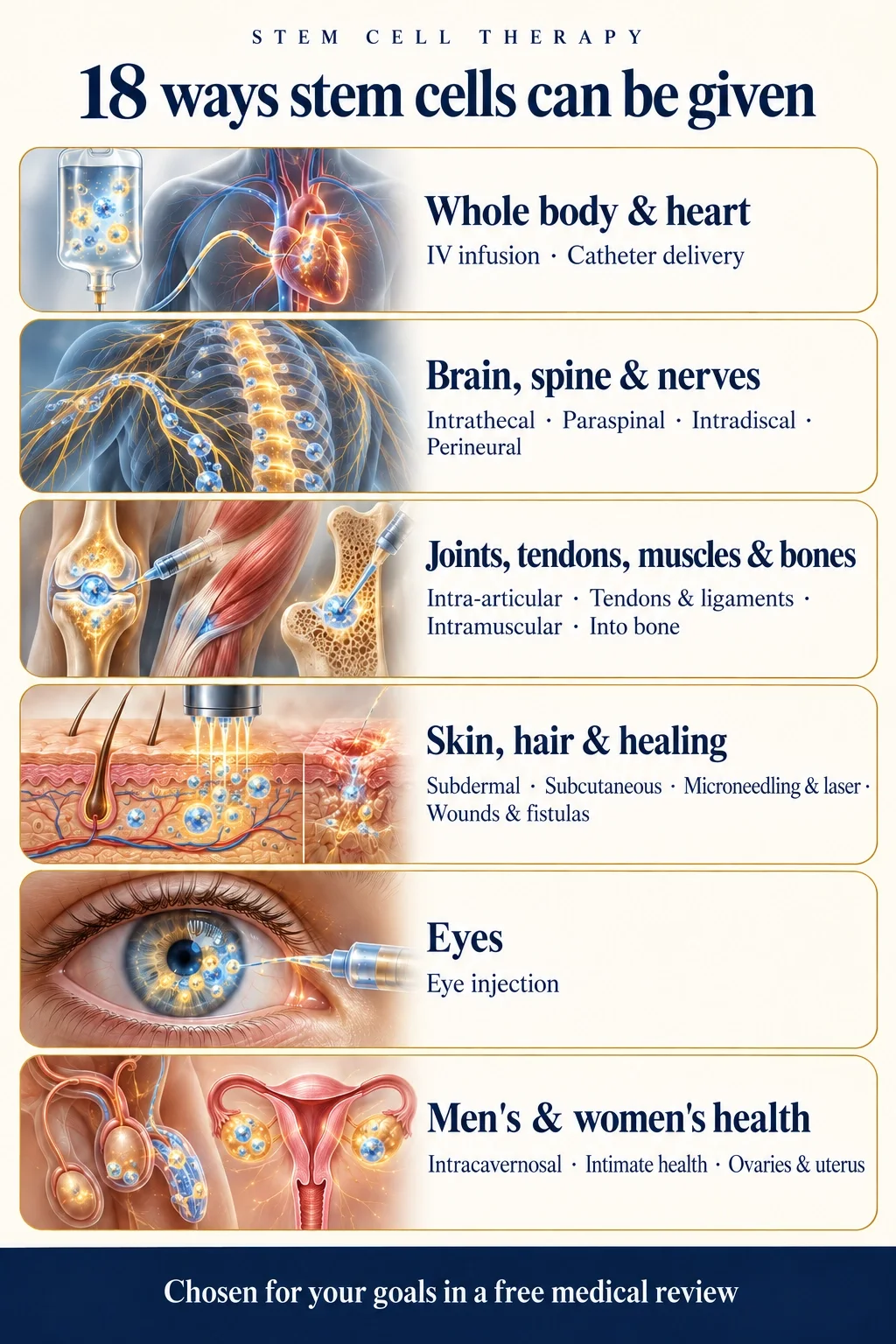
Stem cells are wonderfully versatile. They can be given in 18 different ways, so their repair signals reach the place where your body needs them most. An IV infusion carries them through the bloodstream to the whole body, and intrathecal treatment brings them close to the brain and spinal cord. Fine, precise injections place them beside the spine, in a spinal disc or around a nerve; in a joint, tendon, ligament, muscle or bone; in the scalp, the skin or a slow-healing wound; around the eye; and in the erectile tissue, the intimate tissues, the ovaries or the uterus. A catheter can bring them straight to the heart. Many plans combine routes, for example an IV infusion for whole-body support with an injection into a painful knee. Dr. Cihan Bolat chooses the route, or a combination, for your goals in your free medical review.
Where stem cell therapy can be given
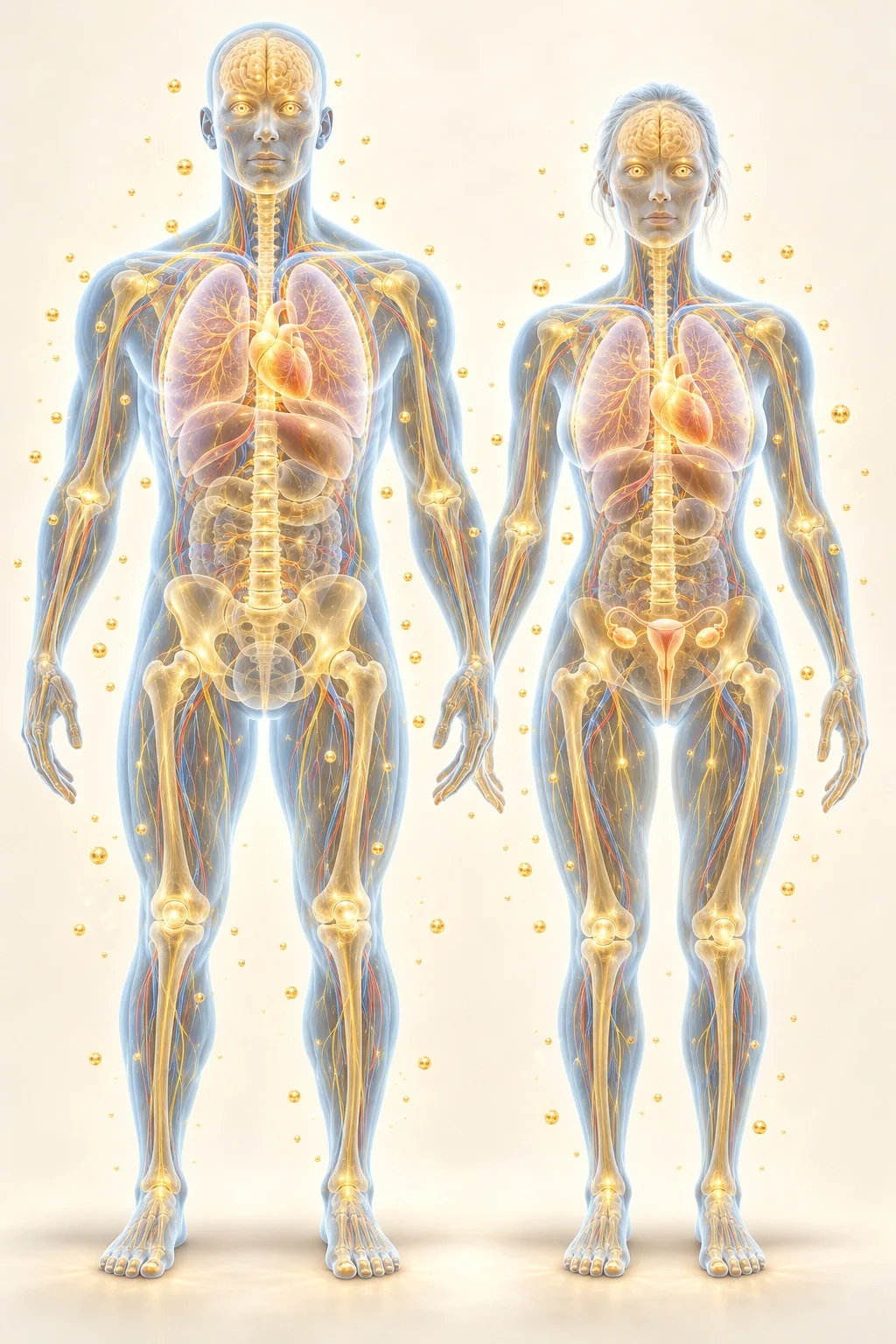
- IV infusionInto a vein, through the whole body.
- Heart by catheterInto the arteries of the heart.
- IntrathecalInto the fluid around the spinal cord.
- ParaspinalBeside the spine.
- IntradiscalInto a spinal disc.
- PerineuralAround a nerve.
- Intra-articularInto a joint, such as the knee.
- Tendons and ligamentsInto or beside a tendon, ligament or bursa.
- IntramuscularInto a muscle, such as the shoulder.
- Into boneInto a bone or a fracture.
- SubdermalInto the scalp and the skin.
- SubcutaneousJust under the skin.
- Microneedling and laserOnto freshly treated skin or scalp.
- Wounds and fistulasOnto or into a wound, ulcer or fistula.
- Eye injectionAround the eyeball, near the retina.
- IntracavernosalInto the erectile tissue.
- Women’s intimate healthThe vaginal wall, the vulva or around the urethra.
- Ovaries and uterusInto the ovaries or the uterus.
| Route | How it is given | Often chosen for |
|---|---|---|
| IV infusion | A slow drip while you relax | Whole-body goals, autoimmune and inflammatory conditions, healthy ageing |
| Heart by catheter | A thin catheter, as in an angiogram | Heart failure, ischaemic cardiomyopathy |
| Intrathecal | A very fine needle in the lower back | Autism, cerebral palsy, MS, spinal cord injury |
| Paraspinal | Fine injections beside the spine | Back and neck pain, facet joint pain |
| Intradiscal | A precise, image-guided injection | Worn discs and disc-related back pain |
| Perineural | A fine injection around the nerve | Nerve pain, neuropathy, occipital neuralgia |
| Intra-articular | A precise injection into the joint | Knee, hip and shoulder arthritis, cartilage |
| Tendons and ligaments | A precise injection at the injured spot | Tennis elbow, Achilles and shoulder pain, sports injuries |
| Intramuscular | A small injection into a muscle | Muscle recovery, poor circulation in the legs |
| Into bone | A precise, image-guided injection | Slow-healing fractures, hip avascular necrosis |
| Subdermal | Tiny, shallow injections | Thinning hair, skin rejuvenation, scars |
| Subcutaneous | A fine injection under the skin | Slow-healing wounds, soft tissue support |
| Microneedling and laser | Applied straight after the session | Fine lines, skin quality, acne scars |
| Wounds and fistulas | Applied, or injected at the wound | Diabetic foot ulcers, perianal fistulas |
| Eye injection | A fine injection, usually after numbing drops | Retinitis pigmentosa and optic nerve conditions |
| Intracavernosal | A short, discreet injection with a very fine needle | Erectile dysfunction |
| Women’s intimate health | Fine injections after numbing | Intimate wellness after menopause, bladder leaks |
| Ovaries and uterus | A fine needle or a thin, soft tube | Low ovarian reserve, a thin endometrium |
05.1
IV stem cell therapy for the whole body, and catheter delivery to the heart
An IV infusion is the most familiar way to receive stem cells: you sit back and relax while the cells and their repair signals travel through the bloodstream to the whole body. For the heart, a thin catheter can bring them straight into the coronary arteries.
IV infusion
In IV stem cell therapy, also called a stem cell infusion, the bloodstream carries the cells through the whole body. In research models, human bone marrow MSCs given into a vein paused in the lungs and began making the calming protein TSG-6, which lowered inflammation and helped the heart recover after a heart attack.27 In people, the results are promising. In a randomised trial in 30 people with heart failure, one IV infusion of umbilical cord (Wharton’s jelly) MSCs raised the heart’s pumping strength (ejection fraction) by 7.07 points in a year, against 1.85 with placebo, and improved functional class and quality of life.7 In 16 people with severe lupus, umbilical cord MSCs significantly reduced disease activity in every patient.20 Read about heart failure, lupus and healthy ageing.
Catheter delivery (intracoronary or intramyocardial)
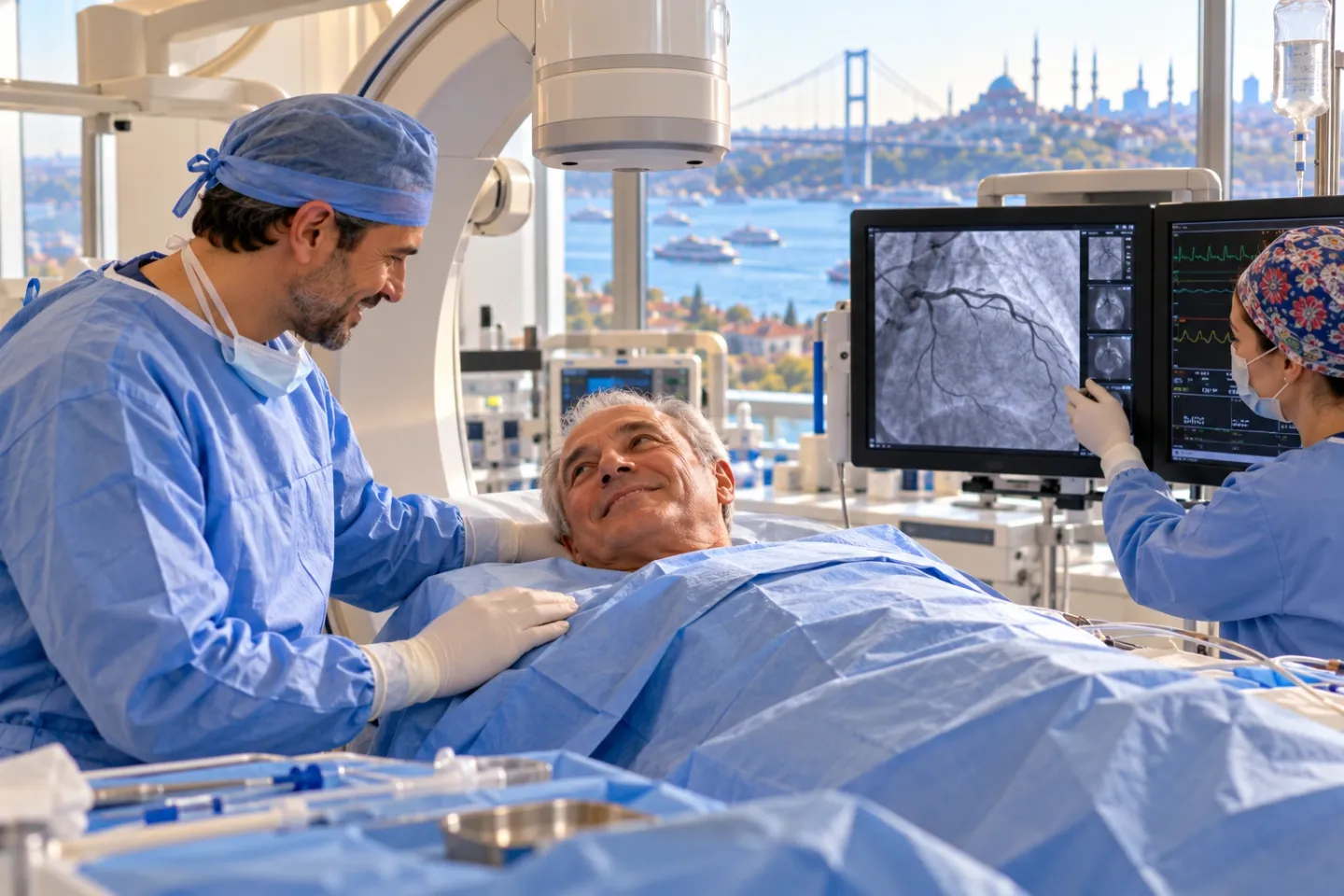
A catheter brings stem cells into the coronary arteries or the heart muscle itself. In a double-blind, randomised trial in 116 people after a heart attack, Wharton’s jelly MSCs given into the infarct artery raised ejection fraction, the heart’s pumping strength, by 7.8 points at 18 months, against 2.8 with placebo.28 Donor bone marrow MSCs injected into the heart muscle raised ejection fraction by 8.0 points in POSEIDON-DCM,26 and in ixCELL-DCM, an expanded therapy from patients’ own bone marrow cut cardiac events by 37% against placebo.29 Read more about stem cell therapy for heart failure and ischaemic cardiomyopathy.

05.2
Stem cells for the brain, spine and nerves: intrathecal, back pain, disc and nerve injections
The brain, spinal cord and nerves are well protected, so the route matters. Intrathecal treatment brings stem cells into the fluid around the brain and spinal cord, and precise injections beside the spine, into a disc or around a nerve help with back pain, worn discs and nerve pain. For the gentle nose-to-brain route, your plan can add exosomes as a nasal spray: read more about exosome therapy.
Intrathecal injection
The spinal fluid bathes the brain and spinal cord, so intrathecal stem cells begin their work right beside the nerve tissue that needs support. In a double-blind, sham-controlled trial in 72 children with spastic cerebral palsy, a single intrathecal dose of umbilical cord tissue (Wharton’s jelly) MSCs raised gross motor function scores (GMFM-66) by 10.65 points in 12 months, significantly more than the sham procedure, and improved daily skills, muscle tone and quality of life.6 In a randomised, sham-controlled trial in 48 people with progressive multiple sclerosis, 58.6% of those given their own bone marrow MSCs intrathecally showed no evidence of disease activity over one year, against 9.7% after sham treatment.23 And in chronic complete spinal cord injury, one intrathecal dose of Wharton’s jelly MSCs improved pinprick sensation below the injury compared with placebo.30 Read about cerebral palsy, multiple sclerosis, spinal cord injury and autism.
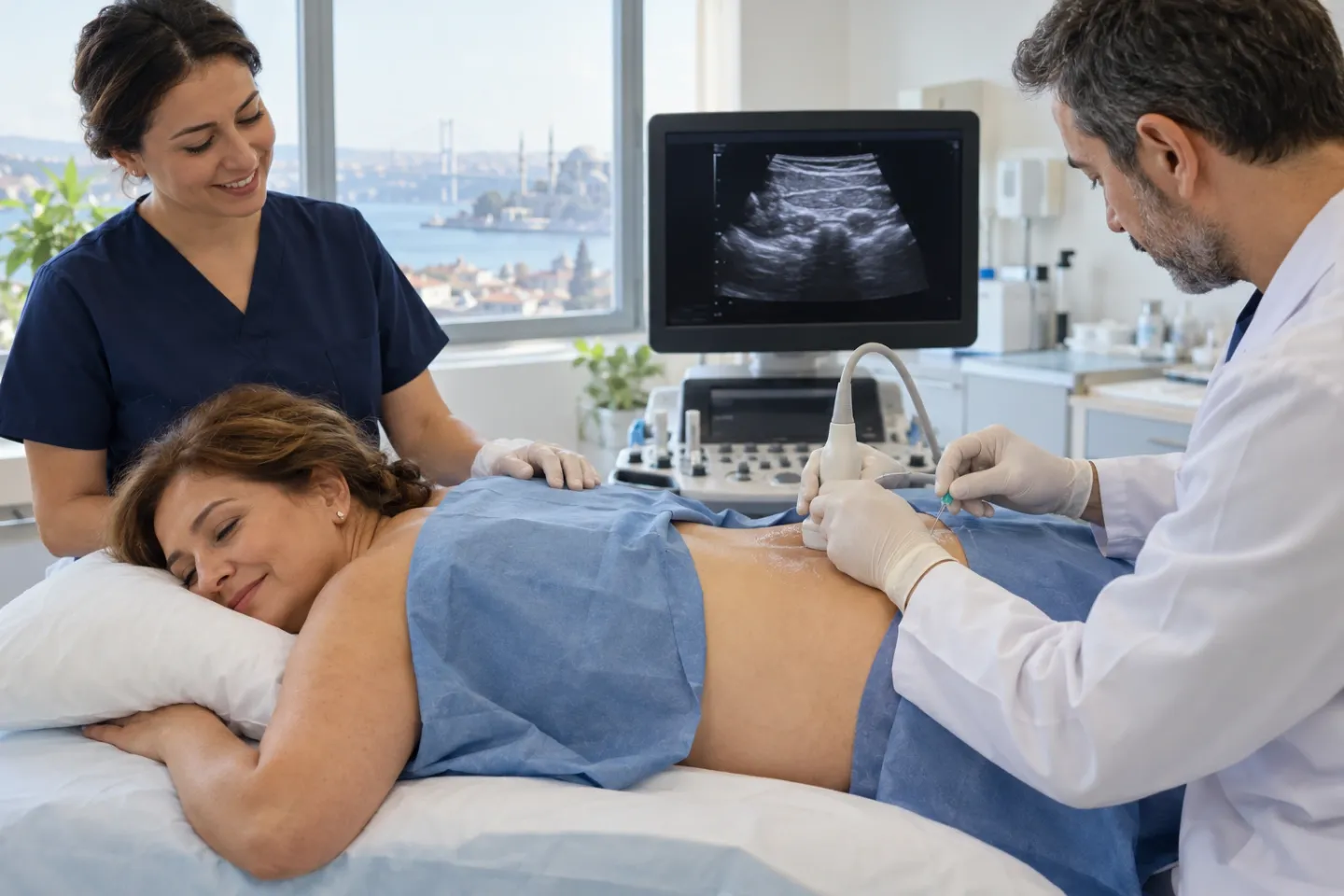
Paraspinal and facet joint injection
Much chronic back pain starts in the small facet joints between the vertebrae and in the tissues alongside the spine. Paraspinal injections reach both. In a phase I trial, ten people with painful lumbar facet joint arthritis received donor bone marrow MSCs into two facet joints: six had their back pain at least halved at 6, 12, 18 and 24 months, and MRI showed less joint degeneration in five.31 In 37 people with facet joint syndrome, their own adipose-derived regenerative cells injected around the facet joints eased pain in every patient at one week, one year and five years.32 In a controlled study of severe lumbar degeneration, bone marrow concentrate injected into the spinal structures, including the facet and sacroiliac joints, gave 67% of patients a meaningful gain in function at 12 months, against 8% with conventional care.33 Read about facet syndrome, spinal osteoarthritis and SI joint inflammation.
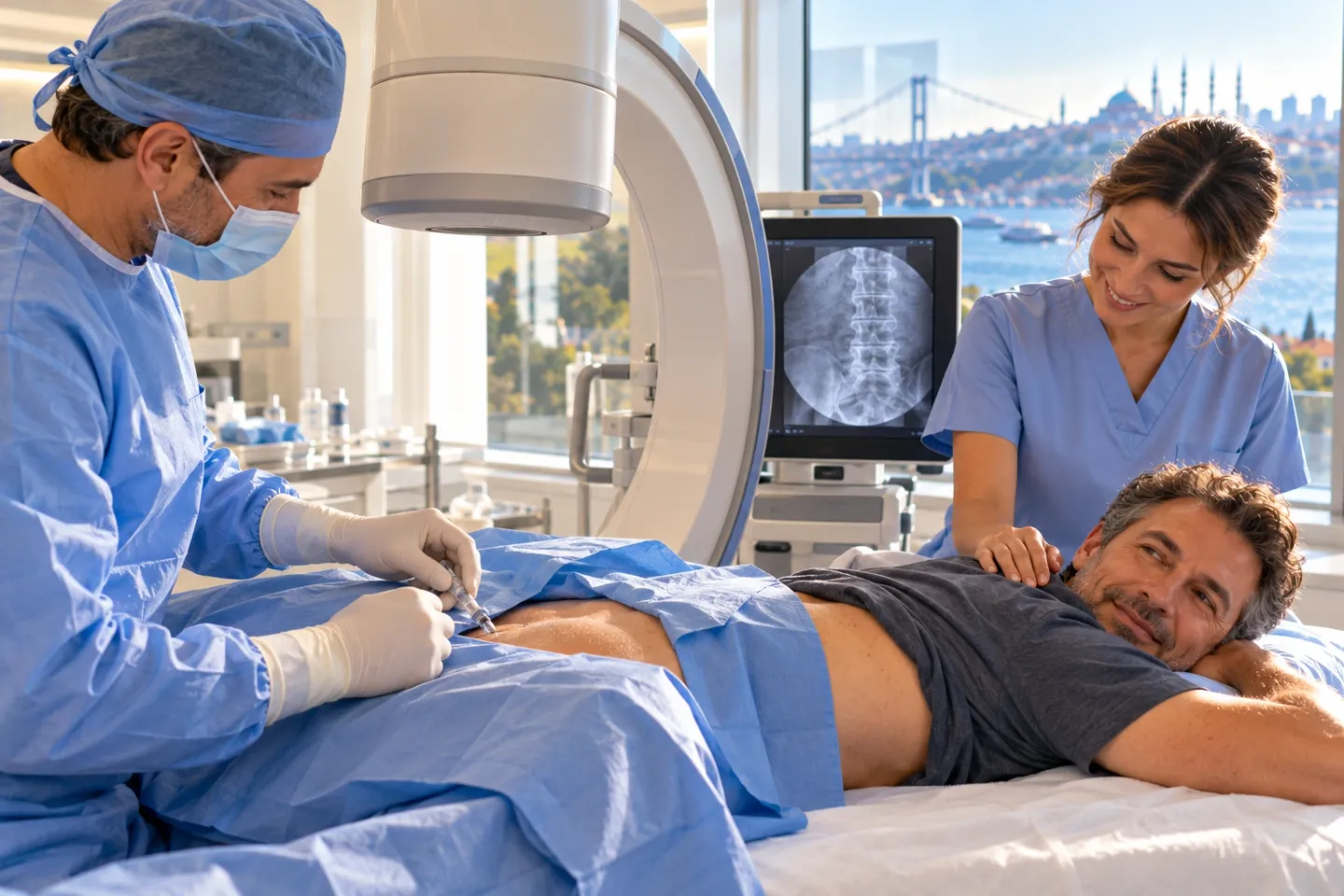
Intradiscal injection
A spinal disc has a soft, water-rich centre but almost no blood vessels of its own, so a worn disc has little chance to repair itself. An intradiscal injection places stem cells into that centre. In a randomised trial in 24 people with painful worn discs, donor bone marrow MSCs injected into the disc quickly and significantly improved pain and function compared with controls, and disc quality on MRI improved, while it worsened in the control group.34 In ten people given their own bone marrow MSCs, pain and disability improved rapidly, reaching 85% of the maximum gain within 3 months, and disc water content rose by 12 months.35 In 33 people with disc-related back and leg pain, their own cultured bone marrow MSCs brought gains in pain and function lasting up to six years, and 85% of those rescanned had a smaller disc bulge.36 Read about degenerative disc disease.
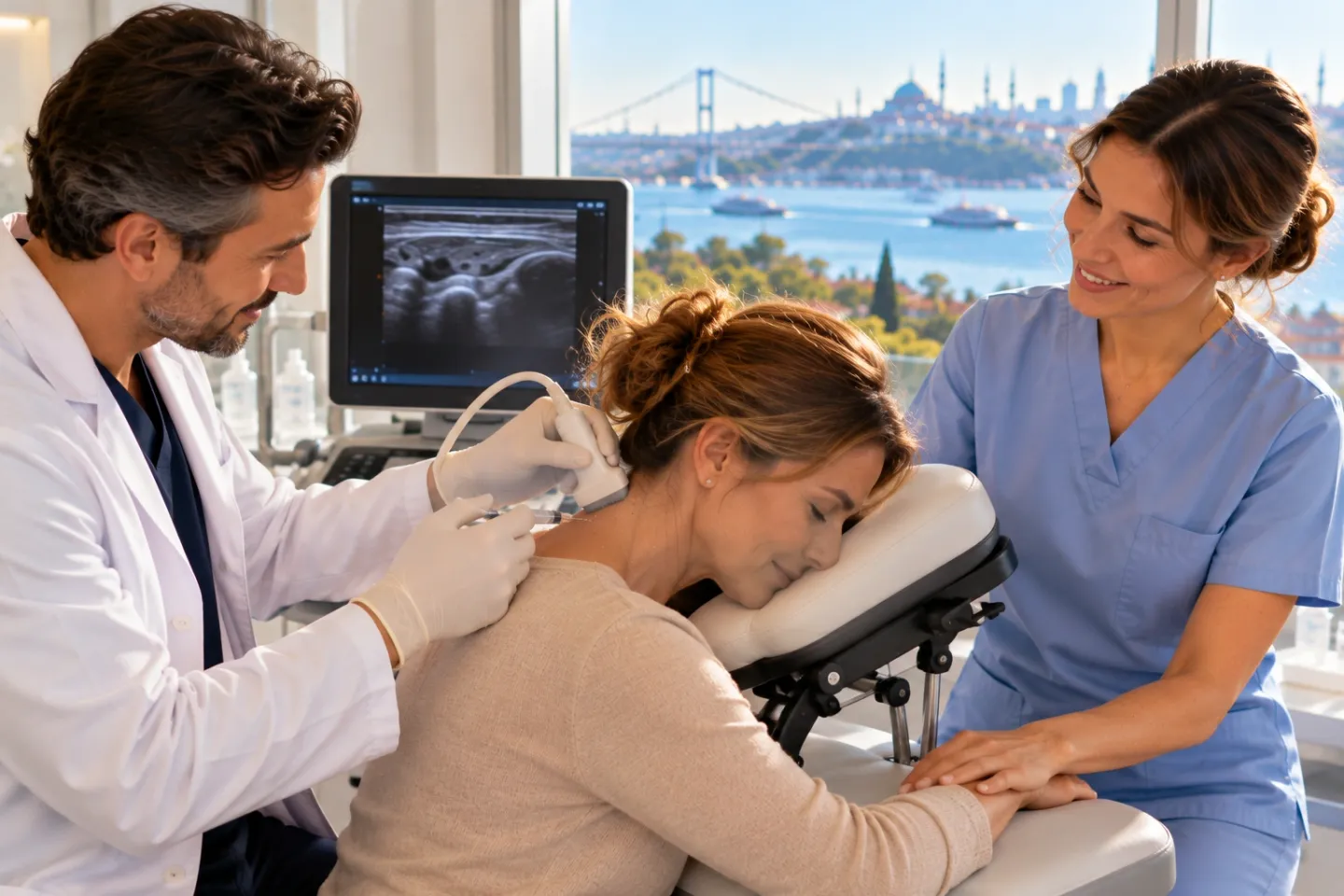
Perineural injection
A perineural injection places stem cells right around an injured or irritated nerve, where they can calm inflammation and nourish the nerve as it heals. In research models, human umbilical cord blood MSCs injected at the site of a crushed sciatic nerve raised the nerve growth factor BDNF and improved walking function, the number of surviving nerve cells and the density of nerve fibres.37 In people, the first results are encouraging. A 71-year-old woman whose superior gluteal nerve, a nerve of the hip muscles, was injured after a hip replacement and had not recovered with rehabilitation received an ultrasound-guided injection of her own adipose MSCs at the injured nerve. Two months later her nerve tests were normal again, her nerve pain had eased from 10/10 to 3/10 and the peak strength of her hip extension had risen by 55%.38 Read about occipital neuralgia and headaches and migraines.

05.3
Stem cell injections for joints, tendons, ligaments, muscles and bones
For joints, tendons, ligaments, muscles and bones, a precise injection places the stem cells right at the painful or injured spot, often guided by ultrasound or imaging. It is a popular choice for knee and shoulder pain, sports injuries and slow-healing fractures.
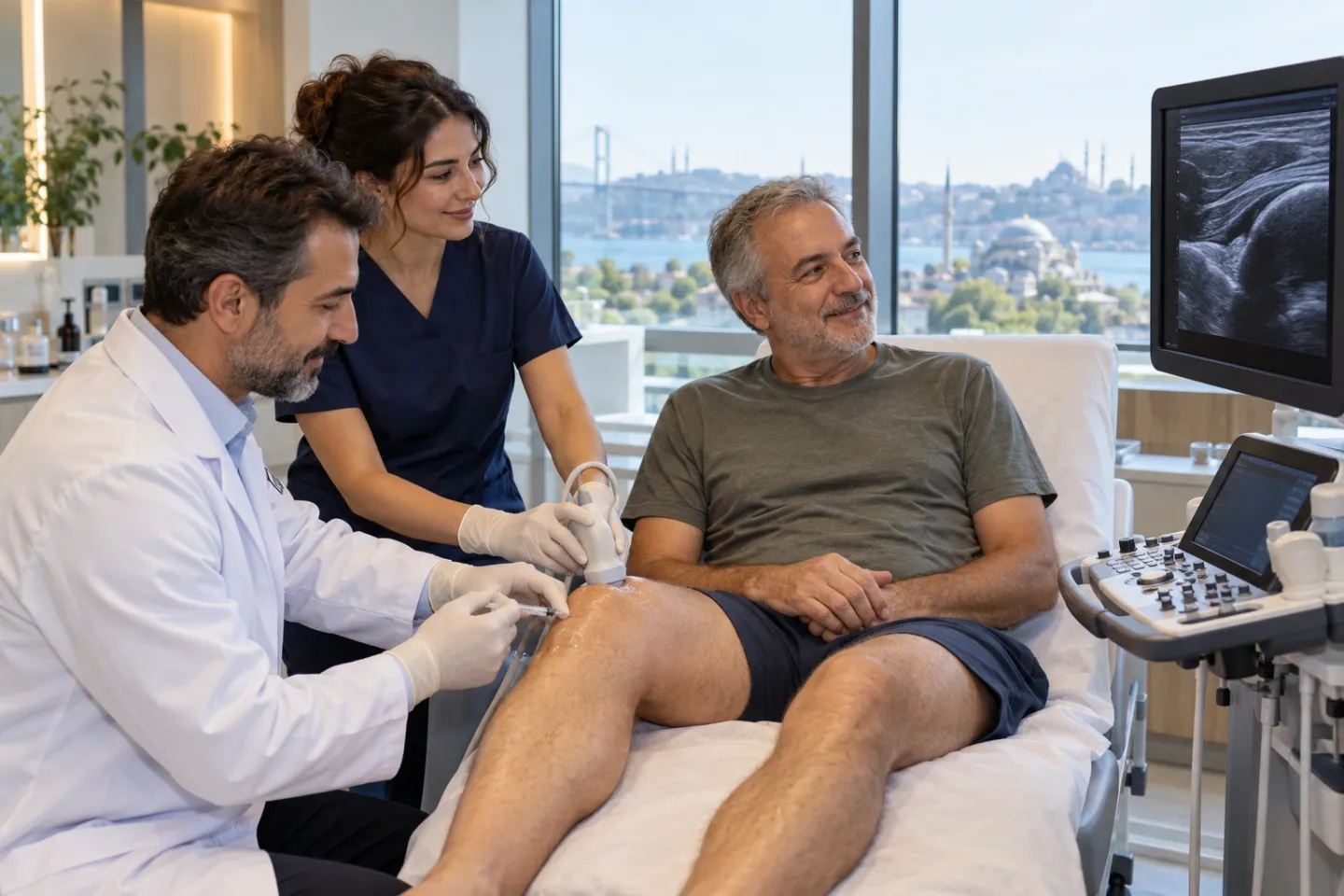
Intra-articular injection
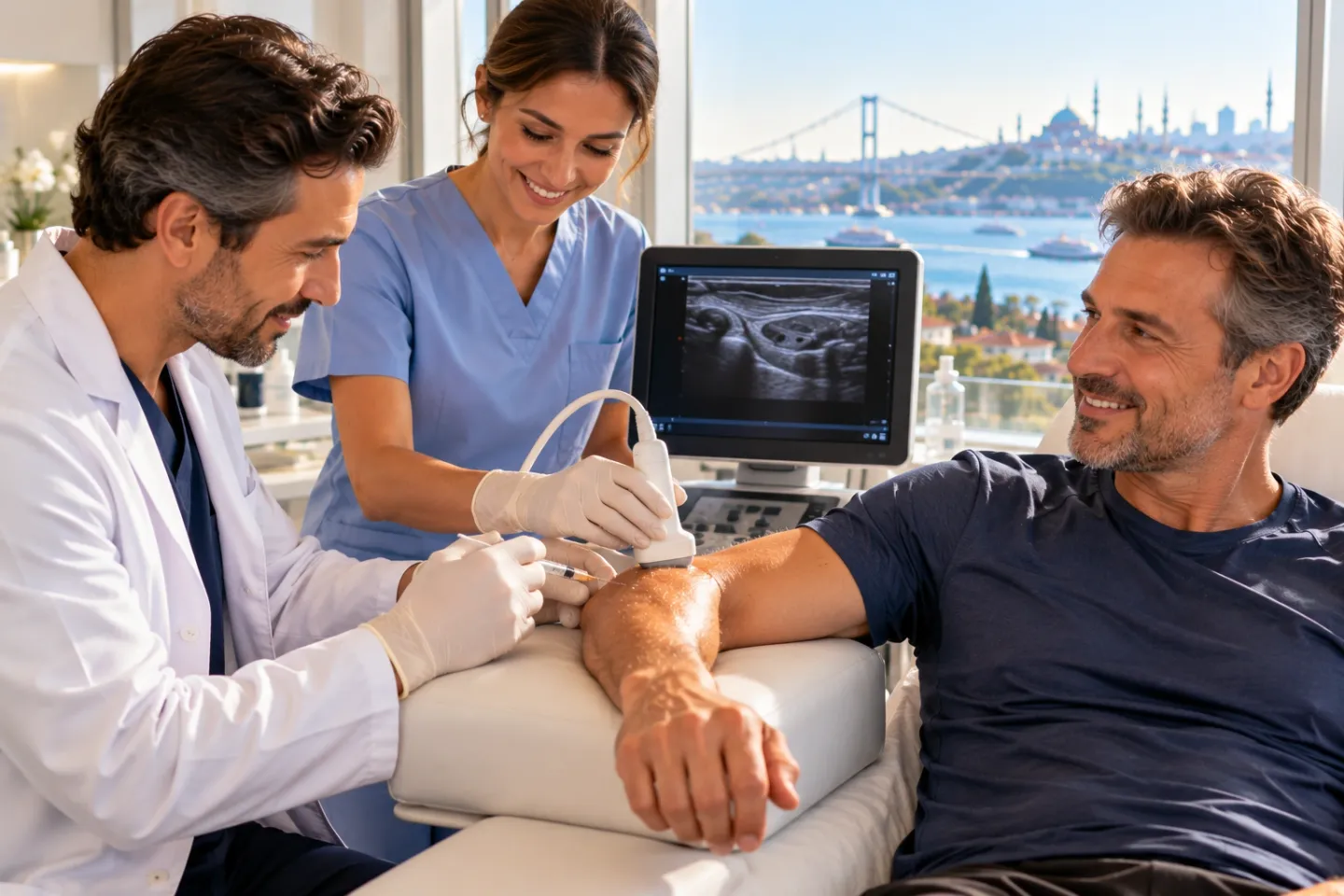
Inside a painful joint, a persistent low-grade inflammation slowly wears the cartilage down. An injection into the joint brings stem cells right to the joint lining and cartilage, and it is one of the most studied stem cell routes. In a phase III, double-blind trial in 261 people with knee osteoarthritis, a single injection of their own adipose MSCs improved pain by 25.2 points on a 100 mm scale, against 15.5 with placebo, and improved knee function (WOMAC) more as well.24 In a randomised trial of umbilical cord (Wharton’s jelly) MSCs, two injections six months apart brought pain and WOMAC scores lower than hyaluronic acid at 12 months.39 Across 10 randomised trials with 818 people, MSC injections improved pain, function and MRI joint scores more than hyaluronic acid at 12 months.40 Read about hip, knee and shoulder osteoarthritis, arthritis and cartilage disorders.
Tendon, ligament and bursa injection
Tendons and ligaments have a modest blood supply, so they often heal slowly. An injection brings stem cells right into the injured fibres. In 19 people with partial rotator cuff tears, their own adipose MSCs injected into the tendon reduced shoulder pain by about 90% at one and two years in the mid- and high-dose groups, and on MRI the tendon defect had nearly disappeared at one year with the high dose.41 In 12 people with chronic tennis elbow, donor adipose MSCs injected into the tendon lowered pain from 66.8 to 14.8 mm over 52 weeks, elbow performance scores rose from 64.0 to 90.6 and the tendon defects shrank.42 In people with tears of the knee’s anterior cruciate ligament, their own bone marrow concentrate with platelet products, injected into the ligament, improved its integrity on MRI in 77%.43 Read about tendinitis, tennis and golfer’s elbow, ligament injuries and bursitis.
Intramuscular injection
Muscles are rich in small blood vessels, so an intramuscular injection lets stem cells act on the muscle and on the circulation around it. In critical limb ischaemia from Buerger’s disease, pooled donor bone marrow MSCs at the higher dose, injected into the calf and around the ulcers, eased rest pain, sped ulcer healing and lengthened walking distance significantly more than standard care.44 In a placebo-controlled trial, placenta-derived stromal cells injected into a hip muscle injured during hip replacement improved its strength and volume.45 In nine boys with Duchenne muscular dystrophy, Wharton’s jelly MSCs given into the muscles and an artery were well tolerated, lung function tests improved and dystrophin expression in the muscle rose.46 Read about muscular dystrophy.
Intraosseous injection
Bone heals from within, through bone-forming cells and the small blood vessels that feed them. An intraosseous injection places stem cells right in the bone, where that repair happens. In 125 adults with avascular necrosis (osteonecrosis) in both hips, one hip received core decompression with their own bone marrow MSCs and the other core decompression alone: over an average of 25 years, 72% of the cell-treated hips stayed free of collapse, against 28% of the others, and only 24% needed a hip replacement, against 76%.47 The patients’ own concentrated bone marrow, injected into 60 slow-healing (non-union) fractures of the shin bone, brought bone union in 53.48 And in 434 hips with osteoarthritis, bone marrow concentrate injected into the head of the thigh bone meant only 16.1% went on to a hip replacement within 15 years, against 40.1% with conservative care.49 Read about bone fractures and hip osteoarthritis.


05.4
Stem cells for skin, hair and healing: scalp and skin injections, microneedling and wound care
For the scalp, the face and the skin, stem cells are placed with tiny, shallow injections, or their repair signals are applied straight after microneedling or a laser. They can also support a wound, ulcer or fistula that has been slow to heal.
Subdermal (intradermal) injection
Just beneath the skin’s surface lie the dermal papilla cells that steer each hair follicle and the fibroblasts that make collagen. Subdermal and intradermal injections bring stem cells right beside them. In four patients with alopecia areata, a single intradermal injection of Wharton’s jelly MSCs into the bald patches brought hair regrowth in every patient, by 67% on average at the treated sites.50 In a randomised, placebo-controlled half-head study in 27 men and women with pattern hair loss, scalp micrografts containing hair follicle MSCs raised hair density by 23.3 hairs per cm² after 58 weeks, while the placebo side fell by 0.7.51 For the skin, bone marrow stem cells injected under each scar significantly improved every type of atrophic acne scar in 14 patients after six months,52 and one injection of adipose stem cells worked as well as three fractional CO2 laser sessions.53 Read more about hair restoration.
Subcutaneous injection
A subcutaneous injection places stem cells in the soft layer just under the skin. In research models, bone marrow MSCs injected around skin wounds and applied to the wound bed significantly sped up wound closure in normal and diabetic mice, with more new skin and blood vessels,54 and umbilical cord MSCs injected under the skin stayed where they were placed, while a second injection significantly improved the regrowth of the skin.55 In people, their own adipose MSCs placed under the skin around chronic venous leg ulcers and in the wound bed brought improvement in 75% of the ulcers of 11 patients.56 And in nine men and women with pattern hair loss, a single injection of adipose SVF cells 4 mm deep in the scalp significantly raised hair density on the treated side, compared with the untreated side, at 3 and 6 months.57 See also hair restoration.
Topical application after microneedling or laser
Microneedling and fractional lasers open thousands of tiny channels in the skin, which let stem cell factors applied straight afterwards reach the deeper layers where collagen is made. In a randomised split-face trial in 28 adults with facial skin ageing, the side treated with microneedling and umbilical cord MSC conditioned medium, the mix of repair factors these cells release, showed significantly brighter skin, fewer wrinkles and pores and more elasticity than the side given microneedling with saline.58 A meta-analysis of randomised trials found that stem cell conditioned medium added to laser, peel or microneedling treatments significantly reduced wrinkles, pigmentation and pores and improved overall skin condition.59 For the scalp, adipose MSC conditioned medium applied after nonablative fractional laser gave significantly higher hair density than placebo in 30 people with pattern hair loss.60 Read about healthy ageing, facelift and hair restoration.
Wound, ulcer and fistula treatment
A chronic wound or fistula stays open when inflammation and poor circulation stall the body’s repair. Stem cells placed right there help healing move forward again. In a randomised study at Erciyes University in Kayseri, Turkey, chronic diabetic foot ulcers injected with donor adipose MSCs alongside standard wound care closed in a mean of 31.0 days, against 54.8 days with standard care alone.61 In Crohn’s disease, the double-blind, placebo-controlled ADMIRE-CD trial in 212 patients found that a single injection of donor adipose MSCs into complex perianal fistulas brought combined remission (all treated openings closed, with no fluid collections over 2 cm on MRI) in 50% of patients at week 24, against 34% with placebo,62 and in 56.3% against 38.6% at one year.63 Umbilical cord MSCs injected the same way brought combined remission in 6 of 10 patients.64 Read more about diabetes and Crohn’s disease and ulcerative colitis.




05.5
Stem cell eye injections for the retina and the optic nerve
For the retina and the optic nerve at the back of the eye, a fine injection places stem cells in the thin layer of tissue around the eyeball, close to where they are needed.
Subtenon or retrobulbar eye injection
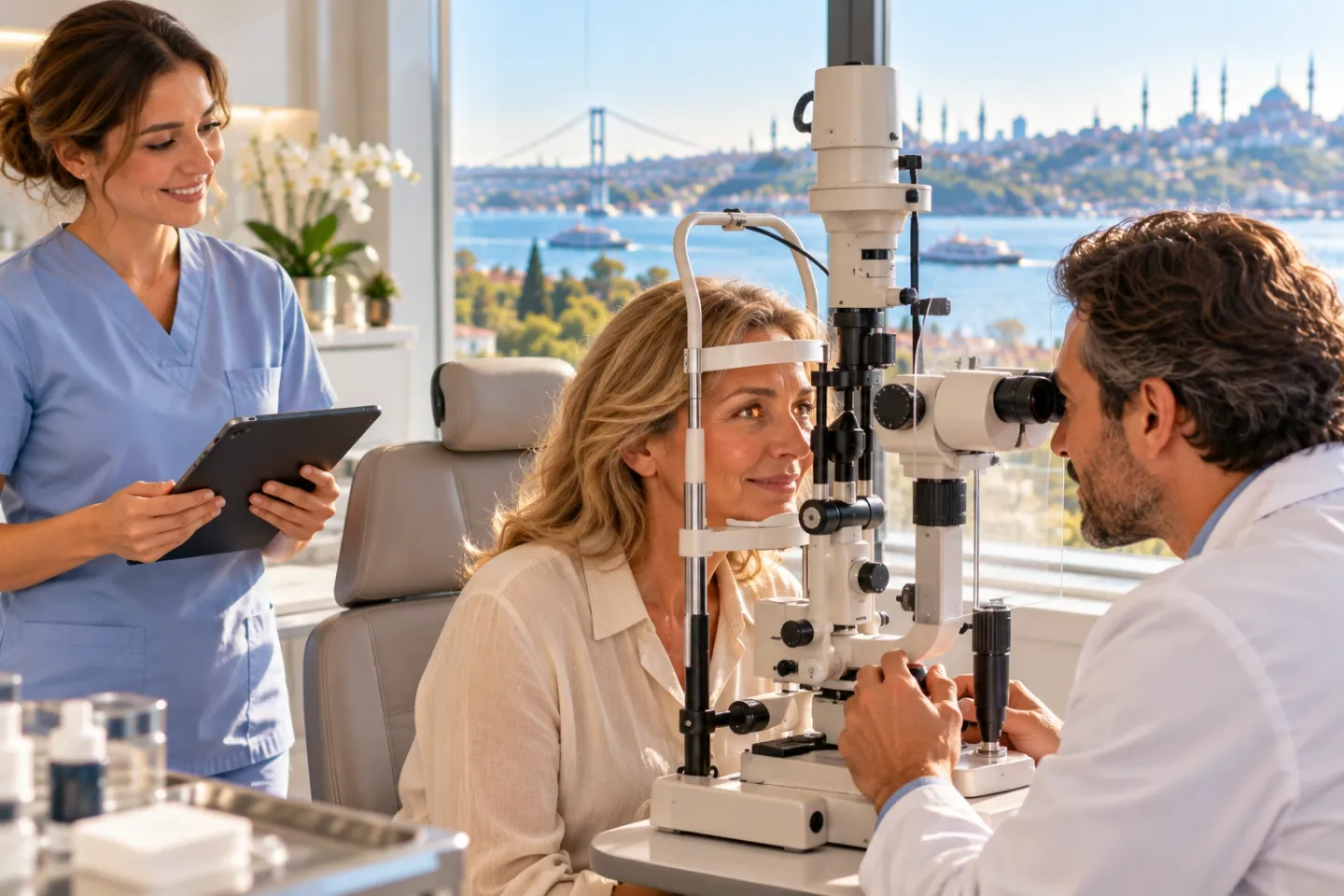
The light-sensing retina and the optic nerve lie at the back of the eye. A subtenon injection places stem cells in the thin layer of tissue around the eyeball, close to both. At Ankara University’s eye department, Wharton’s jelly MSCs placed in the subtenon space of 34 eyes of 32 people with retinitis pigmentosa raised visual acuity from 70.5 to 79.9 letters after one year, with a thicker outer retina, better visual field scores and stronger retinal responses.65 Over three years, the same team found that the disease progressed far less in eyes treated with subtenon Wharton’s jelly MSCs than in untreated eyes, and least when the cells were combined with Magnovision, a form of electromagnetic stimulation.66 In toxic optic neuropathy, one subtenon injection of Wharton’s jelly MSCs improved visual acuity by 32% after four months, and by 47% with electromagnetic stimulation.67
05.6
Stem cell therapy for men’s and women’s health: erectile dysfunction, intimate health and fertility
Stem cells can support intimate health in men and women. A discreet injection into the erectile tissue helps with erectile dysfunction, and fine injections support women’s intimate health, the ovaries and the lining of the uterus. Everything is handled privately and with great care.
Intracavernosal injection
A firm erection depends on healthy blood vessels, smooth muscle and nerves inside the erectile tissue, and an intracavernosal injection places stem cells right among them. In a trial in Jordan, four diabetic men whose ED had resisted treatment received two injections of their own bone marrow MSCs, and their erectile function, desire and satisfaction scores improved significantly.68 The same team gave two injections of donor Wharton’s jelly MSCs to 22 diabetic men with refractory ED: erectile function, erection hardness and penile blood flow improved significantly at every check-up over 12 months.69 In a randomised trial in 33 diabetic men, 70% of those given placental MSCs with shockwave therapy had erections firm enough for penetration at six months.70 After prostate surgery, erectile function scores rose from 7.3 to 17.4 six months after injections of their own bone marrow cells.71 Read more about stem cell therapy for erectile dysfunction.
Intravaginal injection
After menopause, and in conditions such as lichen sclerosus, the delicate intimate tissues can become thin, dry, itchy and fragile, and the support around the urethra can weaken. Fine injections bring stem cells right to these tissues. In eight women with vulvar dystrophy linked with menopause, lichen sclerosus or graft-versus-host disease, two treatments with their own adipose stem cells brought a significant improvement in the vulvar tissue of every patient, with less pain and better sexual function.72 In 18 women with moderate to severe vulvar lichen sclerosus, one treatment with adipose SVF cells and nanofat lowered symptom scores from 20.12 to 4.71 and itching scores from 6.82 to 2.35 after 12 months, and biopsies showed fewer inflammatory cells and more small blood vessels.73 In ten women with stress urinary incontinence, adipose stem cells injected around the urethra significantly reduced urine leakage on the pad test over 24 weeks.74
Intraovarian and intrauterine injection
In the ovaries, stem cells bring repair signals to the follicles where eggs mature; in the uterus, they reach its inner lining, the endometrium. In women with premature ovarian failure, umbilical cord MSCs on a collagen scaffold, transplanted into the ovaries, raised oestradiol, improved follicle development and increased antral follicle numbers.75 In 17 women with a very poor ovarian response, their own bone marrow stem cells, delivered to the ovaries, improved ovarian function in 81.3%, with more follicles and eggs.76 Placed in the uterus on the same kind of scaffold, umbilical cord MSCs thickened the endometrium and reduced adhesions in 26 women with recurrent intrauterine adhesions, and ten of them became pregnant.77 At a hospital in Istanbul, two intrauterine injections of their own bone marrow cells raised endometrial thickness from 2.97 to 5.76 mm in 20 women with Asherman’s syndrome or a thin endometrium.78


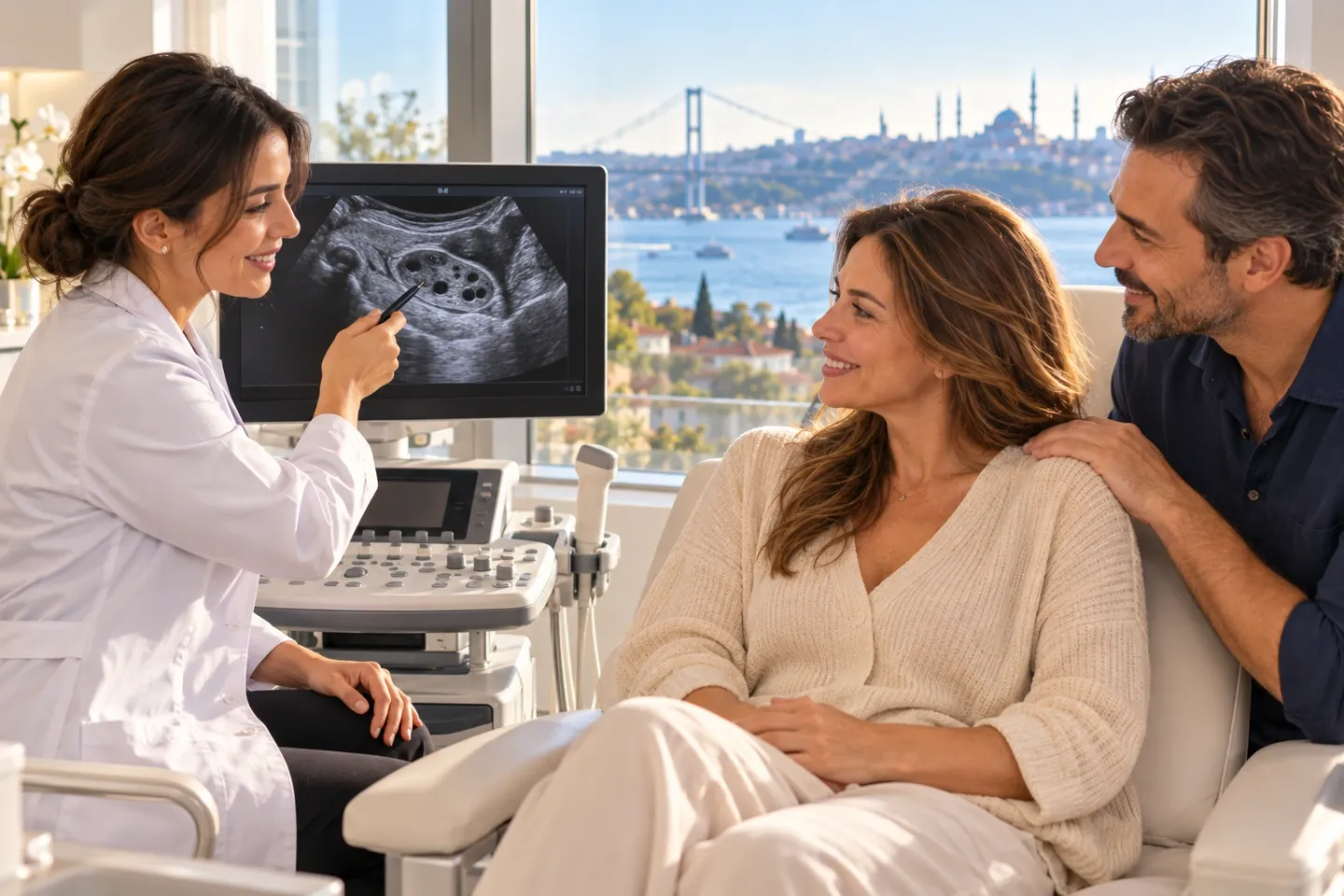
Whatever your goal, there is a route, or a combination of routes, to match it. Request your free medical review, and Dr. Cihan Bolat will advise which routes suit you best, with a written plan and a fixed price before you travel. Stem cells can also be combined with exosome therapy.
06
What studies report with stem cell therapy
Mesenchymal stem cells are among the most widely studied cells in medicine: one analysis alone pooled 62 randomised trials covering about 20 types of disease.11 Here are some of the strongest results in people, condition by condition. Each study used its own cells and routes, which we name for each one, so you can see exactly what was measured.
Results at a glance
- 1,292people with cerebral palsy in a 2025 review: MSCs brought significant motor gains at 3, 6 and 12 months9
- 1,217people after an ischaemic stroke in 30 trials: MSCs improved neurological deficits and daily activities10
- −47%hospital readmissions for heart failure with MSCs, across 12 randomised trials with 823 patients79
- +63.4 mfurther in the six-minute walk than placebo, nine months after donor bone marrow MSCs, in 148 older adults with frailty80
- Autism. In a randomised trial in children aged three to seven, the share of children at the most severe level of autism fell by 48.0% after 12 months with their own bone marrow mononuclear cells, given into the spinal fluid alongside education, against 8.0% with education alone; daily-living and social skills rose by 8.5 points, against 1.4.81
- Cerebral palsy. In a double-blind, sham-controlled trial of 72 children with spastic cerebral palsy, one injection of umbilical cord tissue MSCs into the spinal fluid raised gross motor scores (GMFM-66) by 10.65 points in 12 months, 8.07 points more than the sham procedure.6
- Multiple sclerosis. In a randomised trial in active progressive MS, 58.6% and 40.6% of patients treated with their own bone marrow MSCs, into the spinal fluid or a vein, showed no evidence of disease activity over one year, against 9.7% with sham treatment.23
- Stroke. In a randomised trial in people living with the after-effects of an ischaemic stroke, two infusions of umbilical cord MSCs, by IV or into the spinal fluid, alongside rehabilitation, brought significant gains in neurological recovery, independence and quality of life by 12 months.82
- Spinal cord injury. Across 11 studies with 499 patients, MSC treatment made an improvement in injury grade on the ASIA scale 3.70 times as likely as in control groups, and significantly improved sensation and bladder function.83
- Knee osteoarthritis. In a phase III, placebo-controlled trial of 261 people, one injection of their own adipose (fat-derived) MSCs improved knee pain by 25.2 points on a 100 mm scale after six months, against 15.5 with placebo.24
- Heart failure. In a randomised, placebo-controlled trial, one IV infusion of umbilical cord MSCs raised ejection fraction, the heart’s pumping strength, by 7.07 points in 12 months, against 1.85 with placebo, with better NYHA class and quality of life.7
- Lupus. In a multicentre study of 40 people with active lupus, two IV infusions of umbilical cord MSCs led to a major clinical response in 32.5% and a partial response in 27.5% within 12 months, and disease activity scores fell significantly.84
- Crohn’s disease. In a randomised trial of 82 people, four weekly IV infusions of umbilical cord MSCs lowered the Crohn’s disease activity index by 62.5 points over 12 months, against 23.6 in the control group, and steroid doses came down by 4.2 mg a day, against 1.2.8
- Type 2 diabetes. In a double-blind, placebo-controlled trial of 91 adults, three IV infusions of umbilical cord MSCs lowered HbA1c from 9.02% to 7.52% over 48 weeks, and insulin doses fell by 27.78%, against 15.62% with placebo.85
- Erectile dysfunction. In 22 diabetic men whose erectile dysfunction had not responded to treatment, two injections of donor Wharton’s jelly MSCs significantly improved erectile function scores, erection hardness and penile blood flow at every check-up over 12 months.69
- Kidney disease. In a randomised, placebo-controlled trial in type 2 diabetes with progressive kidney disease, one IV infusion of donor bone marrow MSCs significantly slowed the yearly decline in estimated kidney function (eGFR) over 18 months compared with placebo.86
- Liver cirrhosis. In a randomised trial of 219 people with hepatitis B-related decompensated cirrhosis, three infusions of umbilical cord MSCs alongside standard care improved albumin, clotting activity, cholinesterase and bilirubin over 48 weeks.21
07
Stem cell therapy for autism, arthritis, heart failure and more: conditions we treat
People come to us for stem cell therapy for many different reasons. Open any condition below to read how stem cells help there and what patients in published studies experienced, with a link to our in-depth page for each one.
Brain and nerves
Stem cells calm inflammation in the brain and spinal cord and release signals that protect nerve cells, and children and adults in published studies have made encouraging gains.

Stem cell therapy for autism: what studies report
Neuroinflammation and immune imbalance have come to the forefront in research on autism,87 and these are exactly the processes MSCs help to calm. In 1,011 patients with autism treated with their own bone marrow mononuclear cells into the spinal fluid, together with neurorehabilitation, 90.6% showed improvement at a mean follow-up of 19.3 months, in areas such as eye contact, communication, social interaction and behaviour.88 In Istanbul, a child treated with Wharton’s jelly MSCs into the spinal fluid and by IV, with rehabilitation, made significant gains, especially in language and gross motor skills.87 A complete treatment costs EUR 8,000–15,000, including your hotel and all ground transport, with a fixed price in writing. Read our autism guide, or every study in detail in our research guide to stem cell treatment for autism.
Stem cell therapy for cerebral palsy: what studies report
Cerebral palsy follows an injury to the developing brain, and stem cell therapy supports the brain’s own repair alongside rehabilitation. In a placebo-controlled trial, children who received four IV infusions of umbilical cord MSCs together with rehabilitation improved significantly more in daily activities, overall function and gross motor skills than children given rehabilitation with placebo.89 A 2025 review of 1,292 people with cerebral palsy, most treated with umbilical cord tissue MSCs, found the cells safe and linked them to significant motor gains at 3, 6 and 12 months.9 Read our cerebral palsy guide.
Stem cell therapy for multiple sclerosis: what studies report
In multiple sclerosis, the immune system attacks myelin, the protective coating of nerve fibres, and MSCs help settle this overactive response. In a randomised trial in active progressive MS, 58.6% of patients treated with their own bone marrow MSCs into the spinal fluid had no evidence of disease activity over one year, against 9.7% after sham treatment, with added benefits for relapses, walking and hand function.23 In another controlled study, people given umbilical cord MSCs alongside anti-inflammatory treatment had significantly lower disability scores and fewer relapses than with that treatment alone.90 Read our multiple sclerosis page.
Stem cell therapy for Parkinson’s disease: what studies report
In Parkinson’s disease, the nerve cells that make dopamine gradually decline, and inflammation plays a key role. In a study of 20 people with mild to moderate Parkinson’s, a single IV infusion of donor bone marrow MSCs was well tolerated; at the highest dose, movement scores off medication improved by 14.4 points after a year, inflammation markers fell and the nerve-supporting factor BDNF rose.91 Read our Parkinson’s disease page.
Stem cell therapy for Alzheimer’s disease: what studies report
Alzheimer’s disease brings brain shrinkage and inflammation alongside memory loss. In a randomised, placebo-controlled trial in mild Alzheimer’s, IV infusions of donor bone marrow MSCs slowed the loss of whole brain volume by 48.4% and of left hippocampal volume, a key memory centre, by 61.9% at 39 weeks, and improved clinical assessments of thinking and daily activities compared with placebo.92 In a phase I/II trial, nasal adipose MSC exosomes lowered ADAS-cog scores, a sign of better thinking and memory, by 3.98 points by week 36 in the medium-dose group.93 Read our Alzheimer’s disease page.
Stem cell therapy for stroke recovery: what studies report
After a stroke, MSCs release signals that protect nerve cells and support the brain’s own recovery. A 2024 meta-analysis of 30 trials with 1,217 people after an ischaemic stroke found that MSCs improved neurological deficits and activities of daily living.10 In a randomised trial in people living with the after-effects of a stroke, two infusions of umbilical cord MSCs, by IV or into the spinal fluid, together with rehabilitation, improved neurological recovery and quality of life over 12 months.82 Every gain in movement, speech or independence counts. Read our post-stroke rehabilitation page.
Stem cell therapy for spinal cord injury: what studies report
A spinal cord injury interrupts the signals between the brain and the body. In a multicentre study in Turkey, people with chronic complete spinal cord injury received Wharton’s jelly MSCs into the spinal fluid, the muscles and a vein; over one year their neurological functions improved significantly, including motor scores, along with bladder-related quality of life.94 Across 11 studies with 499 patients, MSC treatment significantly improved injury grades, sensation and bladder function compared with control groups.83 Read our spinal cord injury page.
Stem cell therapy for muscular dystrophy: what studies report
In muscular dystrophy, a missing or altered muscle protein leaves muscle fibres fragile and inflamed, and stem cells aim to ease these consequences. In a Turkish study, nine boys with Duchenne muscular dystrophy treated with Wharton’s jelly MSCs, into an artery and the muscles, tolerated the treatment well; their lung function tests improved and dystrophin expression in the muscle rose.46 In 22 patients with various muscular dystrophies, umbilical cord MSCs significantly increased strength in many movements of the shoulders, arms, hips and knees, and 27.3% also improved in walking or movement tests.95 Read our muscular dystrophy page.
Joints, spine and sports injuries
In joints, tendons and the spine, MSCs calm inflammation and support the tissue’s own repair, and many people in published studies moved with less pain.
Stem cell therapy for knee, hip and shoulder osteoarthritis: what studies report
In osteoarthritis, the cartilage that cushions the joint wears down and the joint lining becomes inflamed, and stem cells help calm the inflamed joint. In a randomised trial, two injections of umbilical cord MSCs into the knee, six months apart, gave a total WOMAC score of 4.2 at 12 months, against 15.2 with hyaluronic acid (lower is better).39 For the hip, in a 15-year study of 434 hips, only 16.1% of those treated with their own bone marrow concentrate, injected into the femoral head, progressed to hip replacement, against 40.1% with conservative care.49 Read our osteoarthritis page.
Stem cell therapy for rheumatoid arthritis: what studies report
In rheumatoid arthritis, the immune system attacks the joints, and MSCs help rebalance it. In a randomised trial of 105 people with persistently active rheumatoid arthritis, 28 of the 52 patients treated with umbilical cord MSCs had a good or moderate response at 12 weeks, and the benefit lasted 48 weeks without repeat dosing.96 In pooled data from two trials with 110 patients treated with umbilical cord MSCs, alone or with interferon-γ, the improvements in low disease activity and remission were sustained over five years of follow-up.97 Read our arthritis guide.
Stem cell therapy for cartilage damage: what studies report
Cartilage has no blood supply of its own, which is why it heals so slowly after an injury. In a randomised phase 3 trial of 114 people with large, full-thickness cartilage defects in the knee, 97.7% of those treated with donor umbilical cord blood MSCs improved by at least one cartilage repair grade at 48 weeks, against 71.7% after microfracture surgery. The repaired cartilage also scored better under the microscope, and pain and function were significantly better at three to five years.98 Read our cartilage disorders page.
Stem cell therapy for sports injuries and tendons: what studies report
Tendons and ligaments have few blood vessels, so they heal slowly, and stem cells bring repair signals straight to the injured tissue. In people with partial rotator cuff tears, an injection of their own adipose MSCs into the tendon reduced shoulder pain by about 90% at one and two years in the mid- and high-dose groups, and the tendon defect nearly disappeared on MRI in the high-dose group.41 In chronic tennis elbow, donor adipose MSCs lowered elbow pain scores from 66.8 to 14.8 mm over a year, while elbow performance scores rose from 64.0 to 90.6.42 Read our sports rehabilitation page.
Stem cell therapy for back pain and disc degeneration: what studies report
When the discs between the vertebrae wear down, chronic low back pain can follow. In a randomised trial of 24 people with chronic back pain from lumbar disc degeneration, an injection of donor bone marrow MSCs into the disc brought a quick and significant improvement in pain and disability compared with controls, and disc degeneration on MRI improved in the treated group while it worsened in the control group.34 In 26 people with disc-related pain, their own bone marrow concentrate injected into the disc lowered average pain scores from 79.3 to 33.2 at 12 months.99 Read our degenerative disc disease page.
Heart, lungs and organs
In the heart, lungs, kidneys and liver, MSCs calm inflammation and protect struggling cells, and patients in published trials have seen measurable gains in how their organs work.
Stem cell therapy for heart failure: what studies report
In heart failure, the heart muscle pumps too weakly, and stem cells help as messengers that protect heart cells and encourage new small blood vessels. In a randomised trial, one IV infusion of umbilical cord MSCs raised ejection fraction by 7.07 points in 12 months, against 1.85 with placebo, on top of optimal heart medicines.7 Across 12 randomised trials with 823 patients, MSCs improved ejection fraction by 5.66 points and the six-minute walk by 117.01 metres, and reduced hospital readmissions by 47%.79 Read our heart failure guide.
Stem cell therapy for COPD: what studies report
COPD is driven by long-standing inflammation in the lungs, which MSCs help to calm. In a study of 20 people with moderate to severe COPD, an IV infusion of donor umbilical cord MSCs significantly reduced breathlessness scores, COPD assessment test scores and the number of flare-ups, improving quality of life over six months.100 A meta-analysis of 11 studies with 371 people with COPD found that stem-cell-based treatments significantly increased the six-minute walk, by 52 metres.101 Breathing more easily changes everything. Read our COPD page.
Stem cell therapy for kidney disease: what studies report
In chronic kidney disease, the aim is to protect the kidney function you have. In a randomised, placebo-controlled trial in adults with type 2 diabetes and progressive kidney disease, one IV infusion of donor bone marrow MSCs significantly slowed the yearly decline in eGFR over 18 months, compared with placebo.86 In a 2026 trial in chronic kidney disease stages 3b and 4, 88.24% of patients showed an improving or stable kidney-function trend over 48 weeks after one IV infusion of donor adipose stem cells.102 Read our kidney disease guide.
Stem cell therapy for liver cirrhosis: what studies report
In cirrhosis, long-standing injury makes the liver lay down scar tissue, and MSCs help calm inflammation and support the liver’s own cells. In a randomised trial of 219 people with hepatitis B-related decompensated cirrhosis, three infusions of umbilical cord MSCs alongside standard care markedly improved albumin, clotting activity, cholinesterase and bilirubin over 48 weeks.21 Across 11 clinical trials, MSC infusions significantly raised albumin and lowered MELD liver scores compared with control groups.103 Read our liver cirrhosis page.
Stem cell therapy for diabetes: what studies report
Stem cell therapy is studied in both type 1 and type 2 diabetes, always alongside usual diabetes care. In a double-blind trial of 91 adults with type 2 diabetes, three IV infusions of umbilical cord MSCs lowered HbA1c by 1.31 percentage points, from 9.02% to 7.52%, over 48 weeks, against 0.63 with placebo.85 In recently diagnosed type 1 diabetes, the body’s own insulin production fell by only 10% in a year after Wharton’s jelly MSCs, against 47% with placebo, and insulin needs stayed steady.104 Read our diabetes page.
Immune health, men’s health, skin, hair and ageing
MSCs are natural immune balancers and a rich source of growth signals, which is why they are studied from lupus and Crohn’s disease to hair, skin and healthy ageing.

Stem cell therapy for lupus: what studies report
In lupus, the immune system attacks the body’s own tissues, and MSCs help restore balance. In a multicentre study of 40 people with active lupus, two IV infusions of umbilical cord MSCs brought a major clinical response in 32.5% and a partial response in 27.5% within 12 months, with lower disease activity scores.84 In 120 people with lupus nephritis that had not responded to standard medicines, 56.7% reached a kidney response within 12 months of umbilical cord MSCs, with markedly less protein in the urine.105 Read our lupus guide.
Stem cell therapy for Crohn’s disease and ulcerative colitis: what studies report
In inflammatory bowel disease, an overactive immune response inflames the gut lining, and MSCs help calm it. Across 12 randomised trials with 632 adults with hard-to-treat Crohn’s disease or Crohn’s fistulas, stem cell therapy roughly doubled the odds of clinical remission (odds ratio 2.08) compared with placebo or no treatment.106 In 41 people with moderate to severe ulcerative colitis that had not responded to standard medicines, two monthly IV infusions of umbilical cord MSCs led to a clinical response in 73.2% and remission in 41.5% at two months.107 Read our Crohn’s disease and colitis guide.
Stem cell therapy for erectile dysfunction: what studies report
Erections depend on healthy blood vessels and nerves, which diabetes and age can wear down. In 22 diabetic men whose erectile dysfunction had not responded to treatment, two injections of donor Wharton’s jelly MSCs significantly improved erectile function scores, erection hardness and penile blood flow at every check-up over 12 months.69 In a randomised trial in diabetic men, placental MSCs combined with shockwave therapy gave 70% of men in the combined group erections firm enough for penetration (an erection hardness score above 2) at six months.70 Most plans cost under USD 10,000. Read our erectile dysfunction guide.
Stem cell therapy for hair loss: what studies report
Hair follicles depend on growth signals to stay in their growth phase, and stem cells are a rich source of them. In four people with alopecia areata, a single injection of donor Wharton’s jelly MSCs into the bald patches led to hair regrowth in every patient, by 67% on average at the treated sites.50 A meta-analysis of eight clinical trials with 221 people found that stem cell conditioned medium, the growth factors stem cells release, significantly increased hair density and thickness, with longer courses giving greater improvement.108 Read our hair restoration guide.
Stem cell therapy for healthy ageing and facial rejuvenation: what studies report
With the years, a low level of inflammation builds up and the body’s repair slows down. In a double-blind, placebo-controlled trial in older adults with frailty, IV umbilical cord MSCs improved quality of life, grip strength and the timed up-and-go mobility test over six months and lowered the inflammation markers TNF-α and IL-17.109 For the face, in a randomised split-face study, umbilical cord MSC conditioned medium with microneedling reduced wrinkles and pores and improved skin brightness and elasticity more than microneedling alone.58 Read our healthy ageing guide and facelift page.
08
Stem cell therapy, exosomes or both: which is right for you?
Stem cell therapy and exosome therapy are close relatives. Mesenchymal stem cells do much of their repair work through what they release: growth factors, immune messengers and exosomes.12 Stem cell therapy gives you the living cells, which keep releasing these signals inside your body. Exosome therapy gives you the exosomes directly, in concentrated form, with no living cells inside. The two can also be given together, so your body receives the ongoing signals of living cells and the concentrated signals of exosomes. In your free medical review, Dr. Cihan Bolat advises which option suits you best. The table shows how they compare with each other and with PRP.

| Stem cell therapy | Exosome therapy | Both together | PRP | |
|---|---|---|---|---|
| What you receive | Fresh, living umbilical cord and Wharton’s jelly MSCs | Exosomes: the cells’ messengers, with no living cells inside | Living stem cells plus exosomes | Plasma rich in platelets, made from a small sample of your own blood |
| How it works | The cells release growth factors, immune messengers and exosomes in your body | Delivers proteins, lipids and microRNAs straight to your cells | The cells’ ongoing signals plus concentrated exosome signals | Platelets release growth factors where they are injected |
| How it is given | IV infusion and targeted routes, 18 in all, chosen for your condition | IV infusion, nasal spray and fine injections, chosen for your goals | The routes of both, in one plan | Injections into the skin, scalp or a joint |
| Donor matching | Not needed for umbilical cord and Wharton’s jelly MSCs | Not needed | Not needed for these MSCs or for exosomes | Not needed: it comes from your own blood |
| Prepared | Fresh for your date in a Ministry of Health-approved GMP laboratory | Fresh for your date in the same GMP laboratory | Both prepared fresh for your date | From your blood on the day |
| A good fit when | You want living cells to support repair from within | You want a gentle, cell-free treatment, nose-to-brain delivery or a targeted injection | You want the strengths of both in one treatment | You want a simple treatment based on your own blood |
09
Quality and safety of stem cell therapy
Your cells are prepared for your treatment date in a Ministry of Health-approved GMP laboratory in Turkey, working to Good Manufacturing Practice, the quality standard used in making medicines. The cell count of your plan is confirmed in writing, and before treatment the laboratory checks and certifies the count and viability of your cells. Wharton’s jelly MSCs lack the signals that switch on rejection, so they are given without donor matching.5
Your care is doctor-led. Uzm. Dr. Cihan Bolat, specialist in anaesthesiology and reanimation and in regenerative medicine, reviews your medical history free of charge, plans every treatment and plans your comfort with you.
The published safety record of MSCs is reassuring. A meta-analysis of 62 randomised trials with 3,546 participants concluded that “MSC administration was safe in different populations compared with other placebo modalities”.11 An analysis of 55 randomised trials of MSCs given into the bloodstream, with 2,696 patients, found that “MSC therapy continues to exhibit a favourable safety profile”,12 and a review of 39 studies of MSCs given into the spinal fluid concluded that properly performed intrathecal injection “is exceedingly safe”.13

10
Optimizing Mesenchymal Stem Cell Therapy at Istanbul Stem Cell
Harnessing the Power of Mesenchymal Stem Cells from Umbilical Cord Tissue
At Istanbul Stem Cell (www.istanbulstemcell.com), we specialize in cutting-edge regenerative medicine therapies utilizing mesenchymal stem cells (MSCs) sourced from umbilical cord tissue. MSCs are multipotent stem cells capable of differentiating into various cell types, including bone cells, cartilage cells, and muscle cells. Unlike embryonic stem cells, MSCs can be obtained from adult tissues, eliminating ethical concerns associated with embryonic sources.
What Makes Mesenchymal Stem Cells Unique?
-
Multipotent Differentiation: MSCs can transform into multiple cell types, aiding in the repair and regeneration of damaged tissues.
-
Immune Modulation: They have the unique ability to modulate immune responses, reducing inflammation and promoting healing.
-
Ethically Sourced: Obtained from adult tissues, MSCs circumvent ethical issues linked to embryonic stem cells.
Umbilical Cord Tissue: A Superior Source of MSCs
Once considered medical waste, umbilical cord tissue is now recognized as a valuable source of potent MSCs. Extracted from the Wharton's jelly of the umbilical cord, these stem cells exhibit:
-
Higher Proliferative Capacity: Greater ability to multiply compared to MSCs from adult tissues like bone marrow.
-
Broader Differentiation Potential: Enhanced ability to develop into a wider range of cell types.
-
Non-Invasive Collection: The harvesting process is non-invasive and poses no risk to the mother or newborn.
Benefits of Umbilical Cord MSC Therapy
-
Enhanced Healing: Accelerates tissue repair and regeneration.
-
Reduced Inflammation: Modulates immune responses to decrease inflammation.
-
Low Rejection Risk: Immunomodulatory properties minimize the likelihood of immune rejection.
-
Ethical and Safe: Safe collection methods with no ethical dilemmas.
Why Choose Istanbul Stem Cell?
Under the expert leadership of Uzm. Dr. Cihan Bolat, MD, Istanbul Stem Cell offers personalized stem cell therapies utilizing the latest advancements in regenerative medicine. Our commitment to ethical practices and adherence to the highest standards of quality and safety make us a trusted choice for patients worldwide.
-
State-of-the-Art Facilities: Equipped with cutting-edge technology for stem cell processing and therapy.
-
Experienced Medical Team: Dedicated professionals ensuring optimal patient care and successful outcomes.
-
Comprehensive Support: From initial consultation to post-treatment follow-up, we guide you every step of the way.
Contact Us Today
Discover the transformative potential of mesenchymal stem cell therapy sourced from umbilical cord tissue. Contact us at www.istanbulstemcell.com to schedule a consultation and explore how regenerative medicine can enhance your health and well-being.
11
The Future of Regenerative Medicine: Mesenchymal Stem Cell Therapy at Istanbul Stem Cell
Unlocking the Potential of Mesenchymal Stem Cells for Advanced Healing
At Istanbul Stem Cell (www.istanbulstemcell.com), we are at the forefront of regenerative medicine, utilizing mesenchymal stem cells (MSCs) sourced from umbilical cord tissue to offer cutting-edge treatments for a variety of conditions.
Regenerative Properties of MSCs
Mesenchymal stem cells have the remarkable ability to significantly aid in the repair of damaged tissues. This makes them highly beneficial for conditions such as:
-
Osteoarthritis
-
Spinal Cord Injuries
-
Cardiovascular Diseases
By promoting tissue regeneration, MSC therapy offers new hope for patients seeking advanced healing options.
Immunomodulatory Effects
MSCs can modulate immune responses, providing potential treatments for autoimmune diseases and reducing the risk of transplant rejection. Their ability to balance the immune system makes them invaluable in managing conditions where the immune response needs regulation.
Ethical and Safe Stem Cell Source
-
Non-Invasive Collection: MSCs are harvested from umbilical cord tissue, a process that is safe and painless for both mother and newborn.
-
Ethically Acceptable: Using umbilical cord MSCs eliminates ethical concerns associated with embryonic stem cells.
-
Minimal Rejection Risk: Due to their low immunogenicity, MSCs have a significantly reduced risk of causing immune reactions.
Applications in Medicine
MSC therapy has shown promising results in treating a wide range of conditions, including but not limited to:
-
Orthopedic Injuries and Disorders: Enhancing recovery from bone and joint issues.
-
Neurological Disorders: Potential benefits for conditions like multiple sclerosis and Parkinson's disease.
-
Cardiovascular Diseases: Aiding in the repair of heart tissue post-injury.
-
Autoimmune Diseases: Modulating immune responses in conditions such as rheumatoid arthritis.
-
Wound Healing and Tissue Regeneration: Accelerating the healing process in chronic wounds.
The Future of MSC Therapy
As research progresses, the potential applications of MSC therapy continue to expand. Ongoing clinical trials and studies are exploring its effectiveness in treating more complex conditions, such as:
-
Alzheimer's Disease
-
Diabetes
-
Certain Forms of Cancer
At Istanbul Stem Cell, we are committed to staying at the cutting edge of this exciting field, providing our patients with the most advanced and effective treatments available.
Why Choose Istanbul Stem Cell?
-
Expert Leadership: Under the guidance of Uzm. Dr. Cihan Bolat, MD.
-
State-of-the-Art Facilities: Equipped with the latest technology for stem cell processing and therapy.
-
Personalized Treatment Plans: Tailored therapies to meet each patient's unique needs.
-
Commitment to Safety and Ethics: Adhering to the highest standards in medical practice.
Contact Us Today
Discover how mesenchymal stem cell therapy can transform your health and well-being. Contact us at www.istanbulstemcell.com to schedule a consultation and explore the future of regenerative medicine.
12
Stem cell therapy cost in Turkey: what is included
The cost of stem cell therapy in Turkey depends on your personal plan: which stem cells and how many, the routes chosen for you, whether exosomes are added and how many sessions you need. Our special offer is “EUR 4,950 for 50 million mesenchymal stem cells (MSCs) derived from Wharton’s jelly of the umbilical cord. Administered via infusion or as an injection into two joints.” A complete stem cell treatment for autism costs EUR 8,000–15,000, including your hotel and all ground transport, and most erectile dysfunction plans cost under USD 10,000.
After your free medical review, you receive a written plan and a fixed, all-inclusive price in writing before you travel, so you know the full cost in advance.
Included
- Free medical review with Dr. Cihan Bolat
- Your written plan, with the cell count confirmed in writing
- Fresh stem cells, with count and viability certified by the GMP laboratory
- Your treatment by the routes in your plan
- Ground transport to and from the clinic
- Help with accommodation and translation
- Aftercare and follow-up reviews
Not included / optional
- Flights
- Hotel stay, which we can arrange for you (included in autism plans)
- Wharton’s jelly MSC exosomes or CD34+ exosomes, if you add them
- A second session, if it is part of your plan
13
Why choose stem cell therapy in Istanbul, Turkey
Istanbul has become a favourite destination for stem cell treatment. Patients from Europe, the Middle East and beyond come to Turkey for doctor-led care, modern laboratories and a warm welcome, and many combine their treatment with a few relaxed days in one of the world’s most beautiful cities. Read more about why patients choose Turkey for stem cell therapy.

Doctor-led care
Uzm. Dr. Cihan Bolat, specialist in anaesthesiology and reanimation and in regenerative medicine, reviews your case and plans every treatment personally.
Fresh, certified cells
Your umbilical cord and Wharton’s jelly MSCs are prepared for your date in a Ministry of Health-approved GMP laboratory, with their count and viability certified before treatment.
No harvest needed
Donated umbilical cord cells mean nothing is taken from your body, and umbilical cord and Wharton’s jelly MSCs need no donor matching, so your treatment can be planned around your dates.
A fixed price and help with your stay
You receive a written plan with a fixed price before you travel, and we help you with accommodation, transport and translation.
14
What to expect on your stem cell treatment day
Your treatment day is calm and personal. Most plans take a single treatment day in Istanbul. Our team welcomes you, Dr. Cihan Bolat goes through your plan with you once more, and your stem cells arrive fresh from the laboratory, with their count and viability checked and certified. An IV infusion is a relaxing drip, given while you sit or lie comfortably, and targeted injections use very fine needles. Dr. Cihan Bolat, a specialist in anaesthesiology, plans your comfort with you. When your plan includes an intrathecal treatment, into the spinal fluid, it is given with special care for your comfort, and light sedation can be used.
Plans for children with autism include one day in hospital and a stay of at least 3 nights in Istanbul, so our team can see your child before and after treatment. Afterwards you rest for a while and receive simple advice for the next days. Then you are free to enjoy the city, and we stay in touch with you at about 1, 3, 6 and 12 months to follow your progress.
15
Your stem cell therapy in Istanbul, step by step
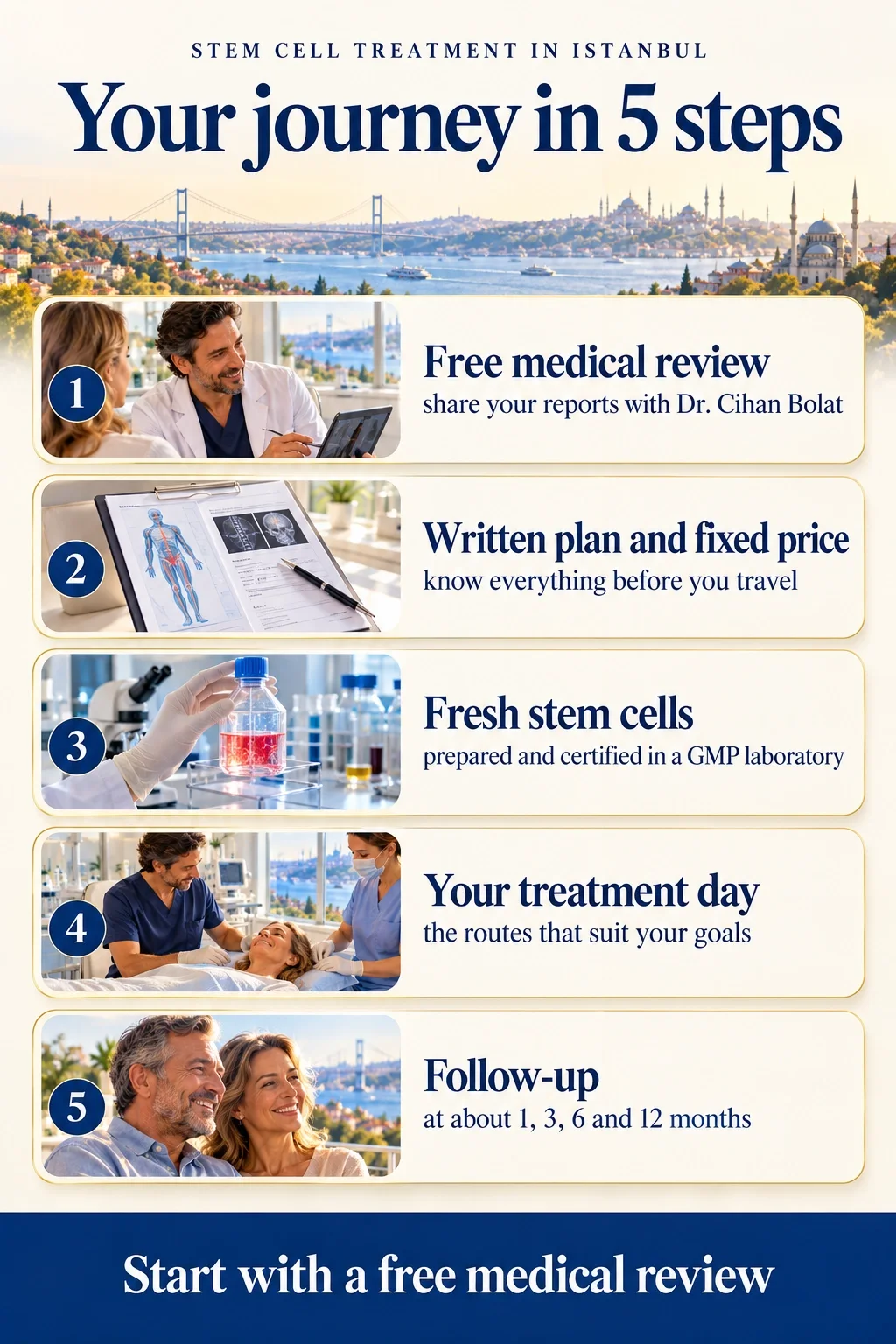
Free medical review
Send us your reports and tell us about your health and your goals. Dr. Cihan Bolat reviews your case free of charge and advises whether stem cells, exosomes or both suit you.
Your written plan and fixed price
You receive a written plan with your stem cells and their count, the routes chosen for you, any exosomes and your dates, with a fixed, all-inclusive price before you travel.
Cells prepared and certified
Your umbilical cord and Wharton’s jelly MSCs are prepared fresh for your treatment date in a Ministry of Health-approved GMP laboratory, which checks and certifies their count and viability before treatment.
Your treatment day
We help with your accommodation, transport and translation. Most plans take one treatment day, and you receive your stem cells by the routes in your plan, under the care of Dr. Cihan Bolat’s team.
Home and follow-up
We stay in touch and review your progress with you at about 1, 3, 6 and 12 months.
16
What our patients say
Transformative Support for Our Child with Autism
We cannot thank this clinic enough for the incredible support and care our child has received for autism treatment. From the very first visit, the staff was welcoming and understanding, making our child feel comfortable and safe. The medical team took the time to listen to our concerns and tailored a treatment plan that truly addresses our child's unique needs. Since starting therapy, we’ve seen significant improvements in his communication skills and social interactions. The progress he has made is beyond what we hoped for, and we feel empowered as parents knowing we have the right support. This clinic has been a transformative experience for our family, and we highly recommend it to anyone seeking autism treatment!
Remarkable Relief from Knee Pain
I recently sought treatment at this clinic for persistent knee pain that had been affecting my daily activities. From the moment I walked in, I felt reassured by the professionalism of the medical team. They conducted a thorough evaluation and explained my treatment options in detail. After undergoing stem cell therapy, I was amazed at how quickly I began to feel relief. The pain that once limited my mobility has significantly decreased, allowing me to return to my active lifestyle. I appreciate the compassionate care I received and can confidently say this clinic is the go-to place for effective knee pain treatment. Highly recommend!
23
Frequently asked questions
What is stem cell therapy?
Stem cell therapy uses living repair cells to support the body’s own healing. At Istanbul Stemcell we use fresh mesenchymal stem cells from umbilical cords donated after healthy births: umbilical cord MSCs from the cord tissue and Wharton’s jelly MSCs from its soft inner tissue. They are prepared for your treatment date in a Ministry of Health-approved GMP laboratory, and Dr. Cihan Bolat plans the treatment around your condition and your goals.
How does stem cell therapy work?
Mesenchymal stem cells work mainly as messengers. They are drawn towards injured or inflamed tissue, where they release growth factors, immune-calming signals and exosomes, tiny packages of proteins and genetic messages. These signals protect stressed cells, limit scarring, support new small blood vessels and stimulate your own repair cells, so your body does the work of healing with powerful extra support.
How is stem cell therapy administered?
Stem cell therapy can be given in 18 ways. An IV infusion carries the cells through the whole body, and intrathecal treatment brings them close to the brain and spinal cord. Fine injections place them where you need them most: in a joint, tendon, muscle, bone or spinal disc, beside the spine or around a nerve, in the scalp and skin, around the eye, or in the erectile or intimate tissues. A catheter can bring them to the heart. Dr. Cihan Bolat chooses the route for your goals.
Which conditions can stem cell therapy help?
Published studies report benefits in a wide range of conditions: autism, cerebral palsy, multiple sclerosis, Parkinson’s disease, stroke and spinal cord injury; knee and hip osteoarthritis, rheumatoid arthritis, sports injuries and back pain; heart failure, COPD, kidney disease, liver cirrhosis and diabetes; and lupus, Crohn’s disease, erectile dysfunction, hair loss and healthy ageing. Dr. Cihan Bolat reviews your reports free of charge and explains what you can expect.
Is stem cell therapy safe?
The published safety record is reassuring. A meta-analysis of 62 randomised trials with 3,546 participants concluded that mesenchymal stem cell treatment was safe across different conditions compared with placebo. Your cells are prepared in a Ministry of Health-approved GMP laboratory, which checks and certifies their count and viability before treatment, and Dr. Cihan Bolat, a specialist in anaesthesiology and reanimation, reviews your health and plans your comfort.
How soon will I notice results?
It depends on your condition and your goals. In published trials, some changes appeared within the first months: older adults with frailty rated their health better from the second month, for example. Other results built up over 6 to 12 months, such as motor skills in children with cerebral palsy, and the heart’s pumping strength had improved by the first check-up at 3 months. We review your progress with you at about 1, 3, 6 and 12 months.
What are mesenchymal stem cells?
Mesenchymal stem cells, or MSCs, are repair cells found in bone marrow, fat tissue and the umbilical cord. They can renew themselves and develop into tissues such as bone, cartilage, muscle and tendon, but their main strength lies in the signals they release, which calm inflammation, protect cells and stimulate the body’s own repair. They are among the most widely studied cells in regenerative medicine.
Why umbilical cord stem cells?
Wharton’s jelly, the soft tissue inside the umbilical cord, holds some of the youngest mesenchymal stem cells available, collected at the very start of life from cords donated after healthy births. In laboratory comparisons, these cells multiplied faster than bone marrow stem cells, and they lack the signals that trigger rejection, so no donor matching is needed. Nothing is harvested from your own body, and your cells are prepared fresh for your treatment date.
Can children receive stem cell therapy?
Yes. We treat children with autism and cerebral palsy, and published studies in both conditions included children. Dr. Cihan Bolat reviews your child’s reports free of charge, plans the treatment and plans your child’s comfort. Autism plans take one day in hospital and a stay of at least 3 nights in Istanbul, and you receive a written plan and a fixed, all-inclusive price before you travel.
How much does stem cell therapy cost in Turkey?
It depends on your personal plan: the stem cells, the routes, any exosomes and the number of sessions. Our special offer is “EUR 4,950 for 50 million mesenchymal stem cells (MSCs) derived from Wharton’s jelly of the umbilical cord. Administered via infusion or as an injection into two joints.” A complete autism treatment costs EUR 8,000–15,000, including hotel and ground transport, and most erectile dysfunction plans cost under USD 10,000. You receive a fixed, all-inclusive price in writing before you travel.
How do I choose the best stem cell clinic in Turkey?
Choose a doctor-led clinic that reviews your medical reports before you travel, tells you exactly which cells and how many you will receive, prepares them in a Ministry of Health-approved GMP laboratory with a certified count and viability, gives you a written plan with a fixed price and follows your progress afterwards. At Istanbul Stemcell, Uzm. Dr. Cihan Bolat reviews your case free of charge, and your plan and price are confirmed in writing before you travel.
Is Turkey a good place for stem cell therapy?
Many international patients choose Turkey for stem cell therapy because it combines doctor-led care, modern laboratories and good value, and Istanbul is easy to reach from Europe, the Middle East and beyond. Most plans take one treatment day, so you can combine your treatment with a few relaxed days in the city. Our team helps you with accommodation, transport and translation, so you can focus on your treatment.
How long do I need to stay in Istanbul?
Most plans take one treatment day in Istanbul, and many patients combine it with a few relaxed days in the city. Plans for children with autism include one day in hospital and a stay of at least 3 nights. Your written plan shows your dates before you travel, and we help you with accommodation, transport and translation.
Is stem cell therapy painful?
Your treatment is planned around your comfort. An IV infusion is a simple drip, given while you sit or lie comfortably, and injections use very fine needles. Dr. Cihan Bolat, a specialist in anaesthesiology and reanimation, plans your comfort with you, and when your plan includes a treatment into the spinal fluid, light sedation can be used. Afterwards you rest for a while and receive simple advice for the next days.
Where do your stem cells come from?
From umbilical cords donated after healthy births. We use fresh umbilical cord MSCs, from the cord tissue, and Wharton’s jelly MSCs, from the soft tissue that cushions the cord’s blood vessels. They are prepared for your treatment date in a Ministry of Health-approved GMP laboratory in Turkey, which checks and certifies their count and viability before treatment. Nothing is taken from your own body, so you need no bone marrow or fat harvest.
Do I need a donor match?
No. Wharton’s jelly MSCs lack the signals that switch on rejection and did not stimulate immune cells in laboratory tests, so they can be given without matching. In a heart failure trial, none of the patients tested developed antibodies against donor umbilical cord stem cells. You also need no harvest from your own body, so your treatment can be planned around your dates.
Can stem cells and exosomes be combined?
Yes. Wharton’s jelly MSC exosomes and CD34+ exosomes can be added to your plan. Stem cells give you living cells that keep releasing repair signals in your body, while exosomes deliver these signals in concentrated form, with no living cells inside. Together, your body receives both. In your free medical review, Dr. Cihan Bolat advises whether stem cells, exosomes or both suit you best.
How many treatments will I need?
Your plan is personal. Many plans take one treatment day, and a second session can be added if it is part of your plan. Dr. Cihan Bolat advises you in your free medical review, and your written plan states the number of sessions and your cell count before you travel. We then review your progress with you at about 1, 3, 6 and 12 months.
Why choose Istanbul Stemcell?
Your treatment is led by Uzm. Dr. Cihan Bolat, specialist in anaesthesiology and reanimation and in regenerative medicine, who reviews your case free of charge and plans every treatment. We use fresh umbilical cord and Wharton’s jelly MSCs from a Ministry of Health-approved GMP laboratory, with their count and viability certified, given by 18 routes chosen for your condition. You receive a written plan and a fixed price before you travel, and we help with your stay.
Can stem cells be injected into the knee or other joints?
Yes. In an intra-articular injection, the stem cells are placed directly into the joint space of the knee, hip, shoulder, ankle or another joint, where they reach the joint lining and cartilage. In randomised trials in knee osteoarthritis, stem cell injections eased pain and improved function more than placebo or hyaluronic acid. In your free medical review, Dr. Cihan Bolat looks at your scans and advises which joints, and which routes, suit you best.
What is intrathecal stem cell therapy?
Intrathecal stem cell therapy places the cells in the spinal fluid that surrounds the brain and spinal cord, through a very fine needle in the lower back, so they begin their work right beside the nerve tissue. In randomised trials, intrathecal stem cells improved motor skills in children with cerebral palsy and kept more people with progressive multiple sclerosis free of disease activity than sham treatment. Dr. Cihan Bolat, a specialist in anaesthesiology and reanimation, plans every treatment and your comfort.
Can stem cells help back pain or a worn disc?
Yes. Stem cells can be placed where back pain starts: into the soft centre of a worn disc (intradiscal), or into the small facet joints and the tissues beside the spine (paraspinal). In a randomised trial, stem cells injected into worn discs improved pain, function and disc quality on MRI, and in the facet joints they eased long-standing back pain for up to two years. In your free medical review, Dr. Cihan Bolat looks at your MRI and advises the best plan for your back.
Can stem cell therapy help erectile dysfunction?
Yes, and the results are encouraging. Injected into the erectile tissue with a very fine needle, they support the blood vessels, smooth muscle and nerves that an erection depends on. In a clinical study, diabetic men whose ED had resisted treatment had better erectile function, firmer erections and stronger penile blood flow over 12 months after two injections of Wharton’s jelly stem cells. Dr. Cihan Bolat plans your comfort, and you return to your hotel the same day.
Can stem cells help hair loss?
Yes, stem cell treatments have brought real regrowth in clinical studies. Injected into the scalp, Wharton’s jelly stem cells regrew hair in every patient of an alopecia areata study, and in a placebo-controlled trial in pattern hair loss, stem cell micrografts raised hair density for more than a year. Stem cell factors applied after a fractional laser session also increased hair density. In your free medical review, Dr. Cihan Bolat will advise which approach suits your hair.
Can stem cell therapy support fertility?
Stem cells can be part of your fertility plans. Placed in the ovaries, they bring repair signals to the follicles where eggs mature, and in the uterus they support its inner lining, the endometrium. In clinical studies, stem cells improved ovarian function in women with a poor ovarian response and thickened a thin endometrium, including in a study at a hospital in Istanbul. Dr. Cihan Bolat will review your history and shape a plan around your goals.

Medical review
Uzm. Dr. Cihan Bolat
Medical Director, Istanbul Stemcell
This page was written from the published studies listed below and reviewed for medical accuracy on .
24
References
- Caplan AI, Dennis JE. Mesenchymal stem cells as trophic mediators. J Cell Biochem. 2006;98(5):1076-84. PMID 16619257
- Yang G, et al. Immunomodulatory Mechanisms and Therapeutic Potential of Mesenchymal Stem Cells. Stem Cell Rev Rep. 2023;19(5):1214-1231. PMID 37058201
- Kalluri R, LeBleu VS. The biology, function, and biomedical applications of exosomes. Science. 2020;367(6478). PMID 32029601
- Batsali AK, et al. Differential expression of cell cycle and WNT pathway-related genes accounts for differences in the growth and differentiation potential of Wharton's jelly and bone marrow-derived mesenchymal stem cells. Stem Cell Res Ther. 2017;8(1):102. PMID 28446235
- Weiss ML, et al. Immune properties of human umbilical cord Wharton's jelly-derived cells. Stem Cells. 2008;26(11):2865-74. PMID 18703664
- Amanat M, et al. Clinical and imaging outcomes after intrathecal injection of umbilical cord tissue mesenchymal stem cells in cerebral palsy: a randomized double-blind sham-controlled clinical trial. Stem Cell Res Ther. 2021;12(1):439. PMID 34362453
- Bartolucci J, et al. Safety and Efficacy of the Intravenous Infusion of Umbilical Cord Mesenchymal Stem Cells in Patients With Heart Failure: A Phase 1/2 Randomized Controlled Trial (RIMECARD Trial [Randomized Clinical Trial of Intravenous Infusion Umbilical Cord Mesenchymal Stem Cells on Cardiopathy]). Circ Res. 2017;121(10):1192-1204. PMID 28974553
- Zhang J, et al. Umbilical Cord Mesenchymal Stem Cell Treatment for Crohn's Disease: A Randomized Controlled Clinical Trial. Gut Liver. 2018;12(1):73-78. PMID 28873511
- Paton MCB, et al. Clinical Evidence of Mesenchymal Stromal Cells for Cerebral Palsy: Scoping Review with Meta-Analysis of Efficacy in Gross Motor Outcomes. Cells. 2025;14(10). PMID 40422203
- Shen Z, et al. Efficacy and safety of mesenchymal stem cell therapies for ischemic stroke: a systematic review and meta-analysis. Stem Cells Transl Med. 2024;13(9):886-897. PMID 39159204
- Wang Y, Yi H, Song Y. The safety of MSC therapy over the past 15 years: a meta-analysis. Stem Cell Res Ther. 2021;12(1):545. PMID 34663461
- Thompson M, et al. Cell therapy with intravascular administration of mesenchymal stromal cells continues to appear safe: An updated systematic review and meta-analysis. EClinicalMedicine. 2020;19:100249. PMID 31989101
- Barmada A, et al. Serious Adverse Events Have Not Been Reported with Spinal Intrathecal Injection of Mesenchymal Stem Cells: A Systematic Review. Curr Stem Cell Res Ther. 2023;18(6):829-833. PMID 35980065
- Tögel F, et al. Administered mesenchymal stem cells protect against ischemic acute renal failure through differentiation-independent mechanisms. Am J Physiol Renal Physiol. 2005;289(1):F31-42. PMID 15713913
- Gnecchi M, et al. Paracrine mechanisms in adult stem cell signaling and therapy. Circ Res. 2008;103(11):1204-19. PMID 19028920
- Zhang B, et al. Mesenchymal stem cells secrete immunologically active exosomes. Stem Cells Dev. 2014;23(11):1233-44. PMID 24367916
- Hsieh JY, et al. Mesenchymal stem cells from human umbilical cord express preferentially secreted factors related to neuroprotection, neurogenesis, and angiogenesis. PLoS One. 2013;8(8):e72604. PMID 23991127
- Marino L, et al. Mesenchymal Stem Cells from the Wharton's Jelly of the Human Umbilical Cord: Biological Properties and Therapeutic Potential. Int J Stem Cells. 2019;12(2):218-226. PMID 31022994
- Schulman IH, Balkan W, Hare JM. Mesenchymal Stem Cell Therapy for Aging Frailty. Front Nutr. 2018;5:108. PMID 30498696
- Sun L, et al. Umbilical cord mesenchymal stem cell transplantation in severe and refractory systemic lupus erythematosus. Arthritis Rheum. 2010;62(8):2467-75. PMID 20506343
- Shi M, et al. Mesenchymal stem cell therapy in decompensated liver cirrhosis: a long-term follow-up analysis of the randomized controlled clinical trial. Hepatol Int. 2021;15(6):1431-1441. PMID 34843069
- Kwon DG, et al. State of the Art: The Immunomodulatory Role of MSCs for Osteoarthritis. Int J Mol Sci. 2022;23(3). PMID 35163541
- Petrou P, et al. Beneficial effects of autologous mesenchymal stem cell transplantation in active progressive multiple sclerosis. Brain. 2020;143(12):3574-3588. PMID 33253391
- Kim KI, et al. Clinical Efficacy and Safety of the Intra-articular Injection of Autologous Adipose-Derived Mesenchymal Stem Cells for Knee Osteoarthritis: A Phase III, Randomized, Double-Blind, Placebo-Controlled Trial. Am J Sports Med. 2023;51(9):2243-2253. PMID 37345256
- Mathiyalagan P, et al. Angiogenic Mechanisms of Human CD34(+) Stem Cell Exosomes in the Repair of Ischemic Hindlimb. Circ Res. 2017;120(9):1466-1476. PMID 28298297
- Hare JM, et al. Randomized Comparison of Allogeneic Versus Autologous Mesenchymal Stem Cells for Nonischemic Dilated Cardiomyopathy: POSEIDON-DCM Trial. J Am Coll Cardiol. 2017;69(5):526-537. PMID 27856208
- Lee RH, et al. Intravenous hMSCs improve myocardial infarction in mice because cells embolized in lung are activated to secrete the anti-inflammatory protein TSG-6. Cell Stem Cell. 2009;5(1):54-63. PMID 19570514
- Gao LR, et al. Intracoronary infusion of Wharton's jelly-derived mesenchymal stem cells in acute myocardial infarction: double-blind, randomized controlled trial. BMC Med. 2015;13:162. PMID 26162993
- Patel AN, et al. Ixmyelocel-T for patients with ischaemic heart failure: a prospective randomised double-blind trial. Lancet. 2016;387(10036):2412-21. PMID 27059887
- Albu S, et al. Clinical effects of intrathecal administration of expanded Wharton jelly mesenchymal stromal cells in patients with chronic complete spinal cord injury: a randomized controlled study. Cytotherapy. 2021;23(2):146-156. PMID 32981857
- Qu W, et al. Intra-articular delivery of allogeneic bone marrow derived mesenchymal stromal cells (BM-MSCs) for painful lumbar facet arthropathy: a phase I clinical trial. Stem Cell Res Ther. 2025;16(1):596. PMID 41163019
- Rothoerl R, Tomelden J, Alt EU. Safety and Efficacy of Autologous Stem Cell Treatment for Facetogenic Chronic Back Pain. J Pers Med. 2023;13(3). PMID 36983621
- Atluri S, et al. Evaluation of the Effectiveness of Autologous Bone Marrow Mesenchymal Stem Cells in the Treatment of Chronic Low Back Pain Due to Severe Lumbar Spinal Degeneration: A 12-Month, Open-Label, Prospective Controlled Trial. Pain Physician. 2022;25(2):193-207. PMID 35322978
- Noriega DC, et al. Intervertebral Disc Repair by Allogeneic Mesenchymal Bone Marrow Cells: A Randomized Controlled Trial. Transplantation. 2017;101(8):1945-1951. PMID 27661661
- Orozco L, et al. Intervertebral disc repair by autologous mesenchymal bone marrow cells: a pilot study. Transplantation. 2011;92(7):822-8. PMID 21792091
- Centeno C, et al. Treatment of lumbar degenerative disc disease-associated radicular pain with culture-expanded autologous mesenchymal stem cells: a pilot study on safety and efficacy. J Transl Med. 2017;15(1):197. PMID 28938891
- Sung MA, et al. Human umbilical cord blood-derived mesenchymal stem cells promote regeneration of crush-injured rat sciatic nerves. Neural Regen Res. 2012;7(26):2018-27. PMID 25624833
- Rached RD, et al. Mesenchymal Stem Cell Therapy for Superior Gluteal Nerve Injury Post-hip Arthroplasty: A Case Report. Cureus. 2025;17(2):e79088. PMID 40109801
- Matas J, et al. Umbilical Cord-Derived Mesenchymal Stromal Cells (MSCs) for Knee Osteoarthritis: Repeated MSC Dosing Is Superior to a Single MSC Dose and to Hyaluronic Acid in a Controlled Randomized Phase I/II Trial. Stem Cells Transl Med. 2019;8(3):215-224. PMID 30592390
- Jin WS, et al. Mesenchymal Stem Cells Injection Is More Effective Than Hyaluronic Acid Injection in the Treatment of Knee Osteoarthritis With Similar Safety: A Systematic Review and Meta-analysis. Arthroscopy. 2025;41(2):318-332. PMID 39154667
- Jo CH, et al. Intratendinous Injection of Mesenchymal Stem Cells for the Treatment of Rotator Cuff Disease: A 2-Year Follow-Up Study. Arthroscopy. 2020;36(4):971-980. PMID 31805388
- Lee SY, et al. Treatment of Lateral Epicondylosis by Using Allogeneic Adipose-Derived Mesenchymal Stem Cells: A Pilot Study. Stem Cells. 2015;33(10):2995-3005. PMID 26202898
- Centeno C, et al. Symptomatic anterior cruciate ligament tears treated with percutaneous injection of autologous bone marrow concentrate and platelet products: a non-controlled registry study. J Transl Med. 2018;16(1):246. PMID 30176875
- Gupta PK, et al. Administration of Adult Human Bone Marrow-Derived, Cultured, Pooled, Allogeneic Mesenchymal Stromal Cells in Critical Limb Ischemia Due to Buerger's Disease: Phase II Study Report Suggests Clinical Efficacy. Stem Cells Transl Med. 2017;6(3):689-699. PMID 28297569
- Winkler T, et al. Immunomodulatory placental-expanded, mesenchymal stromal cells improve muscle function following hip arthroplasty. J Cachexia Sarcopenia Muscle. 2018;9(5):880-897. PMID 30230266
- Dai A, et al. Efficacy of stem cell therapy in ambulatory and nonambulatory children with Duchenne muscular dystrophy - Phase I-II. Degener Neurol Neuromuscul Dis. 2018;8:63-77. PMID 30498389
- Hernigou P, et al. Cell therapy versus simultaneous contralateral decompression in symptomatic corticosteroid osteonecrosis: a thirty year follow-up prospective randomized study of one hundred and twenty five adult patients. Int Orthop. 2018;42(7):1639-1649. PMID 29744647
- Hernigou P, et al. Percutaneous autologous bone-marrow grafting for nonunions. Influence of the number and concentration of progenitor cells. J Bone Joint Surg Am. 2005;87(7):1430-7. PMID 15995108
- Hernigou P, et al. Intraosseous bone marrow concentrate delays total hip arthroplasty in osteoarthritis: A fifteen year matched cohort study with dose-response analysis. Int Orthop. 2026;50(7):1617-1626. PMID 42301272
- Czarnecka A, et al. Wharton's jelly-derived mesenchymal stem cells in the treatment of four patients with alopecia areata. Adv Clin Exp Med. 2021;30(2):211-218. PMID 33636057
- Gentile P, et al. Autologous Micrografts from Scalp Tissue: Trichoscopic and Long-Term Clinical Evaluation in Male and Female Androgenetic Alopecia. Biomed Res Int. 2020;2020:7397162. PMID 32071919
- Ibrahim ZA, et al. Autologus bone marrow stem cells in atrophic acne scars: A pilot study. J Dermatolog Treat. 2015;26(3):260-5. PMID 25041112
- Abou Eitta RS, et al. Evaluation of autologous adipose-derived stem cells vs. fractional carbon dioxide laser in the treatment of post acne scars: a split-face study. Int J Dermatol. 2019;58(10):1212-1222. PMID 31297798
- Wu Y, et al. Mesenchymal stem cells enhance wound healing through differentiation and angiogenesis. Stem Cells. 2007;25(10):2648-59. PMID 17615264
- Wang X, et al. Biodistribution-based Administration of cGMP-compliant Human Umbilical Cord Mesenchymal Stem Cells Affects the Therapeutic Effect of Wound Healing. Stem Cell Rev Rep. 2024;20(1):329-346. PMID 37889447
- Masłowski L, et al. Autotransplantation of the Adipose Tissue-Derived Mesenchymal Stromal Cells in Therapy of Venous Stasis Ulcers. Arch Immunol Ther Exp (Warsz). 2020;68(1):5. PMID 32060631
- Kim SJ, et al. Innovative method of alopecia treatment by autologous adipose-derived SVF. Stem Cell Res Ther. 2021;12(1):486. PMID 34454613
- Liang X, et al. Efficacy of Microneedling Combined With Local Application of Human Umbilical Cord-Derived Mesenchymal Stem Cells Conditioned Media in Skin Brightness and Rejuvenation: A Randomized Controlled Split-Face Study. Front Med (Lausanne). 2022;9:837332. PMID 35685406
- Lin TJ, et al. Effectiveness of Topical Conditioned Medium of Stem Cells in Facial Skin Nonsurgical Resurfacing Modalities for Antiaging: Systematic Review and Meta-Analysis of Randomized Controlled Trials. Aesthetic Plast Surg. 2023;47(2):799-807. PMID 36396862
- Lee YI, et al. The Effect of Conditioned Media From Human Adipocyte-Derived Mesenchymal Stem Cells on Androgenetic Alopecia After Nonablative Fractional Laser Treatment. Dermatol Surg. 2020;46(12):1698-1704. PMID 32769526
- Uzun E, et al. Intralesional allogeneic adipose-derived stem cells application in chronic diabetic foot ulcer: Phase I/2 safety study. Foot Ankle Surg. 2021;27(6):636-642. PMID 32826167
- Panés J, et al. Expanded allogeneic adipose-derived mesenchymal stem cells (Cx601) for complex perianal fistulas in Crohn's disease: a phase 3 randomised, double-blind controlled trial. Lancet. 2016;388(10051):1281-90. PMID 27477896
- Panés J, et al. Long-term Efficacy and Safety of Stem Cell Therapy (Cx601) for Complex Perianal Fistulas in Patients With Crohn's Disease. Gastroenterology. 2018;154(5):1334-1342.e4. PMID 29277560
- Wei J, et al. Efficacy and safety of allogeneic umbilical cord-derived mesenchymal stem cells for the treatment of complex perianal fistula in Crohn's disease: a pilot study. Stem Cell Res Ther. 2023;14(1):311. PMID 37904247
- Özmert E, Arslan U. Management of retinitis pigmentosa by Wharton's jelly-derived mesenchymal stem cells: prospective analysis of 1-year results. Stem Cell Res Ther. 2020;11(1):353. PMID 32787913
- Ozmert E, Arslan U. Management of Retinitis Pigmentosa Via Wharton's Jelly-Derived Mesenchymal Stem Cells or Combination With Magnovision: 3-Year Prospective Results. Stem Cells Transl Med. 2023;12(10):631-650. PMID 37713598
- Özmert E, Arslan U. Management of toxic optic neuropathy via a combination of Wharton's jelly-derived mesenchymal stem cells with electromagnetic stimulation. Stem Cell Res Ther. 2021;12(1):518. PMID 34579767
- Al Demour S, et al. Safety and Potential Therapeutic Effect of Two Intracavernous Autologous Bone Marrow Derived Mesenchymal Stem Cells injections in Diabetic Patients with Erectile Dysfunction: An Open Label Phase I Clinical Trial. Urol Int. 2018;101(3):358-365. PMID 30173210
- Al Demour S, et al. Safety and Efficacy of 2 Intracavernous Injections of Allogeneic Wharton's Jelly-Derived Mesenchymal Stem Cells in Diabetic Patients with Erectile Dysfunction: Phase 1/2 Clinical Trial. Urol Int. 2021;105(11-12):935-943. PMID 34384079
- Ji YH, et al. High-activity placenta-derived mesenchymal stem cells combined with low-intensity extracorporeal shock wave therapy for diabetic erectile dysfunction: a prospective randomized controlled trial. Stem Cell Res Ther. 2025;16(1):359. PMID 40629484
- Yiou R, et al. Safety of Intracavernous Bone Marrow-Mononuclear Cells for Postradical Prostatectomy Erectile Dysfunction: An Open Dose-Escalation Pilot Study. Eur Urol. 2016;69(6):988-91. PMID 26439886
- Giuseppina Onesti M, et al. The Use of Human Adipose-Derived Stem Cells in the Treatment of Physiological and Pathological Vulvar Dystrophies. Stem Cells Int. 2016;2016:2561461. PMID 26880944
- Gutierrez-Ontalvilla P, et al. Clinical and Histopathological Investigation of Stromal Vascular Fraction and Nanofat in Vulvar Lichen Sclerosus. Aesthet Surg J. 2025;45(11):1166-1174. PMID 40702658
- Arjmand B, et al. Concomitant Transurethral and Transvaginal-Periurethral Injection of Autologous Adipose Derived Stem Cells for Treatment of Female Stress Urinary Incontinence: A Phase One Clinical Trial. Acta Med Iran. 2017;55(6):368-374. PMID 28843237
- Ding L, et al. Transplantation of UC-MSCs on collagen scaffold activates follicles in dormant ovaries of POF patients with long history of infertility. Sci China Life Sci. 2018;61(12):1554-1565. PMID 29546669
- Herraiz S, et al. Autologous stem cell ovarian transplantation to increase reproductive potential in patients who are poor responders. Fertil Steril. 2018;110(3):496-505.e1. PMID 29960701
- Cao Y, et al. Allogeneic cell therapy using umbilical cord MSCs on collagen scaffolds for patients with recurrent uterine adhesion: a phase I clinical trial. Stem Cell Res Ther. 2018;9(1):192. PMID 29996892
- Arikan G, et al. Autologous bone marrow-derived nucleated cell (aBMNC) transplantation improves endometrial function in patients with refractory Asherman's syndrome or with thin and dysfunctional endometrium. J Assist Reprod Genet. 2023;40(5):1163-1171. PMID 36662355
- Shen T, et al. A Systematic Review and Meta-Analysis: Safety and Efficacy of Mesenchymal Stem Cells Therapy for Heart Failure. Curr Stem Cell Res Ther. 2021;16(3):354-365. PMID 32867655
- Ruiz JG, et al. Randomized phase 2b dose-escalation trial of stem cell therapy with laromestrocel for aging frailty. Cell Stem Cell. 2026;33(3):393-404.e4. PMID 41747733
- Nguyen LT, et al. Outcomes of autologous bone marrow mononuclear cell administration combined with educational intervention in the treatment of autism spectrum disorder: a randomized, open-label, controlled phase II clinical trial. Stem Cell Res Ther. 2025;16(1):268. PMID 40442857
- Nguyen LT, et al. Intrathecal versus intravenous umbilical cord mesenchymal stem cells for ischemic stroke sequelae. Stem Cells Transl Med. 2025;14(12). PMID 41277536
- Xu P, Yang X. The Efficacy and Safety of Mesenchymal Stem Cell Transplantation for Spinal Cord Injury Patients: A Meta-Analysis and Systematic Review. Cell Transplant. 2019;28(1):36-46. PMID 30362373
- Wang D, et al. Umbilical cord mesenchymal stem cell transplantation in active and refractory systemic lupus erythematosus: a multicenter clinical study. Arthritis Res Ther. 2014;16(2):R79. PMID 24661633
- Zang L, et al. Efficacy and safety of umbilical cord-derived mesenchymal stem cells in Chinese adults with type 2 diabetes: a single-center, double-blinded, randomized, placebo-controlled phase II trial. Stem Cell Res Ther. 2022;13(1):180. PMID 35505375
- Perico N, et al. Safety and Preliminary Efficacy of Mesenchymal Stromal Cell (ORBCEL-M) Therapy in Diabetic Kidney Disease: A Randomized Clinical Trial (NEPHSTROM). J Am Soc Nephrol. 2023;34(10):1733-1751. PMID 37560967
- Kabatas S, et al. Advances in the treatment of autism spectrum disorder: Wharton jelly mesenchymal stem cell transplantation. World J Methodol. 2025;15(1):95857. PMID 40115399
- Sharma A, et al. Autologous bone marrow mononuclear cell administration in a large cohort of 1,011 patients with autism spectrum disorder: a retrospective observational study. Clin Transplant Res. 2026;40(1):116-128. PMID 41407289
- Gu J, et al. Therapeutic evidence of umbilical cord-derived mesenchymal stem cell transplantation for cerebral palsy: a randomized, controlled trial. Stem Cell Res Ther. 2020;11(1):43. PMID 32014055
- Li JF, et al. The potential of human umbilical cord-derived mesenchymal stem cells as a novel cellular therapy for multiple sclerosis. Cell Transplant. 2014;23 Suppl 1:S113-22. PMID 25385295
- Schiess M, et al. Allogeneic Bone Marrow-Derived Mesenchymal Stem Cell Safety in Idiopathic Parkinson's Disease. Mov Disord. 2021;36(8):1825-1834. PMID 33772873
- Rash BG, et al. Allogeneic mesenchymal stem cell therapy with laromestrocel in mild Alzheimer's disease: a randomized controlled phase 2a trial. Nat Med. 2025;31(4):1257-1266. PMID 40065171
- Xie X, et al. Clinical safety and efficacy of allogenic human adipose mesenchymal stromal cells-derived exosomes in patients with mild to moderate Alzheimer's disease: a phase I/II clinical trial. Gen Psychiatr. 2023;36(5):e101143. PMID 37859748
- Kaplan N, et al. Multiroute administration of Wharton's jelly mesenchymal stem cells in chronic complete spinal cord injury: A phase I safety and feasibility study. World J Stem Cells. 2025;17(5):101675. PMID 40503363
- Świątkowska-Flis B, et al. The use of umbilical cord-derived mesenchymal stem cells in patients with muscular dystrophies: Results from compassionate use in real-life settings. Stem Cells Transl Med. 2021;10(10):1372-1383. PMID 34313400
- Yang Y, et al. Serum IFN-γ levels predict the therapeutic effect of mesenchymal stem cell transplantation in active rheumatoid arthritis. J Transl Med. 2018;16(1):165. PMID 29903026
- Yang Y, et al. Mesenchymal stem cells combined with IFN-γ treatment versus mesenchymal stem cells monotherapy: safety and efficacy over five years extension follow-up. Stem Cell Res Ther. 2025;16(1):642. PMID 41250139
- Lim HC, et al. Allogeneic Umbilical Cord Blood-Derived Mesenchymal Stem Cell Implantation Versus Microfracture for Large, Full-Thickness Cartilage Defects in Older Patients: A Multicenter Randomized Clinical Trial and Extended 5-Year Clinical Follow-up. Orthop J Sports Med. 2021;9(1):2325967120973052. PMID 33490296
- Pettine KA, et al. Percutaneous injection of autologous bone marrow concentrate cells significantly reduces lumbar discogenic pain through 12 months. Stem Cells. 2015;33(1):146-56. PMID 25187512
- Le Thi Bich P, et al. Allogeneic umbilical cord-derived mesenchymal stem cell transplantation for treating chronic obstructive pulmonary disease: a pilot clinical study. Stem Cell Res Ther. 2020;11(1):60. PMID 32054512
- Calzetta L, et al. Stem Cell-Based Regenerative Therapy and Derived Products in COPD: A Systematic Review and Meta-Analysis. Cells. 2022;11(11). PMID 35681492
- Lin YC, et al. Clinical efficacy and safety of allogeneic adipose-derived stem cells ELIXCYTE in chronic kidney disease: a phase I/II study. Stem Cells Transl Med. 2026;15(1). PMID 41555517
- Lu W, et al. Efficacy and safety of mesenchymal stem cell therapy in liver cirrhosis: a systematic review and meta-analysis. Stem Cell Res Ther. 2023;14(1):301. PMID 37864199
- Carlsson PO, et al. Umbilical cord-derived mesenchymal stromal cells preserve endogenous insulin production in type 1 diabetes: a Phase I/II randomised double-blind placebo-controlled trial. Diabetologia. 2023;66(8):1431-1441. PMID 37221247
- Zheng Y, et al. Allogeneic umbilical cord-derived mesenchymal stromal cells for treatment of refractory lupus nephritis: a real-world study. Stem Cell Res Ther. 2026;17(1). PMID 42001190
- Qiu Y, Li C, Sheng S. Efficacy and safety of stem cell therapy for Crohn's disease: a meta-analysis of randomized controlled trials. Stem Cell Res Ther. 2024;15(1):28. PMID 38303054
- Jiang X, et al. Umbilical cord mesenchymal stem cells in ulcerative colitis treatment: efficacy and possible mechanisms. Stem Cell Res Ther. 2024;15(1):272. PMID 39218946
- Chien WY, et al. Stem cell-derived conditioned medium for alopecia: A systematic review and meta-analysis. J Plast Reconstr Aesthet Surg. 2024;88:182-192. PMID 37983981
- Zhu Y, et al. Safety and efficacy of umbilical cord tissue-derived mesenchymal stem cells in the treatment of patients with aging frailty: a phase I/II randomized, double-blind, placebo-controlled study. Stem Cell Res Ther. 2024;15(1):122. PMID 38679727