01
Does stem cell therapy work for autism?
In short: in published studies, many children made more progress in communication, social responsiveness and daily-living skills when stem cell therapy was added to their usual therapies than with those therapies alone.17196
- Randomised trial, 2025: in 50 children aged 3 to 7, intrathecal cells with education lowered the CARS autism score by 5.9 points, against 1.5 with education alone, and daily-living skills (Vineland) rose by 8.5 points, against 1.4.17
- Meta-analysis, 2022: across five controlled studies with 325 children, CARS scores improved by about 6 points more with stem cells than in the comparison groups.19
- Double-blind trial, 2026: children with signs of immune imbalance improved more in social responsiveness after IV infusions of donor cord blood cells than children given a placebo.6
What is the success rate of stem cell therapy for autism?
There is no single success rate, because studies use different cells, routes and rating scales, and every child develops in their own way. What studies report is how much children’s scores changed, and in several studies many children improved on more than one autism measure.2126 That is why Dr. Cihan Bolat first reviews your child’s reports free of charge, agrees clear goals with you, and reviews progress with you at about 1, 3, 6 and 12 months. For every study in detail, read our research guide to stem cell treatment for autism.
02
Stem cell therapy for autism: what it is and how it helps your child
Stem cell therapy for autism gives your child fresh mesenchymal stem cells (MSCs) from Wharton’s jelly, the soft tissue of donated umbilical cords, together with the exosomes these cells release. The cells act as a powerful source of biological signals: they calm inflammation, help rebalance the immune system and release growth factors that support the brain’s own cells.34 Many parents look for a stem cell treatment for autism because they see their child making progress in therapy and want to give that progress more support.
What families hope for
Every child is different, and so are every family’s goals: more words and longer sentences, better eye contact, more interest in other children, calmer behaviour, longer attention, better sleep and more independence in daily life. In published studies, children improved on exactly these kinds of measures: social responsiveness, communication, daily-living skills and behaviour.17618
Added to therapy, never instead of it
Speech therapy, behavioural therapy such as ABA and occupational therapy remain the foundation. Stem cell therapy is added to them, and your child continues these therapies before and after treatment. In the studies with the best results, children did the same.171820
Results at a glance
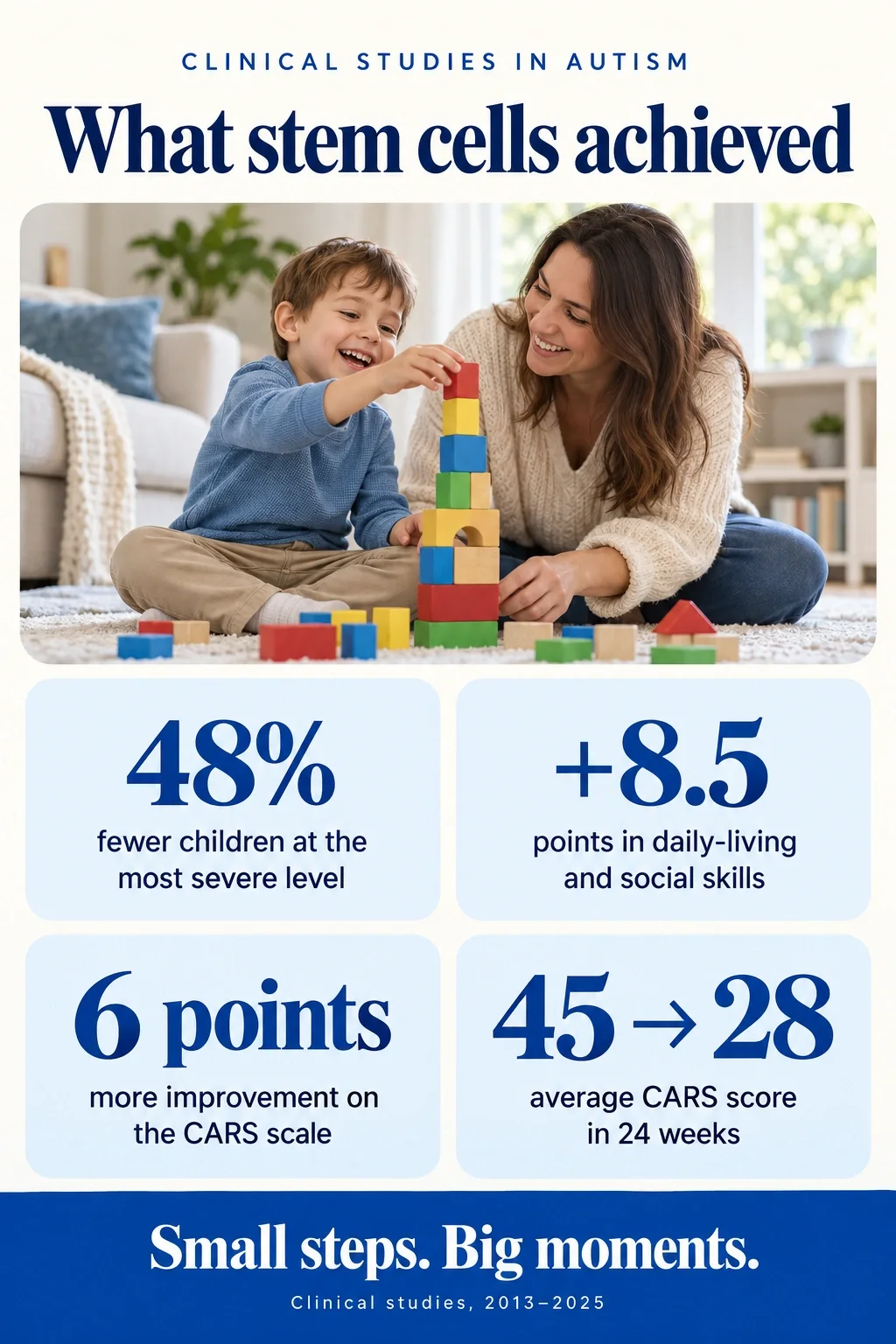
- 48%fewer children at the most severe level of autism after 12 months, against 8% with education alone17
- +8.5points in daily-living and social skills (Vineland), against +1.4 without cell therapy17
- 6 pointsmore improvement on the CARS autism scale in a meta-analysis of five controlled studies19
- 45 → 28average CARS score within 24 weeks with combined routes and umbilical cord stem cells18
03
How stem cells and exosomes work in autism
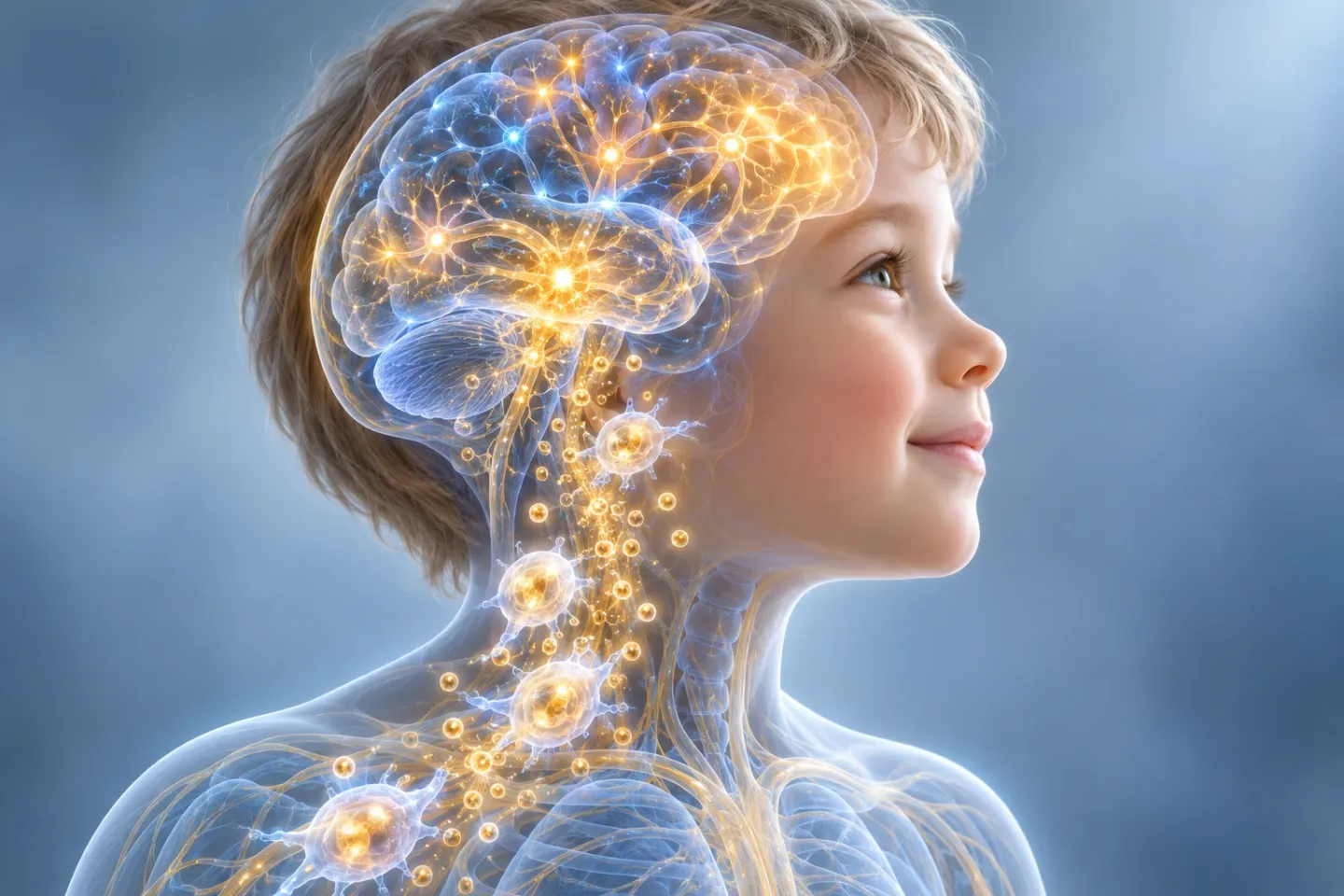
Mesenchymal stem cells do not work by turning into new brain cells. They work by sending signals: growth factors and immune messengers that calm inflammation, protect cells and switch on the body’s own repair processes.3 Five effects are studied most in autism.
How stem cell therapy works in autism
- Fresh stem cellsWharton’s jelly stem cells and exosomes, by four routes in one hospital day.
- Signals releasedGrowth factors, immune messengers and exosomes.3
- Brain and immune systemCalmer inflammation and microglia, a rebalanced immune system.74
- Progress in daily lifeCommunication, social responsiveness and daily-living skills improved in studies.176
How stem cells and exosomes calm the brain’s immune cells
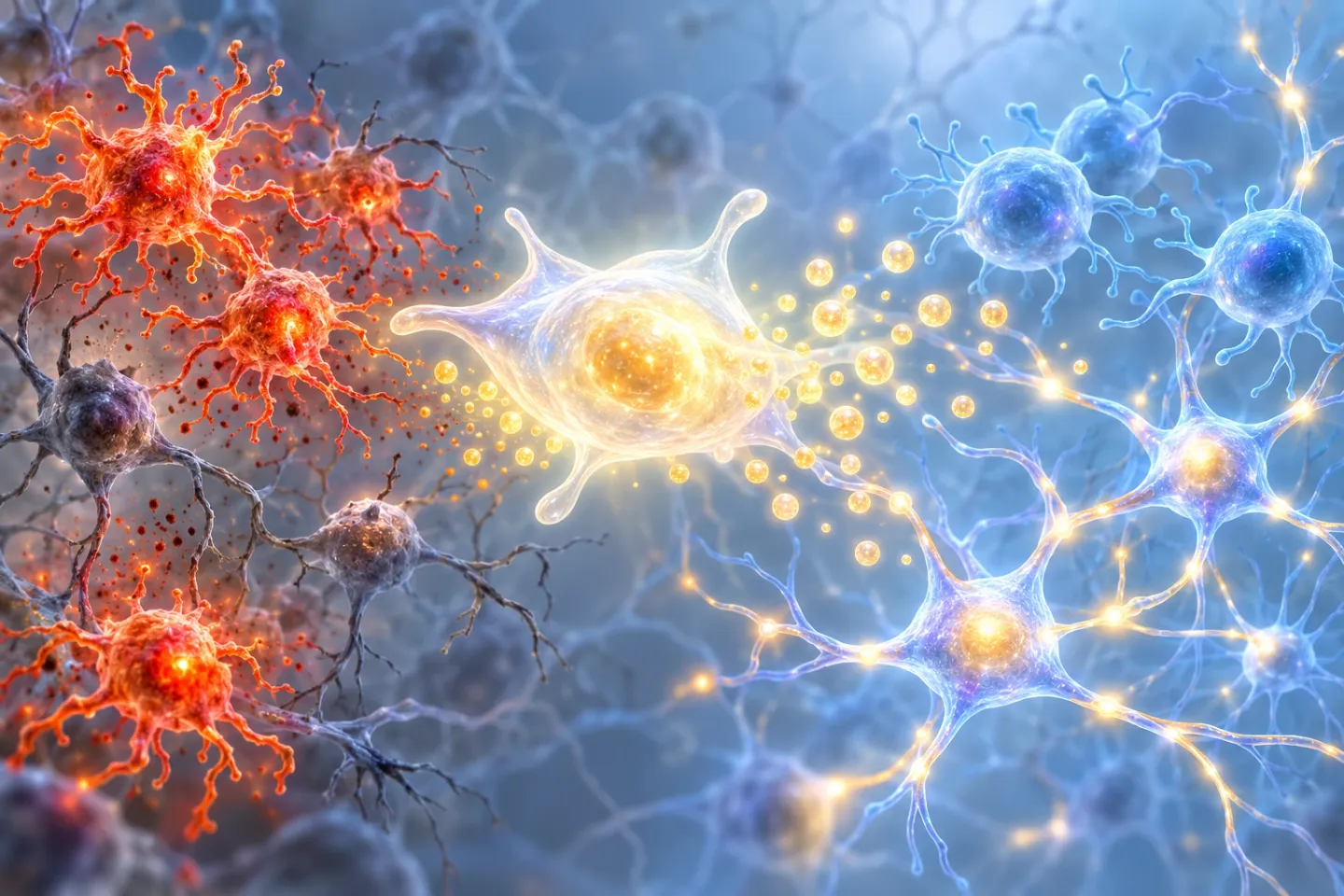
- Over-active microgliaThe brain’s own immune cells, more active than they need to be in many children with autism.
- Stem cellMesenchymal stem cells sense inflammation and release calming signals and growth factors.
- ExosomesTiny vesicles carry proteins and RNA messages from cell to cell.
- Calm microgliaCalmer immune cells support healthy nerve cells and the connections between them.
Calming inflammation in the brain
Signs of an active immune response have been found in the brains of autistic people, with activated microglia, the brain’s immune cells.1 In mouse models of autism, stem cell exosomes lowered inflammatory signals such as IL-6 and TNF-α, raised the calming signal IL-10 and settled over-active microglia.78
Rebalancing the immune system
Many children with autism have higher levels of inflammatory messengers in their blood.2 Wharton’s jelly stem cells calm over-active immune cells in laboratory tests.4 In a double-blind trial, children with autism and signs of immune imbalance improved more in social responsiveness after cell therapy than with placebo.6
Growth factors for brain cells and connections
In mouse models of autism, stem cells raised BDNF, a key growth factor for brain cells, helped new neurons form and supported neuronal branching and synapse-related genes.910 In children treated at Duke University, behavioural improvement went together with stronger connections in brain networks for social and language skills.11
The gut–immune link
Digestive problems are common in autism and are linked to differences in the immune system.12 That is one reason we also give stem cells and exosomes by IV, so their calming signals reach the immune system throughout the body.
Exosomes: the cells’ messengers
Exosomes are tiny packages of the stem cells’ signals, with no living cells inside. In animal studies, exosomes sprayed into the nose travelled along the olfactory pathway into the brain and gathered in the affected regions for up to four days,1314 where they improved social behaviour and communication and reduced repetitive behaviours.1516
Read why we combine intrathecal and IV stem cells with intranasal exosomes, or learn how our exosome therapy works.
04
Our protocol: four routes in one hospital day
Fresh Wharton’s jelly (umbilical cord) stem cells
Our stem cells come from Wharton’s jelly, collected from umbilical cords donated after healthy births, so nothing is taken from your child. They are young, fast-growing cells that carry very few of the markers that trigger rejection, so no donor matching is needed.314 We prepare them fresh for your child’s treatment date and never freeze them, because cells used straight after thawing showed weaker immune-calming properties than freshly prepared cells.5 Our cells and exosomes are prepared in a laboratory approved by the Turkish Ministry of Health and certified to GMP standards, with cell count and viability checked before every treatment.
The right dose for your child
The dose follows your child’s weight: 1 to 2 million stem cells per kilogram, the same range used in published studies.201821
| Child’s weight | 15 kg | 20 kg | 30 kg | 40 kg |
|---|---|---|---|---|
| Stem cells | 15–30 million | 20–40 million | 30–60 million | 40–80 million |
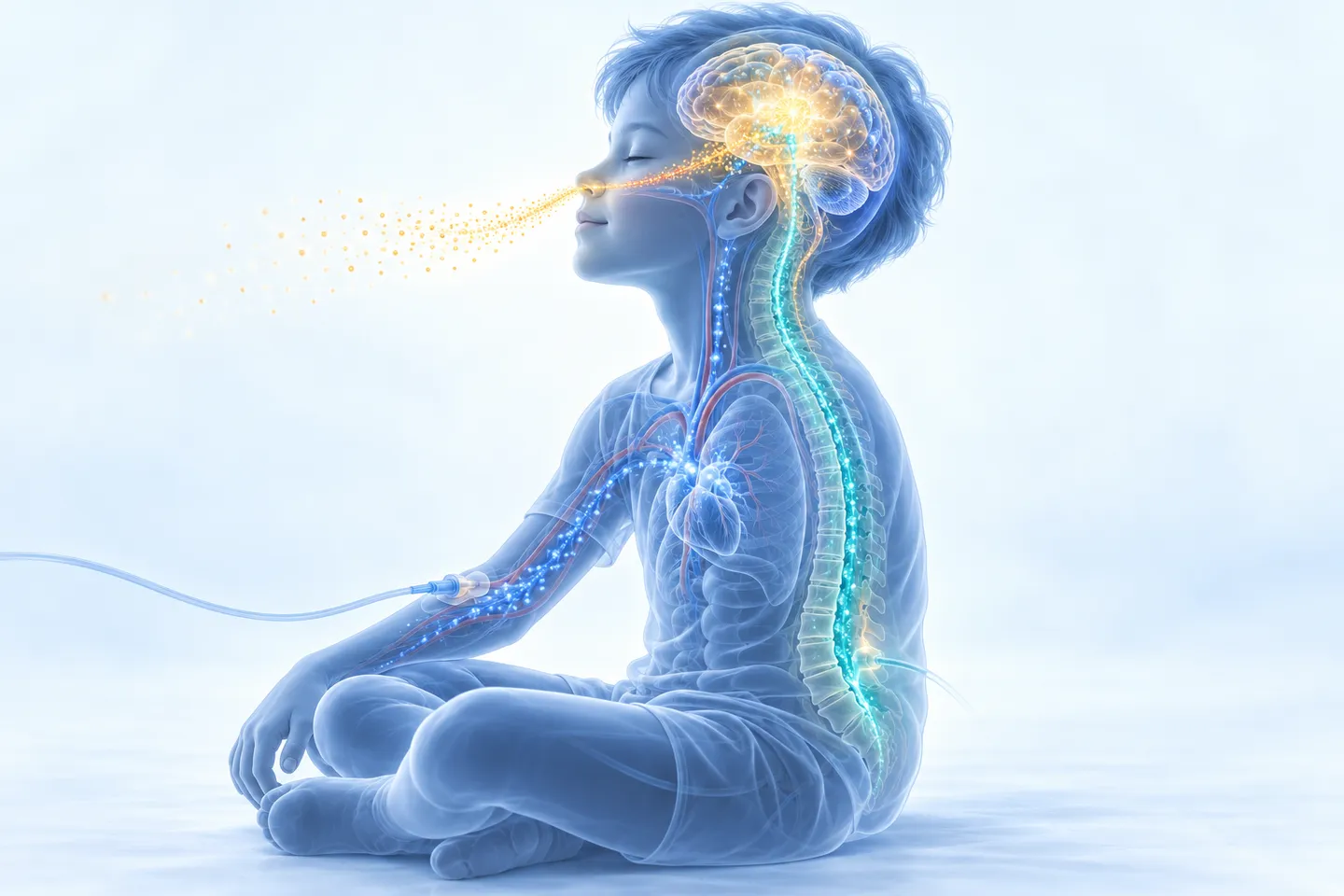
1. Intrathecal stem cells
Infused into the spinal fluid that surrounds the brain and spinal cord, through a very fine needle in the lower back, so the cells’ signals reach the brain directly.1725
2. IV stem cells
Given through a drip into a vein, where they meet the immune system throughout the body.621
3. IV exosomes
The stem cells’ signals in concentrated form, given through the same drip to add their calming effect throughout the body.7
Gentle care: your child receives light sedation for the intrathecal step, supervised by Dr. Cihan Bolat, a specialist in anaesthesiology and reanimation, and is cared for in hospital throughout the treatment day.
05
Results of stem cell therapy for autism: what studies report
Clinical studies measure progress in autism with rating scales for autism features, social responsiveness and daily-living skills. The strongest randomised trial so far reported clear gains with cell therapy:
Progress with and without cell therapy in a randomised trial
Fewer children at the most severe level of autism after 12 months17
Gain in daily-living and social skills (Vineland), 12 months17
What improves
- Autism features. A 2022 meta-analysis of five controlled studies with 325 children found that CARS autism scores improved by about 6 points more with stem cell therapy than in the comparison groups.19
- Social responsiveness. In a double-blind trial, children who received four IV infusions of donor cord blood cells improved more in social responsiveness than with placebo, especially in social understanding.6
- Combined routes. In a controlled study, children who received cord cells by IV and intrathecal routes, with umbilical cord stem cells added, improved most: their average CARS score fell from 45 to 28 in 24 weeks.18
- Thinking skills. In a controlled study, cognitive test scores and autism symptoms improved more after four IV infusions of donor cord blood cells than in the comparison group.23
- Language. In a published case from Istanbul, a 4-year-old treated with Wharton’s jelly stem cells intrathecally and by IV improved from 37 to 31 on CARS, with clear gains in language and movement skills.20 Language and vocabulary gains were also reported in studies from Duke University, Romania and Vietnam.222425
- Nasal exosomes. In the first published case in which nasal stem cell exosomes were part of the treatment, a boy with severe autism improved steadily in autism symptoms, social skills and emotional expression.28
What does “success rate” mean?
There is no single success rate, because studies use different scales. The most useful summary is the pooled result above: about 6 points more improvement on CARS with stem cell therapy.19 At Duke University, 6 of 12 children treated with umbilical cord tissue stem cells improved on at least two autism measures.21
When families notice changes
Studies measured progress from about 3 months after treatment, with results at 6 to 12 months; at Duke University most gains came within the first 6 months.22 We review your child’s progress with you at about 1, 3, 6 and 12 months. See every study in our research guide to stem cell treatment for autism.
06
Stem cell therapy for autism symptoms: how it can help your child
Every child with autism is unique, and so is the mix of strengths and challenges in your family’s day. Parents often ask us how stem cell therapy for autism can help with one particular area, such as speech, behaviour, sleep or digestion. Open any topic below to read what the research shows and how our stem cells and exosomes aim to support your child.
Development and communication
Speech, play, eye contact and movement grow together, and every new skill builds on the last.

Autism and developmental delay: how stem cells can support your child’s progress
Many children with autism reach their milestones on their own timetable: first words, pretend play, feeding themselves or using the toilet may arrive later. Every new skill opens the door to the next, and speech therapy, occupational therapy and ABA help your child take each step. In a randomised trial, toddlers in an intensive early programme gained 17.6 points in cognitive ability over two years, against 7.0 with community services.32
The young brain is remarkably adaptable. Connections between brain cells form in huge numbers in the first years and stay high through childhood, before a pruning phase that ends in the hearing areas by about age 12.33 This plasticity is why early support matters so much,34 and why we treat children from the age of 2 and see our best results under 13.
Stem cell therapy for developmental delay in autism aims to support this growing brain. Stem cells release growth factors and immune-calming signals that activate the body’s own repair cells.3 In research models of autism, they raised BDNF, a key growth factor for brain cells, and helped new neurons form.9 In studies, children moved forward:
- In a randomised trial, everyday skills on the Vineland scale rose by 8.5 points with cell therapy and education, against 1.4 with education alone; the share of children unable to feed themselves fell from 100% to 40%, against 96% to 76%.17
- In Istanbul, a 4-year-old treated with Wharton’s jelly stem cells moved forward on the Denver II test from 2 years 2 months to 3 years 9 months in language and from 3 years 3 months to 4 years 6 months in personal-social skills.20
- In Romania, 78% of children aged 3 to 7 improved after cord blood therapy.24
Your child’s next milestone is worth reaching for. Ask us about your child: the medical review is free.
Autism and speech delay: how stem cells can help
Speech delay is often the first thing parents notice: first words come later, or your child understands far more than they can say. Speech therapy remains the foundation, and there is every reason for hope. In a study of 535 children with autism who were not yet using phrases at age 4, 70% went on to speak in phrases and 47% became fluent speakers.35
Words depend on strong connections between the brain areas for hearing, meaning and speech. At Duke University, young children’s gains in social communication after a cord blood infusion went together with stronger white matter connections in the brain networks that support social, communication and language skills.11
Stem cell therapy for speech delay in autism aims to support these connections. Exosomes are tiny packages that carry proteins and RNA from cell to cell.36 In laboratory research, Wharton’s jelly exosomes helped the cells that build myelin, the insulating layer around nerve fibres, to mature,37 and in research models of autism, nasal stem cell exosomes increased vocal communication.1516 In studies, children’s language moved forward:
- At Duke University, expressive vocabulary improved significantly over the 12 months after a single cord blood infusion.22
- In Vietnam, the share of children using expressive language rose from 47% to 93% within 18 months of cell therapy with an education programme.25
- In a randomised trial, the share of children who understood few or no words fell from 96% to 4% after 12 months of cell therapy with education, against 96% to 48% with education alone.17
- In Istanbul, a 4-year-old’s language age on the Denver II test rose from 2 years 2 months to 3 years 9 months after Wharton’s jelly stem cells.20
- In Romania, speech and social scores improved significantly after cord blood therapy.24
Every new word is a celebration. Ask us how we can support your child’s speech.
Autism and motor coordination: how stem cells support movement, balance and hand skills
Some children with autism find running, jumping or catching a ball harder than their friends do, or need extra time with buttons, crayons and spoons. These differences are so common that researchers increasingly see motor coordination as part of the autism profile itself,4041 and occupational therapy and physiotherapy help children build these skills step by step. Movement matters beyond the playground: in a study of 209 autistic children, stronger gross motor skills at age 2 predicted faster language development up to age 9.42
Smooth movement relies on fast signals between the brain, the cerebellum and the muscles, carried along nerve fibres wrapped in myelin. In brain tissue from autistic people, researchers found signs of immune activity, notably in the cerebellum.1 Stem cell therapy for motor coordination in autism aims to calm this activity and support these pathways. In laboratory research, Wharton’s jelly exosomes helped myelin-forming cells mature,37 and in a research model in newborn rats, nasal Wharton’s jelly exosomes reached the brain within an hour, calmed the brain’s immune cells and again helped myelin-forming cells mature.43 In studies, children’s movement skills grew:
- In a randomised trial, gross and fine motor skills on the Vineland scale improved significantly more over 12 months with cell therapy and education than with education alone.17
- In Vietnam, children’s Vineland motor scores rose significantly within 18 months of cell therapy with an education programme.25
- In Istanbul, a 4-year-old treated with Wharton’s jelly stem cells moved forward on the Denver II test from 4 years 2 months to 4 years 10 months in gross motor skills and from 3 years 6 months to 4 years 4 months in fine motor skills.20
- In a series of 1,011 patients in India, brain scans in 401 showed improved metabolism in areas including the cerebellum, matching their symptom improvements.26
Climbing, drawing, getting dressed: every new movement builds confidence. Ask us about your child.
Behaviour, attention and sleep
Calmer days, longer focus and better nights make everything easier, for your child and for the whole family.

Autism, meltdowns and emotional regulation: how stem cells can help
Big feelings, sudden meltdowns and frustration that takes a long time to settle: many parents of autistic children know these moments well. They are not “bad behaviour” but a nervous system working hard to regulate strong emotions, and researchers suggest that differences in emotional regulation may be part of autism itself.44 When regulation improves, everything gets easier: learning, therapy sessions, outings and family life.
Differences in the amygdala and the prefrontal cortex, the brain areas that manage emotions, are thought to contribute.44 Inflammation may play a part too: in children aged 2 to 5 with autism, higher blood levels of inflammatory messengers such as IL-1β, IL-6 and IL-8 went together with more challenging behaviours.45 Stem cell therapy for autism behaviour aims to support exactly this biology. Wharton’s jelly stem cells calm over-active immune cells in laboratory tests,43 and in research models of autism, stem cell exosomes lowered inflammatory messengers such as IL-6 and TNF-α, raised the calming messenger IL-107 and increased a receptor for GABA, the brain’s main calming signal, in the prefrontal cortex.16
What children in studies experienced:
- In a randomised trial of intrathecal bone marrow cell therapy with education, the number of children who rarely expressed their emotions appropriately fell from 24 to 5 of 25, against 24 to 17 with education alone.17
- With cord blood cells plus umbilical cord stem cells, total scores on the Aberrant Behavior Checklist, which rates irritability, hyperactivity and withdrawal, fell by 59.9%, against 17.4% with rehabilitation alone, and 8 of 9 children were rated much or very much improved overall, against 1 of 13.18
- In a series of 1,011 patients, aggressiveness was among the symptoms that improved, and scores for emotional responsiveness and behaviour improved significantly.26
Stem cells work alongside your child’s ABA, occupational therapy and the calming routines you use at home. Ask us about your child in a free consultation.
Autism and sensory challenges: how stem cells can help
The roar of a hand dryer, the seam of a sock, a busy supermarket, or a constant need to spin, jump and touch: sensory differences are part of daily life for most autistic children, and they are now part of how autism is described.46 A child may over-respond to sensations, under-respond to them or seek them out.47 When the world feels more comfortable, children relax, join in and learn, which is why occupational therapy and sensory integration are so valuable.
Sensory processing depends on well-connected brain networks. In autistic boys, the white matter pathways that carry and combine sensory information showed weaker connections, and across all the children, connection strength was linked with how well they processed sounds.46 In young people who over-respond to sensations, the brain’s “salience network”, which decides what deserves attention, was more strongly wired to sensory areas, so everyday sounds and touch drew too much attention.48 Signs of inflammation have also been found in the brain’s white matter in autism.1
Stem cell therapy for sensory issues in autism aims to support these connections. Stem cells release anti-inflammatory signals and growth factors,3 and in children treated with cord blood at Duke University, progress went together with stronger white matter connections.11 What children in studies experienced:
- In a randomised trial, the number of children with sensory difficulties fell from 21 to 13 of 25 with cell therapy and education, while it stayed about the same with education alone (20 to 21).17
- With cord blood cells plus umbilical cord stem cells, ratings of visual response and of taste, smell and touch improved more than in the comparison groups.18
- In 1,011 patients, scores for sensory aspects improved significantly,26 and one family reported that their child became less sensitive to noise.49
Your child continues occupational therapy as before, with our stem cells and exosomes working alongside it. Ask us about your child in a free consultation.
Autism and attention difficulties: how stem cells can help
A child who is always on the move, struggles to stay with one activity or drifts off in the middle of a game: attention and hyperactivity differences often go hand in hand with autism, and an ADHD diagnosis alongside autism is common.50 Focus is a gateway skill, because every extra minute of attention means more from speech therapy, ABA and school.
Attention depends on well-connected brain networks: in an imaging study, the strength of white matter connections was linked with attention and listening skills.46 Inflammation may play a part too: in children aged 2 to 5 with autism, higher levels of the inflammatory messenger IL-8 went together with more hyperactivity.45 Stem cell therapy for attention and hyperactivity in autism aims to support both. Stem cells send anti-inflammatory and immune-balancing signals;34 in research models they raised BDNF, a growth factor for brain cells, and helped new neurons form;9 and in treated children, progress went together with stronger brain connections.11
What children in studies experienced:
- In a randomised trial, hyperactivity fell from 21 to 11 of 25 children with cell therapy and education, against 19 to 17 with education alone, and children who could concentrate for less than 5 minutes fell from 19 to none (11 to 2 with education alone).17
- In a double-blind trial, attention and hyperactivity scores improved more with cord blood cells than with placebo at week 4.6
- In a Vietnamese study, hyperactivity fell from 28 to 13 of 30 children over 18 months.25
- In an Indian study, 71% of patients showed better attention and concentration.51
Our stem cells and exosomes are given alongside your child’s therapies, never instead of them. Ask us about your child in a free consultation.
Autism and sleep problems: how stem cells can help
Long bedtimes, waking at 2 a.m., starting the day before dawn: if sleep is a struggle in your home, you are far from alone, because sleep difficulties are very common in autistic children.52 Good nights matter for the whole family and for the day ahead: in children with autism, sleep problems, especially night waking, are linked with irritability, inattention and hyperactivity during the day.53 Sleep routines, behavioural approaches and melatonin have the best evidence and remain the foundation.52
Two pieces of biology stand out. Many autistic children make less melatonin, the body’s natural sleep hormone, linked to lower activity of ASMT, the enzyme that completes its production.5455 Inflammation seems to be linked too: in one study, autistic children had a smaller night-time rise in melatonin and higher night-time levels of TNF-α, an inflammatory messenger, and both went together with sleep difficulties.56
Stem cell therapy for sleep problems in autism aims to calm the inflammatory side. Wharton’s jelly stem cells calm over-active immune cells in laboratory tests,4 and in research models of autism, stem cell exosomes lowered TNF-α, IL-6 and IL-1 and raised the calming messenger IL-10.7 In a randomised trial, the number of children with sleep problems fell from 9 to 4 of 25 after cell therapy with education, while it stayed about the same with education alone (12 to 13).17 In an earlier study by the same Vietnamese team, sleep difficulties eased progressively over the 18 months after treatment.25
Tell us how your child sleeps today. Ask us about your child in a free consultation.
Immune, gut and cellular health
Beneath many autism symptoms lies biology that treatment can aim to calm and support: inflammation, the gut–brain axis and the energy of the cells.
Autism and neuroinflammation: how stem cells can help calm brain inflammation
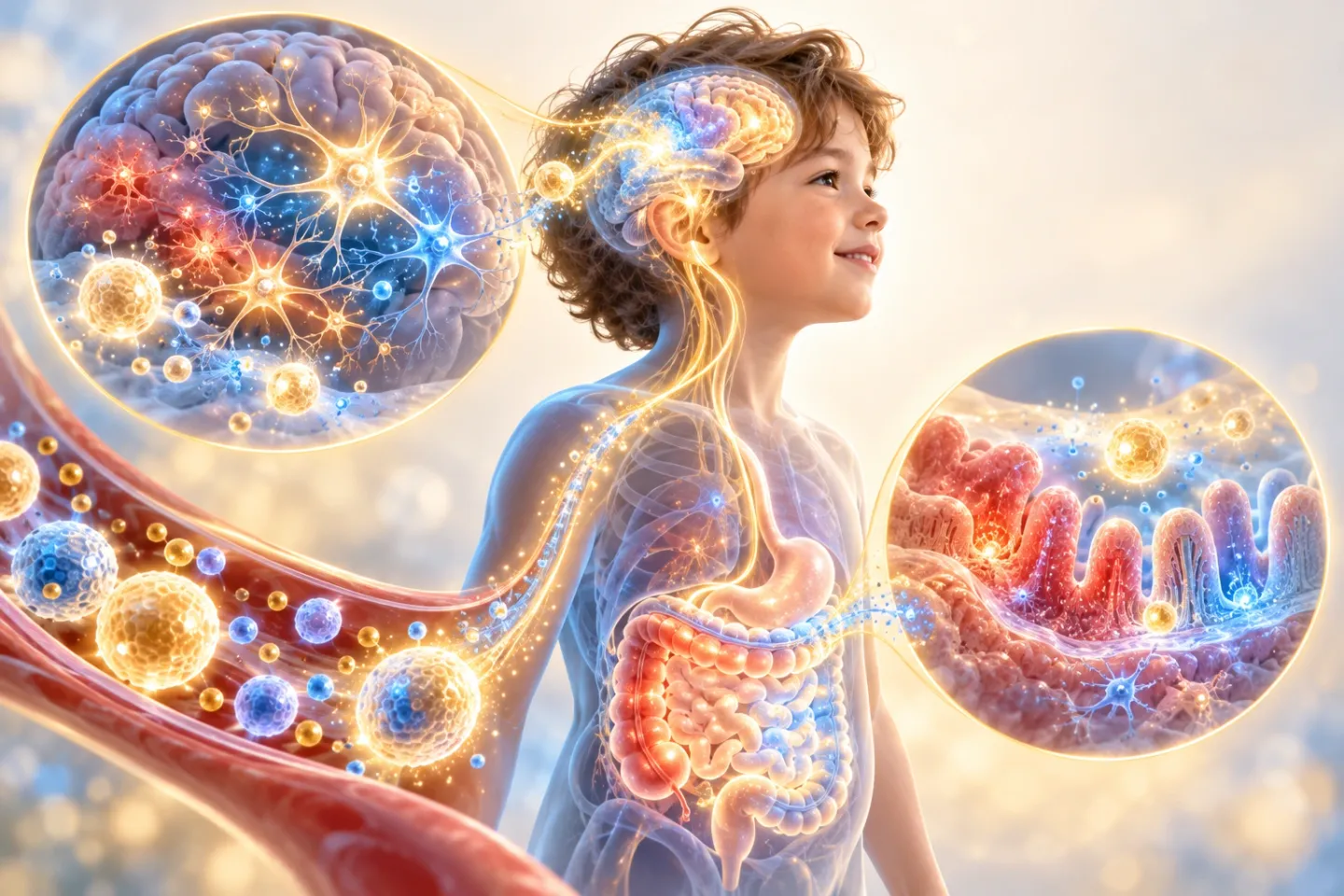
Neuroinflammation means that the brain’s own immune cells, the microglia, are more active than they need to be. Researchers see it as an important biological thread in autism, and it is a hopeful one: an over-active immune response is something treatment can aim to calm.
In brain tissue from autistic people, researchers found clearly activated microglia and astroglia, and the spinal fluid of living patients showed a distinct pattern of inflammatory signals.1 Brain scans of young adults with autism showed the same picture: greater microglial activity across several brain regions, most of all in the cerebellum.57
Stem cell therapy for neuroinflammation in autism builds on a simple strength: stem cell exosomes are drawn to inflammation. In research models, exosomes given through the nose gathered in the inflamed brain regions, and the stronger the inflammation, the more of them arrived.14 A meta-analysis of animal studies found that stem cell exosomes lowered the inflammatory signals IL-1, TNF-α and IL-6, raised the calming signal IL-10 and improved social behaviour,7 and in a mouse model they settled over-active microglia.8 That is why we give exosomes through the nose and stem cells into the spinal fluid, close to the brain.
Children in clinical studies have made encouraging progress. At Duke University, a study of umbilical cord tissue stem cells was built on their ability to calm neuroinflammation, and 6 of 12 children improved on at least two autism measures.21 In a randomised trial of the children’s own bone marrow cells given into the spinal fluid alongside education, 48% fewer children were at the most severe level of autism after 12 months, against 8% with education alone.17 Ask us how stem cell therapy could support your child.
Autism and immune dysregulation: how stem cells help rebalance the immune system
Immune dysregulation simply means that the immune system is out of balance, with more of the signals that drive inflammation and fewer of those that keep it in check. It is a well-documented finding in autism research, and it is exactly where stem cells are at their strongest.
A meta-analysis of 17 studies found higher blood levels of inflammatory messengers such as IL-1β, IL-6 and IFN-γ in people with autism, and lower levels of the calming signal TGF-β1.2 In children aged 2 to 5, higher levels went together with more difficulty in communication and behaviour, and the researchers concluded that the immune system should be considered when designing treatments.45 Another meta-analysis found fewer regulatory T cells, the immune system’s peacekeepers, alongside more inflammatory Th17 cells.58
Stem cell therapy for immune dysregulation in autism uses the natural talents of Wharton’s jelly stem cells. In laboratory tests, they calmed over-stimulated immune cells while leaving resting ones alone, and did not stir up an immune reaction themselves,4 which is why no donor matching is needed. The signals that mesenchymal stem cells release quieten the local immune response and support the body’s own repair cells.3
Cell therapy has now been tested in exactly these children. In a double-blind, placebo-controlled trial of 34 children aged 3 to 8 with autism and signs of immune imbalance, four IV infusions of donor cord blood cells, given alongside their usual rehabilitation, improved social responsiveness by about 6 points more than placebo on the SRS-2 scale, and social understanding by about 10 points more.6 We give our stem cells and exosomes by IV for the same reason: so their balancing signals reach the immune system throughout the body. Ask us about your child.
Autism and gut inflammation: the gut–brain axis and how stem cells can help
The gut and the brain talk to each other constantly, through nerves, immune cells and the signals made by gut bacteria: the gut–brain axis. In autistic children, especially those with tummy troubles, researchers find signs of inflammation along this axis, and caring for it is part of supporting your child as a whole.
Children with autism and tummy symptoms showed a distinct immune pattern: more of the inflammatory messengers that act on the gut lining, less of the calming signal TGF-β1, and more of a bacterial gene for zonulin, which regulates how permeable the gut is.12 In tissue studies, most gut samples from autistic people had fewer of the proteins that seal the gut lining, and the brain showed changes in its protective barrier alongside neuroinflammation.59 Diet may play a part, too: in one study, autistic patients on a gluten- and casein-free diet had a less permeable gut barrier than those on an unrestricted diet.60
Stem cell therapy for gut inflammation in autism builds on what stem cells do best: calming inflammation where they find it. In research models of colitis, umbilical cord stem cell exosomes travelled to the inflamed gut, lowered TNF-α, IL-1β and IL-6 and raised calming IL-10,61 and helped the gut lining heal.62 In a mouse model of autism, umbilical cord stem cells with their exosomes balanced the gut bacteria and calmed inflammation in the brain, working better together than either alone.63
In people, the strongest evidence comes from Crohn’s disease, a long-term gut inflammation. In a randomised trial of 82 patients, four IV infusions of umbilical cord stem cells lowered the Crohn’s activity score by 62.5 points over 12 months, against 23.6 in the comparison group,64 and a meta-analysis of 12 randomised trials found that stem cell therapy roughly doubled the odds of remission.65 That is one reason we give stem cells and exosomes by IV. Tell us about your child’s digestion and development.
Autism and digestive problems: how stem cells can support your child’s gut
Constipation, loose stools, tummy pain and bloating are everyday worries for many parents of autistic children. If your child has them, you are far from alone: a meta-analysis of 15 studies confirmed that children with autism have digestive symptoms more often than other children, including diarrhoea, constipation and tummy pain.66 Gut comfort matters, too. In one study, children with more tummy symptoms also had higher autism scores, so the gut and behaviour are closely linked.67
Digestive problems in autism are tied to the immune system and to gut bacteria. Children with autism and digestive symptoms showed an imbalance in their immune response, and their gut bacteria differed from those of other children with tummy troubles.12 That is why good gut care, from diet to your paediatrician’s treatment for constipation, is a valuable part of your child’s plan. Stem cell therapy works alongside it.
Stem cell therapy for digestive problems in autism aims at the inflammation and imbalance underneath. In a mouse model of autism, IV stem cells improved social behaviour and restored a healthier balance of gut bacteria,68 and in research models of gut inflammation, umbilical cord stem cells increased the friendly bacteria that make short-chain fatty acids and, through them, improved the balance of immune cells in the gut lining.69
In people with Crohn’s disease, IV stem cell infusions eased digestive symptoms and changed the make-up of the gut bacteria.70 In a controlled study in autism, children who received cord blood cells by IV and into the spinal fluid alongside rehabilitation improved more on autism and behaviour scales than children who had rehabilitation alone, and adding umbilical cord stem cells gave the largest effect.18 Tell us about your child’s digestion in your free medical review. Ask us about your child.
Autism and oxidative stress: how stem cells support the body’s antioxidant defences
Every cell makes small amounts of reactive oxygen as it turns food into energy, and the body clears it with antioxidants such as glutathione. Oxidative stress means that this balance has tipped, with more reactive oxygen than the defences can comfortably handle. It is one of the best-studied areas of autism biology, and one where treatment can aim to help.
A meta-analysis of 87 studies with more than 9,000 children found lower levels of glutathione and higher levels of oxidised glutathione and other oxidation markers in children with autism.71 The same pattern was found in brain tissue, where low glutathione went together with signs of inflammation and more free radicals from the mitochondria.72 Nutrition can make a difference: in one study, folinic acid, betaine and vitamin B12 brought these markers back towards normal.73
Stem cell therapy for oxidative stress in autism adds a powerful partner. In research models, stem cells have shown antioxidant effects, and the ways they work are thought to include mopping up free radicals, switching on the body’s own antioxidant defences, calming the immune cells that produce reactive oxygen and handing over healthy mitochondria to damaged cells.74 In a mouse model of autism, umbilical cord stem cells combined with their exosomes brought inflammatory signals and oxidative stress back towards normal and improved social behaviour.63
What matters most to parents is progress, and that has been measured in children. A meta-analysis of five controlled studies found that autism scores on the CARS scale improved by about 6 points more with stem cell therapy than with rehabilitation alone.19 Healthy food, good sleep and any supplements your doctor recommends continue alongside treatment. Ask us about your child.
Autism and mitochondrial function: how stem cells support your child’s cell energy
Mitochondria are the tiny power stations inside every cell, and a growing brain needs a great deal of energy.75 In many children with autism these power stations work a little differently, and researchers now suggest that supporting cell energy may help children reach their best outcomes.76
A meta-analysis found that markers of mitochondrial function, such as lactate, pyruvate and carnitine, differ in many children with autism, pointing to a spectrum of energy differences of varying degree.77 In a study in JAMA, immune cells from children aged 2 to 5 with autism showed lower activity of a key energy enzyme, complex I, and made more hydrogen peroxide, a form of reactive oxygen.75 A review of 204 studies links these energy differences with immune, gut and oxidative stress findings, and notes that the nutrients carnitine and ubiquinol appear beneficial.76
Stem cell therapy for mitochondrial dysfunction in autism draws on a remarkable ability: mesenchymal stem cells can pass healthy mitochondria to stressed neighbouring cells, helping them recover, as shown in research models of the brain, heart, lung and kidney.78 In laboratory studies, stem cells handed mitochondria to damaged brain support cells and restored their energy production, and stem cells that transferred more mitochondria improved recovery in an animal model of stroke.79 In a mouse model of autism, umbilical cord stem cells with their exosomes restored the fine structure of mitochondria and synapses in key brain regions,63 and in another, exosomes rebalanced the energy use of the brain’s immune cells.8
In a series of 1,011 people with autism treated with cell therapy in India, 90.6% showed improvement at an average follow-up of 19 months, and repeat brain PET scans in 401 of them showed improved metabolism, a sign of the brain’s energy use, in areas such as the hippocampus, amygdala and cerebellum, matching the symptoms that improved.26 Ask us how treatment could support your child.
07
Best age for stem cell therapy for autism
We treat children from the age of 2 and see the best results in children under 13, while the brain is still developing quickly. Published studies point the same way: in Romania, children aged 3 to 7 improved far more often than older children, and in a large Indian series results were better in younger patients.242726 Teenagers and adults are treated too; the largest study included patients up to the age of 31.26

- From age 2Treatment can startWhile the brain develops fastest
- 2 to 12Best resultsThe strongest effects we see
- 13 and olderAlso treatedTeenagers and adults, after assessment
08
Safety and comfort for your child
Your child’s comfort and safety guide every step. Our doctor assesses every child before a plan is made, the treatment day takes place in hospital, and the intrathecal step is done under light sedation, supervised by Dr. Cihan Bolat. Families stay at least 3 nights in Istanbul, so our team can see your child before and after treatment.
The published safety record is reassuring. A review of 39 studies of intrathecal stem cells in neurological conditions reported no serious side effects from the procedure,29 a review of 361 people treated with donor cord blood cells for neurological conditions, including autism, found no serious side effects linked to the infusion,30 and in the 2022 autism meta-analysis the rate of side effects did not differ significantly from the comparison groups.19 The effects children had most often were a low fever, a mild headache or some back discomfort after the intrathecal step, which settled on their own.1817
09
Stem cell therapy for autism cost in Istanbul
A complete treatment costs EUR 8,000–15,000. The price depends on your child’s weight, which sets the number of stem cells, and on the amount of exosomes in the plan; the number of hotel nights depends on the package. Your plan states the total in writing before you travel.
EUR 8,000–15,000 per complete treatment, hotel and ground transport included
Included
- Free case review and consultation
- Fresh Wharton’s jelly stem cells and exosomes
- The treatment day in hospital, with light sedation
- All four routes: intrathecal, IV and nasal
- Hotel stay (nights depend on the package)
- Airport and daily transfers
- Follow-up reviews
Not included / optional
- Flights
- Extra exosome nasal sprays: USD 1,000 each, with 5 billion Wharton’s jelly exosomes per spray
Read about personalised autism treatment planning in Turkey.
10
Our guarantees to your family
- A fixed price in writingYour all-inclusive price is confirmed in writing before you travel. No surprises.
- A guaranteed cell countThe number of fresh stem cells in your child’s plan is guaranteed, and the count and viability are checked and certified by our GMP laboratory before treatment.
- Follow-up includedProgress reviews at about 1, 3, 6 and 12 months are part of every treatment.
- A free consultation with Dr. Cihan BolatBefore you commit, our medical director reviews your child’s case free of charge.
11
Your child’s treatment in Istanbul, step by step

Free case review
Send us your child’s reports and tell us about their development, therapies and your goals. Dr. Cihan Bolat reviews the case with you.
Written plan and fixed price
You receive a written plan with the dose for your child’s weight, the dates and the total price. Cells are prepared fresh for your date.
Arrival in Istanbul
We pick you up at the airport and take you to your hotel; all ground transport is arranged.
Treatment day in hospital
Your child is assessed and treated in one day: intrathecal and IV stem cells, IV exosomes and nasal exosomes.
Home and follow-up
Your child continues their usual therapies, and we review progress with you at about 1, 3, 6 and 12 months.
Read more about the treatment process step by step.
12
Why families choose Istanbul Stemcell for stem cell therapy for autism in Turkey
Led by Dr. Cihan Bolat
Our medical director is a specialist in anaesthesiology and reanimation and in regenerative medicine, and supervises every treatment day.
Fresh cells, licensed laboratory
Fresh Wharton’s jelly stem cells and exosomes from a Ministry of Health-approved, GMP-certified laboratory, never frozen.
One day, everything arranged
All four routes in one hospital day, with your hotel, airport and daily transfers included.
A partner clinic dedicated to autism
Autism Stem Care, our partner clinic in Istanbul, is dedicated exclusively to autism, works with the same medical director and offers the same prices.
13
Families’ stories
Parents who chose stem cell therapy for autism with us share their experience.
“Our son, who had never spoken a word, began to speak just 3 months after the treatment! … The whole process, from the initial consultation to the post-treatment follow-up, was seamless. The specialists took the time to understand our son’s unique needs and tailor the treatment accordingly.”
“We are so thankful for the amazing progress our 4-year-old son has made … Our son is much more engaged with his peers, and he’s started to enjoy playing with other children in a way we’ve never seen before. His anger has significantly decreased, and he’s now able to express his emotions more calmly.”
Every child’s progress is different; we agree goals with you before treatment.
14
Frequently asked questions
What is stem cell therapy for autism?
It is a treatment with fresh Wharton’s jelly mesenchymal stem cells and the exosomes they release. The cells send signals that calm inflammation, help balance the immune system and support brain cells. It is given alongside your child’s speech, behavioural and occupational therapy, and in clinical studies children improved in communication, social responsiveness and daily-living skills.
Does stem cell therapy work for autism?
Published studies report that many children made more progress in communication, social responsiveness and daily-living skills when stem cell therapy was added to their usual therapies. In a 2025 randomised trial, the CARS autism score fell by 5.9 points with cell therapy and education, against 1.5 with education alone, and a 2022 meta-analysis of five controlled studies found an improvement of about 6 points more with stem cells.
What is the success rate of stem cell therapy for autism?
There is no single success rate, because studies use different cells, routes and rating scales, and every child develops in their own way. Studies report how much children’s scores changed, and many children improved on more than one measure. Dr. Cihan Bolat reviews your child’s reports free of charge and agrees clear goals with you before treatment.
Where can I get stem cell therapy for autism?
With us in Istanbul, Turkey, in one hospital day, after a free online case review. In the United States and most of Europe, stem cell therapy for autism is offered mainly within research studies, which is why many families travel to experienced clinics abroad.
Is stem cell therapy for autism available in Turkey?
Yes. We treat children in Istanbul with fresh Wharton’s jelly stem cells and exosomes prepared in a laboratory approved by the Turkish Ministry of Health and certified to GMP standards, and the treatment is given in hospital under the supervision of Dr. Cihan Bolat.
What type of stem cells are used for autism?
We use fresh mesenchymal stem cells from Wharton’s jelly, the soft tissue of umbilical cords donated after healthy births, together with their exosomes. Nothing is taken from your child, no donor matching is needed, and the cells are never frozen, which keeps their immune-calming properties strong.
How many stem cells does a child with autism receive?
1 to 2 million stem cells per kilogram of body weight, for example 20 to 40 million cells for a child of 20 kg. Published studies used the same range, and the exact dose is stated in your child’s written plan.
Who is a good candidate for stem cell therapy for autism?
Children from the age of 2 with a diagnosis of autism, with the best results under 13; teenagers and adults are assessed personally. Our doctor reviews your child’s age, weight, medical history, therapies and recent reports before a plan is made.
What results can we expect from stem cell therapy for autism?
Studies reported improvements in social responsiveness, communication, daily-living skills, behaviour and autism scale scores. In a randomised trial, 48% fewer children were at the most severe level of autism after 12 months with cell therapy, against 8% without. Every child progresses in their own way, and we agree goals with you first.
Can stem cell therapy improve speech in children with autism?
Language gains were reported in several studies, including a published case from Istanbul with Wharton’s jelly stem cells, where a 4-year-old made clear gains in language, and studies from Duke University, Romania and Vietnam that reported better vocabulary and speech scores.
Is stem cell therapy painful for my child?
Your child receives light sedation for the intrathecal step, supervised by Dr. Cihan Bolat, a specialist in anaesthesiology. The IV is a simple drip and the nasal exosome spray is painless. Your child is cared for in hospital throughout the treatment day.
What is included in the price of stem cell therapy for autism?
The price of EUR 8,000–15,000 includes the free case review and consultation, the fresh stem cells and exosomes, the treatment day in hospital with light sedation, your hotel stay, airport and daily transfers, and follow-up reviews. Flights are not included, and extra exosome nasal sprays cost USD 1,000 each.
Does insurance cover stem cell therapy for autism?
Usually not; most families pay for treatment themselves. Your plan states the total price in writing before you travel, so you know exactly what to budget for.
How soon can my child be treated?
After your free case review you receive a written plan and a fixed price, and we prepare fresh cells for the date you choose. Ask us about current availability when you send your child’s reports.
What happens after we go home?
Your child continues their usual therapies, and we review progress with you at about 1, 3, 6 and 12 months. Many families find it helpful to fill in the free ATEC checklist before treatment and at each review.
Can we combine treatment with a stay in Istanbul?
Yes. Families stay at least 3 nights, with the hotel, airport and daily transfers included, and there is time between treatment and check-up for a calm walk along the Bosphorus.
Is Autism Stem Care part of Istanbul Stemcell?
Autism Stem Care is our partner clinic in Istanbul, dedicated exclusively to autism. It works with the same medical director, Dr. Cihan Bolat, and offers the same prices, so families can contact either clinic.
Medical review
Uzm. Dr. Cihan Bolat
Medical Director, Istanbul Stemcell
This page was written from the published studies listed below and reviewed for medical accuracy on .
15
References
- Vargas DL, et al. Neuroglial activation and neuroinflammation in the brain of patients with autism. Ann Neurol. 2005;57(1):67-81. PMID 15546155
- Masi A, et al. Cytokine aberrations in autism spectrum disorder: a systematic review and meta-analysis. Mol Psychiatry. 2015;20(4):440-6. PMID 24934179
- Caplan AI, Dennis JE. Mesenchymal stem cells as trophic mediators. J Cell Biochem. 2006;98(5):1076-84. PMID 16619257
- Weiss ML, et al. Immune properties of human umbilical cord Wharton's jelly-derived cells. Stem Cells. 2008;26(11):2865-74. PMID 18703664
- Moll G, et al. Do cryopreserved mesenchymal stromal cells display impaired immunomodulatory and therapeutic properties? Stem Cells. 2014;32(9):2430-42. PMID 24805247
- Zhang Z, et al. Efficacy and safety of allogeneic umbilical cord blood mononuclear cells therapy in children with autism spectrum disorder and immune dysregulation: a single-center, double-blinded, randomized, placebo-controlled trial. Stem Cell Res Ther. 2026;17(1). PMID 42321872
- Mohtashami T, et al. Therapeutic potential of mesenchymal stem cell-derived extracellular vesicles as a cell-free approach in autism spectrum disorder: A systematic review and meta-analysis of preclinical studies. Behav Brain Res. 2027;516:116478. PMID 42759891
- Qin Q, et al. Mesenchymal stem cell-derived extracellular vesicles alleviate autism by regulating microglial glucose metabolism reprogramming and neuroinflammation through PD-1/PD-L1 interaction. J Nanobiotechnology. 2025;23(1):201. PMID 40069859
- Segal-Gavish H, et al. Mesenchymal Stem Cell Transplantation Promotes Neurogenesis and Ameliorates Autism Related Behaviors in BTBR Mice. Autism Res. 2016;9(1):17-32. PMID 26257137
- Tian J, et al. Human Umbilical Cord Blood Mesenchymal Stem Cells Ameliorate Autism-Like Behaviors in a Valproic Acid-Induced Mouse Model via the IGF-1/Akt Signaling Pathway. Brain Behav. 2026;16(4):e71335. PMID 41917778
- Carpenter KLH, et al. White Matter Tract Changes Associated with Clinical Improvement in an Open-Label Trial Assessing Autologous Umbilical Cord Blood for Treatment of Young Children with Autism. Stem Cells Transl Med. 2019;8(2):138-147. PMID 30620122
- Rose DR, et al. Differential immune responses and microbiota profiles in children with autism spectrum disorders and co-morbid gastrointestinal symptoms. Brain Behav Immun. 2018;70:354-368. PMID 29571898
- Danielyan L, et al. Intranasal delivery of cells to the brain. Eur J Cell Biol. 2009;88(6):315-24. PMID 19324456
- Perets N, et al. Golden Exosomes Selectively Target Brain Pathologies in Neurodegenerative and Neurodevelopmental Disorders. Nano Lett. 2019;19(6):3422-3431. PMID 30761901
- Perets N, et al. Intranasal administration of exosomes derived from mesenchymal stem cells ameliorates autistic-like behaviors of BTBR mice. Mol Autism. 2018;9:57. PMID 30479733
- Perets N, et al. Exosomes derived from mesenchymal stem cells improved core symptoms of genetically modified mouse model of autism Shank3B. Mol Autism. 2020;11(1):65. PMID 32807217
- Nguyen LT, et al. Outcomes of autologous bone marrow mononuclear cell administration combined with educational intervention in the treatment of autism spectrum disorder: a randomized, open-label, controlled phase II clinical trial. Stem Cell Res Ther. 2025;16(1):268. PMID 40442857
- Lv YT, et al. Transplantation of human cord blood mononuclear cells and umbilical cord-derived mesenchymal stem cells in autism. J Transl Med. 2013;11:196. PMID 23978163
- Qu J, et al. Efficacy and Safety of Stem Cell Therapy in Children With Autism Spectrum Disorders: A Systematic Review and Meta-Analysis. Front Pediatr. 2022;10:897398. PMID 35601435
- Kabatas S, et al. Advances in the treatment of autism spectrum disorder: Wharton jelly mesenchymal stem cell transplantation. World J Methodol. 2025;15(1):95857. PMID 40115399
- Sun JM, et al. Infusion of human umbilical cord tissue mesenchymal stromal cells in children with autism spectrum disorder. Stem Cells Transl Med. 2020;9(10):1137-1146. PMID 32531111
- Dawson G, et al. Autologous Cord Blood Infusions Are Safe and Feasible in Young Children with Autism Spectrum Disorder: Results of a Single-Center Phase I Open-Label Trial. Stem Cells Transl Med. 2017;6(5):1332-1339. PMID 28378499
- Smirnov VN, et al. [Allogeneic umbilical cord blood cell therapy for children with autism: safety and efficacy of the method]. Zh Nevrol Psikhiatr Im S S Korsakova. 2021;121(11. Vyp. 2):31-37. PMID 35038844
- Stancioiu FA, et al. Autologous cord blood vs individualized supplements in autistic spectrum disorder: CORDUS study results. World J Clin Pediatr. 2025;14(1):96643. PMID 40059901
- Nguyen Thanh L, et al. Outcomes of bone marrow mononuclear cell transplantation combined with interventional education for autism spectrum disorder. Stem Cells Transl Med. 2021;10(1):14-26. PMID 32902182
- Sharma A, et al. Autologous bone marrow mononuclear cell administration in a large cohort of 1,011 patients with autism spectrum disorder: a retrospective observational study. Clin Transplant Res. 2026;40(1):116-128. PMID 41407289
- Sharma AK, et al. Cell transplantation as a novel therapeutic strategy for autism spectrum disorders: a clinical study. Am J Stem Cells. 2020;9(5):89-100. PMID 33489466
- Gesundheit B, et al. Mesenchymal Stromal Cell Treatment Alleviates Autism Spectrum Disorder Symptoms: A Case Report. Cureus. 2025;17(5):e83440. PMID 40462775
- Barmada A, et al. Serious Adverse Events Have Not Been Reported with Spinal Intrathecal Injection of Mesenchymal Stem Cells: A Systematic Review. Curr Stem Cell Res Ther. 2023;18(6):829-833. PMID 35980065
- Paton MCB, et al. Safety of allogeneic umbilical cord blood infusions for the treatment of neurological conditions: a systematic review of clinical studies. Cytotherapy. 2022;24(1):2-9. PMID 34384698
- Christodoulou I, et al. Comparative Evaluation of Human Mesenchymal Stem Cells of Fetal (Wharton's Jelly) and Adult (Adipose Tissue) Origin during Prolonged In Vitro Expansion: Considerations for Cytotherapy. Stem Cells Int. 2013;2013:246134. PMID 23533440
- Dawson G, et al. Randomized, controlled trial of an intervention for toddlers with autism: the Early Start Denver Model. Pediatrics. 2010;125(1):e17-23. PMID 19948568
- Huttenlocher PR, Dabholkar AS. Regional differences in synaptogenesis in human cerebral cortex. J Comp Neurol. 1997;387(2):167-78. PMID 9336221
- Dawson G. Early behavioral intervention, brain plasticity, and the prevention of autism spectrum disorder. Dev Psychopathol. 2008;20(3):775-803. PMID 18606031
- Wodka EL, Mathy P, Kalb L. Predictors of phrase and fluent speech in children with autism and severe language delay. Pediatrics. 2013;131(4):e1128-34. PMID 23460690
- Kalluri R, LeBleu VS. The biology, function, and biomedical applications of exosomes. Science. 2020;367(6478). PMID 32029601
- Joerger-Messerli MS, et al. Human Wharton's Jelly Mesenchymal Stromal Cell-Derived Small Extracellular Vesicles Drive Oligodendroglial Maturation by Restraining MAPK/ERK and Notch Signaling Pathways. Front Cell Dev Biol. 2021;9:622539. PMID 33869172
- Dawson G, et al. Early behavioral intervention is associated with normalized brain activity in young children with autism. J Am Acad Child Adolesc Psychiatry. 2012;51(11):1150-9. PMID 23101741
- Ullah M, Liu DD, Thakor AS. Mesenchymal Stromal Cell Homing: Mechanisms and Strategies for Improvement. iScience. 2019;15:421-438. PMID 31121468
- Fournier KA, et al. Motor coordination in autism spectrum disorders: a synthesis and meta-analysis. J Autism Dev Disord. 2010;40(10):1227-40. PMID 20195737
- Licari MK, et al. Prevalence of Motor Difficulties in Autism Spectrum Disorder: Analysis of a Population-Based Cohort. Autism Res. 2020;13(2):298-306. PMID 31625694
- Bedford R, Pickles A, Lord C. Early gross motor skills predict the subsequent development of language in children with autism spectrum disorder. Autism Res. 2016;9(9):993-1001. PMID 26692550
- Tscherrig V, et al. All but Small: miRNAs from Wharton's Jelly-Mesenchymal Stromal Cell Small Extracellular Vesicles Rescue Premature White Matter Injury after Intranasal Administration. Cells. 2024;13(6). PMID 38534387
- Mazefsky CA, et al. The role of emotion regulation in autism spectrum disorder. J Am Acad Child Adolesc Psychiatry. 2013;52(7):679-88. PMID 23800481
- Ashwood P, et al. Elevated plasma cytokines in autism spectrum disorders provide evidence of immune dysfunction and are associated with impaired behavioral outcome. Brain Behav Immun. 2011;25(1):40-5. PMID 20705131
- Chang YS, et al. Autism and sensory processing disorders: shared white matter disruption in sensory pathways but divergent connectivity in social-emotional pathways. PLoS One. 2014;9(7):e103038. PMID 25075609
- Ben-Sasson A, et al. A meta-analysis of sensory modulation symptoms in individuals with autism spectrum disorders. J Autism Dev Disord. 2009;39(1):1-11. PMID 18512135
- Green SA, et al. Salience Network Connectivity in Autism Is Related to Brain and Behavioral Markers of Sensory Overresponsivity. J Am Acad Child Adolesc Psychiatry. 2016;55(7):618-626.e1. PMID 27343889
- Kobinia GS, et al. Case Report: Autologous Bone Marrow Derived Intrathecal Stem Cell Transplant for Autistic Children - A Report of Four Cases and Literature Review. Front Pediatr. 2021;9:620188. PMID 34692600
- Lai MC, et al. Prevalence of co-occurring mental health diagnoses in the autism population: a systematic review and meta-analysis. Lancet Psychiatry. 2019;6(10):819-829. PMID 31447415
- Sharma A, et al. Autologous bone marrow mononuclear cell therapy for autism: an open label proof of concept study. Stem Cells Int. 2013;2013:623875. PMID 24062774
- Souders MC, et al. Sleep in Children with Autism Spectrum Disorder. Curr Psychiatry Rep. 2017;19(6):34. PMID 28502070
- Mazurek MO, Sohl K. Sleep and Behavioral Problems in Children with Autism Spectrum Disorder. J Autism Dev Disord. 2016;46(6):1906-1915. PMID 26823076
- Melke J, et al. Abnormal melatonin synthesis in autism spectrum disorders. Mol Psychiatry. 2008;13(1):90-8. PMID 17505466
- Rossignol DA, Frye RE. Melatonin in autism spectrum disorders: a systematic review and meta-analysis. Dev Med Child Neurol. 2011;53(9):783-792. PMID 21518346
- da Silveira Cruz-Machado S, et al. Disrupted nocturnal melatonin in autism: Association with tumor necrosis factor and sleep disturbances. J Pineal Res. 2021;70(3):e12715. PMID 33421193
- Suzuki K, et al. Microglial activation in young adults with autism spectrum disorder. JAMA Psychiatry. 2013;70(1):49-58. PMID 23404112
- Ellul P, et al. Regulatory T lymphocytes/Th17 lymphocytes imbalance in autism spectrum disorders: evidence from a meta-analysis. Mol Autism. 2021;12(1):68. PMID 34641964
- Fiorentino M, et al. Blood-brain barrier and intestinal epithelial barrier alterations in autism spectrum disorders. Mol Autism. 2016;7:49. PMID 27957319
- de Magistris L, et al. Alterations of the intestinal barrier in patients with autism spectrum disorders and in their first-degree relatives. J Pediatr Gastroenterol Nutr. 2010;51(4):418-24. PMID 20683204
- Mao F, et al. Exosomes Derived from Human Umbilical Cord Mesenchymal Stem Cells Relieve Inflammatory Bowel Disease in Mice. Biomed Res Int. 2017;2017:5356760. PMID 28589143
- Liang X, et al. HucMSC-Exo Promote Mucosal Healing in Experimental Colitis by Accelerating Intestinal Stem Cells and Epithelium Regeneration via Wnt Signaling Pathway. Int J Nanomedicine. 2023;18:2799-2818. PMID 37256205
- Wu C, et al. Dual-target hUCMSCs/EVs therapy for autism spectrum disorder: remodeling gut microbiota and modulating neuroimmune crosstalk in a valproic acid-induced C57BL/6 mice model. Stem Cell Res Ther. 2025;17(1):32. PMID 41387911
- Zhang J, et al. Umbilical Cord Mesenchymal Stem Cell Treatment for Crohn's Disease: A Randomized Controlled Clinical Trial. Gut Liver. 2018;12(1):73-78. PMID 28873511
- Qiu Y, Li C, Sheng S. Efficacy and safety of stem cell therapy for Crohn's disease: a meta-analysis of randomized controlled trials. Stem Cell Res Ther. 2024;15(1):28. PMID 38303054
- McElhanon BO, et al. Gastrointestinal symptoms in autism spectrum disorder: a meta-analysis. Pediatrics. 2014;133(5):872-83. PMID 24777214
- Adams JB, et al. Gastrointestinal flora and gastrointestinal status in children with autism--comparisons to typical children and correlation with autism severity. BMC Gastroenterol. 2011;11:22. PMID 21410934
- Jingyi L, et al. Intravenous transplantation of bone marrow-derived mesenchymal stem cells improved behavioral deficits and altered fecal microbiota composition of BTBR mice. Life Sci. 2024;336:122330. PMID 38065352
- Liu A, et al. Human umbilical cord mesenchymal stem cells ameliorate colon inflammation via modulation of gut microbiota-SCFAs-immune axis. Stem Cell Res Ther. 2023;14(1):271. PMID 37749611
- Yang F, et al. Short-Term Clinical Response and Changes in the Fecal Microbiota and Metabolite Levels in Patients with Crohn's Disease After Stem Cell Infusions. Stem Cells Transl Med. 2023;12(8):497-509. PMID 37399531
- Chen L, et al. Oxidative stress marker aberrations in children with autism spectrum disorder: a systematic review and meta-analysis of 87 studies (N = 9109). Transl Psychiatry. 2021;11(1):15. PMID 33414386
- Rose S, et al. Evidence of oxidative damage and inflammation associated with low glutathione redox status in the autism brain. Transl Psychiatry. 2012;2(7):e134. PMID 22781167
- James SJ, et al. Metabolic biomarkers of increased oxidative stress and impaired methylation capacity in children with autism. Am J Clin Nutr. 2004;80(6):1611-7. PMID 15585776
- Stavely R, Nurgali K. The emerging antioxidant paradigm of mesenchymal stem cell therapy. Stem Cells Transl Med. 2020;9(9):985-1006. PMID 32497410
- Giulivi C, et al. Mitochondrial dysfunction in autism. JAMA. 2010;304(21):2389-96. PMID 21119085
- Frye RE, et al. Biomarkers of mitochondrial dysfunction in autism spectrum disorder: A systematic review and meta-analysis. Neurobiol Dis. 2024;197:106520. PMID 38703861
- Rossignol DA, Frye RE. Mitochondrial dysfunction in autism spectrum disorders: a systematic review and meta-analysis. Mol Psychiatry. 2012;17(3):290-314. PMID 21263444
- Paliwal S, et al. Regenerative abilities of mesenchymal stem cells through mitochondrial transfer. J Biomed Sci. 2018;25(1):31. PMID 29602309
- Babenko VA, et al. Miro1 Enhances Mitochondria Transfer from Multipotent Mesenchymal Stem Cells (MMSC) to Neural Cells and Improves the Efficacy of Cell Recovery. Molecules. 2018;23(3). PMID 29562677
Autism and social communication: how stem cells support eye contact, play and connection
Social communication is the everyday language of connection: looking at you, turning when you call their name, pointing to share something exciting, playing alongside other children. For many children with autism these skills take longer to grow, and they are often the goals families treasure most. The social brain responds to support: in a randomised trial, toddlers in an intensive early therapy programme developed brain responses to faces like those of typically developing children, together with better social behaviour.38
Researchers have also found signs of immune imbalance in autism: on average, people with autism have higher levels of several inflammatory messengers in their blood.2 Stem cell therapy for social communication in autism aims to calm this. After an infusion, stem cells home to injured and inflamed tissue,39 Wharton’s jelly stem cells calm over-active immune cells in laboratory tests,4 and in research models of autism, stem cell exosomes improved sociability and lowered inflammatory signals such as IL-6 and TNF-α.7 In studies, children connected more:
Those first shared smiles and games mean the world. Ask us about your child.