01
What is stem cell quality? What makes a high-quality stem cell product
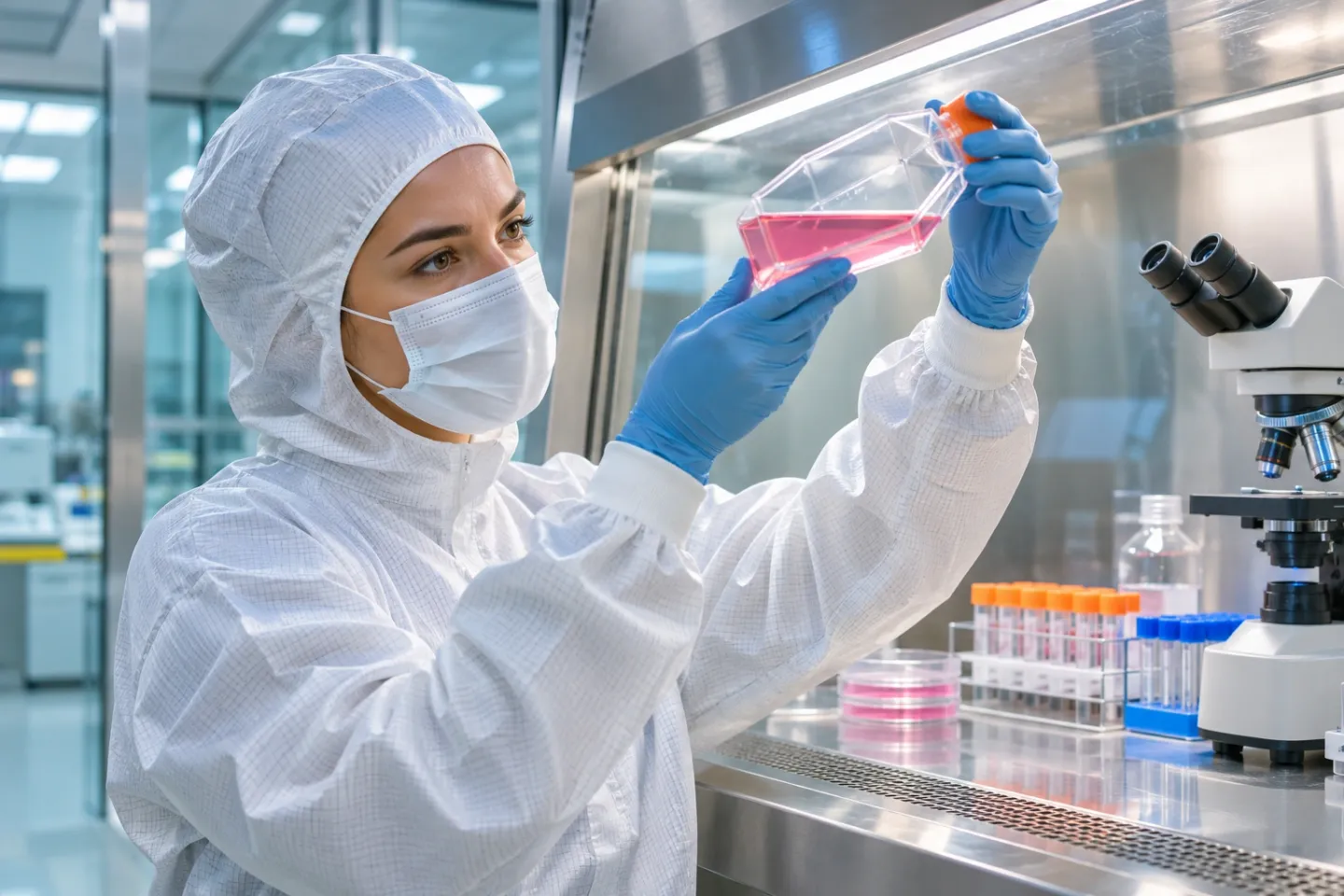
In short: a high-quality stem cell product is the right kind of cell, from a young and healthy source, prepared under Good Manufacturing Practice (GMP), counted accurately, alive and active on your treatment day, and free of contamination. It is then given at the right dose, by the right route, by a doctor who has studied your case.
Stem cell therapy is not a tablet with identical contents every time. It is a living product, and its quality is built step by step, from the tissue the cells come from to the moment they reach you. Mesenchymal stem cells (MSCs) do much of their work through the signals they release, which calm inflammation, support new blood vessels and wake up the body’s own repair cells.11 For those signals to flow, the cells must be alive, active and present in the right number.
That is why quality is worth understanding before you choose a treatment. It explains why two offers that both say “stem cells” can be quite different, and it gives you simple, practical questions to ask. Our stem cell therapy page covers every condition we treat and all 18 routes; this guide focuses on quality itself.
The six building blocks of stem cell quality
- The source: which tissue the cells come from, and how young it is.
- The lab report: what the batch certificate records.
- The cell count: how many cells you receive, stated in writing.
- Viability: what share of the cells are alive.
- The laboratory and sterility: GMP preparation and tests for contamination.
- Freshness: whether cells are prepared for your date or frozen and thawed.
From a donated cord to your treatment day
- A young sourceWharton’s jelly from umbilical cords donated after healthy births, so nothing is taken from your body.
- Fresh GMP preparationCells are prepared for your treatment date in a GMP-certified laboratory approved by the Turkish Ministry of Health.
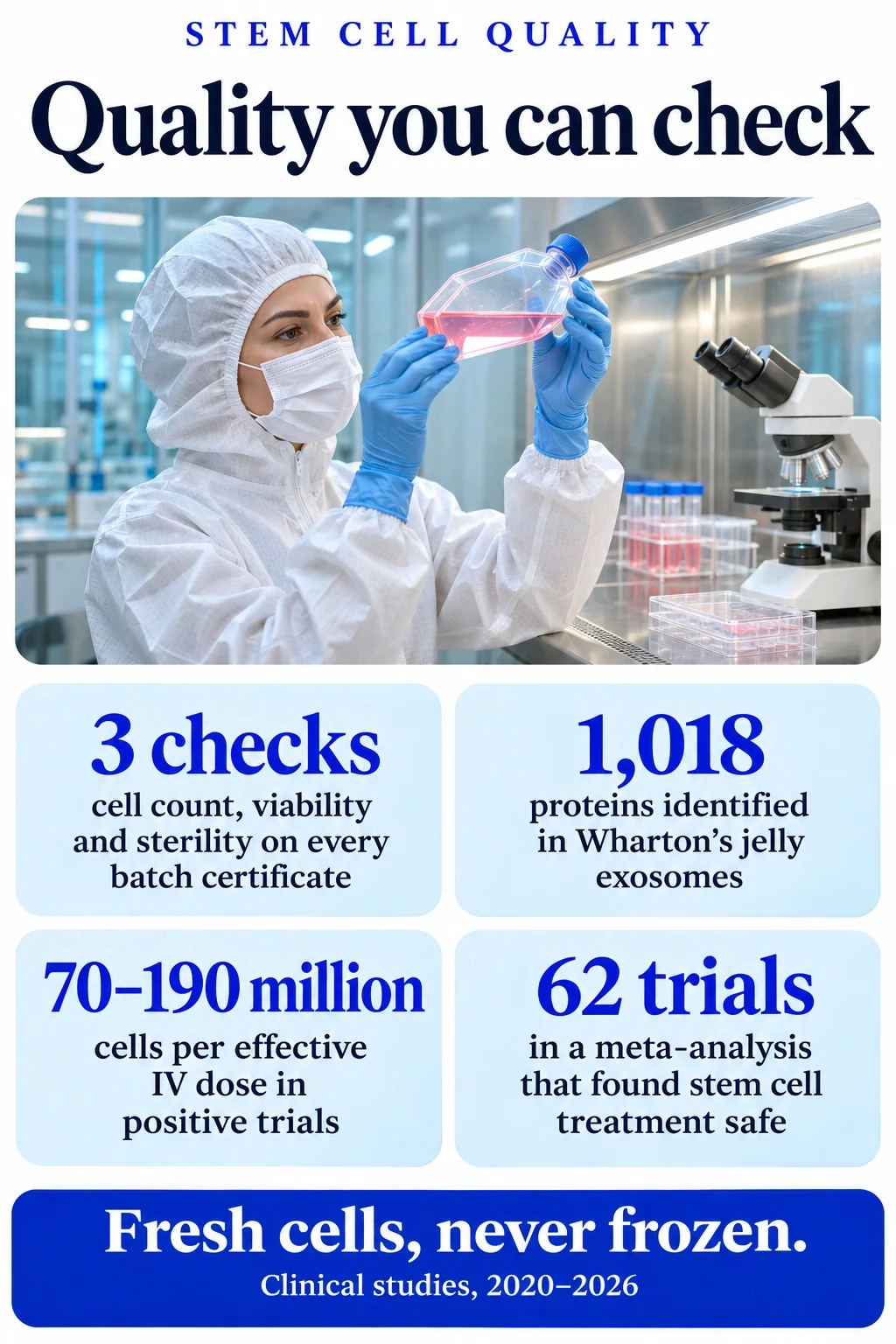
- The batch certificateEvery batch certificate shows the cell count, the viability and the sterility tests.
- Your treatmentDr. Cihan Bolat’s team gives your cells by the routes in your written plan.
02
Why Wharton’s jelly stem cells and exosomes: quality that starts at the source
Wharton’s jelly is the soft, protective jelly that cushions the blood vessels of the umbilical cord. It is rich in young mesenchymal stem cells, and it is the source of our main stem cells and exosomes. The cords are donated after healthy births, so nothing is taken from your own body: there is no bone marrow or fat harvest, and no wait for your own cells to grow.
Young cells, whatever your age
The age of the source matters. In laboratory studies, the number of MSCs in bone marrow and their overall fitness declined from childhood to adulthood, with more signs of cell ageing and oxidative damage,12 and fat-derived MSCs from donors over 60 showed features of ageing, with lower viability and slower growth than cells from donors under 30.13 Cells from a newborn’s cord start young, so their quality does not depend on your own age or health.
Wharton’s jelly cells also stand out side by side. In a laboratory comparison of 18 Wharton’s jelly samples with 18 bone marrow samples, Wharton’s jelly MSCs had a higher capacity to multiply, with similar survival and ageing characteristics.4 Umbilical cord MSCs released more of the factors that protect nerve cells and support new blood vessels than bone marrow cells,14 and the mix of proteins released by Wharton’s jelly cells was more diverse than that of fat or bone marrow cells.15 Wharton’s jelly cells were also poor stimulators of donor immune reactions in laboratory tests, so they are given without donor matching.16
Wharton’s jelly stem cells in people
- Heart. In a double-blind randomised trial in 116 people after a heart attack, Wharton’s jelly MSCs given into the heart artery raised the heart’s pumping strength (LVEF) by 7.8 points at 18 months, against 2.8 with placebo, and side effects and laboratory tests, including immune and blood counts, did not differ from placebo.3
- Type 1 diabetes. In a randomised trial in 29 people with newly diagnosed type 1 diabetes, those given Wharton’s jelly MSCs alongside intensive insulin therapy had significantly better HbA1c and C-peptide, a marker of the body’s own insulin production, than before treatment and than the comparison group, over 24 months of follow-up.17
- Type 2 diabetes. In 22 people with type 2 diabetes, Wharton’s jelly MSCs lowered blood glucose and HbA1c, improved C-peptide and beta-cell function and reduced markers of inflammation.18 Read more on our diabetes page.
- Knees. Umbilical cord MSCs grown in a GMP-type laboratory and given as two knee injections left pain at 2.4 on a 100-point scale after a year, against 22.1 with hyaluronic acid.19
Wharton’s jelly exosomes: the same young source, cell-free
Wharton’s jelly MSCs release exosomes, tiny vesicles that carry their repair messages. In a randomised trial in 110 people with persistent diabetic foot ulcers, weekly Wharton’s jelly exosomes alongside standard care brought full healing in 6 weeks on average, against 20 weeks with standard care alone.5 In 125 people with degenerative disc disease treated with Wharton’s jelly stem cells, adding Wharton’s jelly exosomes made a clinically meaningful gain in back function twice as likely at six months.20 You will find more about exosome quality further down this page.
Our second cell type, umbilical cord MSCs from the cord tissue itself, shares the same young origin. In the randomised RIMECARD heart failure trial, one IV infusion of umbilical cord MSCs at 1 million cells per kilogram improved the heart’s pumping strength by 7.07 points over 12 months, against 1.85 with placebo, and none of the patients tested developed antibodies against the donor cells.21
Wharton’s jelly stem cells and exosomes in numbers
- +7.8 vs +2.8points of heart pumping strength (LVEF) at 18 months with Wharton’s jelly stem cells, against placebo3
- 6 vs 20 weeksaverage healing time for diabetic foot ulcers with Wharton’s jelly exosomes, against standard care5
- 2.0×the likelihood of a meaningful gain in back function at six months when Wharton’s jelly exosomes were added to the stem cells20
- 1,018different proteins identified in Wharton’s jelly exosomes in one detailed analysis20
Fresh for your date
Your Wharton’s jelly stem cells are prepared fresh for your treatment date in a GMP-certified laboratory approved by the Turkish Ministry of Health, and they are never frozen.
A certified batch
Every batch certificate shows the cell count, the viability and the sterility tests, and you receive the certificate the laboratory provides for your batch. Your exact cell count is also stated in writing in your plan.
No harvest, no matching
Donated cord cells mean nothing is taken from your body, and Wharton’s jelly cells lack the surface signals that switch on rejection, so no tissue matching is needed.16
Umbilical cord stem cells second
Umbilical cord MSCs, from the cord tissue itself, can be added where your doctor feels they will help, as the second cell type in your plan.
CD34+ exosomes alongside
CD34+ exosomes, linked with the growth of new small blood vessels, can be added to your Wharton’s jelly exosomes where they suit your goal.
A plan around the cells
Dr. Cihan Bolat chooses the cells, the count, the exosomes and the routes for your goal in a free medical review.
See every condition and route on our stem cell therapy page, and read more about Wharton’s jelly exosomes on our exosome therapy page.
03
What does a stem cell lab report show? Your batch certificate explained
A stem cell lab report, often called a batch certificate or certificate of analysis, is the laboratory’s written record of a batch of cells. It turns quality from a promise into results you can read. Every batch certificate from the GMP laboratory that prepares our cells shows three results: the cell count, the viability and the sterility tests.
Each one answers a simple question. How many cells are there? How many of them are alive? Is the batch free of contamination? Here is what each result means for you.
The quality checks behind every batch of stem cells
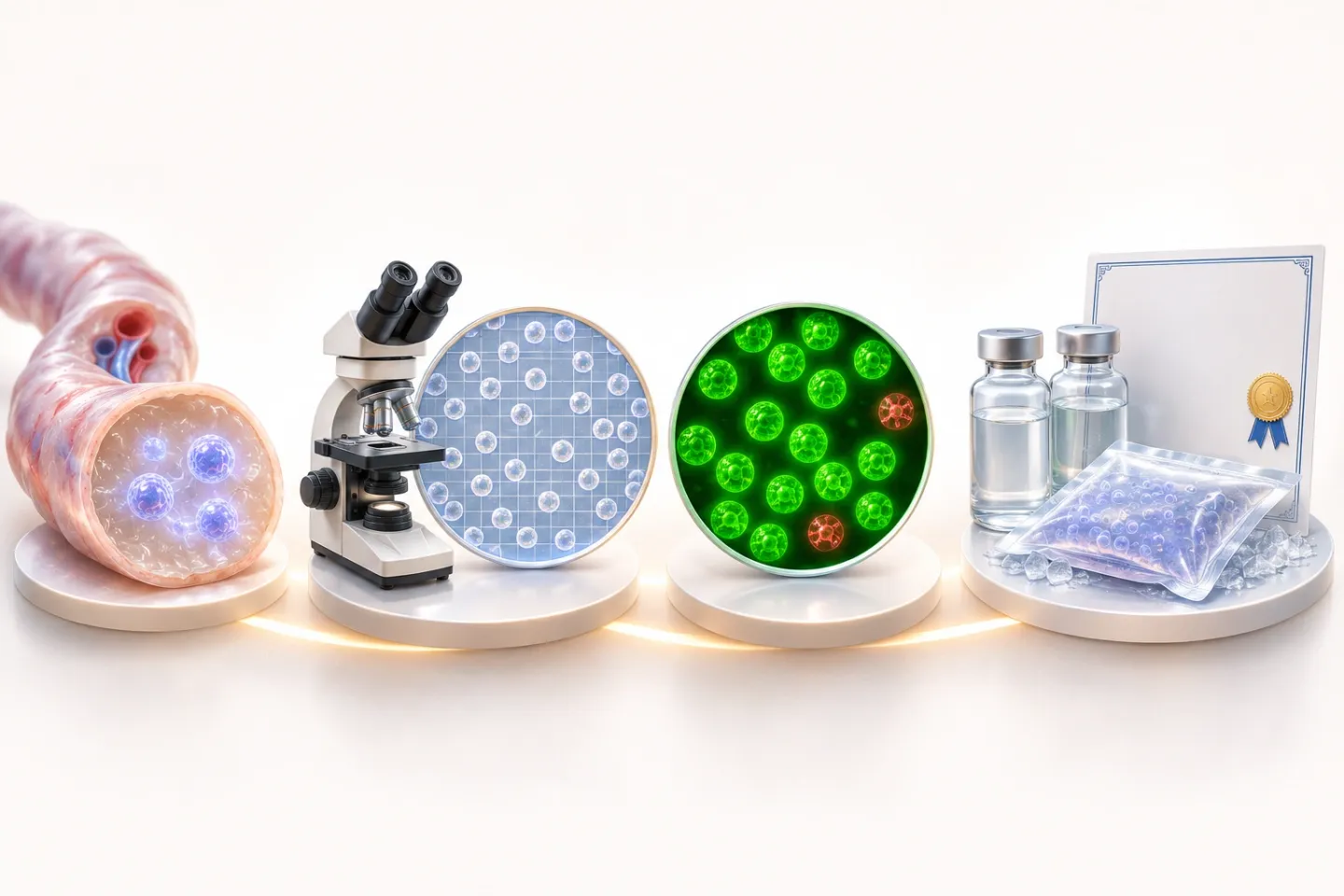
- Wharton’s jellyYoung stem cells from the soft centre of umbilical cords donated after healthy births.
- Cell countThe cells are counted, so your exact cell count can be stated in writing.
- ViabilityA viability test shows the share of living cells: here almost all glow green.
- Non-viable cellsThe few cells that are not alive show up red and are counted separately.
- Sterility testsCulture tests check that the batch is free of bacteria and fungi.
- Fresh transportFresh cells, never frozen, travel chilled from the laboratory for your treatment date.
- Batch certificateYour certificate shows the cell count, the viability and the sterility tests, and you receive a copy from the laboratory.
| Result on the certificate | What it measures | Why it matters to you |
|---|---|---|
| Cell count | The number of stem cells in the batch, counted in millions | It confirms the dose in your plan; among IV trials with positive results, effective doses ranged from 70 to 190 million cells in 14 of 16 trials8 |
| Viability | The share of the cells that are alive, as a percentage | Living cells release the repair signals; in a classic test, living cells keep a blue dye out while dead cells take it up1 |
| Sterility tests | Whether any microbes, such as bacteria or fungi, grow from a sample of the batch | It confirms the batch is clean; sterility testing of cell therapies follows methods set out for medicines2 |
Your cell count, in writing
Alongside the certificate, the exact cell count of your plan is stated in writing before you travel, for example 50 million or 100 million Wharton’s jelly stem cells. You know exactly what you are receiving, and you can compare plans clearly.
What else shapes your result
A certificate describes the cells. Your result also depends on the plan around them: the condition being treated, the dose, the route that brings the cells where they are needed, whether exosomes are added and how your progress is followed. That is why every plan starts with a free medical review by Dr. Cihan Bolat, a specialist in anaesthesiology and reanimation and in regenerative medicine. Our guide to stem cell therapy for neuropathy shows how this works for one goal: a plan can combine an IV infusion with injections around the affected nerves, depending on Dr. Cihan Bolat’s evaluation.
04
Cell count: how many stem cells do you need, and why does the number matter?
The cell count is the dose. MSCs are counted in millions, and the number you receive shapes how strong the repair signal can be. In an analysis of 914 MSC trials, IV infusion was the most common route, used in 43% of them, and the median IV dose was 100 million cells.8 Among IV trials that reported positive results, the lowest effective doses ranged from 70 to 190 million cells per dose in 14 of 16 trials.8
Dose studies with favourable results
Trials that compared doses point the same way. In a randomised trial in knee osteoarthritis, one injection of 100 million bone marrow MSCs with hyaluronic acid improved function scores (WOMAC) by 16.5 points at 12 months, and the researchers found the clearest improvement at this higher dose.22 In a dose-escalation trial, 100 million adipose MSCs injected into the knee improved pain and function at six months; imaging and arthroscopy showed smaller cartilage defects, and tissue samples showed regeneration of hyaline-like cartilage.23 Repeating a dose can help as well: two injections of umbilical cord MSCs, six months apart, gave better pain scores at one year than a single dose or hyaluronic acid.19 For knees, our stem cell knee injection guide explains dose and timing in detail.
Dose by body weight
For IV treatment, the dose is often matched to body weight. In the RIMECARD heart failure trial, one IV infusion of umbilical cord MSCs at 1 million cells per kilogram improved the heart’s pumping strength over 12 months.21 A typical IV range is 1–2 million cells per kilogram, about 0.45–0.9 million per pound: for someone weighing 70 kg (154 lb), that is 70 million to 140 million cells, and for 90 kg (198 lb), 90 million to 180 million. The right dose for you is set in your medical review, according to your condition, your goals, your age and Dr. Cihan Bolat’s evaluation. Higher cell-count plans may suit heavier patients or more complex goals.
Because the count is the dose, it is also the main part of the price. Our stem cell therapy cost guide lists every IV package by cell count and shows where complimentary exosomes and hotel nights are included.
Cell counts in published studies
- 100 millionthe median dose in IV MSC trials, from an analysis of 914 registered trials8
- 70–190 millionthe lowest effective IV doses in 14 of 16 trials with positive results8
- 1 million / kgthe IV dose of umbilical cord MSCs that improved heart pumping strength in the RIMECARD trial21
- 16.5 pointsbetter knee function (WOMAC) at 12 months after 100 million bone marrow MSCs22
05
Cell viability: what the percentage of living cells tells you
Viability is the share of cells in a batch that are alive, written as a percentage of living cells among all the cells counted. Living cells are the ones that sense inflammation and release repair signals, so viability tells you how much of your cell count is ready to work. Together, the cell count and the viability tell you how many living cells your batch contains.
How viability is measured
A classic method is the trypan blue test. A small sample of cells is mixed with a blue dye and examined under a microscope: living cells, with intact membranes, keep the dye out and stay clear, while dead cells take it up and turn blue.1 Laboratories may also use automated counters or flow cytometry with fluorescent dyes, which work on the same principle.
What helps keep viability high
Stem cells are living and sensitive, and the way they are sourced and handled shows in their viability and activity. Three things help:
- A young source. In laboratory studies, MSCs from donors over 60 had lower viability and slower growth than cells from donors under 30.13 Cord cells start young.
- No freeze–thaw cycle. In laboratory studies, thawed MSCs set off more of the blood’s complement defence than fresh cells, and after one hour in blood serum they were broken down twice as efficiently.7 Our Wharton’s jelly cells are never frozen.
- A short, planned path to you. Our cells are prepared for your treatment date, so they reach you fresh from the GMP laboratory.
Viability is one of the three results on every batch certificate from our laboratory, together with the cell count and the sterility tests.
06
GMP stem cell laboratory and sterility testing: how quality and cleanliness are built in
GMP stands for Good Manufacturing Practice, the quality standard used in making medicines. In a GMP laboratory, cells are prepared in controlled clean areas by trained staff who follow written procedures, and every step is documented, so each batch can be traced from the donated cord to the vial. Quality is built into the process rather than checked only at the end.
Our stem cells and exosomes are prepared in a GMP-certified laboratory approved by the Turkish Ministry of Health.
What GMP production of Wharton’s jelly cells achieves
Published work from GMP laboratories shows what this standard makes possible. In one laboratory, every batch of clinical-grade Wharton’s jelly MSCs met its identity specifications and showed a strong ability to slow the multiplication of activated immune cells in a validated potency test.24 In another, Wharton’s jelly MSCs grown under GMP-compliant conditions kept their typical identity, their ability to develop into other cell types, their chromosomal stability, their function and their sterility as production was scaled up.25 And umbilical cord MSCs cultured in a certified GMP-type laboratory gave the favourable knee results described above.19
Sterility testing: what it checks
A sterility test checks that no microbes, such as bacteria or fungi, grow from a sample of the product. For cell therapies, laboratories use the traditional culture methods described for medicines, in which samples are incubated and watched for any growth, and newer rapid microbial methods, while GMP also sets standards for the clean environment in which cells are handled.2 The sterility tests are part of every batch certificate from our laboratory, alongside the cell count and the viability.
Cleanliness continues on your treatment day: every injection and infusion is given under sterile conditions by our specialist team.
07
Fresh vs frozen stem cells: why our cells are never frozen
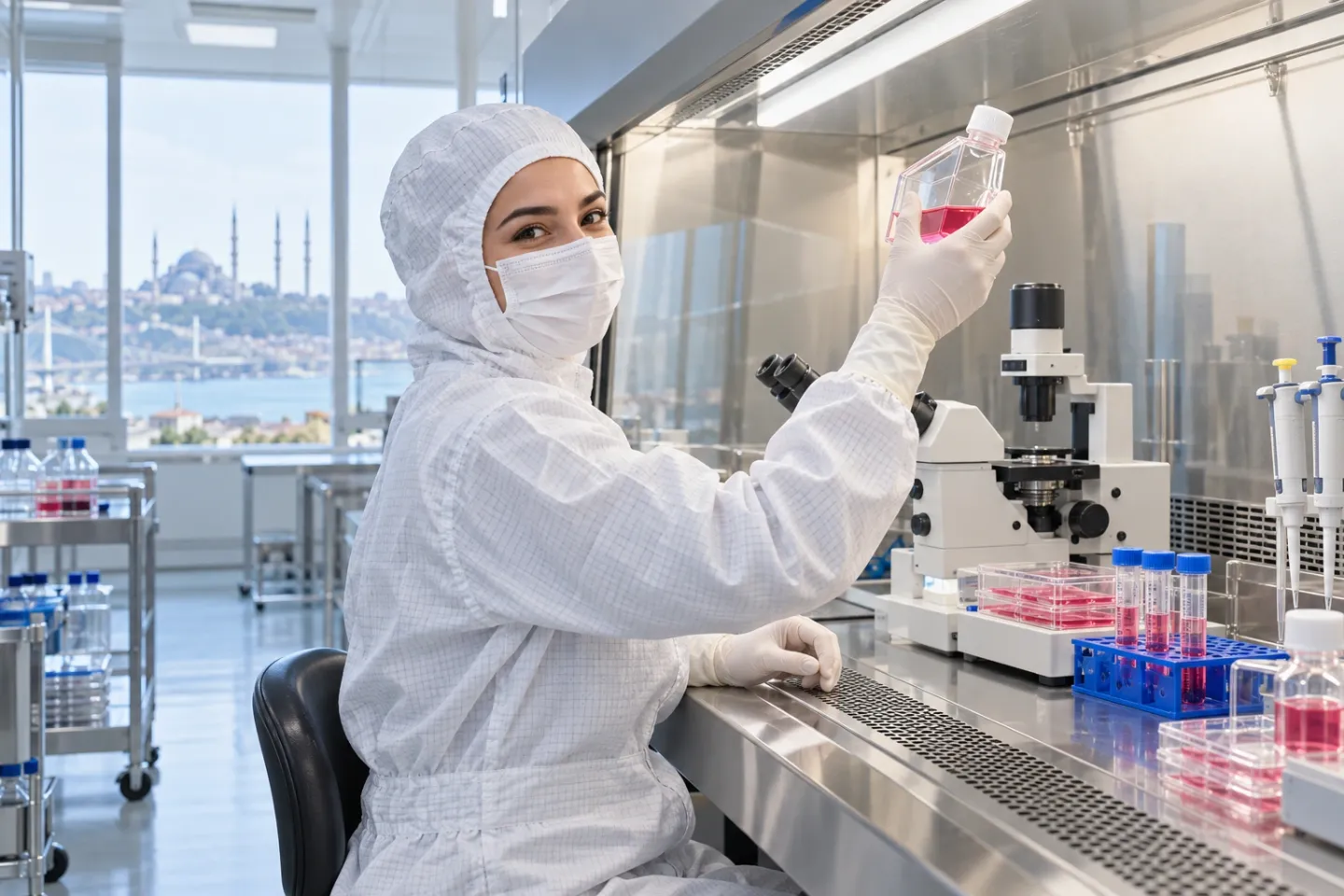
Many stem cell products are frozen (cryopreserved) after they are grown, stored in liquid nitrogen and thawed shortly before treatment. Freezing makes banking and shipping easier, and frozen cells are widely used in research and trials. Our approach is different: your Wharton’s jelly stem cells are prepared fresh for your treatment date and never frozen.
What laboratory studies show
- Stronger immune calming. When MSCs were tested straight after thawing, they showed a heat-shock stress response and were less able to slow overactive immune cells than cells in active growth; their activity returned after 24 hours back in culture.6
- Better resistance in the blood. Freeze-thawed MSCs responded less to inflammatory signals, produced fewer anti-inflammatory messengers and triggered more of the blood’s complement defence than freshly harvested cells.7
- Better survival among immune cells. Unlike actively growing MSCs, thawed MSCs were broken down by activated immune cells, and in research models even specially pre-treated thawed cells did not reach the lungs after an IV injection as well as fresh cells.26
What researchers saw in patients
In the same Swedish work, the researchers reported a trend linking fresh, low-passage cells with better results: patients treated for immune complications after a blood stem cell transplant with freshly harvested, low-passage cells had twice the response rate of a comparable group treated with freeze-thawed cells at a higher passage.7 Fresh cells are also used in new trials: in 10 women with secondary progressive multiple sclerosis, two IV doses of fresh, never-frozen adipose MSCs caused no serious adverse events over 9 months, MRI lesions became fewer and smaller, and disability scores improved.27
Freshness takes planning. Once you confirm your plan, the laboratory prepares your cells for your date, and their batch certificate records the cell count, the viability and the sterility tests.
| Fresh cells (our Wharton’s jelly cells) | Frozen, then thawed cells | |
|---|---|---|
| When they are prepared | For your treatment date | In advance, then stored frozen |
| Before treatment | Go from the laboratory to your treatment, never frozen | Thawed shortly before treatment |
| Immune-calming activity in laboratory studies | Strong, as in actively growing cells6 | Lower straight after thawing, returning after a day back in culture6 |
| Planning | Your date is planned with the laboratory | Can be taken from storage at short notice |
08
Wharton’s jelly exosome quality: counts, cargo and what to ask
Exosomes belong to the family of extracellular vesicles, tiny membrane-bound particles that cells release, and their complex cargo reflects the cell they came from.28 Because they contain no living cells, their quality is described differently from stem cells. Researchers count them as particles, often in billions, measure their size, confirm typical protein markers and separate them from other particles, and the international MISEV2023 guidance sets out approaches for producing, separating and characterising them.28 These are general research standards, explained here as background.
What goes into a Wharton’s jelly exosome
The source cell shapes the cargo. In a detailed study of Wharton’s jelly exosomes used in 125 people with degenerative disc disease, the exosomes were characterised by particle tracking, flow cytometry and protein analysis, which identified 1,018 different proteins, many linked with the tissue matrix, collagen and immune pathways.20 Adding them to Wharton’s jelly stem cells made a meaningful gain in back function twice as likely at six months.20
Exosomes are counted in billions
Exosome doses are counted in particles. In a placebo-controlled trial, a single IV dose of 50 billion umbilical cord MSC exosome particles (5 × 10¹⁰) was safe and lowered the inflammation markers TNF-α and CRP.29 In our IV stem cell packages, complimentary exosomes are included from 50 million cells: 10 billion exosomes with 50 or 75 million cells, 20 billion with 100 or 125 million cells, and 30 billion from 150 million cells. The amount is set out in your plan.
Wharton’s jelly exosomes in people
- Wounds. Diabetic foot ulcers healed in 6 weeks on average with weekly Wharton’s jelly exosomes, against 20 weeks with standard care alone.5
- Eyes. In a triple-blind randomised trial in Sjögren’s syndrome, Wharton’s jelly MSC exosome eye drops lowered dry eye symptom scores and increased tear production compared with the control group, while the inflammatory signals IL-6 and MMP-9 fell in the tears.30
- Brain injury. At a teaching hospital in Istanbul, five adults with traumatic brain injury given Wharton’s jelly MSC exosomes into the spinal fluid and the muscles improved their motor independence scores from 46.20 to 64.20 over one year, with no serious adverse events.31
CD34+ exosomes can be added alongside your Wharton’s jelly exosomes. Read about every exosome route on our exosome therapy page, and how each treatment works in exosome treatments explained.
09
What defines a mesenchymal stem cell? The ISCT criteria and other quality markers
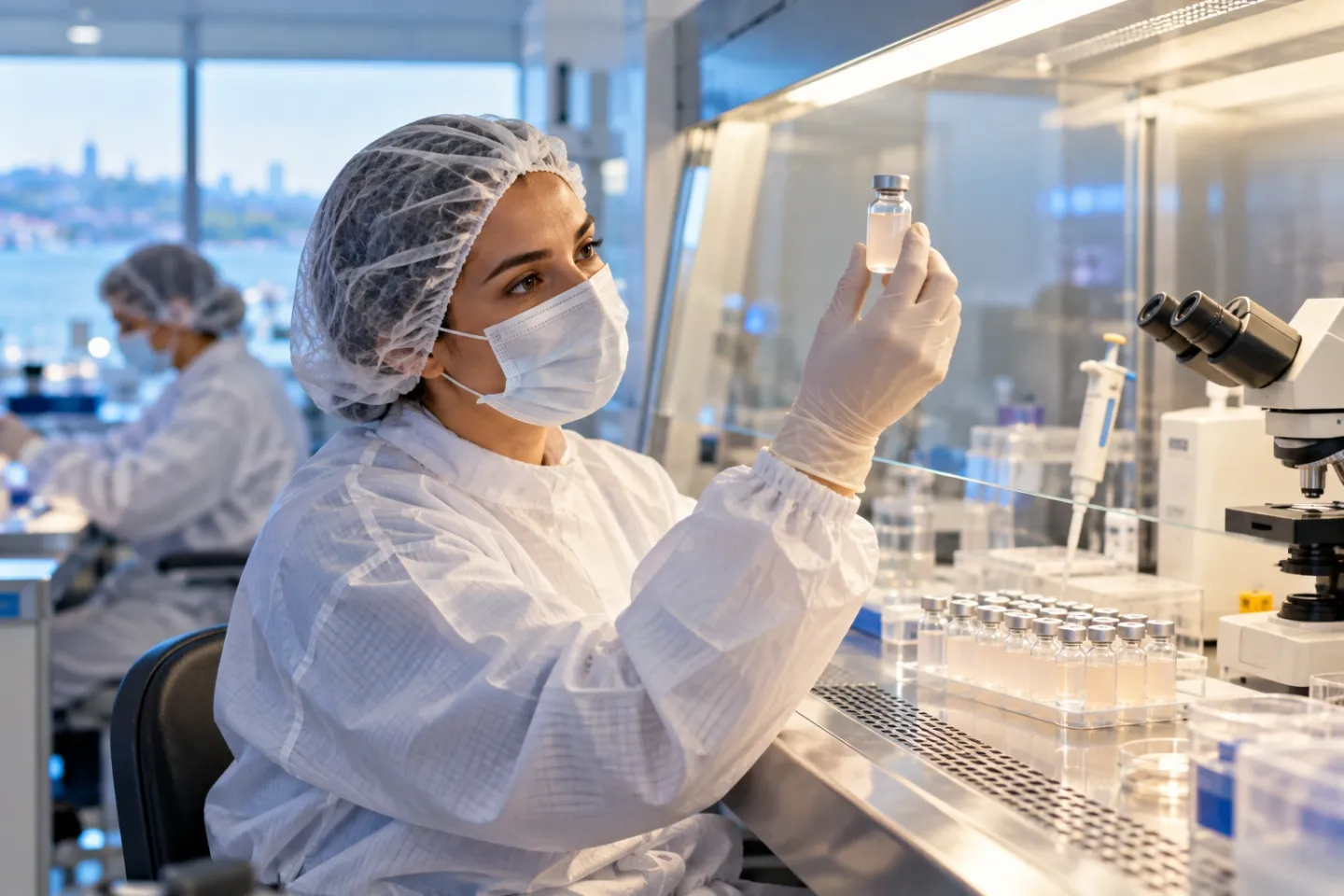
Researchers around the world use a shared definition of mesenchymal stem cells, so that studies from different laboratories can be compared. In 2006, the International Society for Cellular Therapy (ISCT) proposed three minimal criteria.10
| Criterion | What it means |
|---|---|
| Plastic adherence | In standard culture, MSCs attach to the plastic surface of the culture flask10 |
| Surface markers | MSCs carry the markers CD105, CD73 and CD90, and lack CD45, CD34, CD14 or CD11b, CD79α or CD19, and HLA-DR10 |
| Three-way development | In the laboratory, MSCs can develop into bone-forming, fat and cartilage cells10 |
In 2019, the society added that MSCs should be named with their tissue of origin, such as Wharton’s jelly, because each source has its own properties, and that their functions should be shown with tests suited to how they are meant to work.32 These functional tests are often called potency assays: in the published GMP work described above, every batch of Wharton’s jelly MSCs was tested for its ability to calm activated immune cells.24
Other quality markers in international practice
Beyond these criteria, international guidance and GMP practice describe further checks that laboratories may use, depending on the product. Examples include tests for mycoplasma, a tiny bacterium that can live in cell cultures,2 checks that cells keep stable chromosomes as they grow,25 and the passage number, the number of times cells have been grown on, which one research team linked with clinical response.7 For exosomes, MISEV2023 sets out approaches for separating and characterising them.28
We describe these markers here as general background, so that you can read any lab report with confidence. The batch certificate for our cells shows three results: the cell count, the viability and the sterility tests.
10
How to check a stem cell clinic’s quality: 10 questions to ask
Choosing a clinic is easier when you know what to ask. These ten questions work with any clinic, in Turkey or anywhere else, and a good clinic will be glad to answer them. Under each one you will find why it helps, and how we answer it.
1. Which cells will I receive?
Ask for the cell type and the tissue it comes from, as the ISCT recommends.32 Our answer: fresh Wharton’s jelly MSCs, with umbilical cord MSCs where they help.
2. Are the cells fresh or frozen?
Ask when the cells are prepared and whether they are thawed before treatment. Our answer: prepared fresh for your treatment date, never frozen.
3. Which laboratory prepares them?
Ask whether the laboratory works to GMP, the quality standard for medicines. Our answer: a GMP-certified laboratory approved by the Turkish Ministry of Health.
4. How many cells, in writing?
Ask for the exact cell count, since the count is the dose.8 Our answer: your exact cell count is stated in writing in your plan.
5. What does the batch certificate show?
Ask which results are recorded for each batch. Our answer: every batch certificate shows the cell count, the viability and the sterility tests, and you receive the certificate the laboratory provides.
6. Who reviews my case?
Ask who decides whether treatment suits you. Our answer: Uzm. Dr. Cihan Bolat’s team reviews your reports free of charge before any plan is made.
7. Which route, and why?
Ask how the cells will reach the area that needs them. Our answer: the routes are chosen for your goal, from 18 stem cell routes and 21 exosome routes.
8. Are exosomes included?
Ask which exosomes, and how many. Our answer: complimentary Wharton’s jelly exosomes are included in IV packages from 50 million cells, with the amount set out in your plan.
9. What does the price include?
Ask for a fixed price in writing. Our answer: a fixed, all-inclusive price in writing after your free medical review, before you travel.
10. How will you follow my progress?
Ask about follow-up once you are home. Our answer: reviews at about 1, 3, 6 and 12 months.
The same questions help whatever your goal, from joints to nerves. Our guide to stem cell therapy for neuropathy, for example, explains how the route is chosen for nerve symptoms in the feet and legs.
11
Stem cell options compared: source, preparation and quality information
Different stem cell options have different strengths, and each has its place. Here is how they compare on the points that shape quality, with results as published.
| Option | What you receive | How it is prepared | Quality information | What studies report |
|---|---|---|---|---|
| Fresh Wharton’s jelly stem cells and Wharton’s jelly exosomes together | Young living cells plus their concentrated messengers | Prepared fresh for your date in a GMP-certified laboratory approved by the Turkish Ministry of Health; the cells are never frozen | Batch certificate with the cell count, viability and sterility tests; your exact cell count in writing | Adding the exosomes made a meaningful gain in back function twice as likely at six months20 |
| Fresh Wharton’s jelly stem cells | Young living cells from donated cords | Fresh, never frozen, from the same GMP laboratory | As above | Heart pumping strength +7.8 vs +2.8 points with placebo at 18 months3 |
| Umbilical cord stem cells | Young cells from the cord tissue, our second cell type | Fresh, from the same GMP laboratory | As above | Heart pumping strength +7.07 vs +1.85 points after one IV infusion of 1 million cells per kilogram21 |
| Wharton’s jelly exosomes on their own | Cell-free repair messengers | Prepared fresh for your date in the same laboratory | Exosome amount, counted in billions, set out in your plan | Diabetic foot ulcers healed in 6 vs 20 weeks5 |
| Your own bone marrow or fat cells | Your own cells | Harvested from your hip bone or fat, then prepared; in laboratory studies, MSC numbers and growth declined with donor age1213 | Depends on the laboratory | Knee function 16.5 WOMAC points better at 12 months with 100 million bone marrow MSCs22 |
| Cryopreserved (banked) cells | Donor or own cells, frozen and stored | Thawed shortly before treatment | Depends on the laboratory | Widely used in trials; in laboratory studies, activity straight after thawing was lower, returning after a day in culture6 |
These options can all help, and the right choice depends on your goal. Our plans are built on fresh Wharton’s jelly stem cells and exosomes, with umbilical cord stem cells where they help. Read more about our stem cell therapy in Istanbul.
12
Muse cells and Muse exosomes: an optional add-on
Muse cells, short for multilineage-differentiating stress-enduring cells, are a small group of especially hardy, stress-tolerant repair cells within the MSC family, discovered in Japan in 2010.33 Donor Muse cells have been given without tissue matching or immune-suppressing medicines,34 and in a randomised trial in stroke, 40.0% of patients given one IV dose of a donor Muse cell product could look after their own affairs at 12 weeks, against 10.0% with placebo.35
If you would like to add them, Muse cells can be given by IV infusion or intrathecal injection, and Muse exosomes by IV infusion or nasal spray. Your Wharton’s jelly stem cells and exosomes remain the core of your plan.
13
Is stem cell therapy safe? How quality supports your safety
Safety comes first, and the published record of MSC treatment is reassuring. A meta-analysis of 62 randomised trials with 3,546 patients found MSC treatment safe across different conditions, the most common effect a passing fever.9 An updated review of 55 randomised trials of MSCs given into the bloodstream, with 2,696 patients, concluded that MSC therapy continues to show a favourable safety profile, and its authors encouraged trials to report how their cells were characterised: the same quality thinking this guide describes.36
Wharton’s jelly and cord cells have their own reassuring results. In the Wharton’s jelly heart trial, side effects and laboratory tests, including immune and blood counts, did not differ from placebo over 18 months,3 and in the RIMECARD trial, no patient had side effects related to the infusion and none of those tested developed antibodies against the donor cord cells.21
Quality adds further layers of safety to your own care. Your cells are prepared fresh in a GMP-certified laboratory approved by the Turkish Ministry of Health; every batch certificate shows the cell count, the viability and the sterility tests; Dr. Cihan Bolat reviews your health and medical history before any plan is made; and every injection and infusion is given under sterile conditions by our specialist team.
14
Why patients travel to Istanbul, Turkey for high-quality stem cell therapy
Patients travel to Istanbul from the UK and the USA in particular, and from across Europe, the Gulf and beyond. Istanbul brings together specialist-led care, fresh Wharton’s jelly stem cells from a GMP-certified laboratory approved by the Turkish Ministry of Health and one treatment day for most plans, in a city that is easy to reach and a pleasure to stay in.

Specialist-led from the first message
Uzm. Dr. Cihan Bolat, our medical director, a specialist in anaesthesiology and reanimation and in regenerative medicine, leads the team that reviews your case free of charge and treats you.
Fresh, certified cells
Fresh Wharton’s jelly stem cells, never frozen, with every batch certificate showing the cell count, the viability and the sterility tests.
Everything in writing
Your exact cell count, your routes and a fixed, all-inclusive price, confirmed in writing before you travel.
One treatment day
Most plans take one treatment day in Istanbul, and you walk out of the clinic the same day.
Help at every step
A personal case manager helps with your hotel, ground transport and translation, so you can focus on your treatment.
Follow-up from home
Reviews at about 1, 3, 6 and 12 months, so your care continues after you fly home.
Istanbul has two international airports with direct flights from the UK, the USA, across Europe, the Middle East and beyond, and our clinic is in Suadiye, a calm district on the Asian side near the Marmara seafront. Read more about why patients choose stem cell therapy in Turkey.
15
Your stem cell treatment in Istanbul, step by step
From your first message to your follow-up at home, every step is planned with you in advance, whether you are travelling from London, Manchester, New York, Amsterdam or Dubai. For the fuller story, read the stem cell treatment in Turkey, step by step, or request your free consultation now.
Tell us about your health
Share your goals and any medical reports through our free consultation request or by WhatsApp on +90 534 856 92 92.
Free medical review and phone call
Dr. Cihan Bolat’s team reviews your case free of charge, talks it through with you by phone and tells you honestly whether treatment suits you.
Your written plan and fixed price
You receive a written plan with your cells, your exact cell count, any exosomes, the routes chosen for you and a fixed, all-inclusive price.
Fresh preparation and treatment day
Once you confirm, your cells are prepared fresh for your date in the GMP laboratory, and their batch certificate records the cell count, the viability and the sterility tests. On treatment day, you walk out the same day.
Home and follow-up
Back home, we review your progress with you at about 1, 3, 6 and 12 months.
16
How much does high-quality stem cell therapy cost in Turkey?
The price of stem cell therapy follows what you receive, above all the number of cells. Our IV stem cell packages, in US dollars and effective June 1, 2026, start at USD 4,950 for 25 million cells. From 50 million cells, complimentary exosomes are included, and from 100 million cells, hotel nights are included as well. Our stem cell therapy cost guide lists every package, from 25 million to 250 million cells.
Plans for other goals have their own published prices: most erectile dysfunction plans cost under USD 10,000, and a complete stem cell treatment for autism costs EUR 8,000–15,000, including your hotel and all ground transport. Treatment plans can be customised after the medical review, for example with extra exosomes or routes, NAD+ IV as an addition to your stem cell plan, or Muse cells. After your free medical review, you receive a fixed, all-inclusive price in writing before you travel.
When you compare prices, compare what each price includes: the cell type and its source, whether the cells are fresh or frozen, the laboratory, the cell count in writing and what the batch certificate shows.
Included
- Free medical review and phone consultation with Dr. Cihan Bolat’s team
- Fresh Wharton’s jelly stem cells, with the count and viability certified by the GMP laboratory
- Your exact cell count in writing
- Your treatment by our specialist team, by the routes in your plan
- Complimentary exosomes in IV packages from 50 million cells, as shown in the package list
- Ground transport to and from the clinic, a personal case manager and follow-up reviews
Not included / optional
- Flights
- Hotel stay, unless your package includes hotel nights
- Extra exosomes or routes, NAD+ IV with your stem cell plan, or Muse cells, if you add them
See all our stem cell treatments, or request your free review.
17
Frequently asked questions
What does stem cell quality mean?
Stem cell quality describes how good the cells you receive are: the right type of cell from a young, healthy source, prepared under Good Manufacturing Practice, counted accurately, alive and free of contamination. Our fresh Wharton’s jelly stem cells come from a GMP-certified laboratory approved by the Turkish Ministry of Health, and every batch certificate shows the cell count, the viability and the sterility tests.
What does a stem cell lab report show?
A stem cell lab report, or batch certificate, is the laboratory’s written record of a batch of cells. Every batch certificate from the laboratory that prepares our cells shows three results: the cell count, which is the number of cells; the viability, which is the share of cells that are alive; and the sterility tests, which check that no microbes grow. Your exact cell count is also stated in writing in your plan.
What is cell viability?
Cell viability is the percentage of cells in a batch that are alive. A classic test mixes a sample with trypan blue: living cells keep the dye out, while dead cells turn blue. Viability matters because living cells release the repair signals. In laboratory studies, cells from older donors and cells that had been frozen and thawed fared less well, which is why our young cord cells are prepared fresh.
How many stem cells do I need?
It depends on your condition, your goals, your weight and your doctor’s evaluation. A typical IV range is 1–2 million cells per kilogram, about 0.45–0.9 million per pound, so 70 million to 140 million cells for someone weighing 70 kg (154 lb). Among IV trials with positive results, effective doses mostly ranged from 70 to 190 million cells. Your dose is set in your free medical review.
What is sterility testing for stem cells?
A sterility test checks that no microbes, such as bacteria or fungi, grow from a sample of the cell product. Laboratories use traditional culture methods, in which samples are watched for any growth, and newer rapid methods. Every batch certificate from our GMP laboratory includes the sterility tests, and every injection and infusion is given under sterile conditions by our specialist team.
What is a GMP stem cell laboratory?
GMP stands for Good Manufacturing Practice, the quality standard used in making medicines. A GMP laboratory prepares cells in controlled clean areas, with trained staff, written procedures and full records for every batch, so each batch can be traced. Our stem cells and exosomes are prepared in a GMP-certified laboratory approved by the Turkish Ministry of Health.
Fresh vs frozen stem cells: which is better?
Both are used in medicine. In laboratory studies, stem cells used straight after thawing were less able to calm overactive immune cells than actively growing cells, and their activity returned after a day back in culture. Researchers also reported a trend towards better results with fresh, low-passage cells. Our Wharton’s jelly stem cells are prepared fresh for your treatment date and never frozen.
Why Wharton’s jelly stem cells?
Wharton’s jelly is the soft tissue around the blood vessels of the umbilical cord, and its stem cells are young. They multiplied faster than bone marrow stem cells in laboratory comparisons, need no donor matching and do not depend on your age. In a randomised heart attack trial, Wharton’s jelly stem cells raised the heart’s pumping strength by 7.8 points, against 2.8 with placebo.
What are the ISCT criteria for mesenchymal stem cells?
In 2006, the International Society for Cellular Therapy proposed three minimal criteria: MSCs attach to plastic in culture; they carry the markers CD105, CD73 and CD90 and lack markers such as CD45, CD34 and HLA-DR; and they can develop into bone, fat and cartilage cells in the laboratory. It is a shared research definition, which this guide explains as background.
How can I check a stem cell clinic’s quality?
Ask which cells you will receive and from which tissue, whether they are fresh or frozen, which laboratory prepares them and whether it works to GMP, how many cells you will receive in writing, what the batch certificate shows, who reviews your case, which route is planned, what the price includes and how your progress will be followed. A good clinic will be glad to answer.
How is exosome quality measured?
Exosomes contain no living cells, so they are described as particles. Researchers count them, often in billions, measure their size, confirm typical protein markers and check their purity, following international guidance called MISEV2023. Our IV stem cell packages include complimentary exosomes from 50 million cells, from 10 billion to 30 billion exosomes, set out in your plan.
Do I need a donor match for umbilical cord stem cells?
No. Wharton’s jelly stem cells lack the signals that switch on rejection, so they are given without matching, and in a heart failure trial, none of the patients tested developed antibodies against donor umbilical cord stem cells. Nothing is taken from your own body, so you need no bone marrow or fat harvest.
Is stem cell therapy safe?
The published record is reassuring. A meta-analysis of 62 randomised trials with 3,546 patients found MSC treatment safe, the most common effect a passing fever. Your cells come from a GMP-certified laboratory approved by the Turkish Ministry of Health, Dr. Cihan Bolat reviews your health before any plan is made, and every treatment is given under sterile conditions by our specialist team.
What are Muse cells?
Muse cells are a small group of especially hardy, stress-tolerant repair cells within the MSC family, discovered in Japan in 2010. In a randomised stroke trial, 40.0% of patients given one IV dose of a donor Muse cell product could look after their own affairs at 12 weeks, against 10.0% with placebo. They can be added to your plan as an optional extra.
Will my cell count be stated in writing?
Yes. Your written plan states your exact cell count, for example 50 million or 100 million cells, together with your routes, any exosomes and a fixed, all-inclusive price, before you travel. Every batch certificate from our GMP laboratory shows the cell count, the viability and the sterility tests.
How much does stem cell therapy cost in Turkey?
Our IV stem cell packages start at USD 4,950 for 25 million cells, with prices in US dollars, effective June 1, 2026. From 50 million cells, complimentary exosomes are included, and from 100 million cells, hotel nights as well. After a free medical review, you receive a fixed, all-inclusive price in writing. Flights are not included.
Why choose Istanbul for stem cell therapy?
Istanbul offers specialist-led treatment with fresh Wharton’s jelly stem cells from a GMP-certified laboratory approved by the Turkish Ministry of Health, one treatment day for most plans and easy flights from the UK, the USA, Europe and the Gulf. You walk out the same day, and you can reach us on WhatsApp at +90 534 856 92 92.

Medical review
Uzm. Dr. Cihan Bolat
Medical Director, Istanbul Stemcell
This page was written from the published studies listed below and reviewed for medical accuracy on .
18
References
- Strober W. Trypan Blue Exclusion Test of Cell Viability. Curr Protoc Immunol. 2015;111:A3.B.1-A3.B.3. PMID 26529666
- Gebo JET, Lau AF. Sterility Testing for Cellular Therapies: What Is the Role of the Clinical Microbiology Laboratory? J Clin Microbiol. 2020;58(7). PMID 32321785
- Gao LR, et al. Intracoronary infusion of Wharton's jelly-derived mesenchymal stem cells in acute myocardial infarction: double-blind, randomized controlled trial. BMC Med. 2015;13:162. PMID 26162993
- Batsali AK, et al. Differential expression of cell cycle and WNT pathway-related genes accounts for differences in the growth and differentiation potential of Wharton's jelly and bone marrow-derived mesenchymal stem cells. Stem Cell Res Ther. 2017;8(1):102. PMID 28446235
- Kishta MS, et al. The transforming role of wharton's jelly mesenchymal stem cell-derived exosomes for diabetic foot ulcer healing: a randomized controlled clinical trial. Stem Cell Res Ther. 2025;16(1):559. PMID 41084065
- François M, et al. Cryopreserved mesenchymal stromal cells display impaired immunosuppressive properties as a result of heat-shock response and impaired interferon-γ licensing. Cytotherapy. 2012;14(2):147-52. PMID 22029655
- Moll G, et al. Do cryopreserved mesenchymal stromal cells display impaired immunomodulatory and therapeutic properties? Stem Cells. 2014;32(9):2430-42. PMID 24805247
- Kabat M, et al. Trends in mesenchymal stem cell clinical trials 2004-2018: Is efficacy optimal in a narrow dose range? Stem Cells Transl Med. 2020;9(1):17-27. PMID 31804767
- Wang Y, Yi H, Song Y. The safety of MSC therapy over the past 15 years: a meta-analysis. Stem Cell Res Ther. 2021;12(1):545. PMID 34663461
- Dominici M, et al. Minimal criteria for defining multipotent mesenchymal stromal cells. The International Society for Cellular Therapy position statement. Cytotherapy. 2006;8(4):315-7. PMID 16923606
- Caplan AI, Dennis JE. Mesenchymal stem cells as trophic mediators. J Cell Biochem. 2006;98(5):1076-84. PMID 16619257
- Stolzing A, et al. Age-related changes in human bone marrow-derived mesenchymal stem cells: consequences for cell therapies. Mech Ageing Dev. 2008;129(3):163-73. PMID 18241911
- Choudhery MS, et al. Donor age negatively impacts adipose tissue-derived mesenchymal stem cell expansion and differentiation. J Transl Med. 2014;12:8. PMID 24397850
- Hsieh JY, et al. Mesenchymal stem cells from human umbilical cord express preferentially secreted factors related to neuroprotection, neurogenesis, and angiogenesis. PLoS One. 2013;8(8):e72604. PMID 23991127
- Shin S, et al. Comparative Proteomic Analysis of the Mesenchymal Stem Cells Secretome from Adipose, Bone Marrow, Placenta and Wharton's Jelly. Int J Mol Sci. 2021;22(2). PMID 33467726
- Weiss ML, et al. Immune properties of human umbilical cord Wharton's jelly-derived cells. Stem Cells. 2008;26(11):2865-74. PMID 18703664
- Hu J, et al. Long term effects of the implantation of Wharton's jelly-derived mesenchymal stem cells from the umbilical cord for newly-onset type 1 diabetes mellitus. Endocr J. 2013;60(3):347-57. PMID 23154532
- Liu X, et al. A preliminary evaluation of efficacy and safety of Wharton's jelly mesenchymal stem cell transplantation in patients with type 2 diabetes mellitus. Stem Cell Res Ther. 2014;5(2):57. PMID 24759263
- Matas J, et al. Umbilical Cord-Derived Mesenchymal Stromal Cells (MSCs) for Knee Osteoarthritis: Repeated MSC Dosing Is Superior to a Single MSC Dose and to Hyaluronic Acid in a Controlled Randomized Phase I/II Trial. Stem Cells Transl Med. 2019;8(3):215-224. PMID 30592390
- Toro-Rivera A, et al. Mechanisms of Exosome-Supplemented WJ-MSC Therapy in Degenerative Disc Disease: Integrating Proteomic Profiling with Clinical Functional Recovery. Biomedicines. 2026;14(10). PMID 42940041
- Bartolucci J, et al. Safety and Efficacy of the Intravenous Infusion of Umbilical Cord Mesenchymal Stem Cells in Patients With Heart Failure: A Phase 1/2 Randomized Controlled Trial (RIMECARD Trial [Randomized Clinical Trial of Intravenous Infusion Umbilical Cord Mesenchymal Stem Cells on Cardiopathy]). Circ Res. 2017;121(10):1192-1204. PMID 28974553
- Lamo-Espinosa JM, et al. Intra-articular injection of two different doses of autologous bone marrow mesenchymal stem cells versus hyaluronic acid in the treatment of knee osteoarthritis: multicenter randomized controlled clinical trial (phase I/II). J Transl Med. 2016;14(1):246. PMID 27565858
- Jo CH, et al. Intra-articular injection of mesenchymal stem cells for the treatment of osteoarthritis of the knee: a proof-of-concept clinical trial. Stem Cells. 2014;32(5):1254-66. PMID 24449146
- Grau-Vorster M, et al. Compliance with Good Manufacturing Practice in the Assessment of Immunomodulation Potential of Clinical Grade Multipotent Mesenchymal Stromal Cells Derived from Wharton's Jelly. Cells. 2019;8(5). PMID 31117301
- Soder RP, et al. Large Scale Manufacturing of Wharton's Jelly Mesenchymal Stromal Cells for Clinical Use. Stem Cells Int. 2025;2025:5167739. PMID 41209032
- Chinnadurai R, et al. Cryopreserved Mesenchymal Stromal Cells Are Susceptible to T-Cell Mediated Apoptosis Which Is Partly Rescued by IFNγ Licensing. Stem Cells. 2016;34(9):2429-42. PMID 27299362
- Arab FL, et al. Safety and feasibility of intravenous fresh adipose-derived mesenchymal stem cells in secondary progressive multiple sclerosis: phase I/IIa clinical results. Stem Cell Res Ther. 2026;17(1). PMID 41725020
- Welsh JA, et al. Minimal information for studies of extracellular vesicles (MISEV2023): From basic to advanced approaches. J Extracell Vesicles. 2024;13(2):e12404. PMID 38326288
- Hosseinzadeh M, et al. Therapeutic potential of hUCMSC-derived exosomes in modulating inflammation and immune response in COVID-19-associated ARDS: A randomized clinical trial. Respir Med. 2025;249:108475. PMID 41202994
- Habibi A, et al. Efficacy of topical mesenchymal stem cell exosome in Sjögren's syndrome-related dry eye: a randomized clinical trial. BMC Ophthalmol. 2025;25(1):299. PMID 40394561
- Kabatas S, et al. Efficacy and safety of exosomes from Wharton's Jelly-derived mesenchymal stem cells in traumatic brain injury. World J Crit Care Med. 2025;14(4):103782. PMID 41377533
- Viswanathan S, et al. Mesenchymal stem versus stromal cells: International Society for Cell & Gene Therapy (ISCT®) Mesenchymal Stromal Cell committee position statement on nomenclature. Cytotherapy. 2019;21(10):1019-1024. PMID 31526643
- Kuroda Y, et al. Unique multipotent cells in adult human mesenchymal cell populations. Proc Natl Acad Sci U S A. 2010;107(19):8639-43. PMID 20421459
- Minatoguchi S, et al. Donor Muse Cell Treatment Without HLA-Matching Tests and Immunosuppressant Treatment. Stem Cells Transl Med. 2024;13(6):532-545. PMID 38560897
- Niizuma K, et al. Randomized placebo-controlled trial of CL2020, an allogenic muse cell-based product, in subacute ischemic stroke. J Cereb Blood Flow Metab. 2023;43(12):2029-2039. PMID 37756573
- Thompson M, et al. Cell therapy with intravascular administration of mesenchymal stromal cells continues to appear safe: An updated systematic review and meta-analysis. EClinicalMedicine. 2020;19:100249. PMID 31989101