01
Autism in brief: what families are facing
Autism spectrum disorder (ASD) is a difference in how the brain develops. It shapes how a child communicates, relates to other people and experiences the world, and it often comes with repetitive behaviours, strong routines and sensitivity to sound, light or touch. No two autistic children are alike, which is why it is called a spectrum.
The three levels of autism
Doctors describe autism by how much support a child needs in daily life (the DSM-5 levels):
- Level 1Needs supportSpeaks, but social communication takes effort; changes of routine are hard
- Level 2Needs substantial supportLimited speech or social contact; repetitive behaviours are easy to notice
- Level 3Needs very substantial supportLittle or no speech; daily life depends on close care
How common is autism today?
In the United States, 1 in 31 eight-year-olds was identified with autism in 2022 data from the CDC.1 The World Health Organization estimates that about 1 in 127 people worldwide had autism in 2021.2
What we know about the causes
Genes play the largest part, together with influences before birth. Researchers have also found signs of an active immune response in the autistic brain: in brain tissue, the immune cells of the brain (microglia) and its support cells (astrocytes) were activated, and inflammatory signals were raised in the spinal fluid.3 This finding is one of the main reasons cell therapies that calm inflammation are studied in autism.
Therapy comes first, and stays
Speech therapy, behavioural therapy such as ABA, and occupational therapy are the foundation of autism care. Stem cell and exosome therapy is added to them, so your child continues these therapies before and after treatment.
02
Why parents choose stem cell therapy for autism
Parents who come to us have usually done everything they can: therapy several times a week, special diets, school support. They see their child making progress and want to give that progress more support. Families tell us they choose stem cell and exosome therapy for four reasons:
It works on a different level
Therapy trains skills. Stem cells and exosomes work on the biology behind them, by calming inflammation and supporting the developing brain.
Published studies report progress
Children in clinical studies improved on autism rating scales, social responsiveness and daily-living skills after cell therapy.4567
The brain is still developing
Young brains change fast. Many parents want to act during these years, and studies report the largest improvements in younger children.131416
It is available now
In Istanbul, families can receive treatment in one hospital day, without waiting for a place in a research study.
What parents hope for differs from child to child: more words and longer sentences, better eye contact, more interest in other children, calmer behaviour, longer attention, better sleep. We talk through your goals for your child before anything is planned.
03
How do stem cells and exosomes help children with autism?
Mesenchymal stem cells (MSCs) do not work by turning into new brain cells. They work by sending signals: proteins and genetic messages that calm inflammation, balance the immune system and support the cells around them. Many of these signals travel in exosomes, tiny packages the stem cells release. Three effects are studied most.
Calming inflammation
In mouse models of autism, MSC exosomes lowered inflammatory signals (IL-1, TNF-α, IL-6) and raised the calming signal IL-10.20
Balancing the immune system
Wharton’s jelly stem cells suppress overactive immune cells in the laboratory.28 In children with signs of immune imbalance, IV cord blood cells improved social responsiveness compared with placebo.6
Supporting brain activity
In studies of intrathecal cell therapy, PET brain scans after treatment showed improved brain metabolism.1314
In mice with autism-like traits, exosomes from stem cells given as a nasal spray improved social behaviour and communication and reduced repetitive behaviours.181931 Read more about how our exosome therapy works.
04
Why we use fresh Wharton’s jelly stem cells
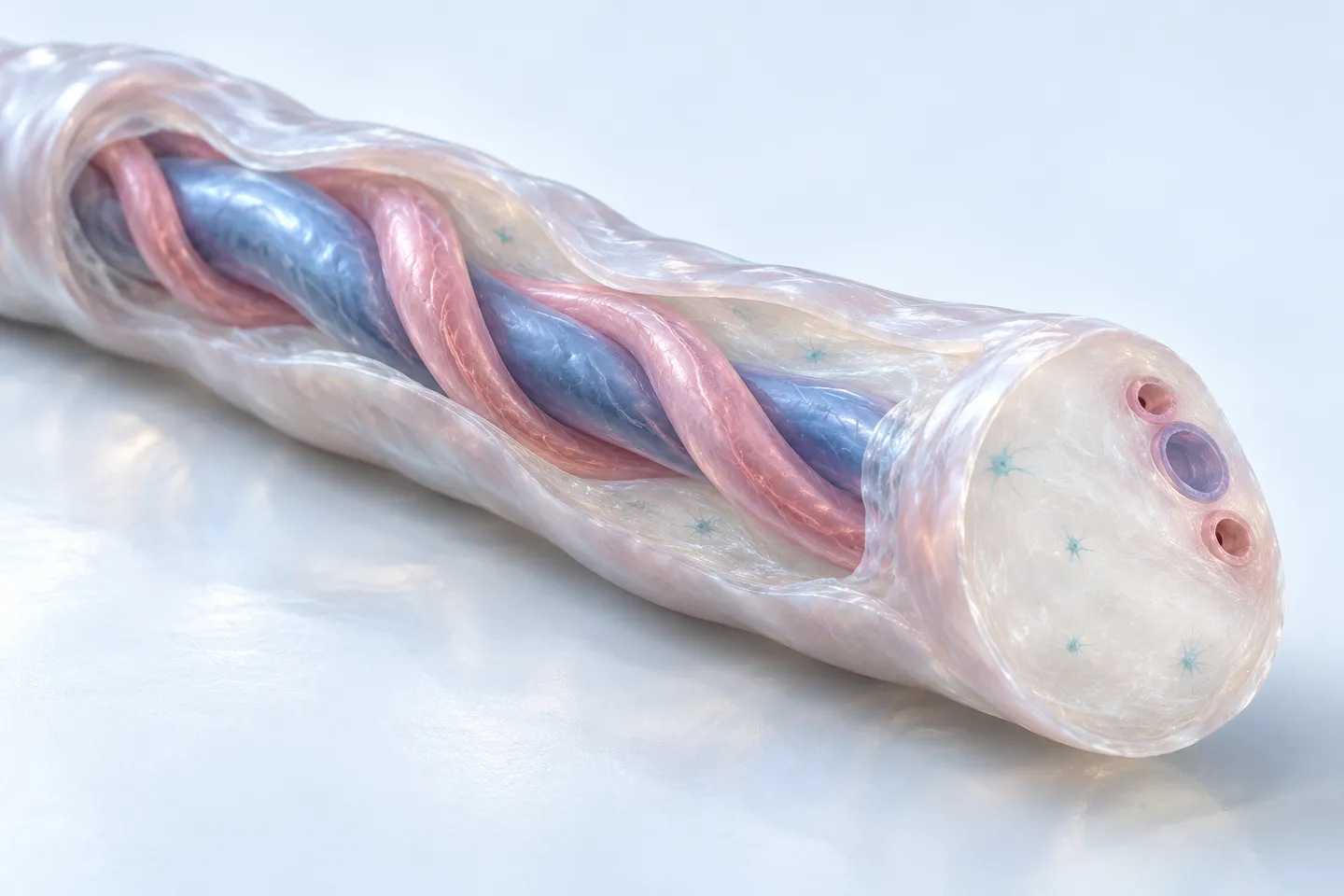
Wharton’s jelly is the soft, gel-like tissue inside the umbilical cord. It is one of the richest sources of young mesenchymal stem cells, and it is collected from cords donated after healthy births, so nothing is taken from your child.
- Donated cordvsBone-marrow harvest from your child
- Newborn cellsvsAdult cells
- Fresh, never frozenvsFrozen and thawed
- No matching neededvsDonor matching
- Nothing harvested from your child. Many autism studies used the child’s own bone marrow, which means a bone-marrow collection under general anaesthesia before treatment.511 Wharton’s jelly cells come from a screened donor.
- Young, vigorous cells. In side-by-side laboratory tests, Wharton’s jelly cells grew faster and showed signs of ageing later than adult cells from fat tissue.29
- No matching needed. Wharton’s jelly cells lack the immune markers that trigger rejection.28
- Fresh, never frozen. In a study from the Karolinska Institute, stem cells used straight after thawing had weaker immune-calming properties than freshly harvested cells; in patients treated for a different immune condition, the response rate was 100% with fresh cells against 50% with frozen-and-thawed cells.27 Our cells are prepared fresh for your child’s treatment date.
Our laboratory: our stem cells and exosomes are prepared in a laboratory approved by the Turkish Ministry of Health and certified to GMP (Good Manufacturing Practice) standards. Cell count and viability are checked before every treatment.
How much? 1–2 million cells per kilogram
The dose follows your child’s body weight: usually 1 to 2 million stem cells per kilogram. Published studies used the same range. In the Istanbul case report, the child received Wharton’s jelly stem cells at 1 million per kilogram by each route;8 the Chinese trial that combined IV and intrathecal delivery used 1 million umbilical cord stem cells per kilogram;4 and the Duke University study gave 2 million cord tissue stem cells per kilogram.9
| Child’s weight | 15 kg | 20 kg | 30 kg | 40 kg |
|---|---|---|---|---|
| Stem cells | 15–30 million | 20–40 million | 30–60 million | 40–80 million |
05
Why we combine intrathecal and IV stem cells with IV and intranasal exosomes
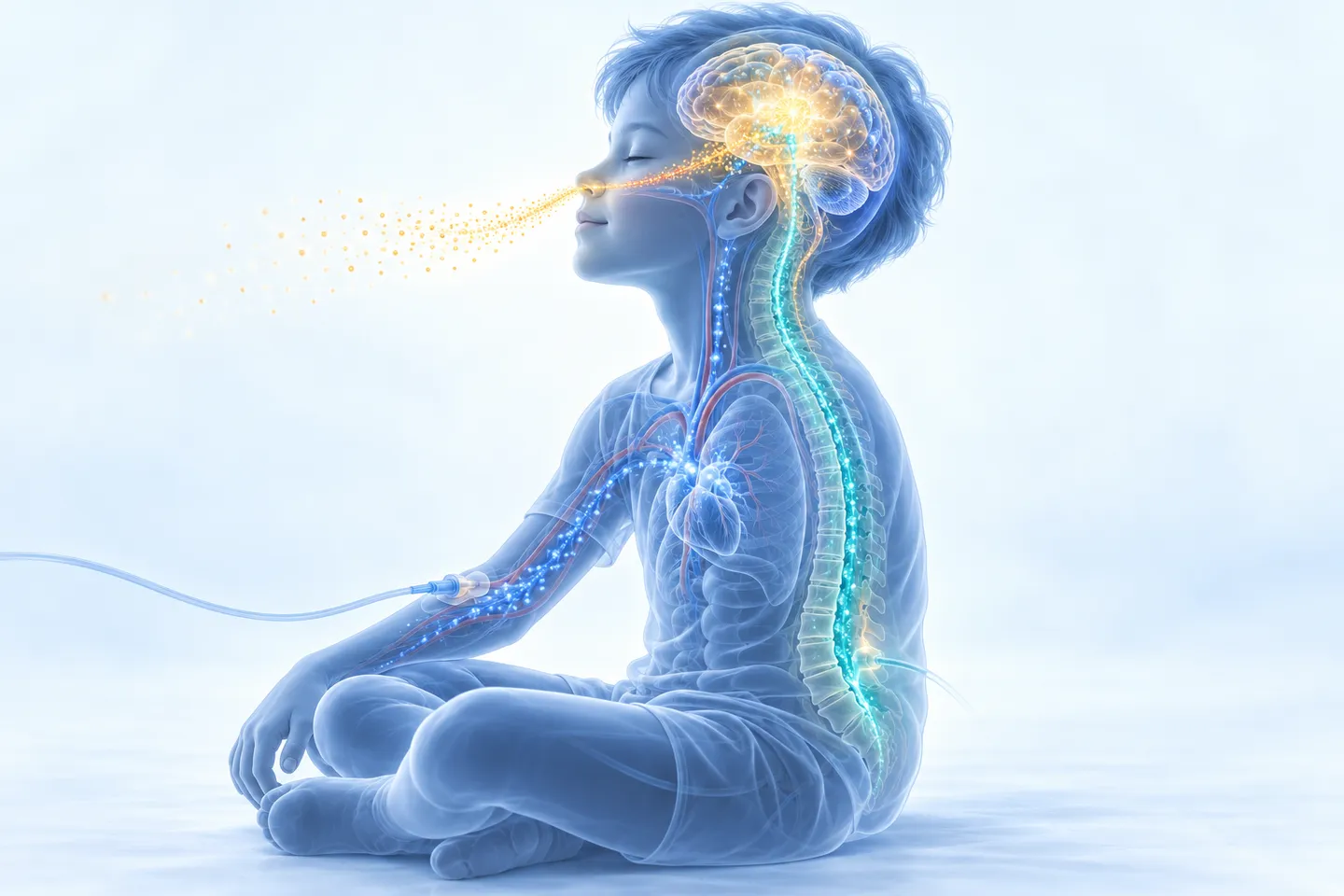
The brain is protected by the blood–brain barrier, which keeps most substances in the blood out of it. That is good for health, but it also means that cells given only into a vein mainly act on the body and the immune system. To reach both the body and the brain, we give stem cells and exosomes by four routes, all on the same day.
- Stem cells
1. Intrathecal infusion
Into the spinal fluid around the brain and spinal cord
Fresh stem cells are infused through a very fine needle in the lower back, into the cerebrospinal fluid, while your child is under light sedation. The fluid carries the cells towards the brain, so they bypass the blood–brain barrier. Intrathecal delivery is used in many published autism studies with positive results, including a 2025 randomised trial.511121314 Autism Stem Care has a step-by-step guide to intrathecal administration.
- Stem cells
2. IV infusion
Through the bloodstream to the immune system
Stem cells given into a vein circulate through the body, where they meet the immune system. In a double-blind trial, children with autism and signs of immune imbalance improved in social responsiveness after four IV infusions of cord blood cells, compared with placebo.6
- Exosomes
3. IV exosomes
Signals that travel with the cells
Exosomes carry the same anti-inflammatory signals as the stem cells, without living cells. Given through the same drip, they add these signals throughout the body. In autism models, MSC exosomes reduced inflammation and improved social behaviour.20
- Exosomes
4. Intranasal exosomes
The nose-to-brain pathway
At the top of the nose, the nerves of smell lead directly to the brain. In animal studies, cells and exosomes sprayed into the nose reached the brain along this pathway,21 and in mice with autism-like traits, labelled exosomes gathered in the affected brain regions for up to four days.22
| Route | What is given | Where it acts | What your child experiences |
|---|---|---|---|
| Intrathecal | Fresh Wharton’s jelly stem cells | Brain and spinal cord, through the spinal fluid | A short procedure under light sedation |
| Intravenous (IV) | Fresh Wharton’s jelly stem cells | Immune system and whole body | A drip, like a routine infusion |
| IV exosomes | Wharton’s jelly exosomes | Whole body | Given through the same drip |
| Intranasal | Wharton’s jelly exosomes | Brain, through the nose | A few painless sprays into the nose |
Why all four on one day?
One hospital day means one visit, one sedation and less travel for your child. Published work supports combining routes. In a Chinese study, children who received cord cells by IV and intrathecal routes, with umbilical cord stem cells added, improved most on CARS.4 In the Istanbul case, Wharton’s jelly stem cells were given intrathecally and by IV in every session.8 Exosome nasal sprays are given on the treatment day, and extra sprays can be added to your plan.
06
What the research shows: published studies of stem cell therapy for autism
Researchers measure progress in autism with rating scales. The most common is CARS (Childhood Autism Rating Scale): a lower score means milder autism features. The chart shows the two controlled studies closest to our protocol, both using intrathecal delivery.
Improvement in CARS autism score: with and without cell therapy
IV + intrathecal cord cells and umbilical cord stem cells, with rehabilitation, 24 weeks4
Intrathecal cells with education, 12 months, randomised5
Controlled studies
- China, 2013: 37 children. Both treated groups improved more than children who had rehabilitation alone on CARS, the Aberrant Behavior Checklist and clinicians’ global ratings at 24 weeks, with the largest gains in the group that also received umbilical cord stem cells.4
- Vietnam, 2025 (randomised): 50 children aged 3 to 7. After intrathecal cells with education, 48% fewer children were at the most severe level of autism, against 8% with education alone. CARS fell by 5.9 points against 1.5, and daily-living skills (Vineland) rose by 8.5 points against 1.4.5
- China, 2026 (double-blind, placebo-controlled): 34 children aged 3 to 8 with signs of immune imbalance. Four IV infusions of cord blood cells led to a greater improvement in social responsiveness (SRS-2) than placebo, especially in social understanding.6
- Russia, 2021: 25 children. After four IV infusions of cord blood cells, thinking skills and autism symptom scores (including ATEC) improved more than in the comparison group over 6 months.15
- Romania, 2025: children aged 3 to 7 improved more after their own cord blood than after individual supplements (23 of 28), including speech and social skills on ATEC.16
The 2022 meta-analysis
A meta-analysis pooled five controlled studies with 325 children. With stem cells, CARS scores fell by about 6 points more than in the comparison groups (−5.96), and the rate of side effects did not differ significantly from the comparison groups.7
Studies with umbilical cord stem cells
- Istanbul, 2025: a 4-year-old received six sessions of Wharton’s jelly stem cells, intrathecally and by IV, with rehabilitation. CARS fell from 37 to 31, with clear gains in language and gross motor skills, and no serious side effects over 2 years.8
- Duke University, USA, 2020: 12 children aged 4 to 9 received IV umbilical cord tissue stem cells; 6 of the 12 improved on at least two autism measures.9
- Duke University, 2017: 25 young children improved in social communication, vocabulary and attention to social scenes after an infusion of their own cord blood, mostly within the first 6 months.10
Studies with intrathecal cell therapy
- Vietnam, 2021: 30 children with severe autism. Over 18 months, CARS fell from a median of 50 to 46.5 and Vineland scores rose from 53.5 to 60.5, with better social communication, language and daily skills and less hyperactivity.11
- India, 2013, 2020 and 2026: intrathecal cells with rehabilitation in 32, 254 and 1,011 patients. Scores on the autism scales ISAA and CARS improved significantly, with better results in younger patients and after more than one dose, and PET scans showed improved brain metabolism.121314
Exosomes: from the laboratory to the first families
Exosome therapy is the newest part of our protocol. In mice with autism-like traits, nasal exosomes from stem cells improved social behaviour, increased vocal communication and reduced repetitive behaviours in several studies, and a recent review of these studies confirmed the pattern.18192031 The first published human case describes a boy with severe autism treated with IV stem cells, with nasal exosomes added in later courses: his autism symptoms, social skills and emotional expression improved steadily.17 A clinical study of umbilical cord stem cell exosomes in children aged 3 to 7 is now recruiting in China.32
| Study | Cells and route | Patients | What improved |
|---|---|---|---|
| Lv 2013 4 | Cord blood cells + umbilical cord MSCs, IV + intrathecal | 37, controlled | CARS, behaviour (ABC), global ratings (CGI) |
| Nguyen 2025 5 | Own bone-marrow cells, intrathecal | 50, randomised | CARS −5.9 vs −1.5; Vineland +8.5 vs +1.4 |
| Zhang 2026 6 | Cord blood cells, IV ×4 | 34, double-blind | Social responsiveness (SRS-2) vs placebo |
| Smirnov 2021 15 | Cord blood cells, IV ×4 | 25, controlled | Thinking skills, ATEC |
| Stancioiu 2025 16 | Own cord blood, IV | 28 analysed, crossover | ATEC, including speech and social skills |
| Kabatas 2025, Istanbul 8 | Wharton’s jelly MSCs, intrathecal + IV | 1, case report | CARS 37 → 31; language and motor skills |
| Sun 2020, Duke 9 | Umbilical cord tissue MSCs, IV | 12, open | 6 of 12 improved on 2+ autism measures |
| Dawson 2017, Duke 10 | Own cord blood, IV | 25, open | Social communication, vocabulary |
| Nguyen Thanh 2021 11 | Own bone-marrow cells, intrathecal | 30, open | CARS 50 → 46.5; Vineland 53.5 → 60.5 |
| Sharma 2026 14 | Own bone-marrow cells, intrathecal | 1,011, observational | ISAA and CARS; brain metabolism on PET |
| Gesundheit 2025 17 | Cord and placenta MSCs, IV; nasal exosomes added | 1, case report | Autism symptoms, social skills, emotional expression |
Every child responds in their own way, and studies use different scales, cells and doses. That is why we assess each child individually and agree goals with you before treatment.
07
Results families look for, and how progress is measured
The changes parents look for most are in communication and speech, eye contact and interest in others, behaviour and attention, sleep and daily skills. In studies, these were measured with the scales below, from about 3 months after treatment, with results reported at 6 to 12 months.51011
- CARS
- Childhood Autism Rating Scale, scored by a clinician. Lower is better.
- ATEC
- Autism Treatment Evaluation Checklist, filled in by parents: speech, sociability, senses and health. Lower is better.
- Vineland
- Daily-living, communication and social skills. Higher is better.
- SRS-2
- Social Responsiveness Scale. Lower is better.
- CGI
- Clinical Global Impression: the doctor’s overall rating of severity and change.
- ABC
- Aberrant Behavior Checklist: irritability, hyperactivity and other behaviours.
We review your child’s progress with you at about 1, 3, 6 and 12 months. Many families find it helpful to fill in the free ATEC checklist before treatment and again at each review, so changes are easy to see.
08
Is stem cell therapy for autism safe?
Your child’s safety guides every step. Before treatment, our medical team reviews your child’s history and assesses them in person. The intrathecal infusion is performed by experienced specialists under the supervision of Dr. Cihan Bolat, with light sedation so your child stays calm and comfortable, and your child is cared for in hospital throughout the treatment day. Families stay at least 3 nights in Istanbul, so our team can see your child before and after treatment.
The published safety record is reassuring:
- A review of 39 studies of intrathecal mesenchymal stem cells in neurological conditions found no serious side effects from the procedure.24
- In the 2022 autism meta-analysis, the rate of side effects with stem cells did not differ significantly from the comparison groups.7
- A review of 361 people treated with donor cord blood cells for neurological conditions, including autism, found no serious side effects linked to the infusion.25
- Across more than 50 randomised trials of MSCs in many conditions, the most common side effect was a short-lived fever.26
- Nasal stem cell treatment was well tolerated even in newborn babies, in a first study in the Netherlands.23
In autism studies, the effects children had most often were a low fever, a mild headache or some back discomfort after the intrathecal procedure, which settled on their own or with simple medicine.45
09
What is the best age for stem cell therapy for autism?
- From age 2Treatment can startThe brain is developing fastest
- 2 to 12Best resultsWe see the strongest effects in children under 13
- 13 and olderAlso treatedTeenagers and adults, after a personal assessment
We treat children from the age of 2, while the brain is still developing quickly, and we see the best effects in children under 13. Published studies point the same way: in India, results were better in younger patients and in those treated sooner after diagnosis, and in Romania, children aged 3 to 7 improved most.131416 We also treat teenagers and adults: the largest study included patients up to the age of 31.14
10
Your child’s treatment in Istanbul, step by step
- Before you travelFree case reviewRecords reviewed; written plan and fixed price
- ArrivalAirport to hotelTransfer and hotel included
- Treatment dayOne day in hospitalIntrathecal + IV stem cells; IV + nasal exosomes
- Before you flyCheck and homeAt least 3 nights in Istanbul in total
- 1, 3, 6, 12 monthsFollow-upProgress reviewed with you
Free case review (online)
Send us your child’s reports and tell us about their development, therapies and your goals. Our medical team tells you what treatment could offer your child.
Your plan and travel
You receive a written plan with the dose for your child’s weight, the dates and the total price. We arrange your hotel and all ground transport, from the airport onwards.
Treatment day in hospital
Your child is assessed and then treated in one day: fresh Wharton’s jelly stem cells by intrathecal infusion under light sedation and by IV, Wharton’s jelly exosomes through the same drip, and exosome nasal sprays. Dr. Cihan Bolat supervises the day.
Rest and check
You stay at least 3 nights in Istanbul, so our team can see your child again before you fly home.
At home
Your child continues their usual therapies. We review progress with you at about 1, 3, 6 and 12 months.
Read more about the treatment process step by step.
11
How much does stem cell therapy for autism cost?
EUR 8,000–15,000 per complete treatment, hotel and ground transport included
The price depends mainly on your child’s weight, which sets the number of stem cells (1–2 million per kilogram), and on the amount of exosomes in the plan. The number of hotel nights depends on the package. Your plan states the total in writing before you travel, so you can travel without worrying about the details.
Included
- Free medical case review and consultation
- Fresh Wharton’s jelly stem cells and exosomes
- Treatment day in hospital, with light sedation
- All four routes: intrathecal, IV and nasal
- Hotel stay (nights depend on the package)
- Airport and daily transfers
- Follow-up reviews
Not included
- Flights
Optional
- Extra exosome nasal sprays: USD 1,000 each, 5 billion Wharton’s jelly exosomes per spray
How our price compares
| Where | Advertised price | Usually included |
|---|---|---|
| United States | Mainly within clinical studies | Treatment within a study |
| Mexico | About USD 5,000–10,500 | Treatment only |
| Thailand | About USD 4,300–9,000 | Treatment only |
| Serbia | About EUR 7,000–19,000 | Treatment only |
| Other Istanbul hospitals | From about USD 7,500 per session to over USD 20,000 for several doses | Treatment only |
| Istanbul Stemcell | EUR 8,000–15,000 | Four routes in one day, hotel, airport and daily transfers, follow-up |
Prices published by clinics and medical-travel websites, checked in October 2026. Most do not include hotel or transfers. Read about personalised autism treatment planning in Turkey.
12
Why Istanbul has become one of the best places for autism stem cell therapy
Experience at scale
Turkey welcomed 1,398,580 international health tourists in 2025, bringing in USD 3.02 billion, and 302,487 more in the first quarter of 2026.30 Hospitals in Istanbul are used to caring for families from abroad.
Advanced treatment, available now
Fresh Wharton’s jelly stem cells and exosomes from a Ministry of Health-approved, GMP-certified laboratory, given by four routes in one hospital day.
Affordable and all-inclusive
Hospital, staff and living costs are lower than in Western Europe or the US. Our price of EUR 8,000–15,000 includes your hotel and all ground transport.
Easy to reach
Istanbul’s airports have direct flights from most cities in Europe, the Middle East and beyond, about 3 to 4 hours from most European capitals. Many nationalities can enter visa-free or with a quick e-Visa.
Istanbul is also a city families enjoy. Between treatment and check-up there is time for a calm walk along the Bosphorus. Learn why patients choose Turkey for stem cell therapy, or read about stem cell therapy for autism in Istanbul.
13
A new kind of clinic: centres that specialise only in autism
As more families look for cell therapy for their children, clinics have started to specialise only in stem cell-based autism treatment. A specialised clinic sees children with autism every day, so the routines, the communication and the whole treatment day are built around what autistic children and their parents need.
Our partner clinic
Autism Stem Care is our partner clinic in Istanbul, dedicated exclusively to stem cell-based autism treatment for children. It works with the same medical director, Dr. Cihan Bolat, uses the same combination of Wharton’s jelly stem cells and exosomes by intrathecal, IV and intranasal routes, and has the same prices as we do. Families can contact either clinic.
14
How to choose a stem cell clinic for autism
These are the questions families ask us most, with our answers. Ask every clinic you consider the same questions.
| Question | Our answer |
|---|---|
| Which cells, and are they fresh? | Wharton’s jelly stem cells from screened donated cords, fresh and never frozen, with Wharton’s jelly exosomes |
| Is the laboratory licensed? | Approved by the Turkish Ministry of Health and GMP-certified |
| Which routes, and who performs them? | Intrathecal and IV stem cells, IV and nasal exosomes; intrathecal infusion by experienced specialists under light sedation, supervised by Dr. Cihan Bolat |
| What dose will my child receive? | 1–2 million cells per kilogram of body weight, stated in your written plan |
| Is the price fixed, and what does it include? | EUR 8,000–15,000 in writing, including hotel, airport and daily transfers and follow-up; flights not included |
| What happens after we go home? | Follow-up reviews at about 1, 3, 6 and 12 months |
15
Frequently asked questions
Can stem cell therapy cure autism?
Stem cell therapy is not a cure for autism, and no clinic should promise one. Autism is a lifelong way of developing. What stem cell and exosome therapy aims for is calmer inflammation and better support for the developing brain, so a child can make more progress in communication, behaviour and everyday skills. In published studies, children improved on autism rating scales such as CARS after treatment, alongside their usual therapies.
Does stem cell therapy really work for autism?
Published studies report improvements after stem cell therapy. In a 2025 randomised trial, children who received intrathecal cells alongside education improved more on the CARS autism scale (5.9 points against 1.5) and on daily-living skills than children who had education alone. A 2022 meta-analysis of controlled studies found that CARS scores fell by about 6 points more with stem cells than without. Every child responds in their own way, which is why we assess each child first.
What is the success rate of stem cell therapy for autism?
There is no single success rate, because studies measure progress with different scales. In a Duke University study of umbilical cord tissue stem cells, 6 of 12 children improved on at least two autism measures. In the largest observational study, 1,011 patients treated in India with intrathecal cells and rehabilitation, 90.6% showed improvement on autism rating scales, and results were better after more than one dose and in younger patients.
How much does stem cell therapy for autism cost in Turkey?
With us, a complete treatment costs EUR 8,000–15,000. The package includes the medical consultation, the stem cells and exosomes, the treatment day in hospital, your hotel stay, airport and daily transfers, and follow-up reviews. Flights are not included. The price depends on your child's weight, which sets the cell dose, and on the amount of exosomes in the plan; the number of hotel nights depends on the package. Extra exosome nasal sprays cost USD 1,000 each, with 5 billion Wharton's jelly exosomes per spray.
Why is stem cell therapy cheaper in Istanbul than in the US or UK?
Prices in Istanbul are lower mainly because hospital, staff and living costs in Turkey are lower, not because of lower standards. Turkey also has a large health-tourism sector, with about 1.4 million international patients in 2025, so hospitals are used to looking after families from abroad. Our cells are prepared in a laboratory licensed by the Turkish Ministry of Health and certified to GMP standards.
Which country is best for stem cell therapy for autism?
Families usually compare the cell type, the routes offered, the experience of the medical team, the total price and the journey. In the United States and the European Union, stem cell therapy for autism is offered mainly within clinical studies. In Istanbul we give fresh Wharton's jelly stem cells and exosomes by four routes in one hospital day, at EUR 8,000–15,000 including hotel and transfers, a short flight from most of Europe and the Middle East.
Is intrathecal stem cell injection safe for children?
Intrathecal infusion uses a very fine needle in the lower back, the same route as a routine lumbar puncture. Your child receives light sedation, so they stay calm and comfortable, and the procedure is performed by experienced specialists under the supervision of Dr. Cihan Bolat. A review of 39 studies of intrathecal mesenchymal stem cells in neurological conditions found no serious side effects from the procedure. In autism studies the most common effects were a mild headache, back discomfort or a low fever, which settled on their own or with simple medicine.
What is the difference between stem cell therapy and exosome therapy for autism?
Stem cells are living cells that release signals which calm inflammation and support repair. Exosomes are those signals: tiny packages released by the cells, carrying proteins and genetic messages, with no living cells inside. Because exosomes are so small, they can be given as a nasal spray that uses the nose-to-brain pathway. That is why we combine both.
How do intranasal exosomes reach the brain?
At the top of the nose, the nerves of smell lead directly to the brain. In animal studies, cells and exosomes sprayed into the nose travelled along these pathways into the brain, and in mice with autism-like traits, labelled exosomes gathered in the affected brain regions and stayed there for up to four days.
What is the best age for stem cell therapy for autism?
We treat children from the age of 2, while the brain is still developing quickly, and we see the best results in children under 13. Published studies point the same way: several reported larger improvements in younger children. We also treat teenagers and adults.
Can adults with autism have stem cell therapy?
Yes. We see the best results in children under 13, but we also treat teenagers and adults after a personal assessment. Published studies have included older patients too: the largest study treated patients aged 3 to 31.
How many sessions of stem cell therapy does a child with autism need?
Our protocol gives all four routes in a single hospital day: intrathecal and IV stem cells, IV exosomes and intranasal exosomes. Extra exosome nasal sprays can be added to the plan. Whether a later treatment would help is something we discuss with you at follow-up, based on your child's progress.
How long does it take to see results after stem cell therapy for autism?
In studies, progress was measured from about 3 months after treatment, with results reported at 6 to 12 months. In the Duke University study of cord blood, most of the gains came within the first 6 months. We review your child's progress with you at about 1, 3, 6 and 12 months.
Is stem cell therapy for autism FDA approved?
No stem cell product is approved by the FDA or the European Medicines Agency for autism, and in the US and Europe treatment is offered mainly within clinical studies. In Istanbul, families can receive treatment now: we use cells from a laboratory licensed by the Turkish Ministry of Health and certified to GMP standards, given in hospital by experienced specialists.
Should my child continue ABA and speech therapy after treatment?
Yes. Stem cell therapy is given alongside your child's therapies, not instead of them. In the studies described on this page, children continued rehabilitation, education or behavioural therapy together with the cells.
How long do we need to stay in Istanbul?
The treatment itself takes one day in hospital. For your child's safety, families stay at least 3 nights in Istanbul, so our team can see your child before and after treatment. Your hotel and all ground transport are included in the package.
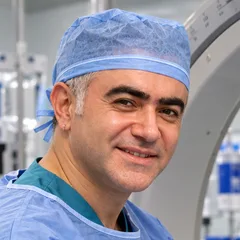
Medical review
Uzm. Dr. Cihan Bolat
Medical Director, Istanbul Stemcell
This article was written from the published studies listed below and reviewed for medical accuracy on . It is for information and does not replace advice from your child’s own doctor.
16
References
- Shaw KA, et al. Prevalence and Early Identification of Autism Spectrum Disorder Among Children Aged 4 and 8 Years - Autism and Developmental Disabilities Monitoring Network, 16 Sites, United States, 2022. MMWR Surveill Summ. 2025;74(2):1-22. PMID 40232988
- World Health Organization. Autism: fact sheet. 17 September 2025. Source
- Vargas DL, et al. Neuroglial activation and neuroinflammation in the brain of patients with autism. Ann Neurol. 2005;57(1):67-81. PMID 15546155
- Lv YT, et al. Transplantation of human cord blood mononuclear cells and umbilical cord-derived mesenchymal stem cells in autism. J Transl Med. 2013;11:196. PMID 23978163
- Nguyen LT, et al. Outcomes of autologous bone marrow mononuclear cell administration combined with educational intervention in the treatment of autism spectrum disorder: a randomized, open-label, controlled phase II clinical trial. Stem Cell Res Ther. 2025;16(1):268. PMID 40442857
- Zhang Z, et al. Efficacy and safety of allogeneic umbilical cord blood mononuclear cells therapy in children with autism spectrum disorder and immune dysregulation: a single-center, double-blinded, randomized, placebo-controlled trial. Stem Cell Res Ther. 2026;17(1). PMID 42321872
- Qu J, et al. Efficacy and Safety of Stem Cell Therapy in Children With Autism Spectrum Disorders: A Systematic Review and Meta-Analysis. Front Pediatr. 2022;10:897398. PMID 35601435
- Kabatas S, et al. Advances in the treatment of autism spectrum disorder: Wharton jelly mesenchymal stem cell transplantation. World J Methodol. 2025;15(1):95857. PMID 40115399
- Sun JM, et al. Infusion of human umbilical cord tissue mesenchymal stromal cells in children with autism spectrum disorder. Stem Cells Transl Med. 2020;9(10):1137-1146. PMID 32531111
- Dawson G, et al. Autologous Cord Blood Infusions Are Safe and Feasible in Young Children with Autism Spectrum Disorder: Results of a Single-Center Phase I Open-Label Trial. Stem Cells Transl Med. 2017;6(5):1332-1339. PMID 28378499
- Nguyen Thanh L, et al. Outcomes of bone marrow mononuclear cell transplantation combined with interventional education for autism spectrum disorder. Stem Cells Transl Med. 2021;10(1):14-26. PMID 32902182
- Sharma A, et al. Autologous bone marrow mononuclear cell therapy for autism: an open label proof of concept study. Stem Cells Int. 2013;2013:623875. PMID 24062774
- Sharma AK, et al. Cell transplantation as a novel therapeutic strategy for autism spectrum disorders: a clinical study. Am J Stem Cells. 2020;9(5):89-100. PMID 33489466
- Sharma A, et al. Autologous bone marrow mononuclear cell administration in a large cohort of 1,011 patients with autism spectrum disorder: a retrospective observational study. Clin Transplant Res. 2026;40(1):116-128. PMID 41407289
- Smirnov VN, et al. [Allogeneic umbilical cord blood cell therapy for children with autism: safety and efficacy of the method]. Zh Nevrol Psikhiatr Im S S Korsakova. 2021;121(11. Vyp. 2):31-37. PMID 35038844
- Stancioiu FA, et al. Autologous cord blood vs individualized supplements in autistic spectrum disorder: CORDUS study results. World J Clin Pediatr. 2025;14(1):96643. PMID 40059901
- Gesundheit B, et al. Mesenchymal Stromal Cell Treatment Alleviates Autism Spectrum Disorder Symptoms: A Case Report. Cureus. 2025;17(5):e83440. PMID 40462775
- Perets N, et al. Intranasal administration of exosomes derived from mesenchymal stem cells ameliorates autistic-like behaviors of BTBR mice. Mol Autism. 2018;9:57. PMID 30479733
- Perets N, et al. Exosomes derived from mesenchymal stem cells improved core symptoms of genetically modified mouse model of autism Shank3B. Mol Autism. 2020;11(1):65. PMID 32807217
- Mohtashami T, et al. Therapeutic potential of mesenchymal stem cell-derived extracellular vesicles as a cell-free approach in autism spectrum disorder: A systematic review and meta-analysis of preclinical studies. Behav Brain Res. 2027;516:116478. PMID 42759891
- Danielyan L, et al. Intranasal delivery of cells to the brain. Eur J Cell Biol. 2009;88(6):315-24. PMID 19324456
- Perets N, et al. Golden Exosomes Selectively Target Brain Pathologies in Neurodegenerative and Neurodevelopmental Disorders. Nano Lett. 2019;19(6):3422-3431. PMID 30761901
- Baak LM, et al. Feasibility and safety of intranasally administered mesenchymal stromal cells after perinatal arterial ischaemic stroke in the Netherlands (PASSIoN): a first-in-human, open-label intervention study. Lancet Neurol. 2022;21(6):528-536. PMID 35568047
- Barmada A, et al. Serious Adverse Events Have Not Been Reported with Spinal Intrathecal Injection of Mesenchymal Stem Cells: A Systematic Review. Curr Stem Cell Res Ther. 2023;18(6):829-833. PMID 35980065
- Paton MCB, et al. Safety of allogeneic umbilical cord blood infusions for the treatment of neurological conditions: a systematic review of clinical studies. Cytotherapy. 2022;24(1):2-9. PMID 34384698
- Wang Y, Yi H, Song Y. The safety of MSC therapy over the past 15 years: a meta-analysis. Stem Cell Res Ther. 2021;12(1):545. PMID 34663461
- Moll G, et al. Do cryopreserved mesenchymal stromal cells display impaired immunomodulatory and therapeutic properties? Stem Cells. 2014;32(9):2430-42. PMID 24805247
- Weiss ML, et al. Immune properties of human umbilical cord Wharton's jelly-derived cells. Stem Cells. 2008;26(11):2865-74. PMID 18703664
- Christodoulou I, et al. Comparative Evaluation of Human Mesenchymal Stem Cells of Fetal (Wharton's Jelly) and Adult (Adipose Tissue) Origin during Prolonged In Vitro Expansion: Considerations for Cytotherapy. Stem Cells Int. 2013;2013:246134. PMID 23533440
- Daily Sabah. Türkiye's Q1 health tourism revenue hits $761.5M as demand grows (figures from the Service Exporters' Association, HIB). 15 July 2026. Source
- Liang Y, et al. Mesenchymal Stem Cell-Derived Exosomes for Treatment of Autism Spectrum Disorder. ACS Appl Bio Mater. 2020;3(9):6384-6393. PMID 35021769
- ClinicalTrials.gov NCT07243561. Prospective clinical study on human umbilical cord mesenchymal stem cell-derived exosomes for the treatment of childhood autism (EXO-ASD). Dongfang People's Hospital, Hainan, China; recruiting, ages 3–7. Source