
01
What are the new Alzheimer’s treatments in 2026?
There is more reason for hope than ever. In 2025, 138 medicines were being tested in 182 Alzheimer’s trials,9 two antibody medicines have slowed decline in large trials,27 and the first placebo-controlled stem cell trials report slower brain shrinkage and better everyday function.310
If someone you love has been diagnosed with Alzheimer’s disease, or you have noticed changes in their memory, you probably want two things: a clear picture of what really helps, and a sense of what is coming next. This guide brings both together in plain language, for patients and for the families who stand beside them.
The picture in 2026 has four layers that work together. First, everyday brain care: movement, mental stimulation, good sleep, and healthy hearing, eyesight and blood vessels. Second, the established memory medicines, which ease symptoms for many people. Third, the newer antibody medicines, which help the brain clear amyloid in early Alzheimer’s. And fourth, regenerative medicine: mesenchymal stem cells (MSCs), the especially hardy Muse cells and their exosomes, which aim to calm inflammation in the brain and support nerve cells, blood vessels and the connections between them.1112
Stem cell therapy does not replace the care your loved one already receives; it is designed to complement it. For our full treatment page, see stem cell therapy for Alzheimer’s disease in Istanbul.
Results at a glance
- 48.4%slower loss of whole-brain volume with donor stem cell infusions than with placebo, at 39 weeks3
- 61.9%slower shrinkage of the left hippocampus, the brain’s memory centre, in the same trial3
- −3.98points on the ADAS-cog memory and thinking scale by week 36 with nasal exosomes (lower is better)4
- 182 trialstesting 138 Alzheimer’s medicines in 20259
02
What happens in the brain in Alzheimer’s disease?
Knowing what changes in the brain helps you make sense of each treatment, and of why researchers are so interested in stem cells. Alzheimer’s is not one single process. Several changes build up together over many years, often long before the first signs of forgetfulness.
Amyloid and tau
Sticky amyloid proteins gather between nerve cells, and tau proteins form tangles inside them. Amyloid is the target of the antibody medicines.27
Inflammation
The brain’s immune cells, the microglia, react to these proteins by releasing inflammatory signals, which contribute to how quickly the disease progresses.12
Blood vessels
In an analysis of more than 7,700 brain scans, changes in the brain’s blood vessels and blood flow appeared among the earliest events in late-onset Alzheimer’s.13
Connections between nerve cells
In a classic brain study, the loss of synapses, the contact points between nerve cells, was the closest physical match to problems with memory and thinking.14
This is where each treatment fits. Medicines such as donepezil help the remaining nerve cells pass their messages; antibody medicines clear amyloid; and stem cells and exosomes aim to work on inflammation, blood vessels and connections at the same time. That breadth is one reason stem cells are studied in many brain conditions, from Alzheimer’s to Parkinson’s disease and recovery after a stroke.
03
Can dementia be reversed?
It is one of the first questions families search for, and it deserves a warm and honest answer.
Start with a full check-up. Memory problems are not always caused by Alzheimer’s. Low vitamin B12, an underactive thyroid, depression, poor sleep, hearing loss and the side effects of some medicines can all affect memory and concentration, and memory often improves once they are treated. That is why a careful medical review is always the first step.
With Alzheimer’s, the goal is to protect what your loved one has. Today’s treatments aim to slow the disease, keep memory and independence for longer and help your loved one live well. Many families find that the right mix of medicines, activity, routine and support makes a real difference to everyday life, for the person with dementia and for everyone around them.
Research is moving quickly. In a placebo-controlled stem cell trial, the left hippocampus shrank 61.9% more slowly than with placebo.3 In an earlier trial, memory test (MMSE) scores in the placebo group had fallen by 2.99 points after 13 weeks, while those of the low-dose stem cell group held steady.10 Results like these are why so many families now ask about regenerative medicine.
04
How to slow down dementia: everyday steps that help memory
Some of the most powerful tools are also the simplest, and you can start them at home this week. They support every other treatment, including stem cell therapy.
The 2024 Lancet Commission found that nearly half of all dementia cases worldwide are linked with 14 risk factors that can be changed, among them hearing loss, high blood pressure, high LDL cholesterol, untreated vision loss, physical inactivity, smoking and social isolation.15 In a two-year randomised trial of 1,260 older adults at higher risk, a combined programme of healthy eating, exercise, brain training and checks on heart health helped improve or maintain thinking skills.16
What helps memory in Alzheimer’s
Move every day
Across 13 randomised trials with 813 people with Alzheimer’s, physical activity raised MMSE memory test scores by 1.79 points, and more than three sessions a week raised them by 3.03 points.5
Keep the mind busy and sociable
Group activities such as word games, music, reminiscence and discussion are known as cognitive stimulation. A review of 37 trials with 2,766 people found benefits for thinking, MMSE scores 1.99 points higher and better communication and social interaction.6
Protect hearing and eyesight
Hearing loss and untreated vision loss are both on the Commission’s list, so hearing aids, glasses and cataract care are well worth checking.15
Look after the heart
Blood pressure, cholesterol, blood sugar and weight all affect the brain’s blood vessels, so keeping them in a healthy range is good for the brain too.15
Sleep and a steady routine
A calm daily rhythm of meals, daylight and sleep helps orientation and mood. Simple aids such as a large calendar, a pill organiser and labelled cupboards make everyday life easier.
Support for you, too
Caring for someone with dementia is demanding. Respite care, carers’ groups and practical help protect your own health, which in turn helps your loved one.
These steps fit naturally around regenerative treatment. Stem cells and exosomes aim to support the biology of the brain, while activity and stimulation give it the daily exercise it needs. Our guide to healthy ageing with stem cells explains how they support the ageing body as a whole.
05
Alzheimer’s medicines in 2026: from donepezil to the new antibody medicines
Medicines remain a cornerstone of Alzheimer’s care, and your loved one’s neurologist or memory clinic advises on what suits them. Stem cell therapy is planned alongside these medicines, never instead of them.
Memory medicines: donepezil, rivastigmine, galantamine and memantine
Donepezil, rivastigmine and galantamine boost acetylcholine, a messenger nerve cells use for memory and attention. In a review of 30 trials with 8,257 people, donepezil improved ADAS-Cog memory and thinking scores by 2.67 points and MMSE scores by 1.05 points after 24 to 26 weeks, with small benefits in daily activities too.1 For moderate to severe Alzheimer’s, memantine adds a small, consistent benefit for thinking, daily activities, behaviour and mood, and overall clinical rating, shown in up to 14 studies with around 3,700 people.17
The antibody medicines: lecanemab and donanemab
The newest medicines are antibodies that bind to amyloid and help the brain clear it. They are given as regular infusions to people in the early stage of Alzheimer’s, with mild cognitive impairment or mild dementia and amyloid confirmed on a PET scan or a spinal fluid test, and MRI scans are used to monitor treatment.
- Lecanemab (the Clarity AD trial). In 1,795 people with early Alzheimer’s, scores on the Clinical Dementia Rating scale (CDR-SB, where a rise means decline) rose by 1.21 points over 18 months with lecanemab, against 1.66 with placebo. Brain amyloid fell by 59.1 centiloids more than with placebo, and memory, thinking and daily-activity scores also favoured lecanemab.2
- Donanemab (the TRAILBLAZER-ALZ 2 trial). In 1,736 people with early symptomatic Alzheimer’s, CDR-SB scores rose by 1.20 points over 76 weeks with donanemab, against 1.88 with placebo, in those with low or medium levels of tau; across all participants, the figures were 1.72 and 2.42.7
The trial authors described moderately less decline in cognition and function with lecanemab,2 and significantly slower clinical progression with donanemab.7 For families, the message is encouraging: the course of Alzheimer’s can be influenced. The antibodies act on amyloid, while stem cells and exosomes are studied for the inflammation, blood vessel and nerve cell changes that accompany it, so the two approaches work on different parts of the picture.
What else is coming
The research pipeline has never been fuller. In 2025, 138 medicines were being tested in 182 Alzheimer’s trials, aimed at 15 different disease processes, and about a third of them were medicines already used for other conditions.9 Cell-based treatments are part of this wave, and stem cell and exosome therapy is something you can already plan with us in Istanbul.
06
Stem cell therapy for Alzheimer’s: where stem cells and exosomes fit
Mesenchymal stem cells are the body’s repair coordinators. Rather than turning into new brain cells, they work mainly through the signals they release: growth factors, immune-balancing messengers and exosomes that help the body’s own cells protect and repair tissue.11 Umbilical cord MSCs are especially rich in signals linked with protecting nerve cells, forming new nerve cells and growing new blood vessels.18
Exosomes are tiny packages, around a ten-thousandth of a millimetre across, that cells use to pass proteins and RNA to one another.19 They carry much of a stem cell’s message in concentrated form, which is why they are studied on their own as well as alongside stem cells.
Within the MSC family sits a small group of especially hardy repair cells, Muse cells, which travel to damaged tissue and, in research models, can turn into new tissue cells.20 You can read about them, and about what they could add to your loved one’s plan, further down this page.
In Alzheimer’s, this combination aims to do something no single medicine does: calm inflammation in the brain while supporting nerve cells, the blood vessels that feed them and the connections between them. It sits alongside your loved one’s medicines and daily brain care. Read more about stem cell therapy and exosome therapy at our clinic in Istanbul.
How stem cell therapy works in Alzheimer’s
- Fresh stem cells and exosomesStem cells by IV and intrathecal routes, exosomes by IV and nasal spray.
- Repair signalsGrowth factors, immune-balancing messengers and exosomes.1119
- A calmer, better-protected brainLess inflammation and protected nerve cells and synapses in research models.2122
- Results in trialsSlower brain shrinkage and better everyday function than with placebo.310
07
How MSCs and exosomes aim to protect the brain in Alzheimer’s
Laboratory and animal research shows how stem cells and their exosomes could support the brain in Alzheimer’s. These findings come from research models, and they help explain the results now being reported in people.
How stem cells and exosomes aim to protect the brain
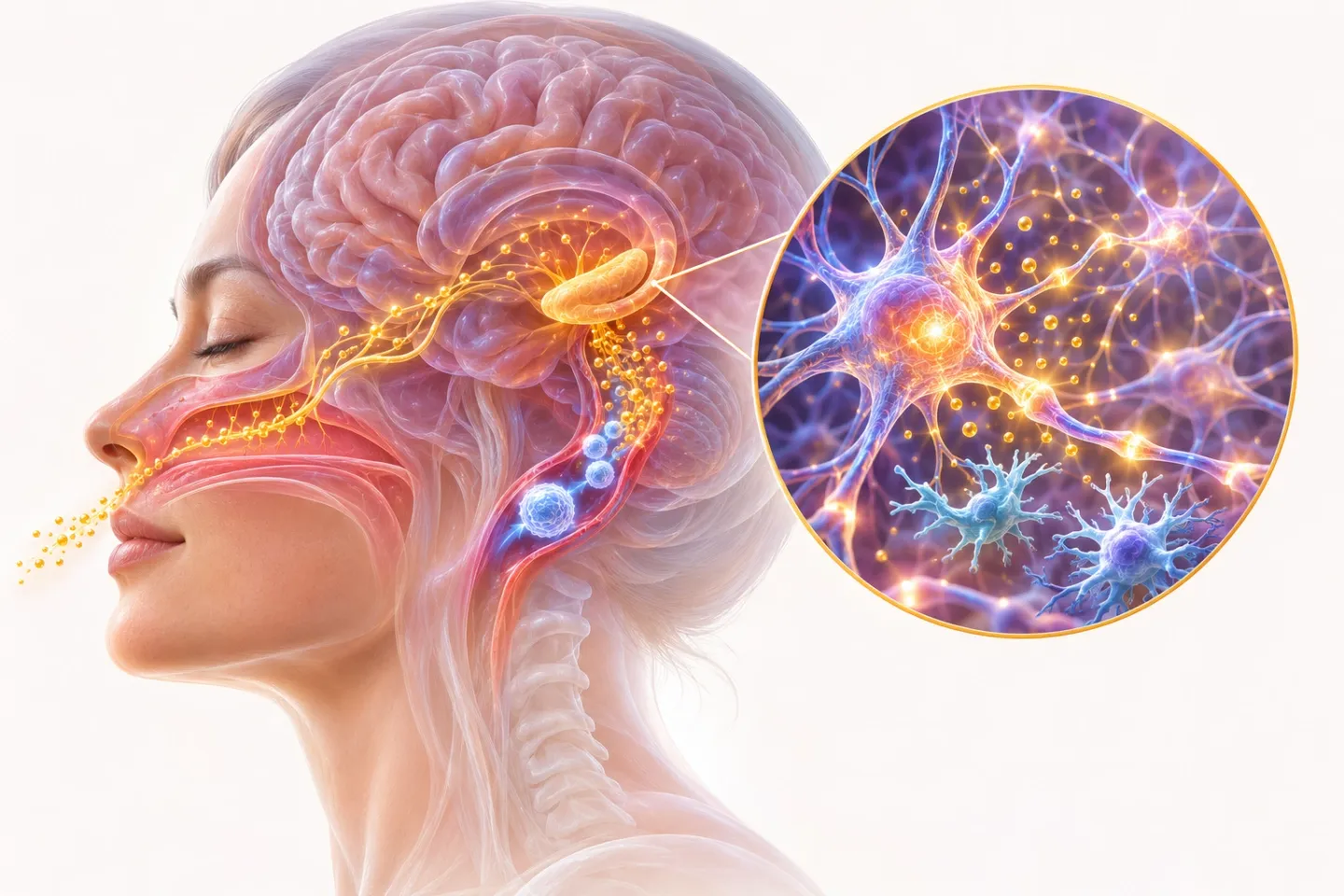
- Nasal exosomesGiven as a gentle nasal spray, exosomes are designed to reach the brain along the smell nerve pathway.
- HippocampusThe brain’s memory centre, one of the first areas affected in Alzheimer’s.
- Stem cellsGiven by IV and intrathecally, they release protective, anti-inflammatory signals.
- Nerve cells and connectionsThese signals aim to support nerve cells and the connections (synapses) that carry memories.
- MicrogliaThe brain’s immune cells. Calming their inflammation is a key aim of treatment.
Calming inflammation
In research models of Alzheimer’s, Wharton’s jelly stem cells given into a vein raised the calming signal IL-10 and lowered the inflammatory signals IL-1β and TNF-α.21 In people, an MRI measure of brain inflammation improved with stem cell infusions compared with placebo.3
Settling the brain’s immune cells
In research models, exosomes from umbilical cord MSCs shifted the microglia towards a calmer, protective state and helped clear amyloid from the brain.23
Protecting nerve cells
In laboratory studies, vesicles from Wharton’s jelly MSCs protected nerve cells from the hippocampus against the oxidative stress and synapse damage caused by toxic clumps of amyloid.22
New nerve cells and connections
In research models, umbilical cord blood MSCs encouraged new nerve cells to form in the hippocampus and raised synapse markers, through a growth factor called GDF-15.24
Supporting blood vessels
Umbilical cord MSCs release signals that support new blood vessels,18 and in the phase 2a trial, the researchers described a blood marker pattern consistent with a protective, anti-inflammatory effect on blood vessels.3
Memory in research models
Alzheimer’s model mice treated with Wharton’s jelly stem cells by IV did better on spatial learning and memory tests and had less amyloid in the brain.21
Each of these effects matches one of the brain changes described above, which is why our doctors plan stem cells and exosomes as part of a wider approach, as set out on our Alzheimer’s treatment page.
08
Does stem cell therapy work for Alzheimer’s? What human trials report
Human trials of stem cell therapy for Alzheimer’s and other forms of dementia are encouraging. The strongest results so far come from donor bone marrow MSCs given into a vein and from exosomes given as a nasal spray. Here is what each study reports, with the cells it used.
Donor stem cell infusions in mild Alzheimer’s: the Lomecel-B trials
In a double-blind, placebo-controlled phase 1 trial, 33 people with mild Alzheimer’s received a single infusion of donor bone marrow MSCs (Lomecel-B) or placebo. The trial met its safety goal, and blood and imaging markers improved in the stem cell groups compared with placebo.10 By week 13, MMSE scores had fallen by 2.99 points with placebo while the low-dose group (20 million cells) held steady, and at week 26 the low-dose group scored 6.95 points better than placebo on everyday activities (ADCS-ADL) and 3.85 points better on quality of life.10
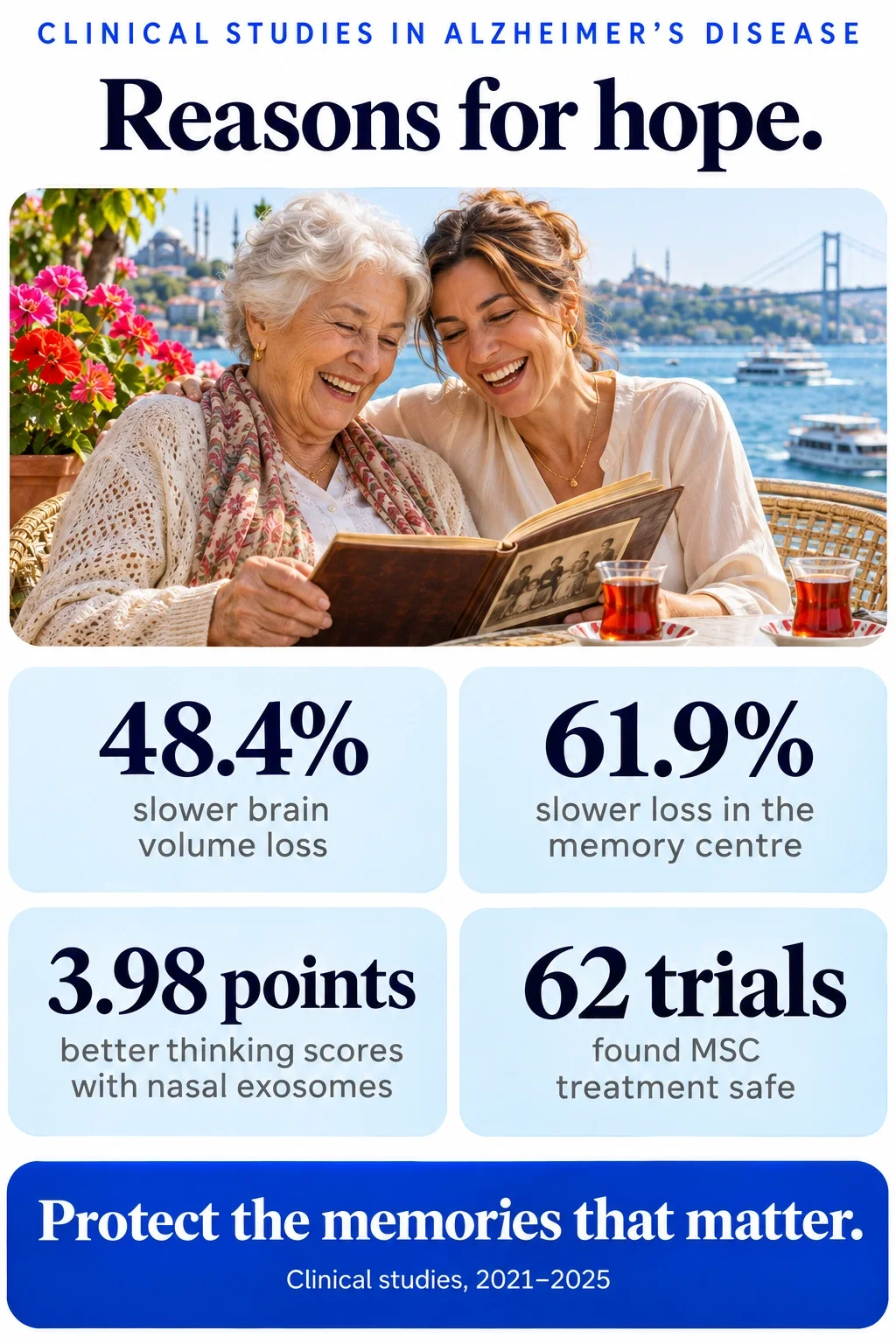
The phase 2a trial that followed randomised 49 people with mild Alzheimer’s at ten centres to placebo, to one or four monthly infusions of 25 million of the same cells, now called laromestrocel, or to four monthly infusions of 100 million. It met its safety goal, with no infusion-related reactions. At 39 weeks, the stem cell groups lost whole-brain volume 48.4% more slowly and left hippocampal volume 61.9% more slowly than the placebo group, brain inflammation measured on MRI was lower, and a combined Alzheimer’s score, the MoCA thinking test and everyday activities all improved compared with placebo. The less the hippocampus shrank, the better patients’ MMSE scores held up.3
Nasal exosomes in mild to moderate Alzheimer’s
In a phase I/II trial in Shanghai, nine people with mild to moderate Alzheimer’s used a nasal spray of exosomes from donor adipose (fat) MSCs twice a week for 12 weeks. No adverse events were reported. In the medium-dose group, ADAS-cog scores improved by 2.33 points and MoCA-B scores by 2.38 points at week 12, and ADAS-cog scores kept improving, by 3.98 points in total, up to week 36.4
Umbilical cord and cord blood MSCs
In ten older adults with vascular dementia, the form of dementia linked with the brain’s blood vessels, three IV courses of umbilical cord MSCs, the same type of cells we use, raised MMSE scores from 15.8 to 19.2 and daily-living (Barthel) scores from 42.0 to 49.2 at three months.25 In Seoul, umbilical cord blood MSCs placed directly in the hippocampus and precuneus, brain regions involved in memory, were feasible, safe and well tolerated, with no serious adverse events during two years of follow-up.26
Wharton’s jelly stem cells for the brain, in Istanbul
Turkish teams are adding to the evidence. In Istanbul, six young adults with traumatic brain injury received Wharton’s jelly MSCs, the same type of cells we use, by intrathecal, intramuscular and IV routes, and over one year their cognitive abilities, muscle stiffness, strength and independence scores improved.27 Brain injury is a different condition from Alzheimer’s, but it is encouraging to see these cells, given by routes we also use, linked with gains in thinking and independence.
A systematic review of cell-based treatments in Alzheimer’s concluded that they are well tolerated by patients.28 You can read how we put this evidence into practice on our Alzheimer’s disease treatment page.
| Study | Design and people | Cells and route | What improved |
|---|---|---|---|
| Rash 2025, Nature Medicine3 | Randomised, double-blind, placebo-controlled phase 2a; 49 people with mild Alzheimer’s | Donor bone marrow MSCs (laromestrocel), one or four monthly IV infusions | Whole-brain volume loss 48.4% slower and left hippocampus 61.9% slower; combined score, MoCA and everyday activities better than placebo at 39 weeks |
| Brody 2023, Alzheimer’s & Dementia10 | Randomised, double-blind, placebo-controlled phase 1; 33 people with mild Alzheimer’s | Donor bone marrow MSCs (Lomecel-B), one IV infusion | Safety goal met; MMSE steady at week 13 in the low-dose group while placebo fell 2.99 points; everyday activities and quality of life better at week 26 |
| Xie 2023, General Psychiatry4 | Phase I/II, three dose groups; 9 people with mild to moderate Alzheimer’s | Donor adipose MSC exosomes, nasal spray twice a week for 12 weeks | No adverse events; ADAS-cog improved by 3.98 points by week 36 (medium dose) |
| He 2017, Cell and Tissue Banking25 | Clinical study; 10 older adults with vascular dementia | Umbilical cord MSCs, three IV courses | MMSE 15.8 to 19.2 and Barthel index 42.0 to 49.2 at three months |
| Kim 2015, Alzheimer’s & Dementia: TRCI26 | Phase 1; 9 people with mild to moderate Alzheimer’s | Umbilical cord blood MSCs, placed in the hippocampus and precuneus | Feasible, safe and well tolerated over 24 months |
| Kabatas 2024, World Journal of Stem Cells27 | Phase I in Istanbul; 6 adults with traumatic brain injury | Wharton’s jelly MSCs, intrathecal, intramuscular and IV | Cognitive and motor independence scores (FIM), muscle stiffness and strength improved over one year |
Each study used its own cells and routes. Your loved one’s treatment uses fresh umbilical cord and Wharton’s jelly MSCs and exosomes, prepared for your date and given by the routes Dr. Cihan Bolat plans.
09
Exosome therapy for Alzheimer’s: why nasal exosomes?
The brain is protected by the blood–brain barrier, which keeps many substances in the bloodstream away from it. The nose offers a gentle way around this barrier: nerve pathways at the top of the nose lead directly into the brain, and exosomes are small enough to travel along this nose-to-brain route.
In research models, exosomes from Wharton’s jelly MSCs given into the nose reached the front of the brain within 30 minutes and spread through the whole brain within three hours.29 In an Alzheimer’s model, MSC vesicles given through the nose reached the brain, calmed its immune cells and increased the density of dendritic spines, the tiny contact points where nerve cells connect.30 And in people with Alzheimer’s, a nasal exosome spray was well tolerated, with memory and thinking scores improving up to week 36.4
Our exosomes
Your plan can include three kinds of exosomes: Wharton’s jelly MSC exosomes, Muse exosomes and CD34+ exosomes. For brain conditions, the doctor typically plans them by IV infusion and as a nasal spray of a few gentle sprays, with no needle. Stem cells, including Muse cells, are never given into the nose; the nasal route is for exosomes only. Read more on our exosome therapy page, where you can also see the other ways exosomes can be given.
10
What are Muse cells? A special kind of repair cell
Muse cells, short for multilineage-differentiating stress-enduring cells, were discovered in Japan in 2010 by the team of Professor Mari Dezawa.31 They are a small group within the mesenchymal stem cell family, about 1% to several percent of MSCs, and are recognised by a surface marker called SSEA-3.32
Four qualities make them special:
- Stress-enduring. True to their name, they tolerate stress, and a single Muse cell can renew itself and give rise to many different cell types.31
- Homing to damage. Injured cells release a damage signal called S1P. Muse cells sense it through their S1PR2 receptor and travel selectively to the damaged tissue.3320
- Becoming tissue cells. Once there, they can turn into the tissue’s own cell types and replace damaged cells with healthy, working ones.20
- Immune-friendly and non-tumorigenic. Their special immune profile allows donor Muse cells to be given without HLA matching or immune-suppressing medicines,32 and they did not form tumours in laboratory testing.31
Muse cells in human trials
- 40.0% vs 10.0%of stroke patients able to look after their own affairs at 12 weeks after one IV dose of Muse cells, against placebo8
- 40.7% → 52.0%heart pumping strength (LVEF) 12 weeks after IV Muse cells following a heart attack34
- 1 IV doseof Muse cells was followed by significant gains in movement, daily activities and quality of life after spinal cord injury35
- No HLA matchingneeded: donor Muse cells were given in trials without matching or immune-suppressing medicines32
What human trials report
Muse cell trials have given donor cells by IV drip, without HLA matching or immune-suppressing medicines.32
- Stroke. In a randomised, double-blind, placebo-controlled trial, 35 people with an ischaemic stroke and moderate or severe disability (a modified Rankin score of 3 or more) received a single IV dose of a donor Muse cell product or placebo, 14 to 28 days after the stroke. At 12 weeks, 40.0% of the Muse cell group could look after their own affairs again (a Rankin score of 2 or better), against 10.0% with placebo, and the authors described the product as a possible effective treatment for subacute ischaemic stroke.8
- Heart attack. In the first trial in people, three patients whose heart pumping strength (LVEF) was 45% or less after a heart attack received 15 million Muse cells by IV. LVEF rose from 40.7% to 52.0% at 12 weeks, the movement of the heart wall improved, and no adverse drug reaction was noted.34
- Spinal cord injury. In ten people with an injury of the spinal cord in the neck, a single IV dose of donor Muse cells was followed by significant improvements in motor scores, daily activities and quality of life, with good tolerability.35
Muse cell trials have also included epidermolysis bullosa, newborns with brain injury and amyotrophic lateral sclerosis.20 Each trial used its own Muse cell product.
Muse cells in dementia and brain research models
For dementia, the Muse cell evidence comes from research models, and it is encouraging:
- A model of vascular dementia. In rats with long-term reduced blood flow to the brain, Muse cells given by IV homed to the hippocampus, reduced the loss of nerve cells and white matter damage, encouraged new blood vessels and improved cognitive function in a maze test.36
- Nose-to-brain delivery after a stroke. In mice after a stroke, human Muse cells given through the nose reached the injured brain in much greater numbers than standard MSCs; 63.6% of the settled cells took on the features of nerve cells, and movement improved steadily over the following weeks.37
- A model of Parkinson’s disease. In mice, Muse cells given through the nose homed to the brain through the S1P–S1PR2 signal and gave rise to cells with the features of dopamine-producing nerve cells.38
These nasal findings come from research models. At Istanbul Stemcell, Muse cells are given by IV infusion and intrathecally, and the nasal spray is used for exosomes, including Muse exosomes.
Muse exosomes
Like other MSCs, Muse cells release a rich mix of signals. In laboratory studies, their secretome contained factors that regulate tissue repair, oxidative balance and immune activity, as well as factors that help cells survive under stress.39 Researchers have proposed exosomes from Muse cells as a cell-free way to deliver these signals in regenerative medicine.40 Muse exosomes bring that message in concentrated form, by IV infusion and as a nasal spray.
Muse cells and Muse exosomes can be part of your plan at Istanbul Stemcell
Your loved one’s plan can bring the strengths of each together: fresh umbilical cord and Wharton’s jelly MSCs for their rich repair signals,18 Muse cells for their homing and repair abilities, given by IV infusion and intrathecally, and Wharton’s jelly MSC, Muse and CD34+ exosomes by IV infusion and nasal spray. Dr. Cihan Bolat chooses the mix with you, and your written plan sets out exactly which cells and exosomes your loved one receives.
11
Alzheimer’s treatment options compared
Each option works in a different way, and the strongest plans combine several of them. This table shows where each one fits.
| Option | How it works | Who it suits | How it is given |
|---|---|---|---|
| Stem cells and exosomes | Repair signals that aim to calm brain inflammation and support nerve cells, blood vessels and synapses;1118 slower brain shrinkage than with placebo in a trial3 | Adults with Alzheimer’s or another dementia, after a medical review, alongside their current care | IV and intrathecal stem cells with IV and nasal exosomes, in one hospital day |
| Muse cells and Muse exosomes | Hardy repair cells that home to damaged tissue through S1P signals and can replace damaged cells;20 more stroke patients regained independence than with placebo in a trial8 | Adults planning regenerative treatment, added to stem cells and exosomes after a medical review | Muse cells by IV and intrathecal routes, Muse exosomes by IV infusion and nasal spray |
| Antibody medicines (lecanemab, donanemab) | Help the brain clear amyloid; slowed decline in phase 3 trials27 | Early Alzheimer’s with confirmed amyloid | Regular IV infusions, with MRI monitoring |
| Donepezil, rivastigmine, galantamine | Boost acetylcholine, a memory messenger; small benefits in thinking and daily activities1 | Mild, moderate or severe Alzheimer’s | Daily tablets or capsules, or a skin patch |
| Memantine | Small, consistent benefit for thinking, daily activities and mood in moderate to severe Alzheimer’s17 | Moderate to severe Alzheimer’s | Daily tablets or liquid |
| Exercise and cognitive stimulation | Keep body and mind active; raised MMSE scores in randomised trials56 | Everyone, at every stage | Several sessions a week, at home or in groups |
These options do not compete; they add up. Your loved one’s usual medicines and activities continue, and stem cell therapy is planned to fit around them, in agreement with their own doctor.
12
How we plan treatment for Alzheimer’s in Istanbul: IV and intrathecal stem cells, nasal exosomes
Every plan starts with your loved one, not with a protocol. Dr. Cihan Bolat, our medical director and a specialist in anaesthesiology and reanimation and in regenerative medicine, reviews with his team the diagnosis, recent scans and test results, current medicines and general health, and talks with you about your family’s goals.
For brain conditions such as Alzheimer’s, the doctor plans the routes. Typically this means IV and intrathecal stem cells with IV and nasal exosomes, all in one hospital day. The intrathecal route places cells into the spinal fluid through a very fine needle in the lower back, so their signals can circulate around the brain and spinal cord.
Why we combine IV, intrathecal and nasal routes
Each route reaches the brain in its own way, so together they cover more ground than any single route. Stem cells, including Muse cells, are given by IV infusion and intrathecally; exosomes (Wharton’s jelly MSC, Muse and CD34+ exosomes) by IV infusion and nasal spray. Researchers in Turkey describe the same logic for plans that use several routes: the intrathecal route for local targeting of the spinal cord, and the IV route for immune balance throughout the body.41
Four routes in one hospital day
- IV stem cellsImmune-balancing signals carried through the whole body.41
- Intrathecal stem cellsInto the spinal fluid around the brain and spinal cord; extra benefits in a multiple sclerosis trial.42
- IV exosomesConcentrated repair messages in tiny packages.19
- Nasal exosomesA nose-to-brain route that reached the whole brain in research models.29
IV infusion: support for the whole body
A slow drip carries stem cells through the bloodstream, where they release anti-inflammatory messengers and exosomes. In mild Alzheimer’s, IV infusions of donor MSCs slowed brain shrinkage compared with placebo, effects the researchers linked with circulating factors released by the cells, including exosomes.3 In vascular dementia, IV umbilical cord MSCs raised memory test scores at three months.25
Intrathecal: closer to the brain
A very fine needle in the lower back places cells in the cerebrospinal fluid, which flows around the brain and spinal cord, so their signals start on the brain’s side of the blood–brain barrier. In a sham-controlled trial in progressive multiple sclerosis, 58.6% of patients treated intrathecally with their own MSCs showed no evidence of disease activity over one year, against 9.7% with sham, and the intrathecal route brought extra benefits, including on cognitive tests.42
Intrathecal umbilical cord and Wharton’s jelly cells
In a double-blind, sham-controlled trial in children with cerebral palsy, one intrathecal dose of umbilical cord tissue MSCs, the same type of cells we use, raised motor scores (GMFM-66) by 10.65 points at 12 months and improved white matter on MRI.43 In Turkey, Wharton’s jelly MSCs given intrathecally, into muscle and by IV were followed by significant gains in movement and quality of life over one year in chronic spinal cord injury.41
IV and intrathecal in a stroke trial
In a randomised phase II trial in people living with the after-effects of an ischaemic stroke, two infusions of umbilical cord MSCs by either the intrathecal or the IV route, together with rehabilitation, improved neurological recovery and quality of life.44
Nasal exosomes: a direct route
Exosomes given into the nose reached the whole brain within three hours in research models,29 and in people with Alzheimer’s, a nasal exosome spray was well tolerated, with memory and thinking scores improving up to week 36.4
All in one hospital day
IV, intrathecal and nasal treatment are given in a single hospital day in Istanbul, so most plans need no second trip.
Fresh cells, prepared for your date
Umbilical cord and Wharton’s jelly MSCs from cords donated after healthy births, prepared in a Ministry of Health-approved GMP laboratory and never frozen. In laboratory comparisons, fresh MSCs kept stronger immune-calming properties than cells used straight after thawing.45
No harvest, no donor matching
Nothing is taken from your loved one’s body. Wharton’s jelly cells carry very few of the signals that trigger rejection, so no donor matching is needed.46
Muse cells in your plan
Muse cells, the hardy repair cells described above, can be added and given by IV infusion and intrathecally alongside umbilical cord and Wharton’s jelly MSCs. In trials, donor Muse cells were given without HLA matching.32
Your cell count in writing
The number of cells in your plan is confirmed in writing, and the count and viability are checked and certified by the GMP laboratory before treatment.
Exosomes in your plan
Wharton’s jelly MSC exosomes, Muse exosomes and CD34+ exosomes, added according to your plan and given by IV infusion and nasal spray.
Alongside current care
Memory medicines, exercise and memory activities continue, and you can share the written plan with your loved one’s own doctor.
Follow-up together
We review progress with you at about 1, 3, 6 and 12 months, so you can see how things develop and plan the next steps together.
Comfort on the treatment day
Dr. Cihan Bolat, a specialist in anaesthesiology and reanimation, plans your loved one’s comfort for the intrathecal and IV treatment, at a calm pace.
Who is a good candidate?
The published trials included people with mild to moderate Alzheimer’s,34 and earlier stages give the brain more to protect. Dr. Cihan Bolat reviews every case individually, including vascular and other forms of dementia, and tells you honestly whether treatment is a good fit. A family member is welcome at every step, from the first call to the treatment day. You can read the full treatment page on stem cell therapy for Alzheimer’s.
13
Is stem cell therapy for dementia safe?
Safety is the first question every family asks, and the published record is reassuring. A 2021 meta-analysis of 62 randomised trials with 3,546 patients found MSC treatment safe, the most common effect a passing fever.47
The Alzheimer’s trials point the same way. The phase 2a laromestrocel trial met its primary safety goal, and no infusion-related reactions were reported.3 In the phase 1 Lomecel-B trial, the primary safety goal was also met.10 In the nasal exosome trial, no adverse events were reported,4 and a systematic review of cell-based treatments in Alzheimer’s concluded that they are well tolerated.28
The routes and Muse cells have reassuring records too. Intrathecal MSC treatment was well tolerated in progressive multiple sclerosis,42 and intrathecal umbilical cord tissue MSCs were safe in children with cerebral palsy.43 In the first Muse cell trial after a heart attack, no adverse drug reaction was noted,34 and in spinal cord injury, no safety concerns were identified and Muse cells were well tolerated.35
Your own care adds further layers. Wharton’s jelly cells need no donor matching,46 your cells are prepared in a Ministry of Health-approved GMP laboratory with certified count and viability, and Dr. Cihan Bolat, a specialist in anaesthesiology and reanimation, plans your loved one’s comfort for the treatment day. We screen carefully beforehand, and a specialist team treats your loved one.
14
Why patients travel to Istanbul, Turkey for Alzheimer’s treatment
Families come to us from the UK, across Europe, the Middle East and the Gulf, the USA and beyond. Many want to add regenerative treatment to the care their loved one already receives at home, with a team that plans everything around someone who may tire easily or feel unsettled in new places.

A specialist-led plan
A free medical review and phone consultation with the specialist team led by Uzm. Dr. Cihan Bolat, and a written plan before you book.
A fixed price before you travel
One all-inclusive price in writing, so the whole family can decide calmly at home.
One treatment day
Most plans take one treatment day in Istanbul, with no second trip needed.
Help at every step
Help with the hotel, ground transport and translation, and a personal case manager who gets to know your family.
Easy to reach
Istanbul has two international airports. Many European cities have direct flights, and from much of Western Europe the journey takes around three to four hours.
Follow-up from home
Reviews at about 1, 3, 6 and 12 months, so care continues after you fly home.
Travelling with a loved one who has dementia
A few simple steps make the journey calmer. Travel with a familiar companion, keep to the usual routine for meals, medicines and sleep, book a direct flight if you can and ask the airline for assistance, and pack medicines in hand luggage with a written list. Allow a quiet day of rest after you arrive. Our case manager helps you plan the stay around your loved one’s pace, and our clinic is in Suadiye, a calm residential district on Istanbul’s Asian side, near the Marmara seafront.
15
Your treatment in Istanbul, step by step
From your first message to follow-up at home, every step is planned with you in advance, whether you are travelling from London, Amsterdam, Dubai or New York. For the fuller story, read the stem cell treatment in Turkey, step by step, or request your free consultation now.
Send us the reports
Share the diagnosis, recent brain scans and memory test results, current medicines and your questions through our free consultation request, or by WhatsApp on +90 534 856 92 92.
Free medical review and phone call
Dr. Cihan Bolat and his specialist team review the case free of charge and talk it through with you and your family.
Your written plan and fixed price
If treatment is a good fit, you receive a written plan with the cell count, exosomes and routes, and a fixed, all-inclusive price before you travel.
One hospital day in Istanbul
Fresh stem cells and exosomes are prepared for your date. Our team welcomes you both and guides your loved one calmly through the IV, intrathecal and nasal treatment in one hospital day.
Follow-up at home
Back home, we review progress with you at about 1, 3, 6 and 12 months and stay available for your questions.
16
How much does stem cell therapy for Alzheimer’s cost in Turkey?
Every plan is personal, so the price depends on the number of cells, the exosomes, any Muse cells or Muse exosomes and the routes in your loved one’s plan. After the free medical review, you receive a fixed, all-inclusive price in writing before you book anything, so there are no surprises and you can decide together as a family.
Included
- Free medical review and phone consultation
- Fresh umbilical cord and Wharton’s jelly stem cells, with certified count and viability
- Exosomes as set out in your plan
- Muse cells and Muse exosomes, if they are part of your plan
- Treatment by our specialist team in one hospital day
- Ground transport to and from the clinic, and help with translation
- A personal case manager and follow-up reviews
Not included / optional
- Flights
- Hotel stay, which we can help you arrange
- A repeat session, if you decide on one later
17
Frequently asked questions
What are the new Alzheimer’s treatments in 2026?
The newest options include the antibody medicines lecanemab and donanemab, which help the brain clear amyloid and slowed decline in large trials of people with early Alzheimer’s, and regenerative treatment with mesenchymal stem cells and exosomes. In a placebo-controlled trial, donor stem cell infusions slowed the loss of brain volume by 48.4% over 39 weeks. In 2025, 138 more medicines were being tested in 182 trials, so the choice keeps growing.
What is the best treatment for Alzheimer’s disease?
The best plan is usually a combination rather than a single treatment. Memory medicines such as donepezil ease symptoms, antibody medicines suit some people in the early stage, and daily exercise and memory activities support the brain at every stage. Stem cells, Muse cells and exosomes can be added alongside, aiming to calm brain inflammation and support nerve cells. Dr. Cihan Bolat reviews your loved one’s situation and explains which combination fits.
Can dementia be reversed?
It depends on the cause, which is why a full medical check comes first. Memory problems linked with low vitamin B12, an underactive thyroid, depression, poor sleep or some medicines often improve once these are treated. With Alzheimer’s, today’s treatments aim to slow the disease, protect memory and independence for longer and help your loved one live well, and research results are more encouraging every year.
Is there a cure for Alzheimer’s?
Today’s treatments focus on slowing the disease and helping people live well for longer, and they are improving quickly. Antibody medicines have slowed decline in large trials, and in a stem cell trial the brain’s memory centre shrank 61.9% more slowly than with placebo. Combining medicines, activity and regenerative treatment gives your loved one the broadest support available in 2026.
How can I slow down dementia in my mother or father?
Start with what you can do every day: regular physical activity, social and mental stimulation, good sleep, a steady routine and checks of hearing, eyesight, blood pressure and cholesterol. In trials, physical activity raised memory test scores by 1.79 points and cognitive stimulation by 1.99 points. Keep to the medicines the doctor recommends, and ask about stem cell and exosome therapy as an extra layer of support.
What helps memory in Alzheimer’s?
Group activities such as word games, music and reminiscence, known as cognitive stimulation, improved memory test scores and communication across 37 trials. Regular exercise, memory medicines such as donepezil, good hearing and practical aids like calendars, notes and pill organisers help too. In stem cell trials, memory test scores held steadier than with placebo, and nasal exosomes improved memory and thinking scores.
Does stem cell therapy work for Alzheimer’s?
Human trials are encouraging. In a randomised, placebo-controlled trial of 49 people with mild Alzheimer’s, donor stem cell infusions slowed whole-brain shrinkage by 48.4% and shrinkage of the memory centre by 61.9% at 39 weeks, with better thinking and everyday-activity scores than placebo. An earlier trial found everyday activities and quality of life better than with placebo. Dr. Cihan Bolat reviews whether treatment suits your loved one.
Can stem cell therapy help vascular dementia and other types of dementia?
Vascular dementia, which is linked with the brain’s blood vessels, has been studied too: in ten older adults, umbilical cord stem cells raised memory and daily-living scores at three months. Stem cells aim to support blood vessels, calm inflammation and protect nerve cells, processes involved in several forms of dementia. For Lewy body or frontotemporal dementia, Dr. Cihan Bolat reviews each case individually and advises you honestly.
What are nasal exosomes, and how can they help in Alzheimer’s?
Exosomes are tiny packages of proteins and RNA that stem cells use to send repair signals. Given as a gentle nasal spray, they can travel along nerve pathways from the nose into the brain, bypassing the blood–brain barrier. In a trial in people with Alzheimer’s, a nasal exosome spray was well tolerated and memory and thinking scores improved up to week 36. Our plans use Wharton’s jelly MSC exosomes, Muse exosomes and CD34+ exosomes.
What are Muse cells, and can they help in Alzheimer’s?
Muse cells are a small group of especially hardy repair cells within the mesenchymal stem cell family, discovered in Japan in 2010. They sense damage signals, travel to injured tissue and can replace damaged cells. In a placebo-controlled stroke trial, 40.0% of patients given one IV dose could look after their own affairs at 12 weeks, against 10.0% with placebo, and in a research model of vascular dementia, Muse cells improved cognitive function. Muse cells and Muse exosomes can be part of your loved one’s plan at our clinic.
Is stem cell therapy better than lecanemab or donanemab?
They work in different ways, so it is not a contest. The antibody medicines help the brain clear amyloid and suit people in the early stage whose amyloid has been confirmed. Stem cells and exosomes aim to calm inflammation and support nerve cells, blood vessels and connections, and they have been studied in mild to moderate Alzheimer’s. Your loved one’s doctors and Dr. Cihan Bolat can advise how the options fit together.
Can my loved one keep taking donepezil, memantine or other medicines?
Stem cell therapy is designed to work alongside existing care, and memory medicines are part of that care. Please send us the full list of medicines with your request, and Dr. Cihan Bolat takes them into account when he plans the treatment day. You can share the written plan with your loved one’s own doctor, so that everyone works together.
Is stem cell therapy for dementia safe?
The published record is reassuring. A 2021 analysis of 62 randomised trials with 3,546 patients found MSC treatment safe, with a passing fever the most common effect. In the Alzheimer’s trials, the stem cell studies met their safety goals, and no adverse events were reported with nasal exosomes. We screen carefully, prepare cells in a Ministry of Health-approved GMP laboratory, and a specialist team treats your loved one.
How is stem cell treatment for Alzheimer’s given at your clinic?
For brain conditions, the doctor plans the routes, typically IV and intrathecal stem cells, including Muse cells if they are in your plan, together with IV and nasal exosomes, all in one hospital day. The IV drip carries immune-balancing signals through the whole body, and the intrathecal route uses a very fine needle in the lower back to place cells in the spinal fluid around the brain and spinal cord. Exosomes are given by drip and as a nasal spray; stem cells and Muse cells are never given through the nose.
How soon might we notice changes after treatment?
Changes build gradually. In the trials, differences from placebo in memory test scores appeared at about 13 weeks, in everyday activities and quality of life at 26 weeks, and in brain shrinkage at 39 weeks. With nasal exosomes, thinking scores improved at 12 weeks and kept improving to week 36. We review progress with you at about 1, 3, 6 and 12 months.
How much does stem cell therapy for Alzheimer’s cost in Turkey?
The price depends on the number of cells, the exosomes, any Muse cells or Muse exosomes and the routes in your loved one’s plan. After a free medical review, you receive a fixed, all-inclusive price in writing before you travel, covering the treatment, the fresh cells with certified count and viability, transport to and from the clinic, a personal case manager and follow-up reviews. Flights and the hotel are separate, and we can help you arrange the hotel.
Can someone with dementia travel to Istanbul for treatment?
With a familiar companion and a little planning, the journey can go smoothly. Choose a direct flight if possible, ask the airline for assistance, keep medicines in hand luggage and stick to the usual routine. Our case manager helps arrange the hotel, ground transport and translation, and the treatment itself takes one hospital day, so the stay can be calm and unhurried.
Why do families from abroad choose Istanbul for Alzheimer’s treatment?
Families from the UK, Europe, the Gulf, the USA and beyond choose Istanbul for specialist-led care, a free medical review, a written plan with a fixed price and treatment in one hospital day. Fresh umbilical cord and Wharton’s jelly stem cells are prepared for your date and never frozen, your plan can include Muse cells and Muse exosomes, and follow-up continues at about 1, 3, 6 and 12 months after you return home. You can reach us by WhatsApp on +90 534 856 92 92.
Medical review
Uzm. Dr. Cihan Bolat
Medical Director, Istanbul Stemcell
This page was written from the published studies listed below and reviewed for medical accuracy on .
18
References
- Birks JS, Harvey RJ. Donepezil for dementia due to Alzheimer's disease. Cochrane Database Syst Rev. 2018;6(6):CD001190. PMID 29923184
- van Dyck CH, et al. Lecanemab in Early Alzheimer's Disease. N Engl J Med. 2023;388(1):9-21. PMID 36449413
- Rash BG, et al. Allogeneic mesenchymal stem cell therapy with laromestrocel in mild Alzheimer's disease: a randomized controlled phase 2a trial. Nat Med. 2025;31(4):1257-1266. PMID 40065171
- Xie X, et al. Clinical safety and efficacy of allogenic human adipose mesenchymal stromal cells-derived exosomes in patients with mild to moderate Alzheimer's disease: a phase I/II clinical trial. Gen Psychiatr. 2023;36(5):e101143. PMID 37859748
- Dai S, et al. Effect of Physical Activity on Cognitive Function of Patients With Alzheimer's Disease: A Meta-analysis. J Integr Neurosci. 2026;25(1):42702. PMID 41609036
- Woods B, et al. Cognitive stimulation to improve cognitive functioning in people with dementia. Cochrane Database Syst Rev. 2023;1(1):CD005562. PMID 39804128
- Sims JR, et al. Donanemab in Early Symptomatic Alzheimer Disease: The TRAILBLAZER-ALZ 2 Randomized Clinical Trial. JAMA. 2023;330(6):512-527. PMID 37459141
- Niizuma K, et al. Randomized placebo-controlled trial of CL2020, an allogenic muse cell-based product, in subacute ischemic stroke. J Cereb Blood Flow Metab. 2023;43(12):2029-2039. PMID 37756573
- Cummings JL, et al. Alzheimer's disease drug development pipeline: 2025. Alzheimers Dement (N Y). 2025;11(2):e70098. PMID 40463637
- Brody M, et al. Results and insights from a phase I clinical trial of Lomecel-B for Alzheimer's disease. Alzheimers Dement. 2023;19(1):261-273. PMID 35357079
- Caplan AI, Dennis JE. Mesenchymal stem cells as trophic mediators. J Cell Biochem. 2006;98(5):1076-84. PMID 16619257
- Heneka MT, et al. Neuroinflammation in Alzheimer's disease. Lancet Neurol. 2015;14(4):388-405. PMID 25792098
- Iturria-Medina Y, et al. Early role of vascular dysregulation on late-onset Alzheimer's disease based on multifactorial data-driven analysis. Nat Commun. 2016;7:11934. PMID 27327500
- Terry RD, et al. Physical basis of cognitive alterations in Alzheimer's disease: synapse loss is the major correlate of cognitive impairment. Ann Neurol. 1991;30(4):572-80. PMID 1789684
- Livingston G, et al. Dementia prevention, intervention, and care: 2024 report of the Lancet standing Commission. Lancet. 2024;404(10452):572-628. PMID 39096926
- Ngandu T, et al. A 2 year multidomain intervention of diet, exercise, cognitive training, and vascular risk monitoring versus control to prevent cognitive decline in at-risk elderly people (FINGER): a randomised controlled trial. Lancet. 2015;385(9984):2255-63. PMID 25771249
- McShane R, et al. Memantine for dementia. Cochrane Database Syst Rev. 2019;3(3):CD003154. PMID 30891742
- Hsieh JY, et al. Mesenchymal stem cells from human umbilical cord express preferentially secreted factors related to neuroprotection, neurogenesis, and angiogenesis. PLoS One. 2013;8(8):e72604. PMID 23991127
- Kalluri R, LeBleu VS. The biology, function, and biomedical applications of exosomes. Science. 2020;367(6478). PMID 32029601
- Yamashita T, et al. Non-Tumorigenic Pluripotent Reparative Muse Cells Provide a New Therapeutic Approach for Neurologic Diseases. Cells. 2021;10(4). PMID 33924240
- Xie ZH, et al. Wharton's Jelly-derived mesenchymal stem cells alleviate memory deficits and reduce amyloid-β deposition in an APP/PS1 transgenic mouse model. Clin Exp Med. 2016;16(1):89-98. PMID 26188488
- Bodart-Santos V, et al. Extracellular vesicles derived from human Wharton's jelly mesenchymal stem cells protect hippocampal neurons from oxidative stress and synapse damage induced by amyloid-β oligomers. Stem Cell Res Ther. 2019;10(1):332. PMID 31747944
- Ding M, et al. Exosomes Isolated From Human Umbilical Cord Mesenchymal Stem Cells Alleviate Neuroinflammation and Reduce Amyloid-Beta Deposition by Modulating Microglial Activation in Alzheimer's Disease. Neurochem Res. 2018;43(11):2165-2177. PMID 30259257
- Kim DH, et al. GDF-15 secreted from human umbilical cord blood mesenchymal stem cells delivered through the cerebrospinal fluid promotes hippocampal neurogenesis and synaptic activity in an Alzheimer's disease model. Stem Cells Dev. 2015;24(20):2378-90. PMID 26154268
- He Y, et al. Umbilical cord-derived mesenchymal stem cell transplantation for treating elderly vascular dementia. Cell Tissue Bank. 2017;18(1):53-59. PMID 28138805
- Kim HJ, et al. Stereotactic brain injection of human umbilical cord blood mesenchymal stem cells in patients with Alzheimer's disease dementia: A phase 1 clinical trial. Alzheimers Dement (N Y). 2015;1(2):95-102. PMID 29854930
- Kabatas S, et al. Safety and efficiency of Wharton's Jelly-derived mesenchymal stem cell administration in patients with traumatic brain injury: First results of a phase I study. World J Stem Cells. 2024;16(6):641-655. PMID 38948099
- Feizi H, et al. A systematic review of clinical efficacy and safety of cell-based therapies in Alzheimer's disease. Dement Neuropsychol. 2024;18:e20240147. PMID 39258164
- Thomi G, et al. Intranasally Administered Exosomes from Umbilical Cord Stem Cells Have Preventive Neuroprotective Effects and Contribute to Functional Recovery after Perinatal Brain Injury. Cells. 2019;8(8). PMID 31398924
- Losurdo M, et al. Intranasal delivery of mesenchymal stem cell-derived extracellular vesicles exerts immunomodulatory and neuroprotective effects in a 3xTg model of Alzheimer's disease. Stem Cells Transl Med. 2020;9(9):1068-1084. PMID 32496649
- Kuroda Y, et al. Unique multipotent cells in adult human mesenchymal cell populations. Proc Natl Acad Sci U S A. 2010;107(19):8639-43. PMID 20421459
- Minatoguchi S, et al. Donor Muse Cell Treatment Without HLA-Matching Tests and Immunosuppressant Treatment. Stem Cells Transl Med. 2024;13(6):532-545. PMID 38560897
- Yamada Y, et al. S1P-S1PR2 Axis Mediates Homing of Muse Cells Into Damaged Heart for Long-Lasting Tissue Repair and Functional Recovery After Acute Myocardial Infarction. Circ Res. 2018;122(8):1069-1083. PMID 29475983
- Noda T, Nishigaki K, Minatoguchi S. Safety and Efficacy of Human Muse Cell-Based Product for Acute Myocardial Infarction in a First-in-Human Trial. Circ J. 2020;84(7):1189-1192. PMID 32522904
- Koda M, et al. Safety and feasibility of intravenous administration of a single dose of allogenic-Muse cells to treat human cervical traumatic spinal cord injury: a clinical trial. Stem Cell Res Ther. 2024;15(1):259. PMID 39135172
- Iwabuchi N, et al. Multilineage-differentiating stress-enduring cells attenuate the cognitive impairment caused by chronic cerebral hypoperfusion in rats. Exp Neurol. 2025;387:115185. PMID 39952380
- Yamamoto S, et al. Nose-to-brain delivery of human muse cells enhances structural and functional recovery in the murine ischemic stroke model. Sci Rep. 2025;15(1):16243. PMID 40346279
- Lu Z, et al. Intranasally administered muse cells attenuate neurodegeneration in Parkinson's disease. J Transl Med. 2025;23(1):1421. PMID 41444595
- Alessio N, et al. The secretome of MUSE cells contains factors that may play a role in regulation of stemness, apoptosis and immunomodulation. Cell Cycle. 2017;16(1):33-44. PMID 27463232
- Rajabi A, Bonyadi M. Muse Cell-Derived Exosomes: a Hypothesis for a Cell-Free Therapeutic Platform in Regenerative Medicine. Stem Cell Rev Rep. 2025;21(6):1860-1862. PMID 40531406
- Kaplan N, et al. Multiroute administration of Wharton's jelly mesenchymal stem cells in chronic complete spinal cord injury: A phase I safety and feasibility study. World J Stem Cells. 2025;17(5):101675. PMID 40503363
- Petrou P, et al. Beneficial effects of autologous mesenchymal stem cell transplantation in active progressive multiple sclerosis. Brain. 2020;143(12):3574-3588. PMID 33253391
- Amanat M, et al. Clinical and imaging outcomes after intrathecal injection of umbilical cord tissue mesenchymal stem cells in cerebral palsy: a randomized double-blind sham-controlled clinical trial. Stem Cell Res Ther. 2021;12(1):439. PMID 34362453
- Nguyen LT, et al. Intrathecal versus intravenous umbilical cord mesenchymal stem cells for ischemic stroke sequelae. Stem Cells Transl Med. 2025;14(12). PMID 41277536
- Moll G, et al. Do cryopreserved mesenchymal stromal cells display impaired immunomodulatory and therapeutic properties? Stem Cells. 2014;32(9):2430-42. PMID 24805247
- Weiss ML, et al. Immune properties of human umbilical cord Wharton's jelly-derived cells. Stem Cells. 2008;26(11):2865-74. PMID 18703664
- Wang Y, Yi H, Song Y. The safety of MSC therapy over the past 15 years: a meta-analysis. Stem Cell Res Ther. 2021;12(1):545. PMID 34663461