
01
Does stem cell therapy work for kidney disease?
The evidence is encouraging, and the goal is clear: to protect the kidney function you have. In placebo-controlled trials, a single IV stem cell infusion slowed the decline in kidney function in diabetic kidney disease,17 and a 2026 meta-analysis of the randomised trials found eGFR 4.6 ml/min higher with stem cells than with placebo.6 In other forms of kidney disease, studies reported better blood flow to the kidney, much less protein in the urine and calmer inflammation.829
Chronic kidney disease (CKD) affects more than 10% of people worldwide, over 800 million in total,10 and it usually progresses slowly, over years. That is why the results that matter most are a slower fall in eGFR, the measure of how much blood your kidneys filter each minute, and less protein leaking into the urine.
Diabetic kidney disease
Diabetes is the most common cause of kidney failure,7 and it is the form of kidney disease studied most. In a randomised trial in type 2 diabetes, eGFR was 4.4 ml/min higher than with placebo 12 weeks after one stem cell infusion.7 In a 2026 double-blind trial of 78 people, measured kidney function rose by an average of 1.9 ml/min in the six months after a stem cell infusion, while it fell by 4.0 ml/min with placebo.11 Read more about stem cell therapy for diabetes.
CKD from high blood pressure, glomerulonephritis and other causes
In a 2026 trial in CKD stages 3b and 4, where more than half of the patients had high blood pressure and more than half had glomerulonephritis, 88% showed a stable or improving kidney-function trend over 48 weeks after one IV infusion of donor stem cells.12 In 40 people with CKD stages 3 and 4, vesicles from umbilical cord stem cells raised eGFR from 31 to 47 ml/min at 12 weeks, while the placebo group showed no significant change.9
Polycystic kidney disease
In six people with autosomal dominant polycystic kidney disease (ADPKD), serum creatinine had risen from 2.0 to 2.5 mg/dl in the year before a single IV stem cell infusion, and it stayed at 2.5 mg/dl in the year after.13
Reduced blood flow to the kidney
When narrowed arteries starve a kidney of blood (renovascular disease), stem cells given into the kidney artery raised its blood flow from 152 to 186 ml/min within three months. The treated kidney’s filtering function stayed stable, while it fell by 24% in matched patients on medicines alone.8 In a larger study, GFR rose, systolic blood pressure fell from 144 to 136 mmHg and inflammation markers went down.14
Lupus nephritis
In lupus nephritis that had not responded to standard treatment, 56.7% of 120 people achieved a kidney response within 12 months of umbilical cord stem cells, the same type of cells we use.2 In another study of 81 people, 60.5% reached kidney remission and GFR rose from 58.6 to 69.5 ml/min.15 See stem cell therapy for lupus.
Kidney failure, dialysis and transplantation
In 24 people on peritoneal dialysis, umbilical cord stem cell treatment was followed within three months by higher haemoglobin and albumin and lower CRP, a marker of inflammation.16 In kidney transplantation, a randomised trial published in JAMA found fewer rejections (7.5% against 21.6%) and fewer infections when stem cells were given at the time of the transplant.17
Results at a glance
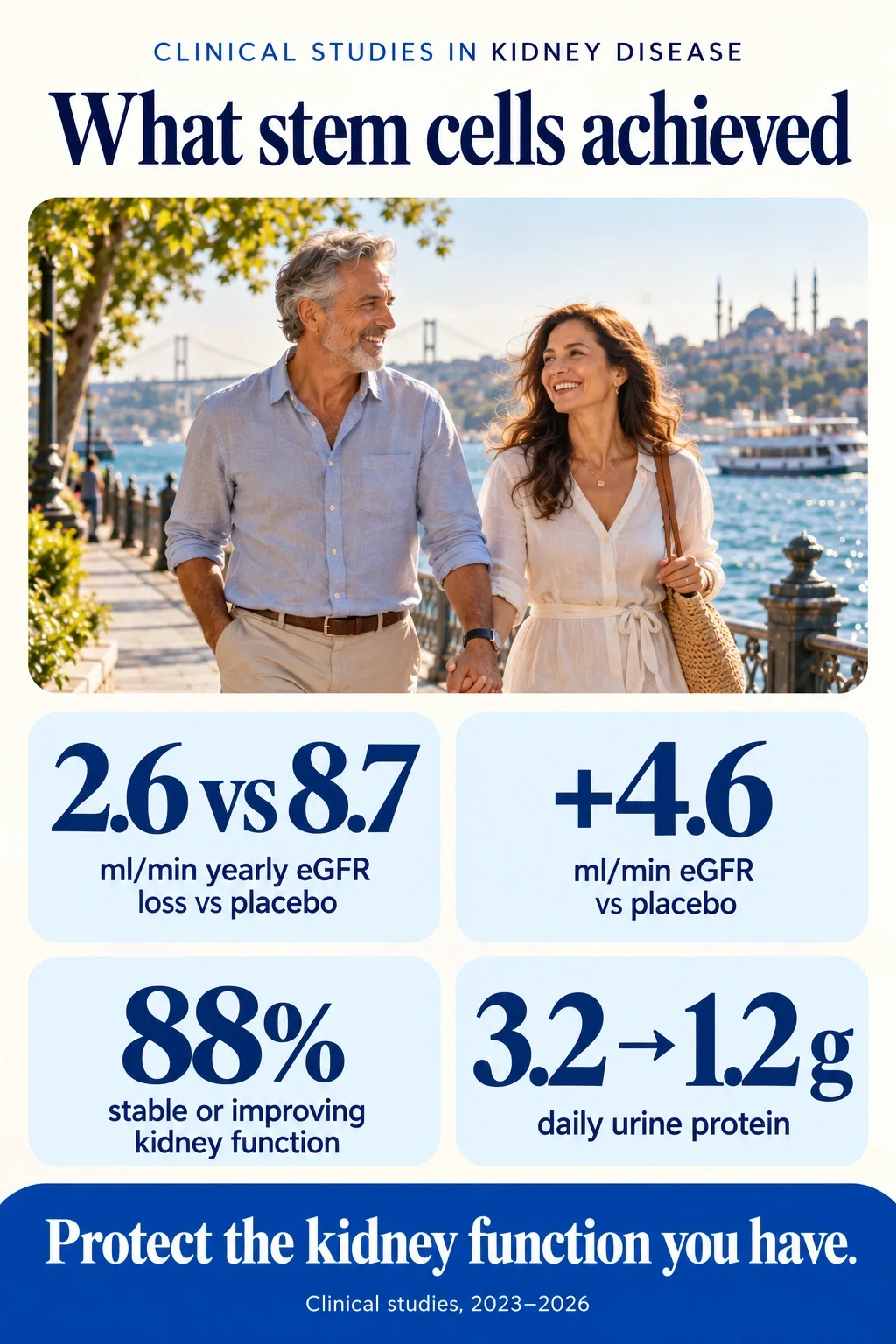
- −2.6 vs −8.7ml/min a year: median fall in eGFR after one stem cell infusion vs placebo, in diabetic kidney disease1
- +4.6ml/min eGFR with stem cells vs placebo, pooled from randomised trials6
- 88%of people with CKD stages 3b–4 had a stable or improving kidney-function trend over 48 weeks12
- 3.2 → 1.2 gurine protein a day, 12 months after umbilical cord stem cells in lupus nephritis2
02
How stem cells and exosomes work in kidney disease
In chronic kidney disease, three processes feed each other: ongoing inflammation, a shrinking blood supply that leaves kidney tissue short of oxygen, and scarring (fibrosis) that slowly replaces working tissue. Mesenchymal stem cells act on all three. They do not work by turning into new kidney cells; they work as a source of repair signals that help your own kidney cells cope and recover.418
After an IV infusion, stem cells are drawn to injured and inflamed tissue, a process called homing.3 There they release growth factors, immune-balancing signals and exosomes: tiny vesicles that carry proteins and RNA messages from cell to cell.519 In research models, stem cells even handed over healthy mitochondria, the energy units of the cell, to stressed kidney cells.20 Six effects explain the results seen in studies.
How stem cell therapy works in kidney disease
- Fresh stem cells and exosomesGiven by a relaxed IV drip.
- Homing to the kidneyStem cells are drawn to injured kidney tissue.3
- Repair signalsGrowth factors such as IGF-1 and HGF, calming signals and exosomes.21225
- Protecting kidney functionA slower eGFR decline, better blood flow and less protein in trials.182
How stem cells support the kidneys
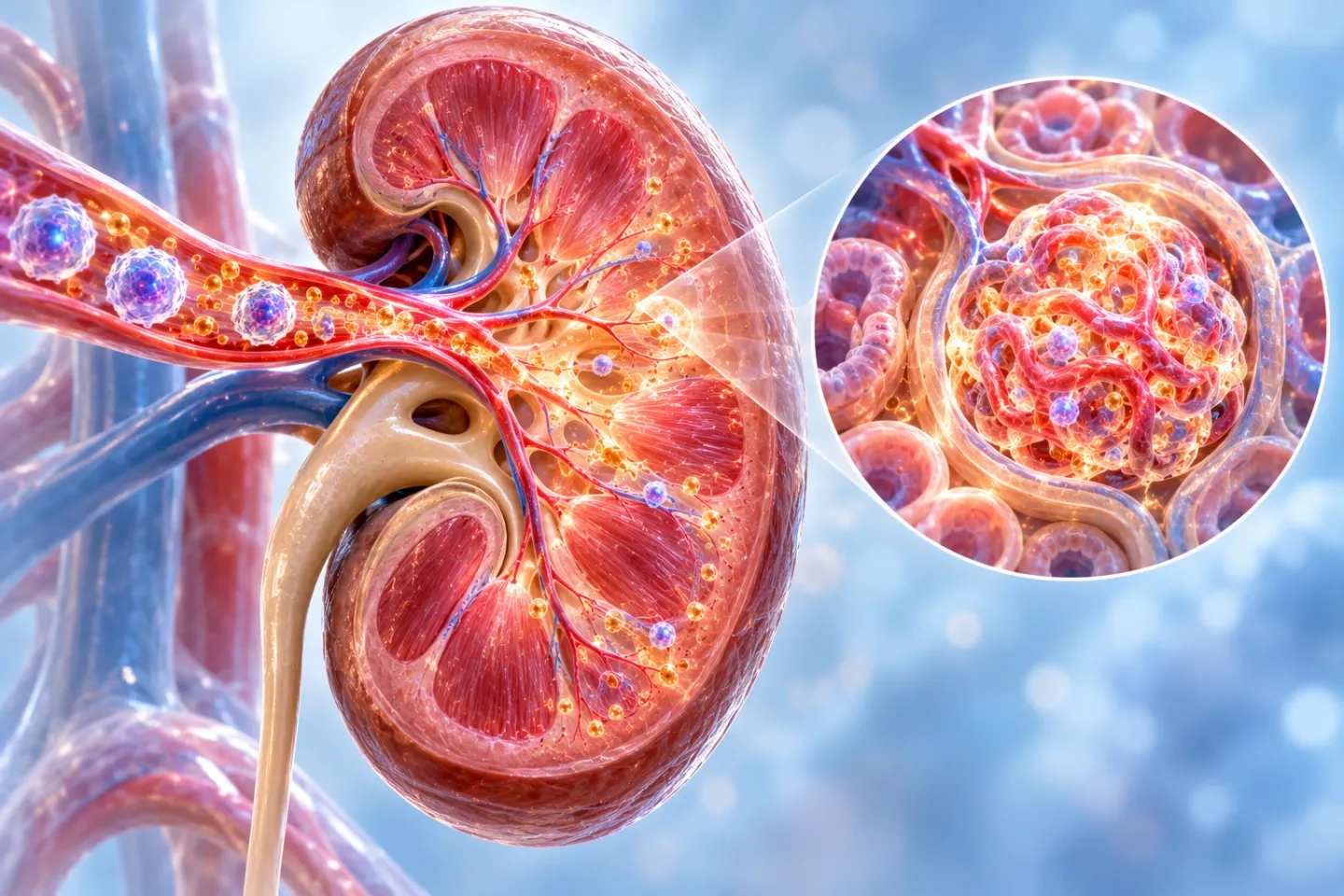
- Stem cellsGiven by IV, they reach the kidneys through the bloodstream.
- ExosomesTiny vesicles carry repair and anti-inflammatory messages into the kidney tissue.
- Kidney tissueCalmer inflammation and less scarring help protect healthy kidney tissue.
- Filters and tubulesThe glomeruli filter your blood; stem cell signals support these tiny filters and the tubule cells around them.
Calming inflammation
In people with CKD, vesicles from umbilical cord stem cells lowered the inflammatory signal TNF-α and raised the calming signal IL-10.9 After stem cell infusions, IL-6 fell in diabetic kidney disease,7 and inflammation markers in the kidney vein went down in renovascular disease.14
Rebalancing the immune system
After one stem cell infusion, people with diabetic kidney disease kept higher levels of regulatory T cells, the immune cells that keep inflammation in check, than with placebo.1 In kidney transplantation, stem cells lowered the rate of rejection compared with standard antibody treatment.17
More blood flow and oxygen
Three months after stem cell treatment, blood flow to the narrowed kidney rose from 152 to 186 ml/min, and the share of kidney tissue short of oxygen fell from 12.1% to 6.8%.8 In research models, CD34+ stem cell exosomes promoted the growth of new small blood vessels.23
Less scarring
Wharton’s jelly stem cells, the same type of cells we use, reduced kidney scarring in research models by raising HGF, the body’s own anti-scarring growth factor.22 In research models of diabetes, umbilical cord stem cell exosomes limited kidney scarring,24 and across 40 animal studies of diabetic kidney disease, cell therapy reduced protein leakage, scarring and inflammation, with umbilical cord cells among the most effective for kidney function.25
Exosomes: messages between cells
In laboratory studies, stem cell vesicles passed their RNA messages into kidney tubule cells and sped up recovery as well as the stem cells themselves did.5 Exosomes even delivered the genetic instructions for the IGF-1 receptor, making damaged tubule cells more responsive to this repair signal.19 Vesicles from Wharton’s jelly stem cells calmed inflammation and reduced later scarring in research models.26
Energy for kidney cells
Kidney tubule cells need large amounts of energy to do their work. In research models, umbilical cord stem cells helped tubule cells regain healthy mitochondria and energy production,27 and stem cells handed over their own mitochondria to stressed tubule cells in diabetic kidney disease.20
Learn more about how our exosome therapy works.
03
Stem cell therapy for kidney disease: success rates and clinical evidence
Kidney studies measure eGFR, creatinine, protein or albumin in the urine and markers of inflammation. Because CKD usually changes slowly, the key result is a slower decline: every ml/min of kidney function you keep is kidney function working for you. These are the key clinical studies:
| Study | Design | What improved |
|---|---|---|
| Perico 2023, J Am Soc Nephrol (NEPHSTROM)1 | Randomised, placebo-controlled; 16 adults with type 2 diabetes and progressive kidney disease; one IV infusion of donor stem cells | Median yearly eGFR fall 2.6 vs 8.7 ml/min with placebo over 18 months; regulatory T cells preserved |
| Packham 2016, EBioMedicine7 | Randomised, double-blind, placebo-controlled; 30 adults with diabetic kidney disease (eGFR 20–50); one IV infusion | eGFR 4.4 ml/min higher than placebo at 12 weeks; lower IL-6 |
| Sabir 2026, J Coll Physicians Surg Pak11 | Randomised, double-blind, placebo-controlled; 78 adults with diabetic kidney disease stages 2–4; one infusion of donor stem cells | Measured GFR +1.9 vs −4.0 ml/min with placebo at 6 months; lower HbA1c |
| Guo 2026, BMC Nephrol6 | Meta-analysis of randomised trials in diabetic kidney disease and lupus nephritis | eGFR 4.6 ml/min higher with stem cells than placebo; no increase in serious side effects in the diabetic kidney disease trials |
| Lin 2026, Stem Cells Transl Med12 | Phase I/II, randomised to three doses; 39 adults with CKD stages 3b–4; one IV infusion of donor stem cells | 88% with a stable or improving eGFR trend over 48 weeks |
| Nassar 2016, Biomater Res9 | Placebo-controlled; 40 adults with CKD stages 3–4; vesicles from umbilical cord stem cells | eGFR 31 → 47 ml/min and creatinine 3.4 → 2.2 mg/dl at 12 weeks; TNF-α down, IL-10 up |
| Zheng 2026, Stem Cell Res Ther2 | 120 adults with hard-to-treat lupus nephritis; umbilical cord stem cells, 1–2 million per kg | Kidney response in 56.7% at 12 months; urine protein 3.2 → 1.2 g a day |
| Saad 2017, J Am Soc Nephrol8 | Controlled; 14 treated vs 14 matched patients with renovascular disease | Kidney blood flow 152 → 186 ml/min; less oxygen shortage; kidney function stable (−3% vs −24%) |
| Abumoawad 2020, Kidney Int14 | Controlled dose study; 21 treated vs 18 patients on medicines alone | Blood flow 164 → 190 ml/min, GFR 53 → 56 ml/min, systolic blood pressure 144 → 136 mmHg |
| Makhlough 2017, Stem Cell Res Ther13 | Single-arm; 6 adults with ADPKD; IV stem cells | Creatinine held at 2.5 mg/dl in the year after treatment, after rising from 2.0 in the year before |
| Tan 2012, JAMA17 | Randomised; 159 kidney transplant recipients | Rejection 7.5% vs 21.6% at 6 months; fewer infections; faster recovery of kidney function |
Slowing the decline in diabetic kidney disease
In the NEPHSTROM trial, adults with type 2 diabetes whose kidney function was falling received one IV infusion of donor stem cells or a placebo. Over 18 months, the median yearly fall in eGFR was 2.6 ml/min with stem cells and 8.7 ml/min with placebo.1 Two other placebo-controlled trials point the same way: eGFR was 4.4 ml/min higher than placebo at 12 weeks,7 and measured kidney function rose by 1.9 ml/min in six months while it fell by 4.0 ml/min with placebo.11
Protecting the kidneys in diabetes
In a randomised study in type 1 diabetes, only 1 of 14 people treated with umbilical cord stem cells, together with their own bone marrow cells, developed diabetic kidney disease over eight years, against 6 of 15 in the control group (7.1% against 40.0%).28
Less protein in the urine
In lupus nephritis, urine protein fell from 3.2 g a day to 2.2 g at 3 months, 1.5 g at 6 months and 1.2 g at 12 months after umbilical cord stem cells, and eGFR rose significantly in people who started at CKD stage 2 or 3a.2 In a multicentre study, 24-hour urine protein in people with lupus nephritis fell after two IV infusions of umbilical cord stem cells.29
Kidney function with age
In a randomised trial in older adults with Parkinson’s disease and normal kidney function, three IV infusions of donor stem cells were followed by an average yearly rise in eGFR of 3.29 ml/min, against a fall of 2.92 ml/min with placebo.30
The overall picture
A 2026 meta-analysis of the randomised trials found eGFR 4.6 ml/min higher with stem cells than with placebo, with no increase in serious side effects in the diabetic kidney disease trials.6 A 2026 systematic review concluded that stem cell therapy contributes to kidney repair, immune balance and functional recovery, with several studies reporting better GFR and less protein in the urine, and favourable short-term safety.31
04
Beyond standard kidney medicines: where stem cells differ
Today’s kidney medicines protect your kidneys in proven ways: blood pressure control with ACE inhibitors or ARBs, SGLT2 inhibitors and, in type 2 diabetes, finerenone or GLP-1 medicines.32 They lower the pressure and strain on the kidney’s filters, and they remain the foundation of your care.
A different kind of support
Stem cell therapy works on another level. It aims to calm the inflammation, support the blood supply and limit the scarring that keep kidney disease moving forward.4822 Researchers describe a combination of immune-balancing, anti-inflammatory and repair-promoting effects, acting on many targets at once.18
Working alongside your medicines
In the trials, people kept taking their usual medicines, and the benefits of stem cells came on top of standard care.17 NEPHSTROM enrolled people whose kidney function was still falling under their regular care, and the yearly decline in eGFR slowed after a stem cell infusion.1 You keep seeing your own kidney doctor as usual.
From a strained kidney to a protected one
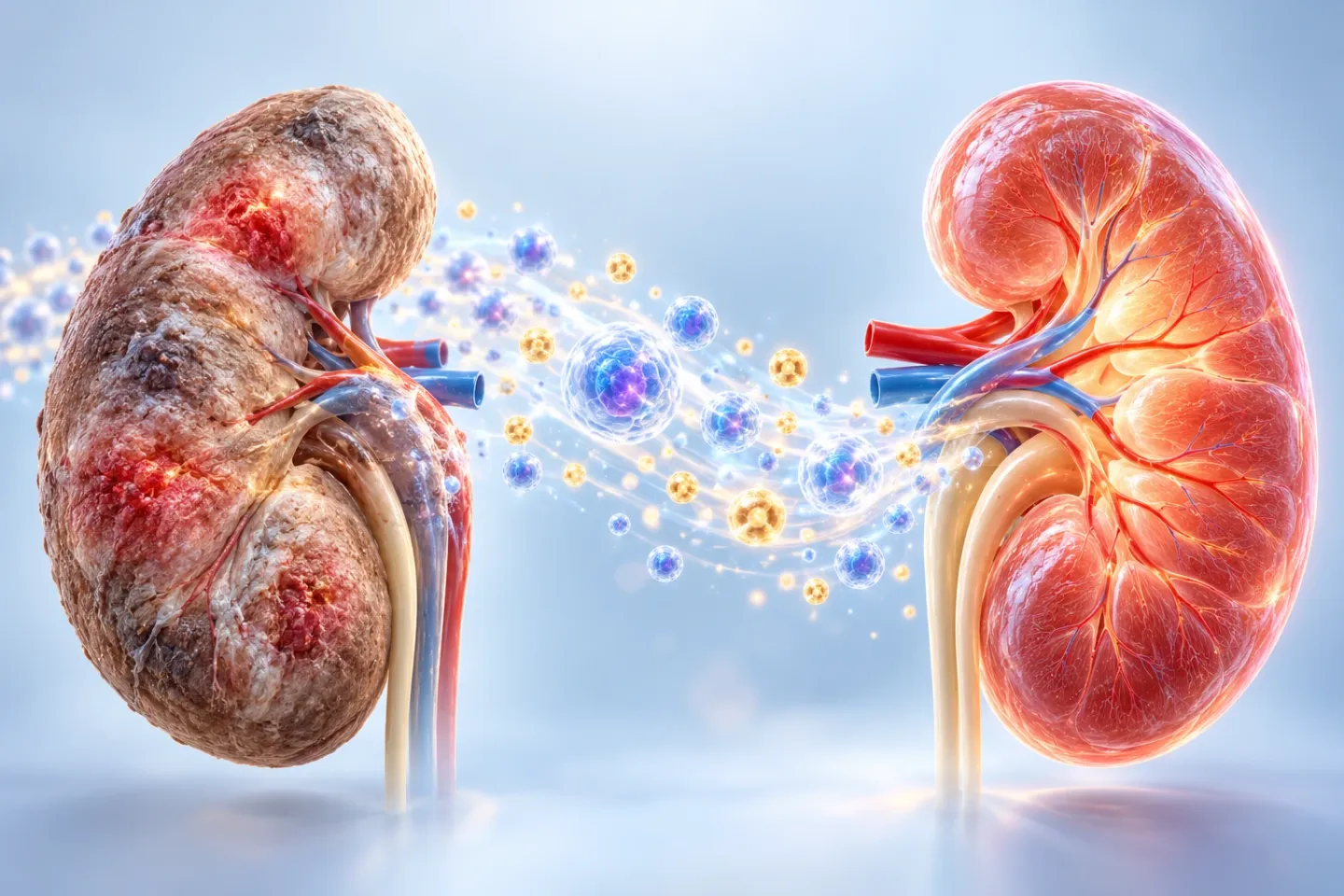
- A damaged kidneyInflammation and scarring slowly reduce how much blood the kidney can filter.
- Stem cells and exosomesRepair and anti-inflammatory signals reach the kidney through the bloodstream.
- A protected kidneyThe aim: to protect the kidney function you have, with a slower fall in eGFR and less protein in the urine, as seen in trials.
05
Is stem cell therapy a cure for kidney disease?
Stem cell therapy is designed to protect the kidney function you have and help you live well with it. Its goals are a slower fall in eGFR, less protein in the urine, calmer inflammation and better blood flow to the kidney: exactly the changes seen in studies.1298
Starting early gives you the most kidney function to protect. In lupus nephritis, 66.3% of people who began with an eGFR of 45 or more had a kidney response,2 and in a CKD trial, people at stage 3b had more improving trends than those at stage 4.12
In short: stem cell therapy aims to slow the decline of kidney disease and protect your remaining kidney function, alongside your usual care.

06
Who is stem cell therapy for kidney disease for?
Most adults with chronic kidney disease can be assessed. It has been studied most in:
- Diabetic kidney disease, in type 1 or type 2 diabetes, the group with the most randomised trials.1711
- CKD stages 3 and 4 from high blood pressure, glomerulonephritis or other causes.129
- Lupus nephritis, including kidney disease that has not responded to standard treatment.215
- Polycystic kidney disease (ADPKD).13
- Reduced blood flow to the kidney from narrowed kidney arteries.814
- People on dialysis, where a study looked at anaemia, nutrition and inflammation.16
The earlier treatment begins, the more kidney function there is to protect: in studies, people with a higher starting eGFR responded best.212 Our specialist reviews your eGFR, creatinine, urine albumin, blood count and medicines first, so your plan fits your health.
07
Your stem cell treatment for kidney disease in Istanbul, step by step
Published kidney studies used about 1 to 2 million stem cells per kilogram of body weight.21513 Your plan states your exact cell count in writing, and your treatment takes one day, with no harvest from your own body and no second trip.

Free medical review
Send us your latest kidney tests: eGFR and creatinine, a urine albumin-to-creatinine ratio, a complete blood count and a metabolic panel, HbA1c if you have diabetes, any kidney ultrasound or biopsy report, and a list of your medicines.
Free phone consultation and fixed price
Once your case is approved, you discuss your plan with the specialist team led by Dr. Cihan Bolat and receive the total, all-inclusive price in writing.
Fresh preparation
After your deposit, your Wharton’s jelly stem cells and exosomes are prepared fresh for your date in a Ministry of Health-approved GMP laboratory. Preparation usually takes 5 to 10 days.
Treatment day
Our driver takes you to the clinic, where you receive your stem cells and exosomes by a relaxed IV infusion, and brings you back afterwards. The cell count and viability are certified before your treatment.
Home and follow-up
We review your kidney tests with you at about 1, 3, 6 and 12 months and plan any further session with you.
Read more about the treatment process step by step.
08
When you may notice changes
Kidney disease changes slowly, so results are measured over months. In trials, eGFR and creatinine improved by 12 weeks,79 blood flow to the kidney rose and haemoglobin and albumin improved within three months,816 urine protein kept falling at 3, 6 and 12 months,2 and the slower yearly decline in eGFR was measured over 18 months.1 In lupus studies, researchers suggested repeating treatment after about six months to keep the benefit going.29 We review your kidney tests with you at about 1, 3, 6 and 12 months.
- 12 weeksFirst lab changeseGFR and creatinine improved in trials
- 3 monthsBetter blood flowMore blood and oxygen for the kidney
- 6 monthsLess proteinUrine protein keeps falling
- 12–18 monthsSlower declineA slower yearly fall in eGFR
- Top-upKeep it goingA repeat session can be planned
09
Is stem cell therapy safe for kidney patients?
The published safety record is reassuring. In the placebo-controlled trials in diabetic kidney disease, there were no infusion reactions to the cells and no treatment-related serious side effects,71 and no lasting antibodies against the donor cells developed.7 People with CKD and polycystic kidney disease had no cell-related side effects over 12 to 18 months of follow-up,1333 and across 146 umbilical cord stem cell infusions in lupus nephritis, no severe adverse events occurred.2 A 2026 meta-analysis of the randomised trials in diabetic kidney disease found no increase in serious side effects with stem cells.6
More broadly, a 2021 meta-analysis of 62 randomised trials with 3,546 patients found mesenchymal stem cell treatment safe compared with placebo, with no serious adverse events such as death or infection; the most common effect was a passing fever.34 Wharton’s jelly stem cells carry very few of the markers that trigger rejection, so no donor matching is needed.35 Before your plan is made, our specialist team reviews your kidney function, blood tests and medicines carefully, and your IV infusion is given by our medical team.
10
Stem cells vs kidney medicines, dialysis and transplant
Each option for kidney disease has its own role, and they work best together. Stem cell therapy is the option designed to act on inflammation, blood supply and scarring at the same time, alongside your medicines.
| Option | How it works | Main goal | How often |
|---|---|---|---|
| Stem cells and exosomes | Repair signals that calm inflammation, support blood flow and limit scarring4822 | Protect the kidney function you have1 | One treatment day; a repeat session can be planned |
| Blood pressure medicines (ACE inhibitors, ARBs) | Lower the pressure inside the kidney’s filters32 | Slow progression and reduce urine protein | Daily tablets |
| SGLT2 inhibitors | Reduce the strain on the filters32 | Slow progression and protect the heart | Daily tablets |
| Dialysis | A machine, or the lining of the abdomen, filters the blood | Take over the work of the kidneys | Several sessions a week, or daily |
| Kidney transplant | A donor kidney takes over | Take over the work of the kidneys | One operation, then lifelong anti-rejection medicines |
Stem cells add a different kind of support to these treatments. In the trials, their benefits came on top of standard care.17
11
Stem cell therapy for kidney disease cost in Turkey: what’s included
Your price depends on the number of Wharton’s jelly stem cells, the amount of exosomes and the sessions in your plan. After your free medical review you receive a fixed, all-inclusive price in writing, before you book anything.
Included
- Free medical review and phone consultation
- Fresh Wharton’s jelly stem cells and exosomes, with certified count and viability
- Treatment by our specialist team
- Ground transport to and from the clinic
- A personal case manager
- Aftercare and follow-up reviews
Not included / optional
- Flights
- Hotel stay, which we can arrange for you
- A second session, if it is part of your plan
12
Our guarantees to you
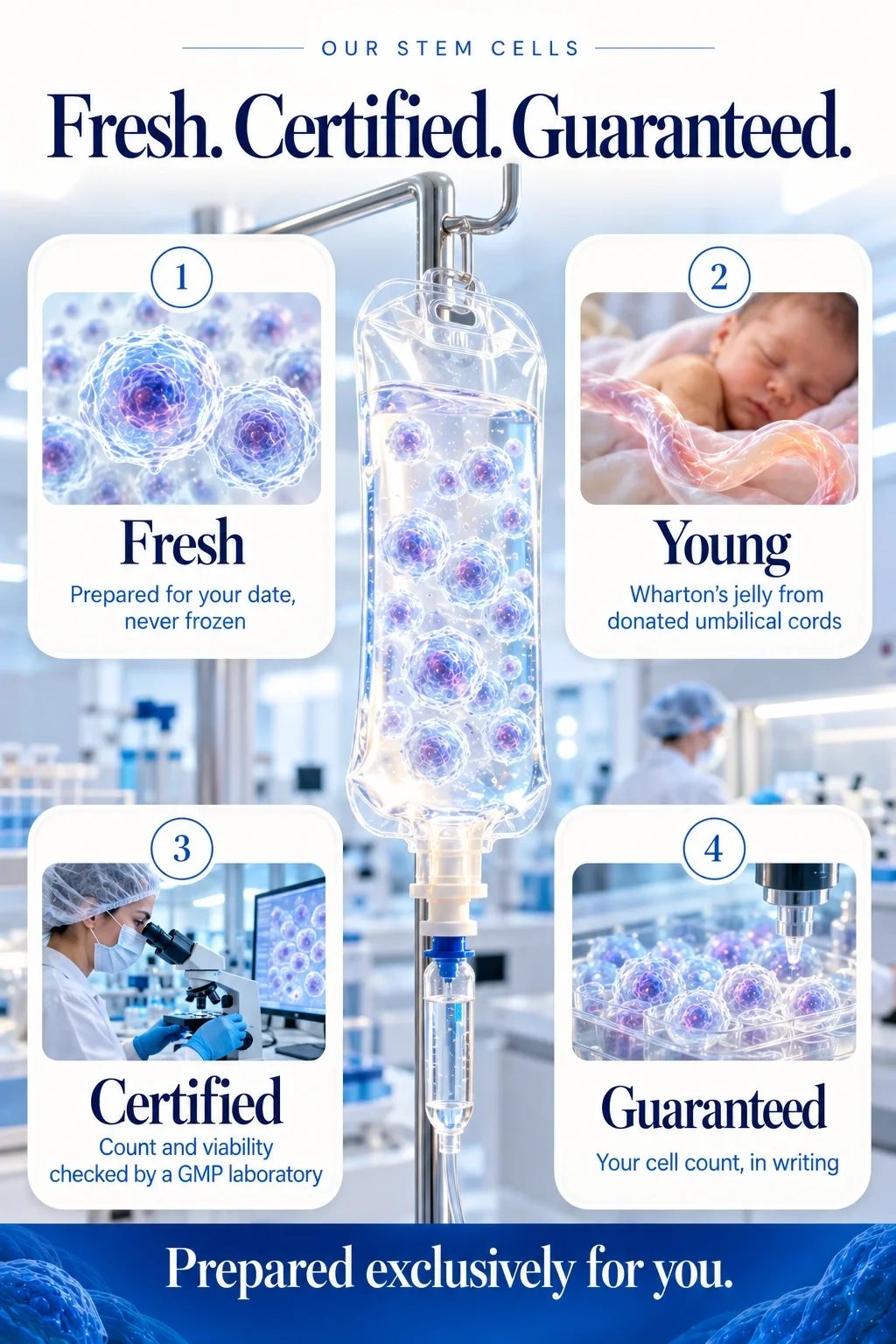
- A fixed price in writingYour all-inclusive price is confirmed in writing before you travel. No surprises.
- A guaranteed cell countThe number of fresh stem cells in your plan is guaranteed, and the count and viability are checked and certified by our GMP laboratory before treatment.
- Follow-up includedReviews of your kidney tests at about 1, 3, 6 and 12 months are part of every treatment.
- A free consultation with Dr. Cihan BolatBefore you commit, our medical director reviews your case and your kidney tests free of charge.
13
Where can I get stem cell treatment for kidney disease?
With us in Istanbul, Turkey, after a free medical review. In much of Europe and the United States, stem cell therapy for kidney disease is offered mainly within research studies, which is why many patients travel to experienced clinics abroad. Patients from abroad choose Istanbul Stemcell for these reasons:
Led by Dr. Cihan Bolat
Your case is reviewed and your treatment planned by the specialist team led by our medical director, Uzm. Dr. Cihan Bolat.
Fresh, never frozen
Wharton’s jelly stem cells from donated umbilical cords, prepared for your date in a Ministry of Health-approved GMP laboratory and never frozen.
Certified quality
Your cell count is guaranteed in writing, and the count and viability are certified before every treatment.
Stem cells and exosomes together
Wharton’s jelly and CD34+ stem cell exosomes are added according to your plan, for extra repair signals.
One trip, no harvest
Nothing is taken from your own body: one treatment day, ground transport and a personal case manager, with your hotel arranged on request.
Clear pricing
A fixed, all-inclusive price in writing before you travel, and follow-up reviews at about 1, 3, 6 and 12 months.
14
Frequently asked questions
Does stem cell therapy work for kidney disease?
The results are encouraging. In a placebo-controlled trial in diabetic kidney disease, the median fall in eGFR was 2.6 ml/min a year after a single stem cell infusion, against 8.7 ml/min with placebo. A 2026 meta-analysis of the randomised trials found eGFR about 4.6 ml/min higher with stem cells than with placebo.
Can stem cells cure chronic kidney disease?
Stem cell therapy aims to protect the kidney function you have and slow its decline, alongside your usual care. In studies, people had a slower fall in eGFR, less protein in the urine, calmer inflammation and better blood flow to the kidney. Starting early gives you the most kidney function to protect.
Can stem cell therapy help kidney failure or people on dialysis?
Stem cell therapy works alongside dialysis rather than replacing it. In 24 people on peritoneal dialysis, umbilical cord stem cell treatment was followed within three months by higher haemoglobin and albumin and lower CRP, a marker of inflammation. Our specialist reviews your situation and explains what your plan can aim for.
Can stem cells improve my eGFR and creatinine?
In several studies, yes. In diabetic kidney disease, eGFR was 4.4 ml/min higher than with placebo 12 weeks after one infusion. In people with CKD stages 3 and 4, vesicles from umbilical cord stem cells lowered creatinine from 3.4 to 2.2 mg/dl at 12 weeks, and in lupus nephritis, eGFR rose significantly over 12 months in people who started at CKD stage 2 or 3a.
Which stage of CKD is best for stem cell therapy?
Most trials included people with CKD stages 3 and 4. The earlier you start, the more kidney function there is to protect: in lupus nephritis, 66.3% of people with an eGFR of 45 or more had a kidney response, and in a CKD trial, people at stage 3b had more improving trends than those at stage 4. Our specialist reviews your results at any stage.
Does stem cell therapy help diabetic kidney disease (diabetic nephropathy)?
Diabetic kidney disease is the form with the most randomised trials. A single IV stem cell infusion slowed the yearly decline in eGFR compared with placebo, and in a 2026 double-blind trial measured kidney function rose by 1.9 ml/min in six months while it fell by 4.0 ml/min with placebo. In type 1 diabetes, fewer people treated with umbilical cord stem cells developed kidney disease over eight years.
Can stem cells help polycystic kidney disease (PKD)?
In a study of six people with autosomal dominant polycystic kidney disease, creatinine had risen from 2.0 to 2.5 mg/dl in the year before a single IV stem cell infusion and stayed at 2.5 mg/dl in the year after it, with no cell-related side effects.
Can stem cell therapy help lupus nephritis?
This is one of the best-studied areas. In 120 people with lupus nephritis that had not responded to standard treatment, 56.7% achieved a kidney response within 12 months of umbilical cord stem cells, and urine protein fell from 3.2 to 1.2 g a day. Read more on our lupus page.
Can stem cells reduce protein in the urine (proteinuria)?
In lupus nephritis, urine protein fell steadily after umbilical cord stem cells: from 3.2 g a day to 2.2 g at 3 months, 1.5 g at 6 months and 1.2 g at 12 months. Less protein in the urine is a sign that the kidney’s filters are under less strain.
Is stem cell therapy safe for people with kidney disease?
The published safety record is reassuring. In the placebo-controlled kidney trials there were no treatment-related serious side effects, and a 2026 meta-analysis found no increase in serious side effects with stem cells. A 2021 meta-analysis of 62 randomised trials with 3,546 patients found mesenchymal stem cell treatment safe; the most common effect was a passing fever.
How is stem cell therapy for kidney disease given?
By a relaxed IV infusion, the route used in the diabetic kidney disease trials, so the cells and their signals travel through the bloodstream to the kidneys. Your plan can add Wharton’s jelly and CD34+ stem cell exosomes. The treatment takes one day, with no harvest from your own body.
How many sessions do I need, and how long do the results last?
The trials in diabetic kidney disease used a single infusion and followed people for up to 18 months, with the slower decline measured over that time. In lupus studies, researchers suggested repeating treatment after about six months to keep the benefit going. Your plan states the number of sessions and your cell count in writing.
Can I keep taking my kidney medicines?
Yes. In the trials, people continued their usual medicines, such as blood pressure and diabetes medicines, and the benefits of stem cells came on top of standard care. Keep seeing your own kidney doctor as usual.
How much does stem cell therapy for kidney disease cost in Turkey?
Your price depends on the number of stem cells, the amount of exosomes and the sessions in your plan. After a free medical review you receive a fixed, all-inclusive price in writing, which includes the treatment, fresh Wharton’s jelly stem cells and exosomes, ground transport, a personal case manager and follow-up reviews.
What tests should I send for my free medical review?
Your latest eGFR and creatinine, a urine albumin-to-creatinine ratio, a complete blood count and a metabolic panel, HbA1c if you have diabetes, any kidney ultrasound or biopsy report and a list of your medicines. Older results help too, because they show how your kidney function has changed over time.
Where can I get stem cell therapy for kidney disease?
With us in Istanbul, Turkey, after a free medical review. In much of Europe and the United States, stem cell therapy for kidney disease is offered mainly within research studies, which is why many patients travel to experienced clinics abroad. We use fresh Wharton’s jelly stem cells from a Ministry of Health-approved GMP laboratory.
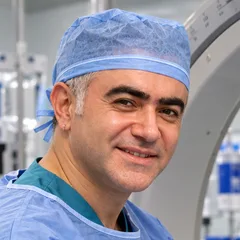
Medical review
Uzm. Dr. Cihan Bolat
Medical Director, Istanbul Stemcell
This page was written from the published studies listed below and reviewed for medical accuracy on .
15
References
- Perico N, et al. Safety and Preliminary Efficacy of Mesenchymal Stromal Cell (ORBCEL-M) Therapy in Diabetic Kidney Disease: A Randomized Clinical Trial (NEPHSTROM). J Am Soc Nephrol. 2023;34(10):1733-1751. PMID 37560967
- Zheng Y, et al. Allogeneic umbilical cord-derived mesenchymal stromal cells for treatment of refractory lupus nephritis: a real-world study. Stem Cell Res Ther. 2026;17(1). PMID 42001190
- Herrera MB, et al. Exogenous mesenchymal stem cells localize to the kidney by means of CD44 following acute tubular injury. Kidney Int. 2007;72(4):430-41. PMID 17507906
- Tögel F, et al. Administered mesenchymal stem cells protect against ischemic acute renal failure through differentiation-independent mechanisms. Am J Physiol Renal Physiol. 2005;289(1):F31-42. PMID 15713913
- Bruno S, et al. Mesenchymal stem cell-derived microvesicles protect against acute tubular injury. J Am Soc Nephrol. 2009;20(5):1053-67. PMID 19389847
- Guo J, et al. A systematic review and meta-analysis of mesenchymal stem cell therapy in diabetic nephropathy and lupus nephritis or proteinuric nephropathy. BMC Nephrol. 2026;27(1). PMID 41877062
- Packham DK, et al. Allogeneic Mesenchymal Precursor Cells (MPC) in Diabetic Nephropathy: A Randomized, Placebo-controlled, Dose Escalation Study. EBioMedicine. 2016;12:263-269. PMID 27743903
- Saad A, et al. Autologous Mesenchymal Stem Cells Increase Cortical Perfusion in Renovascular Disease. J Am Soc Nephrol. 2017;28(9):2777-2785. PMID 28461553
- Nassar W, et al. Umbilical cord mesenchymal stem cells derived extracellular vesicles can safely ameliorate the progression of chronic kidney diseases. Biomater Res. 2016;20:21. PMID 27499886
- Kovesdy CP. Epidemiology of chronic kidney disease: an update 2022. Kidney Int Suppl (2011). 2022;12(1):7-11. PMID 35529086
- Sabir S, et al. Effect of Mesenchymal Stem Cell Infusion in Stage II-IV Diabetic Nephropathy. J Coll Physicians Surg Pak. 2026;36(1):31-37. PMID 41792063
- Lin YC, et al. Clinical efficacy and safety of allogeneic adipose-derived stem cells ELIXCYTE in chronic kidney disease: a phase I/II study. Stem Cells Transl Med. 2026;15(1). PMID 41555517
- Makhlough A, et al. Safety and tolerability of autologous bone marrow mesenchymal stromal cells in ADPKD patients. Stem Cell Res Ther. 2017;8(1):116. PMID 28535817
- Abumoawad A, et al. In a Phase 1a escalating clinical trial, autologous mesenchymal stem cell infusion for renovascular disease increases blood flow and the glomerular filtration rate while reducing inflammatory biomarkers and blood pressure. Kidney Int. 2020;97(4):793-804. PMID 32093917
- Gu F, et al. Allogeneic mesenchymal stem cell transplantation for lupus nephritis patients refractory to conventional therapy. Clin Rheumatol. 2014;33(11):1611-9. PMID 25119864
- Jiang HY, et al. Clinical observation of umbilical cord mesenchymal stem cell transplantation for treating patients receiving peritoneal dialysis. Minerva Urol Nefrol. 2018;70(1):95-101. PMID 28882029
- Tan J, et al. Induction therapy with autologous mesenchymal stem cells in living-related kidney transplants: a randomized controlled trial. JAMA. 2012;307(11):1169-77. PMID 22436957
- Perico N, Casiraghi F, Remuzzi G. Clinical Translation of Mesenchymal Stromal Cell Therapies in Nephrology. J Am Soc Nephrol. 2018;29(2):362-375. PMID 29191959
- Tomasoni S, et al. Transfer of growth factor receptor mRNA via exosomes unravels the regenerative effect of mesenchymal stem cells. Stem Cells Dev. 2013;22(5):772-80. PMID 23082760
- Konari N, et al. Mitochondria transfer from mesenchymal stem cells structurally and functionally repairs renal proximal tubular epithelial cells in diabetic nephropathy in vivo. Sci Rep. 2019;9(1):5184. PMID 30914727
- Imberti B, et al. Insulin-like growth factor-1 sustains stem cell mediated renal repair. J Am Soc Nephrol. 2007;18(11):2921-8. PMID 17942965
- Du T, et al. Human Wharton's jelly-derived mesenchymal stromal cells reduce renal fibrosis through induction of native and foreign hepatocyte growth factor synthesis in injured tubular epithelial cells. Stem Cell Res Ther. 2013;4(3):59. PMID 23734757
- Mathiyalagan P, et al. Angiogenic Mechanisms of Human CD34(+) Stem Cell Exosomes in the Repair of Ischemic Hindlimb. Circ Res. 2017;120(9):1466-1476. PMID 28298297
- Zhang K, et al. Human umbilical cord mesenchymal stem cell-derived exosomes ameliorate renal fibrosis in diabetic nephropathy by targeting Hedgehog/SMO signaling. FASEB J. 2024;38(7):e23599. PMID 38572590
- Hickson LJ, et al. A systematic review and meta-analysis of cell-based interventions in experimental diabetic kidney disease. Stem Cells Transl Med. 2021;10(9):1304-1319. PMID 34106528
- Zou X, et al. Microvesicles derived from human Wharton's Jelly mesenchymal stromal cells ameliorate renal ischemia-reperfusion injury in rats by suppressing CX3CL1. Stem Cell Res Ther. 2014;5(2):40. PMID 24646750
- Perico L, et al. Human mesenchymal stromal cells transplanted into mice stimulate renal tubular cells and enhance mitochondrial function. Nat Commun. 2017;8(1):983. PMID 29042548
- Wu Z, et al. Prevention of chronic diabetic complications in type 1 diabetes by co-transplantation of umbilical cord mesenchymal stromal cells and autologous bone marrow: a pilot randomized controlled open-label clinical study with 8-year follow-up. Cytotherapy. 2022;24(4):421-427. PMID 35086778
- Wang D, et al. Umbilical cord mesenchymal stem cell transplantation in active and refractory systemic lupus erythematosus: a multicenter clinical study. Arthritis Res Ther. 2014;16(2):R79. PMID 24661633
- Martinez-Lemus JD, et al. Allogeneic bone marrow-derived mesenchymal stem cells in the aging kidney: secondary results of a Parkinson's disease clinical trial. Stem Cell Res Ther. 2025;16(1):493. PMID 40993774
- Khatami S, et al. Translating Mesenchymal Stem Cell Research into Chronic Kidney Disease Therapy: A Systematic and Clinical Review. Iran Biomed J. 2026;30(4):212-24. PMID 42728363
- . KDIGO 2024 Clinical Practice Guideline for the Evaluation and Management of Chronic Kidney Disease. Kidney Int. 2024;105(4S):S117-S314. PMID 38490803
- Makhlough A, et al. Bone marrow-mesenchymal stromal cell infusion in patients with chronic kidney disease: A safety study with 18 months of follow-up. Cytotherapy. 2018;20(5):660-669. PMID 29580865
- Wang Y, Yi H, Song Y. The safety of MSC therapy over the past 15 years: a meta-analysis. Stem Cell Res Ther. 2021;12(1):545. PMID 34663461
- Weiss ML, et al. Immune properties of human umbilical cord Wharton's jelly-derived cells. Stem Cells. 2008;26(11):2865-74. PMID 18703664