
01
Can plaque in arteries be reversed? The short, hopeful answer
In short: yes, plaque can shrink, and above all it can become calmer and more stable. Imaging trials that measured plaque inside the heart arteries before and after treatment found that strong LDL cholesterol lowering makes plaque smaller in the majority of patients, and the lower LDL went, the more plaque regressed.61 Plaque rarely disappears completely, but a smaller, better-sealed plaque is a very good result for your heart: across 23 imaging studies, each 1% of extra plaque regression between treatment groups was linked to 25% lower odds of major heart events.16
Being told you have plaque in your arteries, perhaps after a calcium score, a CT scan or a stent, can feel unsettling. The encouraging news is that atherosclerosis is one of the most treatable long-term conditions in medicine. LDL cholesterol is its main driver, and lowering it by any proven means lowers the risk in proportion to how far and how long it is lowered.17 Blood pressure, smoking, diabetes and inflammation add to plaque growth, so each of them is a lever you can pull too.18
This guide follows the questions people ask most: what plaque is, how to reduce plaque in arteries with food, exercise and medicines, what statins and the newer medicines achieve, and where regenerative medicine fits. On that last point we are precise. Wharton’s jelly stem cells and exosomes complement plaque-lowering treatment rather than replacing it; in people, their published results are in the heart muscle and its small blood vessels, after a heart attack, in angina and in heart failure. For our full treatment page, see stem cell therapy for cardiovascular diseases.
Plaque and heart results at a glance
- −21.1%total coronary plaque volume in 18 months with rosuvastatin plus ezetimibe, in a 2026 randomised trial1
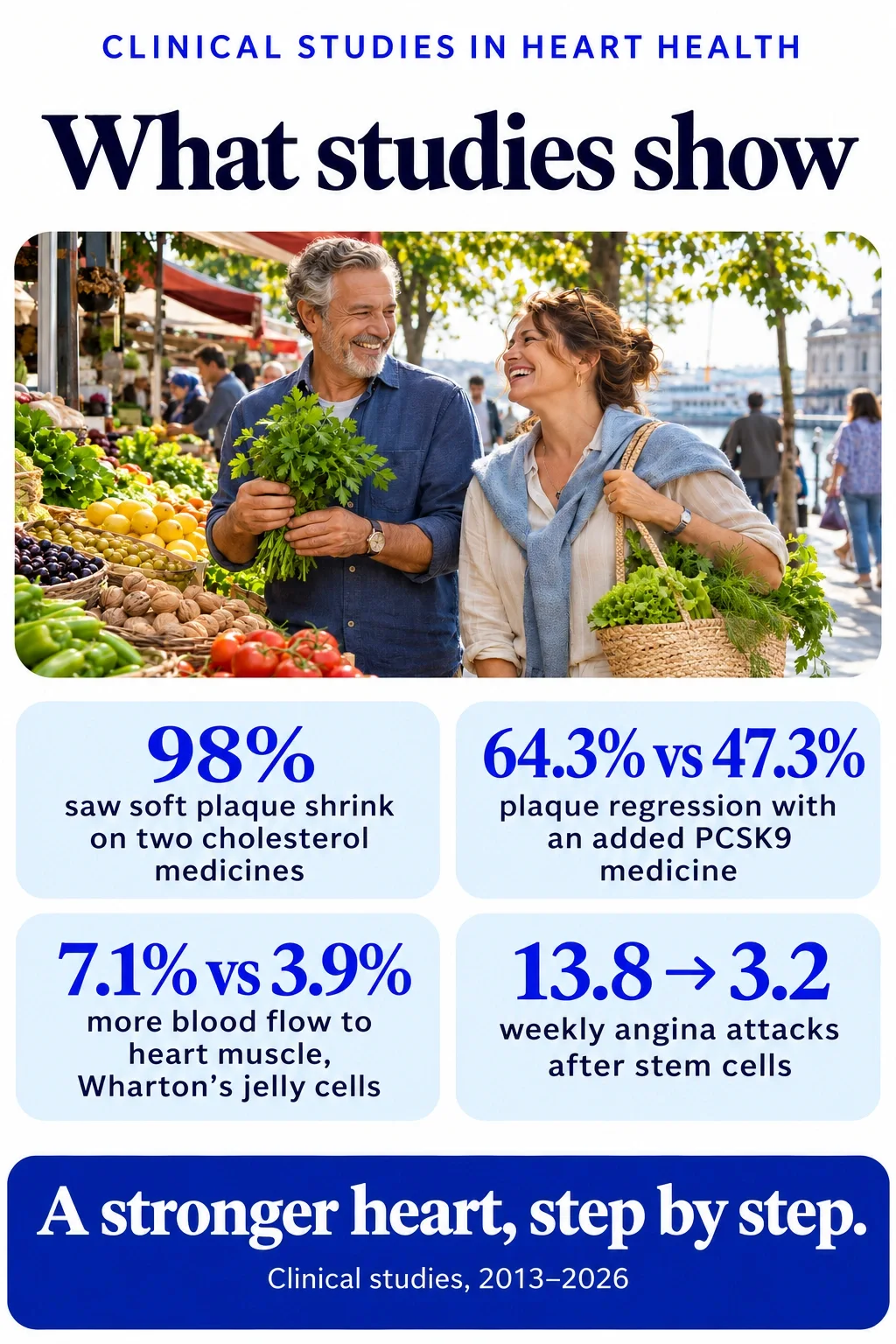
- 98%of patients had regression of soft (non-calcified) plaque with more intensive cholesterol lowering1
- 64.3% vs 47.3%of patients had plaque regression with evolocumab added to a statin, against placebo9
- +7.8 vs +2.8points of heart pumping strength 18 months after Wharton’s jelly stem cells following a heart attack, against placebo5
02
What is arterial plaque, and why does it build up?
Arterial plaque is a build-up of cholesterol, immune cells, fibrous tissue and, over time, calcium inside the wall of an artery. Doctors call the process atherosclerosis. It usually grows slowly over decades, often without symptoms, and it can affect the heart arteries (coronary artery disease), the neck arteries that supply the brain (the carotid arteries) and the leg arteries (peripheral artery disease).18
How plaque forms
LDL particles carry cholesterol through the blood. When there are many of them, some slip into the artery wall and are trapped there. The wall responds with inflammation, immune cells called macrophages take up the cholesterol and become ‘foam cells’, and a fibrous cap forms over the fatty core.18 Genetic studies, cohort studies and trials with more than 2 million people show a consistent, dose-dependent link between LDL cholesterol and artery disease, and the benefit of lowering LDL grows with how far and how long it is lowered.17
Soft plaque, calcified plaque and stable plaque
- Soft (non-calcified) plaque is rich in fat and inflammation. It is the type that shrinks most with treatment: in a 2026 trial it regressed in 98% of patients on intensive cholesterol lowering.1
- Calcified plaque is hardened plaque. Calcium can even rise on statins as plaque matures and settles, which researchers see as one of the ways statins stabilise plaque.19
- The fibrous cap keeps the fatty core sealed away from the blood. Modern medicines thicken this cap, which is what doctors mean by a more stable plaque.1020
That is why the goal of treatment is twofold: a smaller plaque, and a calmer, better-sealed one. Both are within reach.
Heart arteries
Narrowed coronary arteries can cause chest tightness on exertion, called angina. Read about stem cell therapy for angina pectoris.
After a heart attack
When a heart attack has left scar tissue, the heart muscle can weaken, which doctors call ischaemic cardiomyopathy. See stem cell therapy for ischaemic cardiomyopathy.
Neck arteries
Plaque in the carotid arteries is often found on an ultrasound scan, and the same steps that help the heart help here: a Mediterranean diet thinned the carotid artery wall and lowered plaque height in a long-term trial.3
Leg arteries
Narrowed leg arteries can cause calf pain when walking. The section on angina and blood flow below covers what research reports for the legs.
03
Statins and plaque regression: what the imaging trials show
Doctors can now watch plaque change. Intravascular ultrasound (IVUS), a tiny probe passed into a heart artery during an angiogram, measures the share of the artery wall taken up by plaque, called percent atheroma volume. Coronary CT angiography and optical coherence tomography (OCT) add detail on soft plaque and the fibrous cap. Measured this way, modern cholesterol-lowering treatment shrinks plaque in the majority of patients.
Statins: the foundation
In the ASTEROID trial, 349 patients with coronary disease took high-intensity rosuvastatin for two years. Their LDL cholesterol fell by 53.2%, to an average of 60.8 mg/dL, and plaque regressed on all three measures, with total atheroma volume down by a median of 6.8%.6 In SATURN, 1,039 patients took atorvastatin 80 mg or rosuvastatin 40 mg for 104 weeks, and both regimens regressed coronary plaque, in 63.2% and 68.5% of patients.7 Starting early pays off: in the ESTABLISH study, atorvastatin begun after an acute coronary event reduced plaque volume by 13.1% in six months, while plaque grew by 8.7% in the control group.21
Adding a second medicine does more
The lower LDL goes, the more plaque regresses.1 In PRECISE-IVUS, 202 patients who had had a stent took atorvastatin with or without ezetimibe, and plaque regressed in 78% of those taking both, against 58% with atorvastatin alone.8 In the 2026 FLOWPROMOTE trial in people newly diagnosed with coronary disease, rosuvastatin plus ezetimibe lowered LDL cholesterol by 65%, to 42.5 mg/dL, and reduced total plaque volume by 21.1% in 18 months, against 13.6% with atorvastatin alone; soft plaque shrank by 28.2%.1
PCSK9 inhibitors, injections given every two to four weeks, lower LDL further still. In GLAGOV, with 968 patients, evolocumab added to a statin brought LDL down to 36.6 mg/dL and led to plaque regression in 64.3% of patients, against 47.3% with placebo.9 After a heart attack, in PACMAN-AMI, alirocumab reduced percent atheroma volume by 2.13%, against 0.92% with placebo, shrank the fatty core and nearly doubled the thickening of the fibrous cap.10 In HUYGENS, evolocumab after a heart attack thickened the cap by 42.7 µm, against 21.5 µm, and reduced the signs of inflammatory cells (macrophages) in the plaque.20
Why a smaller, calmer plaque matters
Shrinking and sealing plaque goes hand in hand with fewer heart events. Across 23 imaging studies with 7,407 patients, each 1% of extra regression between treatment groups was associated with 25% lower odds of major heart events.16 Across 26 randomised trials with about 170,000 people, each 1.0 mmol/L reduction in LDL cholesterol lowered the yearly rate of heart attacks, artery-opening procedures and ischaemic strokes by just over a fifth.22
| Trial | People | Treatment | What happened to plaque |
|---|---|---|---|
| ASTEROID, Nissen 20066 | 349 patients with coronary disease; 2 years | Rosuvastatin 40 mg | LDL −53.2%; total atheroma volume −6.8% (median) |
| SATURN, Nicholls 20117 | 1,039 patients; 104 weeks | Atorvastatin 80 mg or rosuvastatin 40 mg | Regression in 63.2% and 68.5% of patients |
| ESTABLISH, Okazaki 200421 | 48 patients after an acute coronary event; 6 months | Atorvastatin vs control | Plaque volume −13.1% vs +8.7% |
| PRECISE-IVUS, Tsujita 20158 | 202 patients after a stent; 9–12 months | Atorvastatin plus ezetimibe vs atorvastatin | Regression in 78% vs 58% of patients |
| GLAGOV, Nicholls 20169 | 968 patients; 76 weeks | Evolocumab vs placebo, with a statin | Regression in 64.3% vs 47.3%; LDL 36.6 vs 93.0 mg/dL |
| PACMAN-AMI, Räber 202210 | 300 patients after a heart attack; 52 weeks | Alirocumab vs placebo, with a high-intensity statin | Atheroma volume −2.13% vs −0.92%; fibrous cap +62.67 vs +33.19 µm |
| HUYGENS, Nicholls 202220 | 161 patients after a heart attack; 52 weeks | Evolocumab vs placebo, with a statin | Fibrous cap +42.7 vs +21.5 µm; atheroma volume −2.29% vs −0.61% |
| FLOWPROMOTE, Mortensen 20261 | 104 people newly diagnosed with coronary disease; 18 months | Rosuvastatin plus ezetimibe vs atorvastatin | Total plaque −21.1% vs −13.6%; soft plaque regressed in 98% vs 77% |
04
Beyond statins: ezetimibe, PCSK9 inhibitors, inclisiran, bempedoic acid and colchicine
Statins remain the first choice for most people, and several other medicines can be added when LDL cholesterol needs to go lower, or used when statins do not suit you. Your own doctor chooses and adjusts them; here is what the large trials report.
How low should LDL cholesterol go?
European guidelines recommend an LDL cholesterol below 1.4 mmol/L (55 mg/dL), together with a reduction of at least 50%, for people at very high risk, such as those with known coronary disease, and below 1.8 mmol/L (70 mg/dL) for people at high risk. They also advise measuring lipoprotein(a), an inherited cholesterol particle, at least once in every adult’s life.23
Medicines that lower LDL further
- Ezetimibe reduces cholesterol absorption from the gut. Added to a statin after an acute coronary event in IMPROVE-IT, it lowered LDL to 53.7 mg/dL and reduced the trial’s main heart outcome from 34.7% to 32.7% over seven years.24
- Evolocumab and alirocumab (PCSK9 inhibitors) are injections. In FOURIER, evolocumab lowered LDL by 59%, to a median of 30 mg/dL, and reduced major heart and circulation events from 11.3% to 9.8%.25
- Inclisiran is an injection given on day 1, at three months and then every six months. In two phase 3 trials, it lowered LDL by about 50%.26
- Bempedoic acid is a daily tablet for people who cannot take statins. In CLEAR Outcomes, with 13,970 patients, major heart events fell from 13.3% to 11.7%, and heart attacks from 4.8% to 3.7%.27
Calming inflammation in the artery wall
Because plaque is partly an inflammatory process, low-dose colchicine, a long-established anti-inflammatory medicine, has been studied in coronary disease. In LoDoCo2, with 5,522 patients, heart events occurred in 6.8% of those on colchicine and 9.6% on placebo.28 In a CT study after an acute coronary event, colchicine reduced the volume of soft, low-attenuation plaque by 40.9%, against 17.0% without it, together with a fall in the inflammation marker hsCRP.29 Inflammation is also where regenerative medicine has a natural role, as you will read below.
Share of patients whose coronary plaque regressed
Evolocumab added to a statin, against placebo, at 76 weeks9
Atorvastatin plus ezetimibe, against atorvastatin alone, after a stent8
Soft plaque with rosuvastatin plus ezetimibe, against atorvastatin, at 18 months1
Where stem cells fit. These medicines lower the cholesterol that feeds plaque. Wharton’s jelly stem cells and exosomes work on a different level: in people with heart disease, stem cell treatment lowered the inflammation marker TNF-α and improved the function of the blood vessel lining,3031 and in the trials, patients kept taking their usual medicines.12 The two approaches complement each other.
05
How to clean arteries naturally: foods that reduce artery plaque, exercise and other everyday steps
No single food or drink washes plaque away, and the good news is that you do not need one. What works is a pattern of food, movement, not smoking and steady numbers, and these habits have measurable effects in randomised trials. They are also the foundation on which medicines and regenerative treatment build. Agree any change in diet, exercise or medicines with your own doctor.
Can lifestyle alone shrink plaque?
In the Lifestyle Heart Trial, people with coronary disease followed a very low-fat vegetarian diet with regular exercise, stress management, group support and no smoking, without cholesterol-lowering medicines. After five years, the narrowing of their coronary arteries had eased by 3.1 percentage points, a 7.9% relative improvement, while it progressed in the comparison group, and they had fewer heart events.2 Few people follow such a strict programme, but every step below moves your arteries in the same direction.
Foods that reduce artery plaque, and the everyday steps that help

A Mediterranean way of eating
In 1,002 people with coronary disease, a Mediterranean diet rich in extra virgin olive oil led to fewer major heart events than a low-fat diet, 28.1 against 37.7 per 1,000 person-years,32 and it thinned the walls of the neck arteries by 0.027 mm at five years and reduced carotid plaque height.3
Cholesterol-lowering foods together
A ‘portfolio’ diet of plant sterols, soy protein, viscous fibre and almonds lowered LDL cholesterol by 28.6% in one month, close to the 30.9% achieved with a statin in the same randomised trial.33
Oats and soluble fibre
Across 58 randomised trials, about 3.5 g a day of oat β-glucan, the soluble fibre in oats, lowered LDL cholesterol by 0.19 mmol/L.34
Plant sterols
Across 124 studies, plant sterols and stanols, found in fortified spreads and yoghurt drinks, lowered LDL cholesterol by 6% to 12% at intakes of 0.6 to 3.3 g a day.35
Move most days
In people with coronary disease, plaque regressed in 28% of those in an exercise programme, against 6% in the comparison group, and regression was seen at about 2,200 kcal a week of leisure activity, roughly 5 to 6 hours of exercise.11
Cardiac rehabilitation
Across 85 trials with 23,430 people with coronary disease, exercise-based cardiac rehabilitation brought a 28% lower risk of heart attack (risk ratio 0.72) and 42% fewer hospital admissions (risk ratio 0.58) within 6 to 12 months, with better quality of life.36
Stop smoking
In a year-long trial, people who quit smoking improved the function of their artery lining (flow-mediated dilation) from 6.2% to 7.2%, even with some weight gain.37
Blood pressure on target
Across 123 studies with 613,815 people, every 10 mmHg lower systolic blood pressure reduced major heart and circulation events by 20% and coronary heart disease by 17%.4
These steps add up. In the imaging trials, the patients with the lowest LDL cholesterol had the most regression,1 so food and medicines work best together. Healthy habits also give regenerative treatment the best start. If healthy ageing is part of your goal too, read our guide to stem cell longevity treatment.
06
Why Wharton’s jelly stem cells and exosomes for your heart and blood vessels?
Wharton’s jelly is the soft, protective jelly that cushions the blood vessels of the umbilical cord. Our mesenchymal stem cells (MSCs) come from cords donated after healthy births, so nothing is taken from your own body and no donor matching is needed. They are young, active cells, prepared fresh for your treatment date, and together with the exosomes released by the very same cells, they lead every heart plan we make.
Wharton’s jelly stem cells after a heart attack
The most direct evidence for our cell type in the heart comes from a double-blind, randomised trial at several hospitals. 116 people who had just had a heart attack, and whose blocked artery had been opened, received Wharton’s jelly stem cells or placebo into that heart artery five to seven days later. At four months, blood flow (perfusion) in the injured area had improved by 7.1%, against 3.9% with placebo, and living, working heart muscle by 6.9%, against 3.3%. At 18 months, the heart’s pumping strength, its left ventricular ejection fraction (LVEF), had risen by 7.8 points, against 2.8 with placebo, and the heart’s chamber volumes had fallen more than with placebo. Adverse events and laboratory tests, including tumour and immune markers, did not differ between the groups.5
Umbilical cord stem cells by IV, the route we use
Umbilical cord stem cells, the second cell type in our plans, have been given by a simple IV drip. In the RIMECARD trial, 30 people with heart failure who were already on optimal medicines received one IV infusion of umbilical cord stem cells (1 million cells per kilogram) or placebo. Only the stem cell group improved its ejection fraction, at 3, 6 and 12 months, by 7.07 points against 1.85 at one year, with better breathlessness scores and quality of life at every check-up and no adverse events related to the infusion.12 Across 13 randomised trials with 693 patients, umbilical cord stem cells raised ejection fraction by 5.08 points at six months compared with control treatments.40 In Turkey, in the HUC-HEART trial, umbilical cord stem cells given during bypass surgery raised ejection fraction by 5.4% and stroke volume by 19.7%, and the six-minute walk improved by 23.1%, against 14.4% with surgery alone.41
Why young cord cells
In laboratory studies, Wharton’s jelly cells showed low immunogenicity and calmed over-active immune cells,42 and umbilical cord stem cells showed 55 times higher expression of hepatocyte growth factor, a repair and immune-balancing signal, than bone marrow stem cells.12 Because they come from a newborn’s cord, their quality does not depend on your own age or health.
Wharton’s jelly and umbilical cord cells in heart studies
- +7.8 vs +2.8LVEF points 18 months after Wharton’s jelly stem cells following a heart attack, against placebo5
- 7.1% vs 3.9%improvement in blood flow to the injured heart muscle at four months, against placebo5
- +7.07 vs +1.85LVEF points a year after one IV infusion of umbilical cord stem cells, against placebo12
- 6 vs 20 weeksaverage healing time for diabetic foot ulcers with Wharton’s jelly exosomes, against standard care43
Wharton’s jelly exosomes work in people
In a randomised trial in 110 people with diabetic foot ulcers, wounds treated with Wharton’s jelly exosomes healed in 6 weeks on average, against 20 weeks in the control group, a clear sign of how strongly these exosomes support tissue repair.43
Exosomes and the heart in research models
Across 37 studies in research models of heart attack, vesicles from stem cells raised ejection fraction by 10.85 points, and those from MSCs by 11.89 points.44
Fresh, never frozen
Your cells are prepared fresh for your date in a GMP-certified laboratory approved by the Turkish Ministry of Health, and never frozen. In laboratory comparisons, freshly harvested MSCs kept stronger immune-calming properties than freeze-thawed cells.45
No harvest, no matching
Nothing is taken from your body: no bone marrow draw and no liposuction. Wharton’s jelly cells carry very few of the signals that trigger rejection, so no donor matching is needed.42
Umbilical cord stem cells alongside
Umbilical cord MSCs complete the cell part of your plan. Across 13 randomised trials, they raised heart pumping strength by 5.08 points at six months, and improved it more than bone marrow MSCs.40
CD34+ exosomes as an extra
Your plan can also include CD34+ exosomes, from cells known for their role in forming new small blood vessels, added alongside your Wharton’s jelly exosomes where your doctor feels they will help.
Why we combine cells and exosomes. Stem cells keep releasing repair signals as they sense inflammation, while exosomes deliver a concentrated dose of those signals at once. That is why your heart plan can pair Wharton’s jelly stem cells with Wharton’s jelly exosomes, with umbilical cord stem cells and CD34+ exosomes added where they help. For the full treatment, see our cardiovascular disease treatment page, and for every kind of exosome treatment, read exosome treatments explained.
07
How do stem cells and exosomes support the heart and blood vessels?
Plaque narrows an artery from the inside. Beyond it, the heart muscle and its smallest blood vessels can be affected by too little oxygen, low-grade inflammation and, after a heart attack, scar tissue. Mesenchymal stem cells do not work by scraping plaque away. They act as a source of repair signals, growth factors, anti-inflammatory messengers and exosomes, that help the heart’s own cells and blood vessels recover.
That is why plaque treatment and regenerative treatment fit together so well. Medicines and habits lower the cholesterol that feeds plaque, while stem cells and exosomes are aimed at inflammation, the blood vessel lining and the heart muscle.
From an IV drip to a better-supported heart
- A relaxed IV dripFresh Wharton’s jelly stem cells and exosomes, given alongside your heart medicines.
- Repair signalsIn research models, stem cell exosomes strengthened the heart after a heart attack.44
- Calmer vessels and muscleLess inflammation and better blood vessel function in patients with heart disease.3031
- A stronger heartBetter blood flow and pumping strength after a heart attack with Wharton’s jelly stem cells.5
Plaque in an artery, and how it can become smaller and more stable
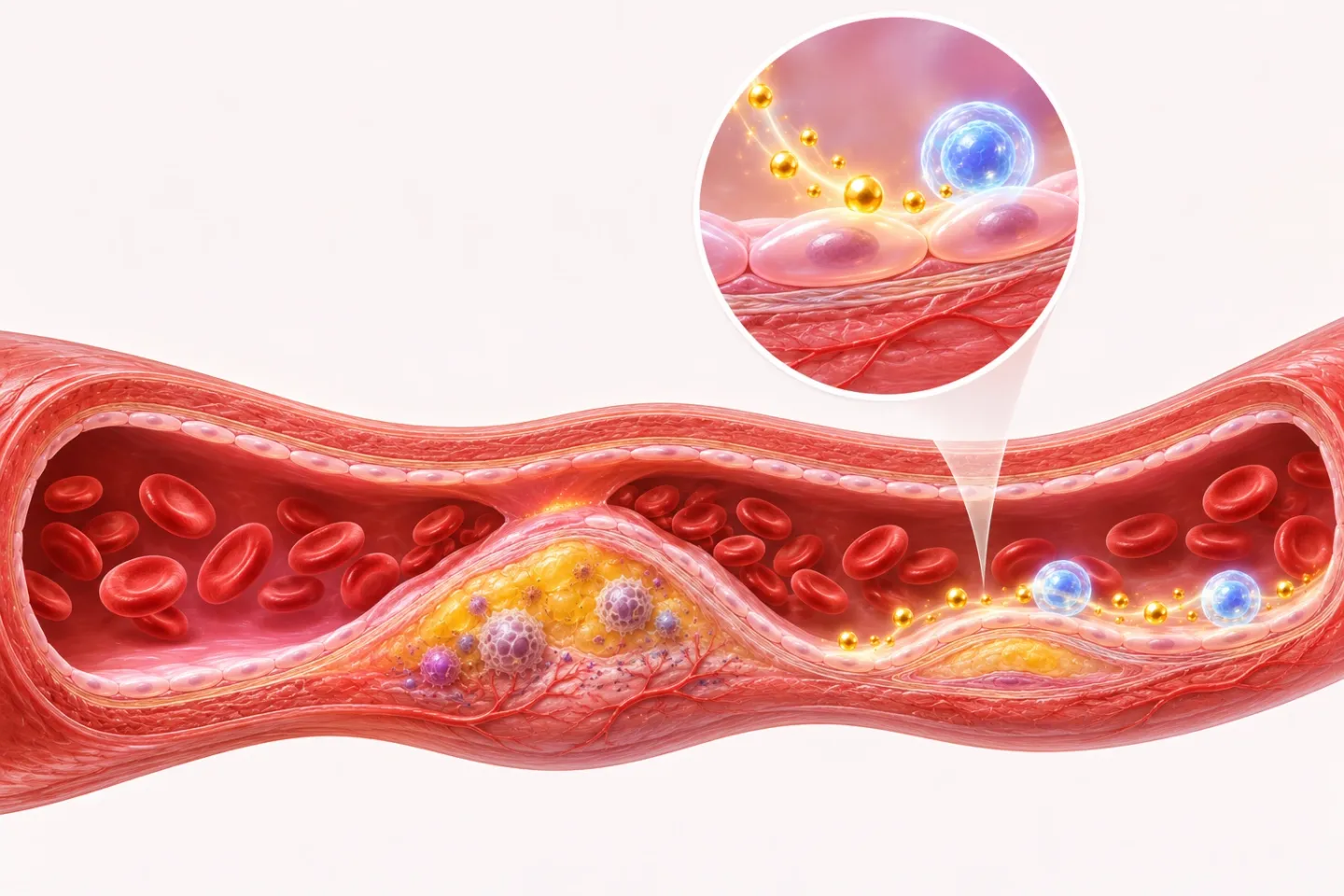
- Healthy liningA smooth inner lining (the endothelium) keeps blood flowing easily.
- Fatty corePlaque builds up when cholesterol collects in the artery wall.
- Inflammatory cellsImmune cells gather in the plaque; calming inflammation helps keep it stable.
- Narrowed channelA large plaque narrows the space for blood to flow.
- Smaller, stable plaqueIn trials, lifestyle and modern medicines made plaque smaller, with a thicker, stronger cap.
- ExosomesIn research models, stem cell exosomes supported the artery lining and calmed inflammation.
- Stem cellsIn people, Wharton’s jelly stem cells are studied for heart function, not for removing plaque.
- Lining cellsClose-up: lining cells receiving exosome signals.
Calming inflammation
After treatment with donor MSCs in people with dilated cardiomyopathy, the inflammation marker TNF-α fell and ejection fraction rose by 8.0 points.30
A healthier blood vessel lining
In people with heart failure, donor MSCs improved the function of the artery lining (flow-mediated dilation) by 3.7 percentage points within three months and increased the body’s own blood-vessel repair cells.31
Better blood flow to the heart muscle
After a heart attack, Wharton’s jelly stem cells improved perfusion in the injured area by 7.1%, against 3.9% with placebo.5
Less scar tissue
In ischaemic cardiomyopathy, the patients’ own bone marrow MSCs made the scar of an old heart attack 18.9% smaller,46 and in the MSC-HF trial, scar tissue fell in the stem cell group only.47
Plaque in research models
In research models of atherosclerosis, exosomes from human umbilical cord stem cells reduced plaque area and inflammation,14 and MSC exosomes travelled to the plaque, settled near its immune cells and turned them towards a calming, healing (M2) type.4849
Cholesterol handling in research models
Clinical-grade MSC vesicles given into a vein reduced plaque burden in research models and lowered LDL cholesterol, PCSK9 and lipoprotein(a),50 and donor fat-derived stem cells reduced plaque area and the uptake of oxidised LDL in the artery wall.51
In people, plaque itself is reduced by the medicines and habits described above. The published human results for stem cells and exosomes are in the heart muscle, its small blood vessels and the blood vessel lining. Read more on our heart failure treatment page, and about how our exosome therapy works.
08
Stem cell therapy for heart disease: what human studies report
Heart studies measure what matters in daily life: ejection fraction (the share of blood the heart pumps out with each beat), breathlessness, walking distance, quality of life and hospital stays. Here is what the key trials report, with each study’s own cell source and route.
After a heart attack and in ischaemic heart disease
Besides the Wharton’s jelly trial above,5 strong data come from people whose heart muscle was weakened by narrowed arteries. In the placebo-controlled MSC-HF trial in severe ischaemic heart failure, the patients’ own bone marrow MSCs injected into the heart muscle raised ejection fraction by 6.2 points and stroke volume by 18.4 mL compared with placebo.52 In ixCELL-DCM, with 126 patients, expanded bone marrow cells led to 37% fewer cardiac events, such as hospital admissions for worsening heart failure.53 For this group, see our page on stem cell therapy for ischaemic cardiomyopathy.
Heart failure
Across 12 randomised trials with 823 patients with heart failure, MSC treatment raised ejection fraction by 5.66 points, added 117 metres to the six-minute walk and reduced rehospitalisation by 47%, and umbilical cord cells appeared more effective than bone marrow cells.54 Read the full guide to stem cell therapy for heart failure.
| Study | Design and people | Cells and route | What improved |
|---|---|---|---|
| Gao 2015, BMC Med5 | Randomised, double-blind; 116 people after a heart attack | Wharton’s jelly stem cells into the heart artery | LVEF +7.8 vs +2.8 at 18 months; perfusion +7.1% vs +3.9% at 4 months |
| Bartolucci 2017, RIMECARD12 | Randomised, placebo-controlled; 30 people with heart failure | Umbilical cord stem cells, one IV infusion | LVEF +7.07 vs +1.85 at 12 months; better NYHA class and quality of life |
| Ulus 2020, HUC-HEART, Turkey41 | Randomised; 54 people with ischaemic cardiomyopathy | Umbilical cord stem cells during bypass surgery | LVEF +5.4%; stroke volume +19.7%; six-minute walk +23.1% vs +14.4% |
| Safwan 202440 | 13 randomised trials; 693 patients | Umbilical cord or bone marrow MSCs | LVEF +5.08 points at 6 months with umbilical cord cells |
| Mathiasen 2015 and 2020, MSC-HF5247 | Randomised, placebo-controlled; 60 people | Own bone marrow MSCs into the heart muscle | LVEF +6.2 vs placebo; less scar; fewer angina admissions at 4 years |
| Patel 2016, ixCELL-DCM53 | Randomised, placebo-controlled; 126 people | Own expanded bone marrow cells, by catheter | 37% fewer cardiac events |
| Hare 2017, POSEIDON-DCM30 | Randomised; 37 people with dilated cardiomyopathy | Donor or own MSCs, by catheter | With donor cells: LVEF +8.0 points, six-minute walk +37.0 m, lower TNF-α |
| Shen 202154 | 12 randomised trials; 823 patients | MSCs from several sources | LVEF +5.66; six-minute walk +117 m; rehospitalisation −47% |
Each study used its own cells, doses and routes. Your treatment uses fresh Wharton’s jelly and umbilical cord stem cells with Wharton’s jelly exosomes, given by IV drip and prepared for your date. See how we put this into practice on our cardiovascular diseases page.
09
Stem cells for angina and blood flow: chest pain and narrowed leg arteries
Angina is chest pain or tightness that comes when the heart muscle needs more oxygen than narrowed arteries can deliver, typically on stairs, in the cold or after a large meal. Many people manage it well with medicines and, when needed, a stent or bypass. Some people still have angina despite every option, which doctors call refractory angina, and this is where stem cell research has been especially encouraging.
Angina: fewer attacks, more activity
In 31 people with stable coronary disease and refractory angina who had no further options for stents or bypass, their own bone marrow MSCs were injected into the heart muscle. A year later, angina attacks had fallen from 13.8 to 3.2 a week, nitroglycerin use from 10.7 to 3.4 doses a week and the angina class from 3.0 to 0.8, while exercise capacity rose and quality of life improved.13 Three years on, the same patients had far fewer hospital admissions for angina than in the three years before treatment.55 Across eight randomised trials with 526 people with refractory angina, cell therapies from several sources reduced major heart events (odds ratio 0.41) and improved angina episodes, angina class, exercise tolerance and the need for angina medicines.56 In the placebo-controlled MSC-HF trial, hospital admissions for angina were fewer in the stem cell group four years later.47 Read more on our page about stem cell therapy for angina pectoris.
Blood flow in narrowed leg arteries: what research reports
Plaque in the leg arteries, peripheral artery disease, can cause calf pain on walking and, in its most advanced form, slow-healing foot wounds. Researchers have studied stem cells here too, with encouraging results.
- Wharton’s jelly stem cells. In a randomised, double-blind pilot study in 24 people with diabetes and advanced leg ischaemia, the seven given donor Wharton’s jelly stem cells around the leg arteries had higher skin oxygen levels, faster wound healing, less pain and longer pain-free walking than the placebo group, and they kept their limbs throughout the 12-month follow-up.57 In a phase I study in five people with diabetes, donor Wharton’s jelly stem cells injected into the calf muscles were followed by less pain and longer pain-free walking at six months.58
- Umbilical cord stem cells. In 14 people with diabetic foot ulcers and narrowed leg arteries, umbilical cord stem cells given onto the wound and by IV closed more than 95% of the ulcer area within 1.5 months and eased leg symptoms. CT scans showed the large arteries unchanged, a sign that the benefit came from the small vessels and the tissue.59
- Across 16 randomised trials of the patients’ own bone marrow and blood cells in advanced leg ischaemia, cell therapy improved ulcer healing, ankle pressure, skin oxygen, pain-free walking and the growth of new collateral vessels.60
These leg studies are research results. For the heart, your treatment follows the plan described below.
10
Muse cells and Muse exosomes: an optional add-on
Muse cells, short for multilineage-differentiating stress-enduring cells, are a small group of especially hardy repair cells within the MSC family, first described in 2010.61 In research models of heart attack, Muse cells given into a vein homed to the damaged heart, made the infarct about 52% smaller and raised ejection fraction by about 38% compared with no cells.62 In the first three people treated after a heart attack, one IV dose of a donor Muse cell product was safe and markedly improved heart pumping strength within 12 weeks.63 Donor Muse cells have been given without tissue matching or immune-suppressing medicines,64 and their secretome, the source of Muse exosomes, contains factors that regulate repair and immune activity.65
If you wish, Muse cells by IV infusion, and Muse exosomes by IV infusion or nasal spray, can be added to your Wharton’s jelly plan after your medical review. Wharton’s jelly stem cells and exosomes remain the core of your heart plan.
11
Plaque and heart treatments compared: lifestyle, medicines, stents, bypass and regenerative care
Each treatment has its own role, and the best results come from combining them. Medicines and habits shrink and stabilise plaque, a stent or bypass restores blood flow past a badly narrowed artery, and Wharton’s jelly stem cells and exosomes support the heart muscle and its small blood vessels.
| Option | What it does | What studies report | How it is given |
|---|---|---|---|
| Wharton’s jelly stem cells and exosomes | Repair signals that calm inflammation and support the heart muscle and the blood vessel lining3031 | LVEF +7.8 vs +2.8 after a heart attack;5 plaque area reduced in research models14 | A relaxed IV drip in one treatment day, alongside your medicines |
| Umbilical cord stem cells | Young donor cells, the second cell type in our plans | LVEF +7.07 vs +1.85 a year after one IV infusion12 | IV, on the same treatment day |
| Statins | Lower LDL cholesterol and stabilise plaque19 | Total atheroma volume −6.8% in two years6 | A daily tablet |
| Ezetimibe | Reduces cholesterol absorption from the gut | Regression in 78% vs 58% of patients with a statin alone8 | A daily tablet, added to a statin |
| PCSK9 inhibitors and inclisiran | Lower LDL cholesterol much further | Regression in 64.3% vs 47.3% with evolocumab;9 LDL about 50% lower with inclisiran26 | An injection every 2–4 weeks, or twice a year |
| A heart-healthy lifestyle | Lowers LDL, blood pressure and inflammation | Coronary narrowing eased by 3.1 points over five years2 | Everyday habits |
| Stent or bypass surgery | Restores blood flow past a narrowed artery | Relieves angina when an artery is badly narrowed | A catheter procedure or an operation |
These options add up rather than compete. Your cardiologist and your heart medicines stay at the centre of your care, and regenerative treatment is planned around them. See our stem cell treatment page for cardiovascular diseases.
12
Who it suits, and how we plan your heart treatment in Istanbul
Every plan starts with your own results, not a fixed protocol. Dr. Cihan Bolat, our medical director and a specialist in anaesthesiology and reanimation and in regenerative medicine, reviews with his team your heart ultrasound (echocardiogram), angiogram or CT reports, blood tests and medicines, and talks with you about your goals.
Who it suits
- People after a heart attack who want to support the recovery of their heart muscle.5
- People with ischaemic heart disease or heart failure on optimal medicines who want to do more for their heart.1252
- People with angina that continues despite medicines and procedures.1356
- People with known plaque who are already treating their cholesterol and want to look after their heart muscle and blood vessels as well.
Your stem cells and exosomes are given by a relaxed IV drip, the route used in the RIMECARD trial,12 and you keep taking your heart medicines. Your written plan states your exact cell count.
Fresh Wharton’s jelly stem cells
From cords donated after healthy births, prepared for your date in a Ministry of Health-approved GMP laboratory and never frozen, with count and viability certified before treatment.
Umbilical cord stem cells too
The second cell type in our plans, the type of cells used in the RIMECARD and HUC-HEART trials.1241
Wharton’s jelly exosomes
Added by IV infusion for a concentrated dose of repair messages, with CD34+ exosomes according to your plan. In wider plans, exosomes can also be given as a nasal spray.
Alongside your heart medicines
In the trials, patients kept taking their usual medicines.1252 Share your written plan with your own cardiologist.
One treatment day
Most plans take one treatment day in Istanbul, and you walk out of the clinic the same day.
Healthy ageing as well
If healthy ageing is also one of your goals, see what a stem cell longevity treatment can include.
- Day 0Walk outOne treatment day, home the same day
- 3 monthsFirst changesPumping strength improved in trials
- 4 monthsBetter blood flowPerfusion improved after a heart attack
- 12 monthsStill betterGains measured a year on
- 18 monthsLasting supportEjection fraction still higher
In the trials, ejection fraction and quality of life had improved by the first check-up at three months,12 blood flow to the injured heart muscle by four months,5 and the gains held at 12 and 18 months.125 We review your progress with you at about 1, 3, 6 and 12 months.
13
Is stem cell therapy for the heart safe?
Safety comes first, and the published record is reassuring. A 2021 meta-analysis of 62 randomised trials with 3,546 patients found MSC treatment safe, the most common effect a passing fever, and heart rhythm problems tended to be less common, not more common, with MSCs.15
The heart studies point the same way. In the IV umbilical cord stem cell trial, there were no adverse events related to the infusion, and none of the patients tested developed antibodies against the donor cells.12 In the Wharton’s jelly trial after a heart attack, adverse events and laboratory tests, including tumour, immune and blood markers, did not differ from placebo over 18 months.5 In ixCELL-DCM, serious adverse events were less common with cell treatment than with placebo.53
Your own care adds further layers. Wharton’s jelly cells need no donor matching,42 your cells are prepared in a GMP-certified laboratory approved by the Turkish Ministry of Health with certified count and viability, and your IV infusion is given under the care of Dr. Cihan Bolat, a specialist in anaesthesiology and reanimation, and his team. Before your plan is made, our specialist team reviews your heart tests and medicines carefully, and you return to your hotel the same day.
14
Why patients travel to Istanbul, Turkey for heart care with Wharton’s jelly stem cells
People from the UK, Germany, the Netherlands, across Europe, the Gulf, the USA and beyond travel to Istanbul for regenerative heart care: specialist-led treatment with fresh Wharton’s jelly stem cells and exosomes in a single treatment day, in a city that is easy to reach and a pleasure to stay in.

Specialist-led from the first message
Uzm. Dr. Cihan Bolat, our medical director, a specialist in anaesthesiology and reanimation and in regenerative medicine, leads the team that reviews your heart reports free of charge and treats you.
Fresh cells for your date
Your Wharton’s jelly stem cells come from cords donated after healthy births and are prepared fresh for your treatment date, never frozen, with their count and viability checked before treatment.
Your cell count in writing
Your written plan states your exact cell count, the exosomes and the routes, with a fixed, all-inclusive price before you travel.
One treatment day
Most plans take one treatment day in Istanbul, and you walk out of the clinic the same day.
Help at every step
A personal case manager helps with your hotel, ground transport and translation, so you can focus on your heart.
Follow-up from home
Reviews at about 1, 3, 6 and 12 months, so your care continues after you fly back.
Istanbul has two international airports with direct flights from across Europe, the Middle East and beyond, and our clinic is in Suadiye, a calm district on the Asian side near the Marmara seafront, ideal for gentle walks after treatment. Read more about why patients choose stem cell therapy in Turkey.
15
Your heart treatment in Istanbul, step by step
From your first message to your follow-up at home, every step is planned with you in advance, whether you are travelling from London, Berlin, Amsterdam, Dubai or New York. For the fuller story, read the stem cell treatment in Turkey, step by step, or request your free consultation now.
Send your heart reports
Share your echocardiogram with your ejection fraction, any angiogram, CT or calcium score reports, your cholesterol and other blood tests, your medicines and your goals, through our free consultation request or by WhatsApp on +90 534 856 92 92.
Free medical review and phone call
Dr. Cihan Bolat’s team reviews your case free of charge, talks it through with you by phone and tells you honestly whether a Wharton’s jelly plan suits your heart.
Your written plan and fixed price
If treatment is a good fit, you receive a written plan with your exact cell count, any exosomes and the routes, and a fixed, all-inclusive price.
Fresh preparation and treatment day
Once you confirm, your cells are prepared fresh for your date, which usually takes 5 to 10 days. On treatment day, our driver brings you to the clinic for your IV drip, and you walk out the same day.
Home and follow-up
Back home, you continue your heart medicines and healthy habits, and we review your progress with you at about 1, 3, 6 and 12 months.
16
How much does stem cell heart treatment cost in Istanbul?
Every plan is personal, so the price depends on the number of stem cells, the exosomes and the routes in your plan. After your free medical review, you receive a fixed, all-inclusive price in writing before you book anything, so you can decide calmly at home.
When you compare prices, compare what is included: fresh cells prepared for your date, your exact cell count in writing, and no harvest from your own body.
Included
- Free medical review and phone consultation
- Fresh Wharton’s jelly stem cells, with certified count and viability
- Wharton’s jelly exosomes, umbilical cord stem cells and CD34+ exosomes, if they are in your plan
- Your IV treatment by our specialist team in one treatment day
- Ground transport to and from the clinic, and help with translation
- A personal case manager and follow-up reviews
Not included / optional
- Flights
- Hotel stay, which we can help you arrange
- Muse cells or Muse exosomes, as optional add-ons
- A repeat session, if you choose one later
See the full treatment on our cardiovascular diseases page, or read about stem cell therapy for heart failure.
17
Frequently asked questions
How can I reduce plaque in my arteries?
The most effective approach combines lower LDL cholesterol with heart-healthy habits. In imaging trials, high-intensity statins, and statins combined with ezetimibe or a PCSK9 inhibitor, shrank coronary plaque in the majority of patients. A Mediterranean-style diet, regular exercise, not smoking and good blood pressure and diabetes care support the same goal. Your own doctor sets your LDL target and medicines.
Can plaque in arteries be reversed?
Plaque can shrink and become more stable, although it rarely disappears completely. In a 2026 trial, intensive cholesterol lowering reduced total coronary plaque volume by 21.1% in 18 months, and soft plaque regressed in 98% of patients. Each 1% of extra regression was linked to 25% lower odds of major heart events.
How long does it take to reduce plaque in arteries?
Changes can be measured within months. Early statin treatment after an acute coronary event reduced plaque volume by 13.1% in six months, alirocumab added to a statin shrank plaque within a year, and the largest regressions in imaging trials were measured at 18 months to two years.
Do statins remove plaque from arteries?
Statins shrink plaque in many people and make it more stable. In the ASTEROID trial, high-intensity rosuvastatin reduced total atheroma volume by a median of 6.8% in two years, and in SATURN, two intensive statin regimens regressed plaque in 63.2% and 68.5% of patients. Statins also help seal the plaque, which is why calcium can rise on a statin.
What is the best medicine to reduce artery plaque?
There is no single best medicine for everyone. A statin is the usual starting point, and ezetimibe, a PCSK9 inhibitor or inclisiran can be added to bring LDL lower; bempedoic acid helps people who cannot take statins. In GLAGOV, evolocumab added to a statin led to plaque regression in 64.3% of patients, against 47.3% with placebo. Your cardiologist chooses the right combination for you.
Which foods reduce artery plaque?
The foods with the best evidence are part of a pattern rather than a single superfood: extra virgin olive oil, vegetables, legumes, nuts and fish in a Mediterranean diet, oats and other soluble fibre, soy, almonds and plant sterols. A portfolio of these foods lowered LDL cholesterol by 28.6% in a month, close to the effect of a statin in the same trial.
How can I clean my arteries naturally?
Plaque does not wash away, but you can shrink and calm it with everyday habits. In a five-year lifestyle trial, coronary narrowing eased by 3.1 percentage points with diet, exercise, stress management and no smoking. Exercising about 5 to 6 hours a week was linked to plaque regression, and quitting smoking improved the function of the artery lining within a year.
Can exercise reduce plaque in arteries?
Yes, as part of a heart-healthy plan. In people with coronary disease, plaque regressed in 28% of those in an exercise programme, against 6% in the comparison group, and regression was seen at about 5 to 6 hours of exercise a week. Cardiac rehabilitation programmes lowered the risk of heart attack and hospital admission.
Why did my calcium score go up on a statin?
A rising calcium score on a statin is common and can be a sign that plaque is maturing and stabilising. In a large analysis of imaging trials, statins increased plaque calcium while high-intensity statins also shrank the plaque overall. Your cardiologist looks at your whole picture, including your LDL cholesterol.
Can you unclog arteries without surgery?
Medicines and habits can shrink plaque and make it more stable without any procedure, as the imaging trials show. When an artery is badly narrowed and causes symptoms, a stent or bypass restores blood flow, and the medicines keep working afterwards. Stem cells and exosomes are a separate kind of support, aimed at the heart muscle and its small blood vessels.
Can stem cells remove plaque from arteries?
In people, plaque is reduced by cholesterol-lowering medicines and healthy habits. Stem cells and exosomes have a different role: in research models, exosomes from umbilical cord stem cells reduced plaque area and calmed inflammation, and in people with heart disease, stem cells have strengthened the heart, improved blood flow to the heart muscle and eased angina. They complement your heart medicines rather than replacing them.
Does stem cell therapy work for heart disease?
In trials, it improved heart function for many people. After a heart attack, Wharton’s jelly stem cells raised ejection fraction by 7.8 points over 18 months, against 2.8 with placebo, and one IV infusion of umbilical cord stem cells raised it by 7.07 points in a year in heart failure, against 1.85. Dr. Cihan Bolat reviews your reports to tell you what is realistic for you.
Can stem cells help angina?
Studies are encouraging. In people with angina that continued despite every option, angina attacks fell from 13.8 to 3.2 a week a year after stem cell treatment, and across eight randomised trials, cell therapies reduced major heart events and improved angina and exercise tolerance. Our angina page explains the treatment.
Are exosomes used for the heart?
Yes. Your plan can include Wharton’s jelly exosomes by IV infusion, with CD34+ exosomes where they help. Across 37 studies in research models of heart attack, stem cell vesicles raised ejection fraction by about 11 points, and in people, Wharton’s jelly exosomes healed diabetic foot ulcers in 6 weeks on average, against 20 weeks with standard care.
Is stem cell therapy for the heart safe?
The published record is reassuring. A meta-analysis of 62 randomised trials with 3,546 patients found MSC treatment safe, the most common effect a passing fever. In the IV umbilical cord stem cell trial in heart failure, there were no adverse events related to the infusion.
Can I keep taking my heart medicines?
Yes. Stem cell treatment works alongside your heart medicines, and in the trials patients kept taking their usual medicines. Our specialist reviews your medicines with you before your plan is made, and you can share your written plan with your cardiologist.
How much does stem cell therapy for heart disease cost in Turkey?
The price depends on the number of cells, the exosomes and the routes in your plan. After a free medical review, you receive a fixed, all-inclusive price in writing, covering fresh Wharton’s jelly stem cells, your treatment, ground transport, a personal case manager and follow-up reviews.
Why travel to Istanbul for coronary artery disease stem cell treatment?
Istanbul offers specialist-led treatment with fresh Wharton’s jelly stem cells, one treatment day for most plans and easy flights from the UK, Europe, the Gulf and beyond. You receive a written plan and a fixed price before you travel, and you can reach us on WhatsApp at +90 534 856 92 92.

Medical review
Uzm. Dr. Cihan Bolat
Medical Director, Istanbul Stemcell
This page was written from the published studies listed below and reviewed for medical accuracy on .
18
References
- Mortensen MB, et al. Intensive vs More Intensive Lipid-Lowering Therapy and Plaque Regression in Statin-Naive Patients: Prespecified Analyses From the FLOWPROMOTE Randomized Clinical Trial. JAMA Cardiol. 2026. PMID 42961412
- Ornish D, et al. Intensive lifestyle changes for reversal of coronary heart disease. JAMA. 1998;280(23):2001-7. PMID 9863851
- Jimenez-Torres J, et al. Mediterranean Diet Reduces Atherosclerosis Progression in Coronary Heart Disease: An Analysis of the CORDIOPREV Randomized Controlled Trial. Stroke. 2021;52(11):3440-3449. PMID 34372670
- Ettehad D, et al. Blood pressure lowering for prevention of cardiovascular disease and death: a systematic review and meta-analysis. Lancet. 2016;387(10022):957-967. PMID 26724178
- Gao LR, et al. Intracoronary infusion of Wharton's jelly-derived mesenchymal stem cells in acute myocardial infarction: double-blind, randomized controlled trial. BMC Med. 2015;13:162. PMID 26162993
- Nissen SE, et al. Effect of very high-intensity statin therapy on regression of coronary atherosclerosis: the ASTEROID trial. JAMA. 2006;295(13):1556-65. PMID 16533939
- Nicholls SJ, et al. Effect of two intensive statin regimens on progression of coronary disease. N Engl J Med. 2011;365(22):2078-87. PMID 22085316
- Tsujita K, et al. Impact of Dual Lipid-Lowering Strategy With Ezetimibe and Atorvastatin on Coronary Plaque Regression in Patients With Percutaneous Coronary Intervention: The Multicenter Randomized Controlled PRECISE-IVUS Trial. J Am Coll Cardiol. 2015;66(5):495-507. PMID 26227186
- Nicholls SJ, et al. Effect of Evolocumab on Progression of Coronary Disease in Statin-Treated Patients: The GLAGOV Randomized Clinical Trial. JAMA. 2016;316(22):2373-2384. PMID 27846344
- Räber L, et al. Effect of Alirocumab Added to High-Intensity Statin Therapy on Coronary Atherosclerosis in Patients With Acute Myocardial Infarction: The PACMAN-AMI Randomized Clinical Trial. JAMA. 2022;327(18):1771-1781. PMID 35368058
- Hambrecht R, et al. Various intensities of leisure time physical activity in patients with coronary artery disease: effects on cardiorespiratory fitness and progression of coronary atherosclerotic lesions. J Am Coll Cardiol. 1993;22(2):468-77. PMID 8335816
- Bartolucci J, et al. Safety and Efficacy of the Intravenous Infusion of Umbilical Cord Mesenchymal Stem Cells in Patients With Heart Failure: A Phase 1/2 Randomized Controlled Trial (RIMECARD Trial [Randomized Clinical Trial of Intravenous Infusion Umbilical Cord Mesenchymal Stem Cells on Cardiopathy]). Circ Res. 2017;121(10):1192-1204. PMID 28974553
- Haack-Sørensen M, et al. Direct intramyocardial mesenchymal stromal cell injections in patients with severe refractory angina: one-year follow-up. Cell Transplant. 2013;22(3):521-8. PMID 22472086
- Gao H, et al. miR-100-5p in human umbilical cord mesenchymal stem cell-derived exosomes mediates eosinophilic inflammation to alleviate atherosclerosis via the FZD5/Wnt/β-catenin pathway. Acta Biochim Biophys Sin (Shanghai). 2021;53(9):1166-1176. PMID 34254638
- Wang Y, Yi H, Song Y. The safety of MSC therapy over the past 15 years: a meta-analysis. Stem Cell Res Ther. 2021;12(1):545. PMID 34663461
- Iatan I, et al. Atherosclerotic Coronary Plaque Regression and Risk of Adverse Cardiovascular Events: A Systematic Review and Updated Meta-Regression Analysis. JAMA Cardiol. 2023;8(10):937-945. PMID 37647074
- Ference BA, et al. Low-density lipoproteins cause atherosclerotic cardiovascular disease. 1. Evidence from genetic, epidemiologic, and clinical studies. A consensus statement from the European Atherosclerosis Society Consensus Panel. Eur Heart J. 2017;38(32):2459-2472. PMID 28444290
- Libby P, et al. Atherosclerosis. Nat Rev Dis Primers. 2019;5(1):56. PMID 31420554
- Puri R, et al. Impact of statins on serial coronary calcification during atheroma progression and regression. J Am Coll Cardiol. 2015;65(13):1273-1282. PMID 25835438
- Nicholls SJ, et al. Effect of Evolocumab on Coronary Plaque Phenotype and Burden in Statin-Treated Patients Following Myocardial Infarction. JACC Cardiovasc Imaging. 2022;15(7):1308-1321. PMID 35431172
- Okazaki S, et al. Early statin treatment in patients with acute coronary syndrome: demonstration of the beneficial effect on atherosclerotic lesions by serial volumetric intravascular ultrasound analysis during half a year after coronary event: the ESTABLISH Study. Circulation. 2004;110(9):1061-8. PMID 15326073
- Baigent C, et al. Efficacy and safety of more intensive lowering of LDL cholesterol: a meta-analysis of data from 170,000 participants in 26 randomised trials. Lancet. 2010;376(9753):1670-81. PMID 21067804
- Mach F, et al. 2019 ESC/EAS Guidelines for the management of dyslipidaemias: lipid modification to reduce cardiovascular risk. Eur Heart J. 2020;41(1):111-188. PMID 31504418
- Cannon CP, et al. Ezetimibe Added to Statin Therapy after Acute Coronary Syndromes. N Engl J Med. 2015;372(25):2387-97. PMID 26039521
- Sabatine MS, et al. Evolocumab and Clinical Outcomes in Patients with Cardiovascular Disease. N Engl J Med. 2017;376(18):1713-1722. PMID 28304224
- Ray KK, et al. Two Phase 3 Trials of Inclisiran in Patients with Elevated LDL Cholesterol. N Engl J Med. 2020;382(16):1507-1519. PMID 32187462
- Nissen SE, et al. Bempedoic Acid and Cardiovascular Outcomes in Statin-Intolerant Patients. N Engl J Med. 2023;388(15):1353-1364. PMID 36876740
- Nidorf SM, et al. Colchicine in Patients with Chronic Coronary Disease. N Engl J Med. 2020;383(19):1838-1847. PMID 32865380
- Vaidya K, et al. Colchicine Therapy and Plaque Stabilization in Patients With Acute Coronary Syndrome: A CT Coronary Angiography Study. JACC Cardiovasc Imaging. 2018;11(2 Pt 2):305-316. PMID 29055633
- Hare JM, et al. Randomized Comparison of Allogeneic Versus Autologous Mesenchymal Stem Cells for Nonischemic Dilated Cardiomyopathy: POSEIDON-DCM Trial. J Am Coll Cardiol. 2017;69(5):526-537. PMID 27856208
- Premer C, et al. Allogeneic Mesenchymal Stem Cells Restore Endothelial Function in Heart Failure by Stimulating Endothelial Progenitor Cells. EBioMedicine. 2015;2(5):467-75. PMID 26137590
- Delgado-Lista J, et al. Long-term secondary prevention of cardiovascular disease with a Mediterranean diet and a low-fat diet (CORDIOPREV): a randomised controlled trial. Lancet. 2022;399(10338):1876-1885. PMID 35525255
- Jenkins DJ, et al. Effects of a dietary portfolio of cholesterol-lowering foods vs lovastatin on serum lipids and C-reactive protein. JAMA. 2003;290(4):502-10. PMID 12876093
- Ho HV, et al. The effect of oat β-glucan on LDL-cholesterol, non-HDL-cholesterol and apoB for CVD risk reduction: a systematic review and meta-analysis of randomised-controlled trials. Br J Nutr. 2016;116(8):1369-1382. PMID 27724985
- Ras RT, Geleijnse JM, Trautwein EA. LDL-cholesterol-lowering effect of plant sterols and stanols across different dose ranges: a meta-analysis of randomised controlled studies. Br J Nutr. 2014;112(2):214-9. PMID 24780090
- Dibben G, et al. Exercise-based cardiac rehabilitation for coronary heart disease. Cochrane Database Syst Rev. 2021;11(11):CD001800. PMID 34741536
- Johnson HM, et al. Effects of smoking and smoking cessation on endothelial function: 1-year outcomes from a randomized clinical trial. J Am Coll Cardiol. 2010;55(18):1988-95. PMID 20236788
- Sattar N, et al. Cardiovascular, mortality, and kidney outcomes with GLP-1 receptor agonists in patients with type 2 diabetes: a systematic review and meta-analysis of randomised trials. Lancet Diabetes Endocrinol. 2021;9(10):653-662. PMID 34425083
- Lincoff AM, et al. Semaglutide and Cardiovascular Outcomes in Obesity without Diabetes. N Engl J Med. 2023;389(24):2221-2232. PMID 37952131
- Safwan M, et al. Tissue-source effect on mesenchymal stem cells as living biodrugs for heart failure: Systematic review and meta-analysis. World J Cardiol. 2024;16(8):469-483. PMID 39221190
- Ulus AT, et al. Intramyocardial Transplantation of Umbilical Cord Mesenchymal Stromal Cells in Chronic Ischemic Cardiomyopathy: A Controlled, Randomized Clinical Trial (HUC-HEART Trial). Int J Stem Cells. 2020;13(3):364-376. PMID 32840230
- Weiss ML, et al. Immune properties of human umbilical cord Wharton's jelly-derived cells. Stem Cells. 2008;26(11):2865-74. PMID 18703664
- Kishta MS, et al. The transforming role of wharton's jelly mesenchymal stem cell-derived exosomes for diabetic foot ulcer healing: a randomized controlled clinical trial. Stem Cell Res Ther. 2025;16(1):559. PMID 41084065
- Khan K, et al. Extracellular Vesicles as a Cell-free Therapy for Cardiac Repair: a Systematic Review and Meta-analysis of Randomized Controlled Preclinical Trials in Animal Myocardial Infarction Models. Stem Cell Rev Rep. 2022;18(3):1143-1167. PMID 35107768
- Moll G, et al. Do cryopreserved mesenchymal stromal cells display impaired immunomodulatory and therapeutic properties? Stem Cells. 2014;32(9):2430-42. PMID 24805247
- Heldman AW, et al. Transendocardial mesenchymal stem cells and mononuclear bone marrow cells for ischemic cardiomyopathy: the TAC-HFT randomized trial. JAMA. 2014;311(1):62-73. PMID 24247587
- Mathiasen AB, et al. Bone marrow-derived mesenchymal stromal cell treatment in patients with ischaemic heart failure: final 4-year follow-up of the MSC-HF trial. Eur J Heart Fail. 2020;22(5):884-892. PMID 31863561
- Li J, et al. Exosomes derived from mesenchymal stem cells attenuate the progression of atherosclerosis in ApoE(-/-) mice via miR-let7 mediated infiltration and polarization of M2 macrophage. Biochem Biophys Res Commun. 2019;510(4):565-572. PMID 30739785
- Ma J, et al. Mesenchymal stem cell-derived exosomal miR-21a-5p promotes M2 macrophage polarization and reduces macrophage infiltration to attenuate atherosclerosis. Acta Biochim Biophys Sin (Shanghai). 2021;53(9):1227-1236. PMID 34350954
- Kim J, et al. Multimodal Antiatherosclerotic Effects of Clinical-Grade Mesenchymal Stem Cell-Derived Extracellular Vesicles. Stroke. 2026;57(4):1008-1021. PMID 41503702
- Li Y, et al. Allogeneic Adipose-Derived Mesenchymal Stem Cell Transplantation Alleviates Atherosclerotic Plaque by Inhibiting Ox-LDL Uptake, Inflammatory Reaction and Endothelial Damage in Rabbits. Cells. 2023;12(15). PMID 37566014
- Mathiasen AB, et al. Bone marrow-derived mesenchymal stromal cell treatment in patients with severe ischaemic heart failure: a randomized placebo-controlled trial (MSC-HF trial). Eur Heart J. 2015;36(27):1744-53. PMID 25926562
- Patel AN, et al. Ixmyelocel-T for patients with ischaemic heart failure: a prospective randomised double-blind trial. Lancet. 2016;387(10036):2412-21. PMID 27059887
- Shen T, et al. A Systematic Review and Meta-Analysis: Safety and Efficacy of Mesenchymal Stem Cells Therapy for Heart Failure. Curr Stem Cell Res Ther. 2021;16(3):354-365. PMID 32867655
- Mathiasen AB, et al. Autotransplantation of mesenchymal stromal cells from bone-marrow to heart in patients with severe stable coronary artery disease and refractory angina--final 3-year follow-up. Int J Cardiol. 2013;170(2):246-51. PMID 24211066
- Jones DA, et al. The Impact of Cell Therapy on Cardiovascular Outcomes in Patients With Refractory Angina. Circ Res. 2019;124(12):1786-1795. PMID 30922167
- Arango-Rodríguez ML, et al. A novel therapeutic management for diabetes patients with chronic limb-threatening ischemia: comparison of autologous bone marrow mononuclear cells versus allogenic Wharton jelly-derived mesenchymal stem cells. Stem Cell Res Ther. 2023;14(1):221. PMID 37626416
- Ashoobi MT, et al. Wharton's jelly mesenchymal stem cells transplantation for critical limb ischemia in patients with type 2 diabetes mellitus: a preliminary report of phase I clinical trial. Cell Tissue Res. 2024;395(2):211-220. PMID 38112806
- Zhang C, et al. Topical and intravenous administration of human umbilical cord mesenchymal stem cells in patients with diabetic foot ulcer and peripheral arterial disease: a phase I pilot study with a 3-year follow-up. Stem Cell Res Ther. 2022;13(1):451. PMID 36064461
- Wahid FSA, et al. Efficacy and Safety of Autologous Cell-based Therapy in Patients with No-option Critical Limb Ischaemia: A Meta-Analysis. Curr Stem Cell Res Ther. 2018;13(4):265-283. PMID 29532760
- Kuroda Y, et al. Unique multipotent cells in adult human mesenchymal cell populations. Proc Natl Acad Sci U S A. 2010;107(19):8639-43. PMID 20421459
- Yamada Y, et al. S1P-S1PR2 Axis Mediates Homing of Muse Cells Into Damaged Heart for Long-Lasting Tissue Repair and Functional Recovery After Acute Myocardial Infarction. Circ Res. 2018;122(8):1069-1083. PMID 29475983
- Noda T, Nishigaki K, Minatoguchi S. Safety and Efficacy of Human Muse Cell-Based Product for Acute Myocardial Infarction in a First-in-Human Trial. Circ J. 2020;84(7):1189-1192. PMID 32522904
- Minatoguchi S, et al. Donor Muse Cell Treatment Without HLA-Matching Tests and Immunosuppressant Treatment. Stem Cells Transl Med. 2024;13(6):532-545. PMID 38560897
- Alessio N, et al. The secretome of MUSE cells contains factors that may play a role in regulation of stemness, apoptosis and immunomodulation. Cell Cycle. 2017;16(1):33-44. PMID 27463232